
Size
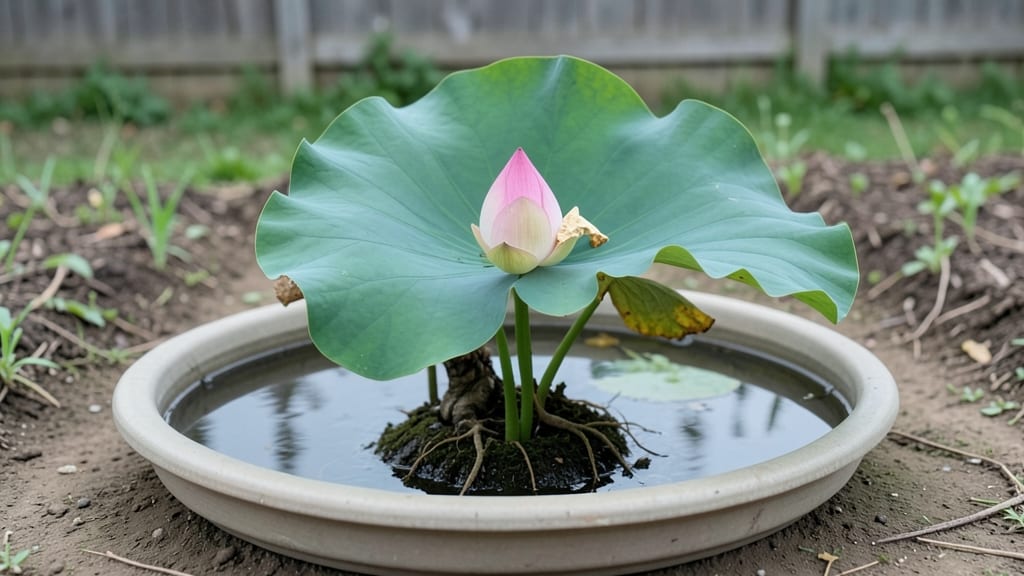
Growing bonsai lotus flowers from seeds is like unlocking a tiny, delicate world of water garden artistry—right on your patio or windowsill. 🌿 The key is patience, because these seeds can take weeks to sprout, but once they do, you’ll nurture a plant that blooms with the same ethereal beauty as its full-sized cousins—just in miniature form.
I’ve grown them myself, and the first time I saw those delicate pink petals unfurl on a plant barely taller than my hand, I was hooked.
The magic starts with the right setup: a shallow container with drainage holes, a mix of 50% peat moss and 50% perlite for lightweight moisture control, and a heat mat to keep soil temps between 75-80°F—that’s the sweet spot for germination.
You’ll need to keep the soil damp (not soggy) and cover the pot with plastic wrap until sprouts appear, which can take anywhere from two to six weeks. The hardest part? Resisting the urge to peek under that plastic too often—consistency is everything here.
Once your seedlings emerge, the real bonsai journey begins.
These plants thrive in bright, indirect light (think east-facing windows or a grow light), and you’ll need to prune regularly to maintain that signature bonsai shape—pinch back new growth to encourage bushiness, and wire the branches as they develop to guide them into elegant curves.
With the right care, you’ll reward yourself with tiny, fragrant blooms that feel like a secret garden treasure.
Fair warning: bonsai lotus flowers grow slowly, and they’re sensitive to temperature swings. But that’s part of the charm—this isn’t a project for impatient gardeners.
If you’re willing to put in the time, though, you’ll end up with a living work of art that’s as rewarding to grow as it is to admire. Ready to dive in?
📚 In This Guide
- What you need
- Instructions
- Tips and common mistakes
- Wrapping up and next steps
What you need
- ● Bonsai lotus flower seeds: 5–10 seeds (ensure they’re certified organic or high-quality for best results).
- ● Container: A shallow, wide pot (6–8 inches in diameter) with drainage holes.
- ○ Optional: A decorative tray or saucer to catch excess water.
- ● Well-draining soil: A mix of 50% bonsai soil and 50% perlite or coarse sand (sterilized to prevent mold).
- ● Watering can or spray bottle: With a fine nozzle for gentle hydration.
- ● Humidity dome or plastic wrap: To maintain moisture during germination.
- ● Grow lights or sunny windowsill: 6–8 hours of direct sunlight daily (south-facing is ideal).
- ● Pruning shears or scissors: Small, sharp pair for trimming (sterilize with rubbing alcohol).
- ● Fertilizer: Balanced liquid fertilizer (e.g., 10-10-10 NPK) diluted to half-strength.
- ● Soil moisture meter – to avoid over/under-watering.
- ● Wire or bonsai clips – for shaping as your lotus grows.
- ● Pebbles or aquarium stones – for decorative drainage layers.
- ● Misting bottle – for extra humidity on dry days.
Step-by-step guide to growing miniature bonsai lotus flowers
Here's how to transform delicate lotus seeds into stunning container bonsai—patience and precision are key.
🌱 Step 1: Prepare the Water and Germination Container
Lotus seeds need a unique start—no soil at first. Fill a clear glass container with room-temperature water (about 3-4 inches deep) and add 1 tablespoon of hydrogen peroxide per gallon to prevent mold. This creates the perfect aquatic environment for germination.
Place the container in bright, indirect light (no direct sun yet) and wait. You'll notice tiny white roots emerge within 5-7 days—this is your signal to proceed. Real talk: Don't rush this stage. Seeds need this water bath to develop strong roots before transplanting.
💧 Step 2: Transplant Seedlings to Shallow Water Culture
Once roots reach about 1-2 inches long, carefully transfer each seedling to its own small ceramic bonsai pot filled with 1 inch of water. I use 6-inch diameter pots for my first bonsai lotuses—enough space for roots but not so large they overwhelm the plant.
Add 1 teaspoon of liquid bonsai fertilizer (diluted to half-strength) to the water. You'll see new leaves unfurl within 2-3 weeks. Here's the thing—keep water levels constant but never overflowing. Lotus roots need oxygen, so stagnant water will rot them overnight.
☀️ Step 3: Introduce Gradual Sunlight and Soil Transition
After 4-6 weeks in water, your seedlings should have 3-4 true leaves. This is when you'll begin the slow transition to soil. Mix 50% bonsai soil with 50% perlite in your pot—this lightweight blend prevents root suffocation while holding moisture.
Place the pot in partial shade for the first week, then gradually increase sunlight to 4-6 hours of morning sun. You'll notice leaves darken slightly as they adapt. Lotus bonsai need bright indirect light—direct afternoon sun will scorch tender foliage. I always check leaf color daily: pale yellow means more light; crispy edges mean too much.
🪴 Step 4: Establish Soil Culture and Prune for Shape
After 8 weeks total, your bonsai should be fully transitioned to soil. Now comes the artistry. Use wire pruning shears to trim any leggy stems back by one-third to encourage bushier growth. This is the moment that matters: shaping begins now, but gently—you're establishing structure, not forcing it.
Water from the bottom by placing the pot in 1 inch of water for 10-15 minutes, then drain completely. Overhead watering can cause fungal issues. I fertilize every 4 weeks with diluted bonsai fertilizer during growing season (spring-fall), cutting back in winter when growth slows.
⏰ Step 5: Winter Care and Long-Term Maintenance
When temperatures drop below 50°F, move your bonsai indoors near a south-facing window. Reduce watering to every 10-14 days, letting the top ½ inch of soil dry between waterings. You'll see growth slow dramatically—this is normal dormancy behavior.
In late winter, prune again to remove any dead or crossing branches. This keeps your bonsai healthy and encourages new spring growth. Real talk: Lotus bonsai are slow growers—don't expect blooms for 2-3 years. But when that first miniature lotus flower opens, all the patience will feel worth it.
Tips & tricks for perfect miniature bonsai lotus flowers
Growing these delicate aquatic beauties into stunning bonsai takes more than just patience—it requires the right approach from day one. Here's what I've learned after nurturing my own lotus bonsai through every stage.
Germination Environment: The 5-7 day germination window is your first critical phase. Use a clear glass container so you can easily monitor root development without disturbing the seeds. I've found that placing the container on a seedling heat mat (set to 75°F) can speed up germination by 1-2 days if you're eager to move forward. Just be sure to keep the water temperature consistent—cold water can shock the seeds and delay sprouting.
Root Care in Water Culture: When transplanting to your 6-inch pots with 1 inch of water, I recommend using a small net pot or mesh insert to hold the seedling. This prevents the delicate roots from getting tangled in the ceramic pot's drainage holes while still allowing water circulation. During the 2-3 week leaf unfurling phase, I add a pinch of aquarium salt (just ¼ teaspoon) to the water to strengthen root development—it's optional but makes a noticeable difference in root resilience.
Light Transition Strategy: The gradual sunlight increase from partial shade to 4-6 hours of morning sun is where most beginners struggle. I've created a simple light schedule: Week 1 (partial shade), Week 2 (2 hours morning sun), Week 3 (4 hours), Week 4 (full 4-6 hours). This incremental approach prevents leaf scorch while allowing the plants to acclimate. Watch for the leaves to develop a deeper green color as they adapt—this is your visual cue that the transition is working.
Soil Mix Secrets: That 50% bonsai soil/50% perlite mix is non-negotiable for proper drainage, but here's the pro tip: Add a handful of orchid bark chips to the mix for extra aeration. The bark also helps retain moisture without creating the stagnant conditions that lead to root rot. When repotting, I always sterilize my tools with rubbing alcohol to prevent introducing pathogens to your delicate bonsai.
Pro Tips for Bonsai Lotus Flower Seeds How To Grow
- Growing these delicate aquatic beauties into stunning bonsai takes more than just patience—it requires the right approach from day one.
- Germination Environment: The 5-7 day germination window is your first critical phase.
- Root Care in Water Culture: When transplanting to your 6-inch pots with 1 inch of water, I recommend using a small net pot or mesh insert to hold the seedling.
Frequently asked questions
Got questions about growing your own bonsai lotus from seeds? You’re not alone! Here are some of the most common queries—plus straightforward answers to help you cultivate your miniature masterpiece with confidence.
How long does it take for bonsai lotus seeds to germinate?
Patience is key! Bonsai lotus seeds typically take 2 to 4 weeks to germinate when kept in warm, moist conditions (around 75–85°F). Soak seeds overnight before planting, and maintain consistent humidity—think of it like coaxing a tiny miracle out of a seed!
Can I grow a bonsai lotus indoors?
While possible, it’s challenging indoors due to their need for bright, direct sunlight (6+ hours daily) and high humidity. If you’re committed, place your container near a south-facing window or use a grow light. Outdoor pots (even in partial shade) yield far better results for these tropical beauties.
What’s the best time of year to plant bonsai lotus seeds?
Spring or early summer is ideal—April to June—when temperatures are consistently warm. Avoid planting in fall or winter, as cold soil can stall germination or damage delicate seedlings. If you’re in a warm climate, late winter (February) works too!
Why aren’t my bonsai lotus seeds sprouting?
Common culprits include:
- Cold soil: Seeds need warmth to activate.
- Dry conditions: Keep soil moist but not soggy.
- Low light: Place in a sunny spot (or under grow lights).
- Old seeds: Fresh seeds (1–2 years old) germinate best.
Are there easier alternatives to bonsai lotus for beginners?
If bonsai lotus seems too finicky, try these beginner-friendly options:
- Dwarf water lilies: Similar care, faster growth.
- Miniature orchids: Thrives in containers with less fuss.
- Japanese maple bonsai: Hardy and forgiving.
Wrapping up and next steps
Growing a bonsai lotus flower from seeds is a rewarding journey that blends patience, creativity, and a touch of green magic! 🌱 With the right soil, container, and care, you’ll nurture a stunning miniature masterpiece that blooms with delicate beauty.
Whether you’re a beginner or a seasoned plant lover, every step—from soaking seeds to pruning—brings you closer to your dream bonsai.
Ready to turn your vision into reality? Start by planting your first seeds today and watch your tiny garden flourish. Share your progress, experiment with styles, and enjoy the art of container gardening—one petal at a time! 🌸