
Flowers
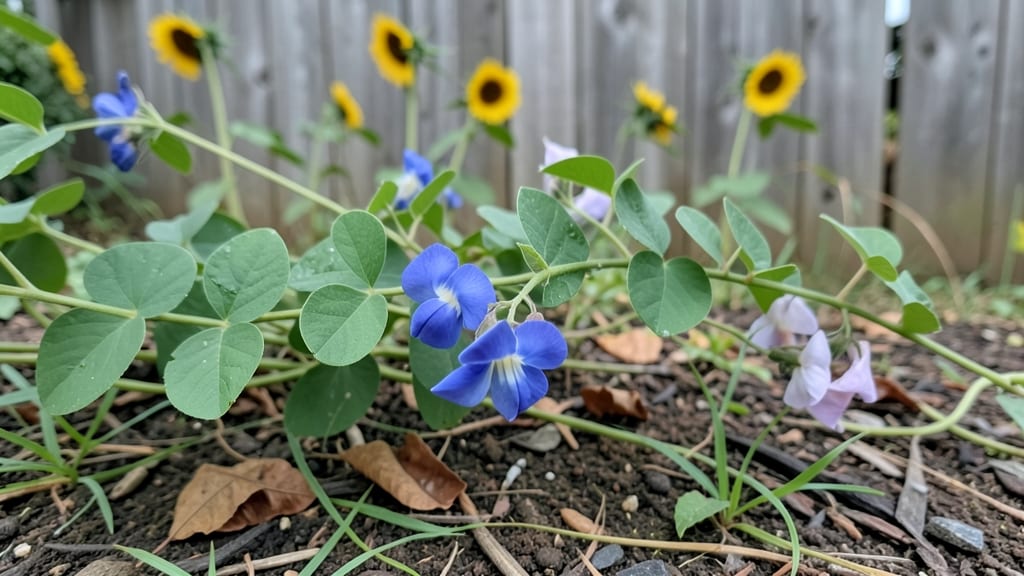
The ethereal blue sky flower vine transforms any Pacific Northwest garden into a dreamy, sky-blue escape—just imagine morning light filtering through cascading blooms that last from summer until frost. 🌿 I first saw it draped over an old wooden trellis in a Portland cottage garden, and it completely rewrote my idea of what vines could do in our damp, cool climate.
The deep blue flowers aren’t just striking; they’re the kind of plant that makes neighbors pause and ask, “What’s that?” The magic happens when you pair it with silver foliage plants like lamb’s ear or dusty miller—those silvery leaves make the blue pop like a summer sky against fresh snow.
For a modern look, train it up a sleek metal trellis near a patio; for cottage charm, let it spill over an arbor covered in climbing roses. It thrives in partial shade, which is perfect for spots under trees where other vines would struggle.
What you’ll love most is how it softens hard edges—brick walls, chain-link fences, even the side of a garage—while adding vertical drama without overwhelming small spaces. The blooms attract hummingbirds too, so you’ll get both the visual and the buzz of life in your garden.
Ready to see how it can elevate your space?
Here’s the secret to making it work: fast growth means quick results. Start with a sturdy trellis or hanging basket (the vines can reach 10 feet in one season!), and plant it where it gets at least 4-6 hours of morning sun.
Pair it with white or yellow flowers for maximum contrast—think black-eyed Susans or coreopsis—and watch the color combinations explode. Even in shady spots, it won’t flop; it just blooms a little later in the season. The real payoff? A garden that feels effortlessly lush without requiring constant attention.
No deadheading needed, no fussing over wilting—just months of reliable color that turns heads and makes your outdoor space feel like a secret getaway. Whether you’re filling a vertical garden or adding drama to a patio, this vine does the heavy lifting for you.
📚 In This Guide
- What you need
- Instructions
- Tips and common mistakes
- Wrapping up and next steps
What you need
- ● Blue Sky Flower Vine (Thunbergia grandiflora) – 1 nursery-grown plant (or seeds if starting from scratch). Pro tip: 💡 Choose a frost-hardy cultivar (e.g., ‘Blue Sky’) for PNW resilience!
- ● Well-draining potting mix – 5 gallons (for containers) or amended garden soil (for in-ground planting). Mix in compost (20% by volume) for fertility.
- ○ Support structure – A 6-foot trellis, arbor, or fence (metal or wood). Optional: Decorative lattice for a whimsical touch!
- ● Slow-release fertilizer – 10-10-10 NPK blend (1 lb per plant) or organic options like fish emulsion.
- ● Mulch – 2–3 inches of wood chips or straw to retain moisture and protect roots in winter.
- ● Garden trowel or shovel – For planting and soil amendments.
- ● Pruning shears – Sharp, sterilized shears for trimming dead growth.
- ● Watering can or hose with a gentle spray nozzle – Critical: Avoid overwatering!
- ● Gloves – Heavy-duty work gloves to protect hands from thorns (some varieties have mild prickles).
- ○ Sunlight gauge – Optional but helpful: Track 6+ hours of partial sun (morning sun + afternoon shade works best in PNW).
- ● Frost cloth or row covers – Lightweight fabric to shield young plants from late frosts (spring/fall).
- ○ Drip irrigation kit – Optional: Automates watering during PNW’s unpredictable rain.
- ● Local plant nursery – For region-specific advice on soil pH (aim for 6.0–7.0).
How to plant and care for blue sky flower vine in your Pacific Northwest garden
This hardy climber thrives in cool climates—here’s how to get it growing strong in your yard.
🌱 Step 1: Choose the Right Spot and Prepare the Soil
Blue sky flower vine loves partial shade to full sun but tolerates morning sun with afternoon shade in hotter PNW summers. Pick a location with 6-8 feet of vertical support—trellises, fences, or arbors work best. The vine’s tendrils will cling naturally, so no ties are needed.
Amend the soil with 2-3 inches of compost mixed into the top 12 inches of soil. This vine prefers well-draining, slightly acidic soil (pH 6.0-7.0). If your soil is heavy clay, add sand or perlite to improve drainage. A quick soil test kit will tell you if adjustments are needed—PNW clay can be tricky.
🌿 Step 2: Plant at the Correct Depth and Spacing
Dig a hole twice as wide as the root ball but only as deep—planting too deep can suffocate the roots. Gently remove the vine from its container and loosen any circling roots with your fingers. Place it in the hole so the top of the root ball sits level with the ground—this prevents rot.
Space 4-6 feet apart for full, lush growth. If planting multiple vines, give them room to sprawl without competing. Water deeply right after planting to settle the soil around the roots. You’ll know it’s right when the soil looks evenly moist but not soggy—no puddles.
☀️ Step 3: Water and Fertilize for Strong Growth
Water once a week during the first growing season, ensuring the soil stays consistently moist but not waterlogged. The PNW’s damp climate means you won’t need to water as often once established, but young vines need steady moisture. Mulch with 2-3 inches of wood chips around the base to retain moisture and suppress weeds.
Fertilize once in early spring with a balanced, slow-release fertilizer (10-10-10). Avoid high-nitrogen fertilizers—they encourage leafy growth at the expense of flowers. You’ll see the best blooms when the vine gets moderate nutrients and good air circulation. Too much fertilizer leads to weak stems.
✂️ Step 4: Prune for Shape and Encourage Blooms
Prune in late winter or early spring before new growth starts. Cut back any dead or damaged stems to just above a leaf node. This encourages bushier growth and more flowers. You can also lightly trim throughout the growing season to control size—just snip back one-third of the new growth to keep it manageable.
Deadhead spent blooms regularly to encourage more flowers. The vine produces sky-blue, star-shaped flowers that last all summer if you keep up with this. Here’s the thing—if you skip deadheading, the vine will still bloom, but you’ll get fewer flowers overall. It’s a small task that pays off big.
🪴 Step 5: Protect from Winter and Prepare for Next Year
Blue sky flower vine is frost-resistant, but young plants may need light protection in harsh winters. Mulch heavily (4-6 inches) around the base with straw or leaves to insulate the roots. In very cold areas, a light burlap wrap around the stems can help, but most PNW winters won’t require it.
In early spring, remove the mulch and check for any winter damage. Trim back any blackened or brittle stems, but leave the healthy growth alone—it’ll bounce back quickly. This is also the time to renew the mulch and add a light fertilizer to kickstart new growth.
Tips & tricks for perfect blue sky flower vine growth
These simple strategies will help your blue sky flower vine thrive in Pacific Northwest conditions.
Sunlight Strategy: While this vine loves partial shade to full sun, don't rush to plant it in full sun during hot summer afternoons. The PNW's summer heat can scorch leaves—watch for wilting and adjust by providing afternoon shade during peak heat months. Morning sun with afternoon shade works beautifully for most PNW gardens, giving you the best of both worlds.
Soil Preparation Secret: That 2-3 inches of compost mixed into the top 12 inches of soil is non-negotiable for this vine. The PNW's heavy clay soils can suffocate roots, so don't skip the soil test—it's worth the $10 to know if you need to add sand or perlite. I've seen vines struggle in unamended clay soil, but they thrive when given proper drainage.
Watering Wisdom: The once-a-week watering guideline is perfect for the first growing season, but here's what nobody tells you—check the soil 2 inches down before watering. The PNW's damp climate means you might only need to water every 10-14 days once established, especially during rainy seasons. Overwatering is just as harmful as underwatering for this vine.
Pruning Payoff: When you prune back one-third of new growth during the growing season, you're not just controlling size—you're encouraging thicker, more robust stems that produce more flowers. I always make my pruning cuts just above a leaf node at a 45-degree angle to prevent water from pooling on the cut, which helps avoid rot.
Pro Tips for Blue Sky Flower Vine
- These simple strategies will help your blue sky flower vine thrive in Pacific Northwest conditions.
- Sunlight Strategy: While this vine loves partial shade to full sun, don't rush to plant it in full sun during hot summer afternoons.
- Soil Preparation Secret: That 2-3 inches of compost mixed into the top 12 inches of soil is non-negotiable for this vine.
Frequently asked questions
How cold can Blue Sky Flower Vine tolerate?
The Blue Sky Flower Vine (or Thunbergia grandiflora) is hardy to USDA Zones 9-11—meaning it thrives in mild winters. In colder PNW regions (like Zone 8), grow it as an annual or overwinter it in containers indoors. For Zone 7 or frostier areas, plant in pots and bring inside before temps drop below 20°F (-7°C).
Is Blue Sky Flower Vine invasive or aggressive?
Not at all! Unlike some vines, Blue Sky Flower Vine is non-invasive and grows at a moderate pace. It’s well-behaved in gardens but may need pruning to control sprawl. Avoid planting near delicate perennials—its vigorous growth can outcompete weaker neighbors if unchecked.
How long does it take to flower?
With proper care, you’ll see first blooms in 6-8 weeks after planting. For faster results, start seeds indoors 8-10 weeks before last frost or buy established plants. Pro tip: Deadhead spent flowers to encourage continuous blooming all season!
What can I plant with Blue Sky Flower Vine for a PNW-friendly combo?
Pair it with frost-tolerant companions like:
- Hosta (shade-loving, drought-resistant)
- Heuchera (colorful foliage for contrast)
- Pacific Ninebark (drought-tolerant shrub)
- Salmonberry (native PNW shrub for texture)
Why aren’t my Blue Sky Flower Vine leaves looking healthy?
Yellowing or drooping leaves often signal overwatering (this vine hates soggy roots!) or nutrient deficiency. Try these fixes:
Issue
Solution
Yellow leaves
Check soil moisture—water only when top 1 inch is dry.
Brown edges
Add balanced fertilizer (10-10-10) every 4-6 weeks.
Pale stems
Move to more sunlight (6+ hours/day).
Wrapping up and next steps
The Blue Sky Flower Vine is a standout choice for Pacific Northwest gardeners, offering stunning sky-blue blooms and remarkable frost resistance—perfect for adding vertical charm to your space. Whether you’re a seasoned gardener or a beginner, its low-maintenance nature and adaptability make it a dream plant to grow.
Ready to transform your garden? Start by selecting a sunny spot, gathering your supplies, and planting your Blue Sky Flower Vine this season. Watch as it climbs, blooms, and brings joy to your outdoor haven! 🌿✨