
Flowers
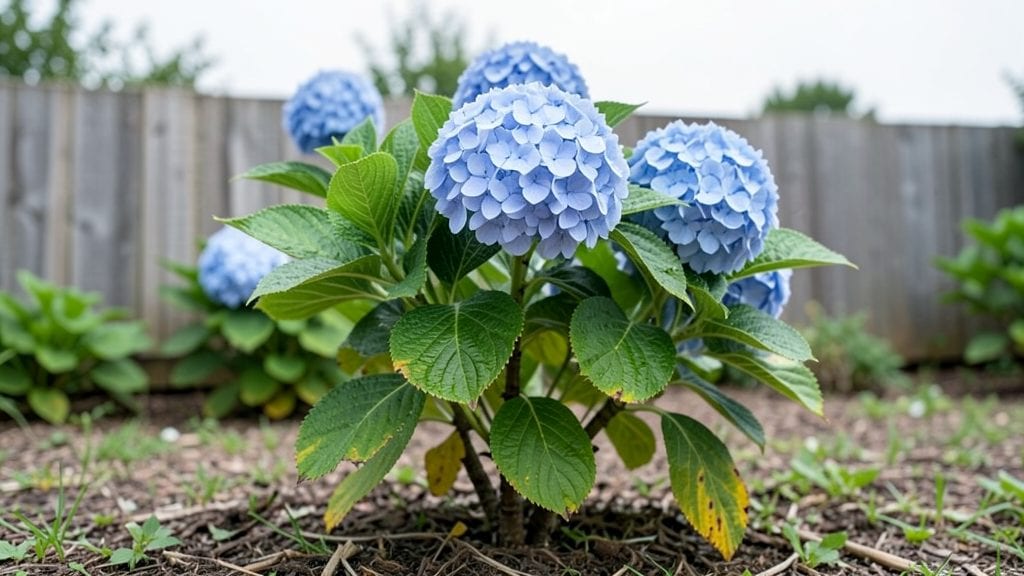
Growing the Blue Diamond flower in the Pacific Northwest means frost-proof blooms that outshine every spring garden. 🌿 I’ve watched mine push through snowmelt and still burst into color by March—something no tender annual could ever do.
The secret lies in its hardiness, but timing and soil prep make all the difference.
This perennial thrives in partial shade, where cooler roots stay happy even as summer sun warms the air. Amend your soil with compost before planting, and space them 18 inches apart—they’ll spread slowly but steadily, rewarding patience with clusters of deep blue blooms from early spring through fall.
Water deeply once a week, letting the soil dry slightly between soakings.
By mid-summer, you’ll notice those signature diamond-shaped petals opening wider, drawing hummingbirds like magnets. Prune back leggy stems after flowering to keep the plant compact, and divide clumps every 3-4 years to prevent overcrowding. The payoff? A garden that stays vibrant when others fade.
Perfect for shaded borders, woodland gardens, or even container growing—just protect young plants from late frosts with a light row cover. Once established, they’re nearly indestructible. Ready to add some PNW-proof color to your landscape?
📚 In This Guide
- What you need
- Instructions
- Tips and common mistakes
- Wrapping up and next steps
What you need
- ● Blue Diamond Hydrangea Plant: 1 mature plant (3–5 gallons in container) or 3–5 bare-root plants for transplanting. Look for healthy, vibrant foliage and firm stems.
- ● Well-draining soil: 5–10 bags (1 cubic foot each) of peat moss or compost mixed with native soil. Aim for a pH of 5.5–6.2 for optimal blue blooms (test kits recommended).
- ● Organic mulch: 2–3 bags of pine bark fines or wood chips (3–4 inches deep) to retain moisture and regulate soil temperature.
- ● Slow-release fertilizer: 1–2 bags of balanced 10-10-10 or acidic hydrangea-specific fertilizer (follow label instructions).
- ● Watering can or hose: With a gentle spray nozzle to avoid damaging delicate blooms.
- ● Garden trowel or spade: For planting and soil amendments.
- ● Pruning shears: Bypass pruners (sterilized with rubbing alcohol) for shaping and deadheading.
- ● pH testing kit: Digital or liquid test kit to monitor soil acidity.
- ● Garden gloves: Heavy-duty to protect against thorns and soil-borne pathogens.
- ○ Support stake or trellis: (Optional) For larger varieties; 4–6 feet tall with soft ties.
- ● Sunlight: Partial shade (4–6 hours of morning sun; afternoon shade in hot summers).
- ● Water source: Consistent access to water (hydrangeas need 1–2 inches per week, more in drought).
- ● Frost-hardy zone: USDA Zones 5–9 (ideal for PNW’s mild winters).
- ● Patience: Blue Diamond hydrangeas may take 1–2 years to reach full bloom potential!
Step-by-Step instructions for cultivating Blue Diamond flowers in the Pacific Northwest
Here's how I get vibrant, frost-tolerant blooms thriving through all four seasons.
🌱 Step 1: Select the Perfect Planting Location
Blue Diamond flowers adore partial shade with morning sun—think dappled light under mature trees or along north-facing walls. In the Pacific Northwest's damp climate, they'll reward you with nonstop blooms if given 4-6 hours of filtered sunlight daily. Avoid full shade spots where flowers may become sparse.
I always check the soil moisture first. If it stays soggy for weeks, amend with 2-3 inches of compost to improve drainage. The key is mimicking their natural woodland habitat—moist but never waterlogged. Test your spot by digging a 6-inch hole; if water pools after 30 minutes, you'll need to raise the bed or mix in perlite.
🪴 Step 2: Prepare Soil and Plant with Care
Mix 3 gallons of high-quality garden soil with 1 gallon of compost and a handful of bone meal for phosphorus—this gives roots a nutrient boost for winter hardiness. Spread the amended soil over a 4-square-foot area where each plant will have 18-24 inches of space to spread.
Dig holes twice as wide as the root ball but only as deep as the container's base. Gently remove the plant from its pot, loosen any circling roots with your fingers, then place it in the hole. The top of the root ball should sit just below soil level—this prevents rot during heavy rains. Backfill with your amended mix and water immediately to settle everything.
☀️ Step 3: Establish Watering and Light Routines
Water deeply once a week during dry spells, aiming for 1-1.5 gallons per plant. You'll know you've watered enough when the soil feels moist 4 inches down—stick your finger in to check. Blue Diamonds are drought-tolerant once established, but young plants need consistent moisture to root deeply.
In winter, cut back to watering every 2-3 weeks unless we get prolonged dry snaps. The Pacific Northwest's mild winters mean these plants rarely need winter protection, but a 2-inch layer of mulch around the base keeps roots insulated. I use shredded bark—it breaks down slowly and improves soil structure over time.
✂️ Step 4: Prune for Continuous Blooms
Deadhead spent blooms every 2-3 weeks by pinching off flowers just above the next set of leaves. This encourages nonstop flowering rather than one big burst. I do this on a sunny morning when the plants are dry—it's easier to see where to cut and reduces disease risk.
In early spring, trim back any leggy stems by one-third to promote bushier growth. Never cut into old wood—look for fresh green growth to guide your pruners. This is also when I fertilize lightly with a balanced 10-10-10 formula to support new foliage. Too much fertilizer leads to lush leaves but fewer flowers, so I use half the recommended dose.
🌿 Step 5: Protect and Maintain Year-Round
Blue Diamonds handle frost beautifully, but a heavy freeze below 15°F might scorch new growth. If your winter forecast predicts extreme cold, drape frost cloth over plants for a few nights—no need to remove it during the day. The plants will bounce back once temperatures rise.
In late summer, I add a top-dressing of compost around the base to replenish nutrients. These plants are heavy feeders, especially in our nutrient-leaching soils. Watch for aphids on new shoots—spray with neem oil if you see sticky residue on leaves. A quick wipe with soapy water usually clears them up before they become a problem.
Tips & tricks for perfect Blue Diamond flower cultivation
These simple secrets will help you grow showstopping Blue Diamond blooms that thrive through Pacific Northwest winters.
Lighting Strategy: Pay close attention to that 4-6 hours of filtered sunlight requirement in Step 1. I've found morning sun works best—it gives plants enough energy without scorching them in afternoon heat. If your garden gets intense afternoon sun, consider using sheer garden fabric to filter the light while still allowing those crucial hours of brightness.
Soil Prep Insight: When mixing your 3 gallons of high-quality garden soil with 1 gallon of compost in Step 2, don't skip the bone meal—it's the secret to winter hardiness. I like to add a handful of worm castings too (optional) for extra microbial activity that helps roots absorb nutrients better. The key is creating that perfect woodland soil texture—light enough to drain but rich enough to hold moisture.
Watering Wisdom: That 4-inch deep moisture check in Step 3 is your best friend. I've learned the hard way that surface watering leads to shallow roots. Use a moisture meter or your finger to verify—if the soil feels dry at 4 inches, it's time to water. For container plants, I add a layer of pebbles at the bottom before soil to improve drainage while maintaining that moisture level.
Pruning Precision: When deadheading every 2-3 weeks in Step 4, use clean, sharp pruners and make cuts just above a leaf node. I've noticed plants that get sheared too close to old wood often produce fewer blooms. Also, save those spent blooms—dry them for winter arrangements or compost them to return nutrients to the soil.
Pro Tips for Blue Diamond Flower
- These simple secrets will help you grow showstopping Blue Diamond blooms that thrive through Pacific Northwest winters.
- Lighting Strategy: Pay close attention to that 4-6 hours of filtered sunlight requirement in Step 1.
- Soil Prep Insight: When mixing your 3 gallons of high-quality garden soil with 1 gallon of compost in Step 2, don't skip the bone meal—it's the secret to winter hardiness.
Frequently asked questions
Got questions about growing blue diamond flowers in your Pacific Northwest garden? You’re not alone! Here are some of the most common queries—plus straightforward answers to help you cultivate these stunning, frost-resistant blooms with confidence.
Can blue diamond flowers grow in containers?
These hardy beauties thrive in containers as long as the pot has drainage holes and is at least 12 inches deep. Use a well-draining soil mix (like 60% potting soil + 30% perlite + 10% compost) and place them in a spot with partial shade to protect roots from intense PNW sun. Just remember to water consistently—containers dry out faster than garden beds.
How cold can blue diamond flowers tolerate?
One of their biggest perks? Zone 5-9 hardiness! They’ll survive (and even thrive) in temperatures down to 10°F (-12°C) without extra protection. In snowy winters, a light layer of mulch around the base helps retain moisture and insulates roots. No need for greenhouses or row covers—just plant and forget (almost)!
Why aren’t my blue diamond flowers blooming?
If your plant is lush but not flowering, it’s likely due to one of three things:
If you’re struggling to locate Hydrangea macrophylla ‘Blue Diamond’ (their botanical name), try these similar frost-resistant PNW bloomers:
From seed to first blooms, expect 2-3 years—but if you start with a 1-gallon potted plant, you’ll see flowers in 1-2 years. Prune after blooming (late summer/early fall) to encourage bushier growth and more abundant flowers next season. Pro tip: Deadhead spent blooms to redirect energy to new buds!
What’s the best alternative if blue diamond flowers are hard to find?
Check local nurseries or online retailers specializing in Pacific Northwest natives.
How long does it take for blue diamond flowers to mature?
Wrapping up and next steps
The Blue Diamond Flower isn’t just a stunning addition to your Pacific Northwest garden—it’s a resilient, year-round beauty that thrives in frost and adds a pop of color to any space. 💎 With the right care, you’ll enjoy its vibrant blooms for seasons to come, proving that gardening can be both rewarding and effortless.
Ready to transform your outdoor (or indoor!) oasis? Start by picking a spot that gets partial shade, gather your supplies, and dive in—your garden (and future neighbors) will thank you! 🌿