
Flowers
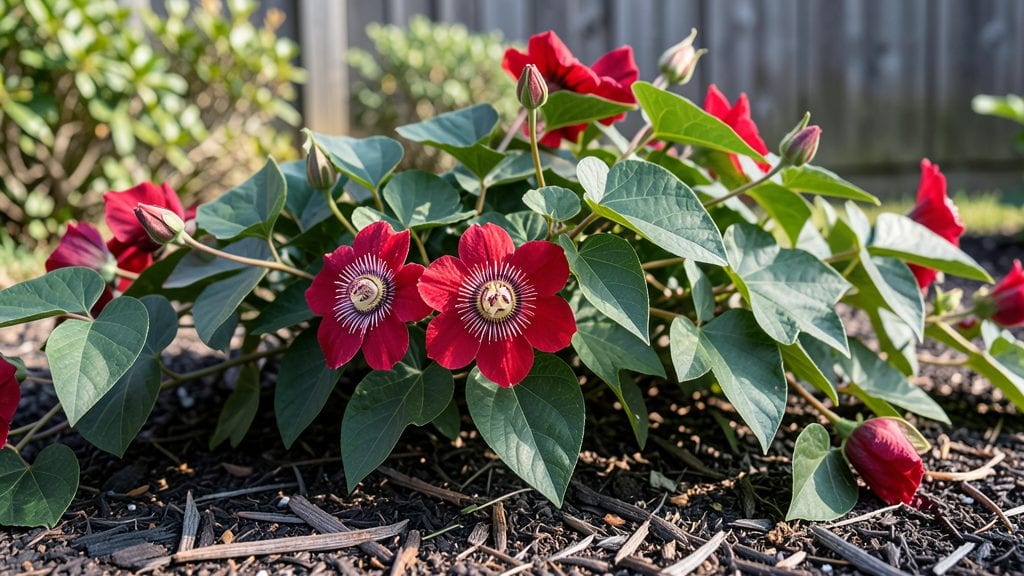
Growing the Ruby Glow passion flower means transforming your garden into a hummingbird haven with year-round blooms that glow like molten copper. 🌿 I fell for this variety after seeing how its deep red flowers stood out against the green foliage—it’s not just pretty, it’s a powerhouse for pollinators and a conversation starter in any yard.
The secret to its success lies in mimicking its natural tropical habits, even in cooler climates.
This passion flower thrives in full sun to partial shade, making it adaptable to different garden spots. Well-draining soil rich in organic matter is key—think compost mixed into your native soil—and it handles heat and humidity beautifully.
Water consistently but avoid soggy roots, as this plant despises wet feet. With the right conditions, you’ll see those striking blooms appear from late spring through fall, with occasional winter flowers in warmer zones.
Pruning in late winter keeps the plant compact and encourages more flowers, while regular feeding with a balanced fertilizer ensures vibrant growth. The real magic happens when hummingbirds discover your garden—they’ll return daily for the nectar, and you’ll get the bonus of edible (though tart) fruit in late summer.
Just watch for spider mites and aphids, which occasionally target this showstopper.
Perfect for trellises, fences, or even as a container plant in warmer climates, Ruby Glow passion flower brings drama and pollinator power to any space. Let’s get your garden buzzing with color and life—here’s how to make it happen.
📚 In This Guide
- What you need
- Instructions
- Tips and common mistakes
- Wrapping up and next steps
What you need
- ● Ruby Glow Passion Flower Plants: 1-3 nursery-grown vines (choose healthy, disease-free specimens with at least 3-4 mature leaves).
- ● Well-Draining Potting Mix: 10-15 lbs (for containers) or amend garden soil with: 50% native soil
- ● 30% compost
- ● 20% perlite or coarse sand (for aeration)
- ● Support Structure: For containers: A 6-8 ft trellis or obelisk (metal or wood)
- ● For ground planting: A sturdy fence, pergola, or arbor (vines can grow 15-20 ft!)
- ● Fertilizer: Balanced 10-10-10 fertilizer (1 lb per plant at planting)
- ● Slow-release organic fertilizer (e.g., worm castings or fish emulsion)
- ● Mulch: 2-3 inches of shredded bark or straw to retain moisture.
- ● Gardening Gloves (to protect hands from thorns and soil).
- ● Trowel or Spade (for digging holes or containers).
- ● Pruners or Shears (sterilized, for trimming vines).
- ● Watering Can or Hose with a gentle spray nozzle.
- ○ pH Test Kit (optional but helpful—ideal soil pH: 6.0-7.0).
- ● Sunlight Spot: Full sun (6+ hours/day) or light shade (morning sun + afternoon shade in hot climates).
- ○ Hummingbird-Friendly Extras (Optional): Red feeder or sugar water station (1:4 sugar-to-water ratio)
- ● Native companion plants (e.g., fuchsias, salvias) to attract pollinators.
Step-by-Step guide to growing Ruby Glow passion flower
This vibrant climber thrives with the right balance of sun, support, and patience.
🌱 Step 1: Choose the Perfect Planting Spot
Ruby Glow passion flowers love warmth and need at least 6-8 hours of direct sunlight daily. A south-facing wall or fence works best—this variety blooms most prolifically when basking in full sun. I always test the spot first by observing how much sunlight it gets over a week before planting.
If your location gets intense afternoon sun, provide some afternoon shade during summer's peak heat. The plant can handle it, but the leaves will stay healthier and produce more blooms if protected from scorching. You'll notice the leaves turn a deeper, richer green when they're happy in their spot.
☀️ Step 2: Prepare the Soil and Plant
Passion flowers thrive in well-draining, slightly acidic soil with a pH between 6.0-7.0. Amend your garden soil with 2-3 inches of compost mixed into the top 12 inches of soil before planting. This variety is forgiving but responds beautifully to fertile ground.
Dig a hole twice as wide as the root ball but only as deep as the container it came in. Gently remove the plant from its nursery pot and place it in the hole, backfilling with soil while pressing lightly to remove air pockets. Water deeply right after planting to help settle the roots.
🪴 Step 3: Provide Strong Support Structure
Ruby Glow passion flowers are vigorous climbers that need sturdy support to reach their full potential. Install a 6-foot tall trellis, arbor, or strong fence near your planting spot before the plant arrives. I prefer metal or heavy-duty wooden structures—they last longer and handle the plant's weight better.
Train the main vine along the support structure using soft plant ties or twine. As new growth appears, gently weave the tendrils around the support. The plant will naturally cling to the structure as it grows, but you'll need to guide it until it establishes a good grip. This variety can grow 15-20 feet in ideal conditions.
💧 Step 4: Water and Fertilize for Continuous Blooms
Keep the soil consistently moist but never soggy. Water deeply 2-3 times per week during the growing season, allowing the top 2 inches of soil to dry out between waterings. You'll know it's time to water when the soil feels dry to touch about an inch below the surface.
Feed your Ruby Glow passion flower with a balanced, water-soluble fertilizer (10-10-10) every 4-6 weeks during the growing season. This encourages lush foliage and abundant blooms. I always fertilize right after a deep watering to prevent root burn. Stop fertilizing in late summer to allow the plant to prepare for winter.
✂️ Step 5: Prune and Maintain Year-Round
Prune in late winter or early spring before new growth begins. Remove any dead, diseased, or crossing branches first. Then cut back any leggy growth by one-third to encourage bushier growth. This variety blooms on new wood, so regular pruning keeps it flowering beautifully.
Deadhead spent blooms regularly to encourage more flowers. The plant will continue blooming throughout the season if you keep it well-maintained. In colder climates, protect the plant with a thick layer of mulch around the base and consider wrapping the support structure with burlap for winter protection.
Tips & tricks for perfect Ruby Glow passion flower growth
Here's what I've learned after growing these stunning climbers for years—these tricks will help you avoid common pitfalls and get the most vibrant blooms.
Sunlight Strategy: In Step 1, when testing your planting spot, look for areas where sunlight hits between 9 AM and 3 PM. Morning sun is gentler, while afternoon sun provides the intensity Ruby Glow needs for those deep red blooms. I've found that spots with dappled shade in peak summer heat still give excellent results while protecting leaves from scorching.
Soil Preparation Secret: For Step 2, don't just add compost—mix in a handful of worm castings with your 2-3 inches of compost. The extra nutrients help establish strong roots faster. I've seen plants with worm castings bloom 3-4 weeks earlier than those without. Also, test your soil pH before planting—if it's outside 6.0-7.0, you'll need to amend with sulfur or lime to create the perfect acidic environment.
Support System Hack: When installing your 6-foot support in Step 3, consider adding a secondary trellis on the opposite side as the plant grows. Ruby Glow vines can become top-heavy with flowers, and this prevents the structure from tipping. I've had to replace flimsy wooden trellises after just one season—they couldn't handle the weight when fully blooming.
Watering Wisdom: In Step 4, the key to that 2-3 times weekly watering is consistency. I set a reminder on my phone for every other day to check soil moisture. The top 2 inches should feel like a wrung-out sponge—not bone dry, not dripping wet. Overwatering is the #1 reason I've seen passion flowers develop root rot and fail to bloom.
Pro Tips for Ruby Glow Passion Flower
- Here's what I've learned after growing these stunning climbers for years—these tricks will help you avoid common pitfalls and get the most vibrant blooms.
- Sunlight Strategy: In Step 1, when testing your planting spot, look for areas where sunlight hits between 9 AM and 3 PM.
- Soil Preparation Secret: For Step 2, don't just add compost—mix in a handful of worm castings with your 2-3 inches of compost.
Frequently asked questions
Got questions about growing Ruby Glow Passion Flower? You’re not alone! Here are some of the most common queries—plus quick answers to help you cultivate this stunning, hummingbird-loving beauty with confidence.
How fast does Ruby Glow Passion Flower grow, and when can I expect blooms?
Ruby Glow is a vigorous grower, often climbing 10–15 feet per year with proper support. In ideal conditions (full sun, well-draining soil, and consistent moisture), you can expect year-round blooms starting in the first year, though heavy flowering typically peaks in spring and fall. Patience pays off—some gardeners report lush flowers within 6–12 months!
Why aren’t hummingbirds visiting my Ruby Glow Passion Flower?
Hummingbirds adore Ruby Glow, but a few factors might deter them: lack of nectar (ensure it’s blooming), poor placement (plant near feeders or sunny spots), or predators (like spiders). Try pruning lightly to encourage more flowers, adding a hummingbird feeder nearby, and avoiding pesticides. Pro tip: Red flowers attract them best—so deadhead spent blooms to prompt new growth!
Can Ruby Glow Passion Flower survive winter in cold climates?
This tropical beauty thrives in USDA Zones 9–11, but with care, it can survive brief dips to 20°F. In colder areas (Zone 8 or below), grow it as an annual or winter it indoors near a sunny window. Mulch heavily before frost, and prune back in late winter to protect tender growth. For container growers, move pots indoors before temperatures drop below 40°F.
What’s the best alternative if Ruby Glow Passion Flower doesn’t thrive in my garden?
If your climate or conditions aren’t ideal, consider these hummingbird-friendly, cold-hardy alternatives:
- Passiflora caerulea (Blue Passion Flower) – Hardy to Zone 5, blooms spring–fall.
- Salvia ‘May Night’ – Thrives in Zones 5–9, produces tubular red flowers.
- Fuchsia – Loves shade, blooms year-round in Zones 9–11 (or as a houseplant).
- Coral Honeysuckle (Lonicera sempervirens) – Hardy to Zone 4, drought-tolerant.
Each offers nectar-rich blooms and attracts pollinators!
My Ruby Glow leaves are yellowing—what’s wrong?
Yellowing leaves usually signal overwatering, poor drainage, or nutrient deficiency. Check these fixes:
- Soil test: Ensure it’s well-draining (mix in perlite or sand if heavy).
- Watering habits: Let the top 1–2 inches dry between waterings.
- Fertilizer: Feed with a balanced, water-soluble fertilizer (10-10-10) every 4–6 weeks in growing season.
- Pests: Inspect for aphids or spider mites (spray with neem oil if needed).
Adjust care, and your plant should bounce back in 2–4 weeks!
Wrapping up and next steps
Growing Ruby Glow Passion Flower is a rewarding journey that brings vibrant blooms, hummingbird visitors, and year-round beauty to your garden. 🌸 With the right care—sunlight, well-draining soil, and patience—you’ll enjoy a thriving vine that’s as stunning as it is low-maintenance.
Whether you’re a seasoned gardener or just starting out, this plant proves that passion pays off!
Ready to transform your space? Start small—plant a single vine in a pot or along a trellis—and watch it grow into a breathtaking centerpiece. Share your progress with fellow plant lovers, and soon, you’ll be the go-to expert for Ruby Glow magic in your neighborhood!