
Succulent
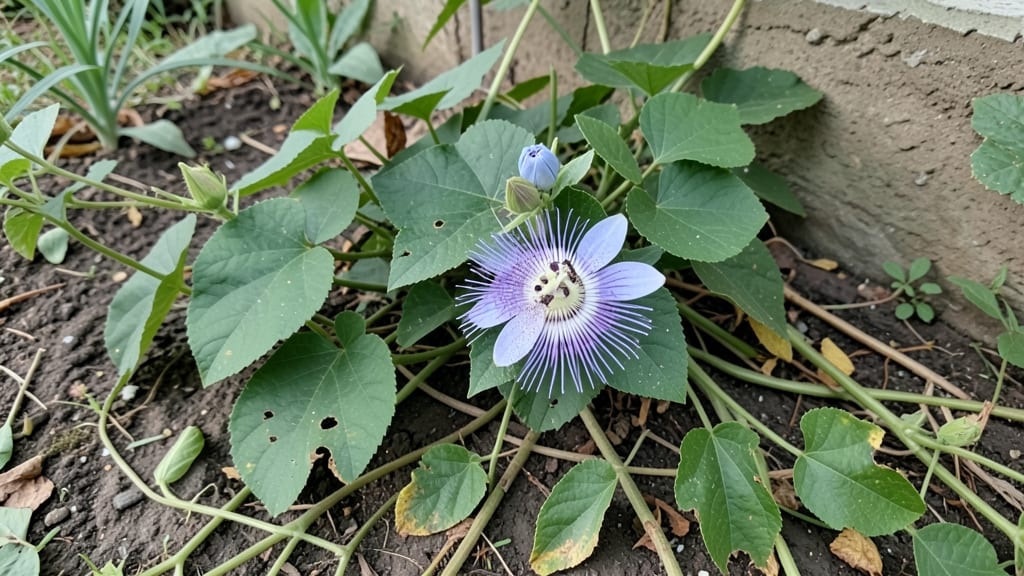
Growing blue crown passionflower means welcoming hummingbirds year-round with its frost-resistant vines and delicate blooms. 🌿 I fell for this plant after seeing it thrive in my Zone 5 garden through winter's chill—something most passionflowers can't handle.
The secret lies in its hardiness, but it still needs the right conditions to really shine.
The plant thrives in well-draining soil and full sun, though it tolerates partial shade in hotter climates. A sturdy trellis or fence gives its vines room to climb, while containers work for smaller spaces.
Watering is simple: keep the soil consistently moist but never soggy, especially during its first growing season. Once established, it's surprisingly drought-tolerant.
You'll be rewarded with clusters of exotic blue-violet flowers that bloom from late spring through fall, and sometimes even winter in mild climates. The edible fruit adds a bonus—though it's tart and not everyone's cup of tea.
The real magic? Hummingbirds can't resist these flowers, turning your garden into a lively feeding station.
Pruning in early spring keeps the plant compact and encourages more blooms, while cutting back leggy growth in late summer prevents winter damage. Even beginners can master this plant—it's forgiving, beautiful, and a true garden workhorse. Ready to grow yours?
📚 In This Guide
- What you need
- Instructions
- Tips and common mistakes
- Wrapping up and next steps
What you need
- ● Blue Crown Passionflower Seeds or Nursery Plants: 3–5 seeds (if starting from scratch) or
- ● 1–2 healthy nursery-grown plants (for faster blooms!)
- ● Well-Draining Potting Mix: 50% cactus/succulent mix
- ● 30% perlite or pumice (for aeration)
- ● 20% compost or worm castings (for nutrients)
- ● Containers: 5–7 gallon pots (with drainage holes) or
- ● A raised bed (if planting outdoors in zones 6–10)
- ● Fertilizer: Balanced 10-10-10 or 20-20-20 liquid fertilizer (diluted to half-strength)
- ● Gloves & Pruners (sterilized with rubbing alcohol)
- ● Trowel or Spade (for transplanting)
- ● Watering Can or Hose with Adjustable Nozzle
- ○ Mulch (Optional but Helpful): Wood chips or straw (to retain moisture and regulate soil temp)
- ○ Trellis or Support Structure (Optional): 4–6 ft tall metal or wooden trellis (vines can grow 10–15 ft!)
- ● Frost Protection (Zones 5 & Below): Burlap wraps or frost cloth (for winter hardiness)
Step-by-step guide to planting blue crown passionflower
Here’s how to establish this hardy vine for maximum blooms and hummingbird visits.
🌱 Step 1: Choose the Perfect Planting Spot
Blue crown passionflower thrives in full sun to partial shade, with at least 6 hours of direct sunlight daily. I always pick a location with a sturdy trellis or fence nearby—this vine can grow 15-20 feet tall in a single season. The soil should drain well but retain moisture; amending heavy clay with 2-3 inches of compost improves aeration.
Here’s the thing—this plant tolerates a wide range of soil types, but it won’t perform well in soggy ground. If your yard stays wet after rain, plant on a slight mound or in raised beds. Test the spot by digging a 6-inch hole—if water pools after 30 minutes, move to higher ground.
🪴 Step 2: Prepare the Soil for Optimal Growth
Passionflowers aren’t fussy, but they reward you for good prep. Work 3-4 inches of compost into the top 12 inches of soil to boost organic matter. I also add a handful of bone meal for phosphorus—this vine needs strong roots to support its weight and blooms. Mix everything thoroughly so the soil looks uniformly dark and crumbly.
Don’t skip this step. Poor soil leads to leggy vines with fewer flowers. You’ll know you’ve done it right when the soil holds together when squeezed but breaks apart easily with gentle pressure. If your soil is sandy, add 1 part peat moss to every 3 parts soil to help retain moisture.
☀️ Step 3: Plant with Proper Spacing and Support
Dig a hole twice as wide as the root ball but no deeper. Gently remove the plant from its container and loosen any circling roots with your fingers—this prevents girdling as the vine matures. Place it in the hole so the top of the root ball sits 1 inch below soil level; passionflowers need good root contact for stability.
Install your trellis or support structure 6-12 inches behind the planting hole. I use a 6-foot tall metal trellis for mine—it’s sturdy enough to handle the weight of mature vines. Space multiple plants 8-10 feet apart to prevent overcrowding, which reduces airflow and invites fungal diseases.
💧 Step 4: Water Deeply and Establish a Routine
The first watering is critical. After planting, water deeply until the soil is 8-10 inches wet. You’ll know it’s enough when water runs out of the bottom of the hole. Mulch with 2-3 inches of wood chips around the base to retain moisture and suppress weeds—this plant hates competition.
Water 2-3 times per week for the first month, then taper to once weekly once established. Here’s a trick: water at the base rather than overhead. This prevents fungal issues on the leaves and keeps blooms cleaner for hummingbirds. You’ll see new growth within 3-4 weeks if moisture is right.
✂️ Step 5: Prune for Health and Abundant Blooms
Prune in early spring to remove dead or crossing branches. I cut back any stems that died back to the ground in winter—this plant is surprisingly cold-hardy and will regrow from the base. Leave 3-4 strong canes to encourage robust growth; more canes mean fewer flowers per stem.
Deadhead spent blooms regularly to redirect energy into new flowers. You’ll notice clusters of violet-blue flowers appearing throughout the season—this is your reward for good care. In fall, cut back any weak growth but leave 6-8 inches of stem to protect the crown through winter.
Tips & tricks for perfect blue crown passionflower planting
Between us, these simple strategies will help you transform your yard into a hummingbird haven with vibrant blooms all season long.
Sunlight Strategy: While the instructions call for full sun to partial shade, I've found that morning sun with afternoon shade in hot climates produces the most vibrant blooms. The 6 hours of direct sunlight should be concentrated in the cooler morning hours to prevent leaf scorch. If your yard has afternoon shade, position the trellis to catch those morning rays first.
Soil Test Tip: Before amending your soil with the 3-4 inches of compost and bone meal, do a simple pH test. Blue crown passionflowers prefer slightly acidic to neutral soil (pH 6.0-7.0). If your soil tests higher than 7.0, mix in 1 part sulfur to 10 parts soil to adjust the pH before planting. This simple adjustment can double your flower production.
Trellis Placement: When installing your support structure 6-12 inches behind the planting hole, consider using a flexible trellis system that can grow with the vine. I've seen rigid metal trellises bend under the weight of mature vines. A 6-foot tall wooden lattice or cable trellis system provides better support and allows the vine to climb naturally without stressing the stem.
Watering Hack: The instructions mention watering until the soil is 8-10 inches wet, but here's what nobody tells you—use a soil moisture meter to verify. Stick it 6 inches deep after watering; you want the reading to be between 40-60% moisture. This prevents both underwatering and overwatering, both of which stress the plant. In containers, you'll need to water more frequently—check the meter daily during the first month.
Pro Tips for Blue Crown Passionflower
- Between us, these simple strategies will help you transform your yard into a hummingbird haven with vibrant blooms all season long.
- Sunlight Strategy: While the instructions call for full sun to partial shade, I've found that morning sun with afternoon shade in hot climates produces the most vibrant blooms.
- Soil Test Tip: Before amending your soil with the 3-4 inches of compost and bone meal, do a simple pH test.
Frequently asked questions
How cold-hardy is blue crown passionflower?
This frost-resistant beauty handles temperatures down to 10°F (-12°C) once established—perfect for USDA zones 7-11! Young plants may need winter protection (like mulch or row covers) their first year. Pro tip: Plant in spring after the last frost for a head start!
When does blue crown passionflower bloom?
Expect year-round blooms in mild climates, but peak flowering occurs in spring and fall when conditions are ideal. Hummingbirds will visit daily during these seasons! Overly hot summers might slow blooming—keep soil consistently moist to encourage flowers.
Can I grow blue crown passionflower in containers?
Use a 15+ gallon pot with drainage holes and a well-draining mix (like cactus/succulent soil). Repot every 2-3 years to refresh nutrients. Warning: Containers dry out faster—water deeply when the top inch feels dry.
What pests should I watch for?
Common issues include aphids, spider mites, and whiteflies. Spray infested areas with neem oil or insecticidal soap weekly until pests vanish. For prevention, encourage ladybugs (natural predators) by planting nearby herbs like dill or fennel.
What’s a good alternative if I can’t grow blue crown passionflower?
Try these hummingbird-friendly, frost-tolerant picks:
- Butterfly bush (Buddleja) – Drought-tolerant, long blooms
- Coral honeysuckle (Lonicera sempervirens) – Vine with tubular flowers
- Salvia (Salvia microphylla) – Cold-hardy, purple blooms
Wrapping up and next steps
Growing blue crown passionflower isn’t just about adding beauty to your garden—it’s about creating a thriving ecosystem that hummingbirds and pollinators will adore! 🌸 With its frost-hardy nature and year-round blooms, this plant is a low-maintenance superstar for any space.
Whether you're a seasoned gardener or just starting out, the rewards of nurturing this vibrant vine are well worth the effort.
Ready to take the next step? Start by selecting a sunny spot in your garden, gather your supplies, and get planting! Watch as your blue crown passionflower transforms into a lush, blooming magnet for wildlife—you’ve got this! 🌿✨