
Flowers
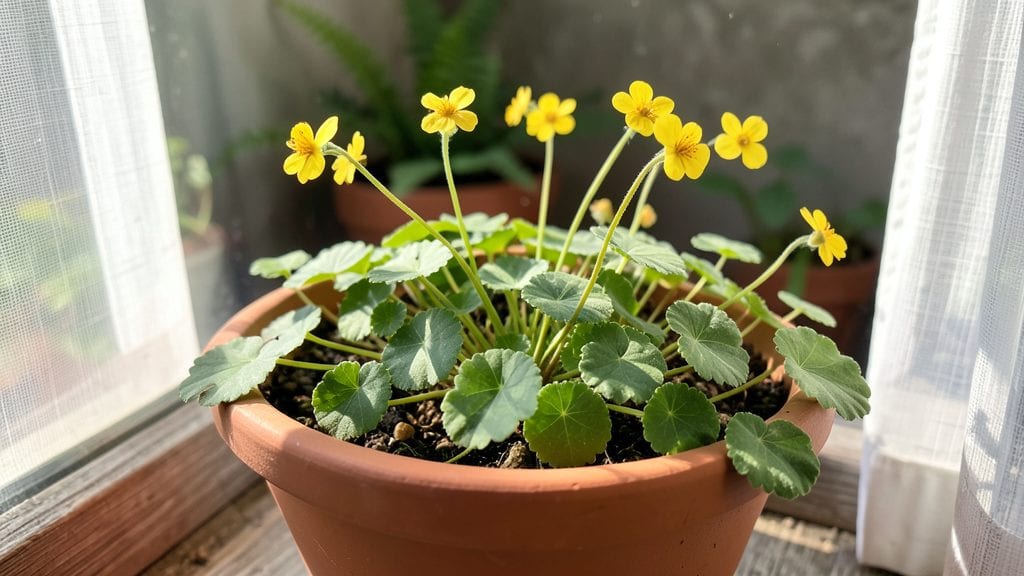
Growing yellow wood sorrel flowers—those bright bursts of sunshine in shady corners—has become my Pacific Northwest secret weapon. 🌿 The moment I spotted their cheerful blooms peeking through ferns, I knew this was the plant for understory gardens where most flowers refuse to thrive.
They don’t just survive shade—they thrive in it, turning dull corners into vibrant pockets of color with almost no effort.
Here’s the thing—yellow wood sorrel loves what most plants dread: acidic, well-draining soil and dappled shade that mimics its native woodland home. Plant it in spring or early fall, and within weeks, you’ll see those signature yellow flowers popping up like tiny suns.
The care routine is shockingly simple: water when the top inch of soil feels dry, and watch it spread gently into a lush ground cover. Perfect for gardeners who want beauty without the fuss of high-maintenance blooms.
📚 In This Guide
- What you need
- Instructions
- Tips and common mistakes
- Wrapping up and next steps
What you need
- ● Yellow Wood Sorrel Seeds or Plants: 10–20 seeds (or 3–5 nursery-grown plants) for a small patch. Choose Oxalis stricta or Oxalis oregana for PNW suitability.
- ● Well-Draining Potting Mix or Soil: 5–10 gallons of acidic, organic-rich soil (pH 5.0–6.5). Mix in peat moss or compost (1 part peat to 2 parts garden soil) for ideal conditions.
- ○ Containers (Optional for Starts): 4–6-inch pots with drainage holes if starting indoors. Use terracotta or plastic nursery pots.
- ● Garden Gloves (nitrile-coated for durability).
- ● Hand Trowel or Transplant Spade (for digging and dividing clumps).
- ● Watering Can or Hose with Gentle Nozzle (avoid overhead watering to prevent fungal issues).
- ○ Mulch (Optional but Recommended): 2–3 inches of pine needles, wood chips, or shredded leaves to retain moisture and acidity.
- ● A shady to partially shaded spot (dappled sunlight or <6 hours of direct sun daily).
- ● Patience! Seeds may take 2–4 weeks to germinate; established plants spread slowly but reliably.
- ● Consistent moisture (wood sorrel dislikes drought but hates soggy soil—balance is key!).
Step-by-Step instructions for cultivating yellow wood sorrel in shady spots
Here's how to coax these vibrant blooms to thrive where others falter.
🌱 Step 1: Select the Perfect Planting Site
Yellow wood sorrel adores dappled shade to partial sun, making it ideal for Pacific Northwest understories. Look for spots with 3-6 hours of filtered light daily—think beneath deciduous trees or along north-facing foundations. The plant's natural habitat thrives in acidic, well-draining soil with a pH between 5.0-6.5. Test your soil first; if it's alkaline, amend with peat moss or sulfur before planting.
Here's the thing—this plant despises soggy roots. If your soil drains poorly, mix in coarse sand or perlite to create air pockets. I always dig a 6-inch deep hole that's twice as wide as the root ball, which gives those delicate roots room to spread without competition. The first sign you've chosen well? Bright, healthy foliage within 3-4 weeks of planting.
🪴 Step 2: Plant with Care in Early Spring or Fall
Timing matters for wood sorrel. Plant 4-6 weeks before your last frost or in early fall to avoid summer heat stress. Gently remove the plant from its container and loosen any circling roots—this prevents root-bound shock. Place it in the hole so the top of the root ball sits level with the surrounding soil (burying too deep causes rot).
Backfill with native soil mixed with 1 part compost to give it a nutrient boost. Water deeply right after planting until moisture reaches 6 inches down. You'll know it's right when the soil looks evenly damp but not saturated. The first true leaves should appear within 2-3 weeks—watch for them emerging in a rosette pattern.
☀️ Step 3: Maintain Moisture and Mulch Strategically
Wood sorrel needs consistent moisture but hates wet feet. Water once weekly during dry spells, aiming for 1 inch of water per week. Check by sticking your finger 1 inch into the soil—if it feels dry, it's time to water. Mulch with 2-3 inches of shredded bark or pine needles to retain moisture and mimic its forest floor habitat. This also suppresses weeds, which compete for nutrients.
Real talk: Overwatering is the #1 killer of wood sorrel. If leaves turn yellow or mushy, you're watering too much. The plant should feel lightly crisp when pinched—like a well-read book, not a soggy sponge. Fertilize lightly in spring with balanced 10-10-10 at half-strength. Too much fertilizer causes weak growth and fewer blooms.
✂️ Step 4: Encourage Blooms and Divide as Needed
Yellow wood sorrel blooms best when happy. Deadhead spent flowers in late spring to encourage more vibrant blooms through summer. The plant self-seeds readily, so thin seedlings to 6-12 inches apart to prevent overcrowding. If your patch looks congested after 3-4 years, divide in early spring by digging up clumps and splitting them with a sharp knife. Replant divisions immediately.
This is the moment that matters: Watch for bright yellow flowers appearing in early summer. They're pollinator magnets—bees and butterflies will thank you. If blooms are sparse, your plant might need more light (but never full sun). A little afternoon shade keeps foliage lush and flowers prolific.
Tips & tricks for perfect yellow wood sorrel cultivation
Common pitfalls—and how to sidestep every one—when growing these cheerful woodland flowers.
Soil Science Matters: That 5.0-6.5 pH range is non-negotiable for wood sorrel. If you're unsure about your soil's acidity, pick up a simple pH test kit from your garden center—it's cheaper than losing a whole plant. I've seen gardeners swear by coffee grounds as a natural acidifier, but the results are inconsistent. For reliable acidification, stick with the peat moss or sulfur amendments specified in Step 1. The difference between thriving plants and sad, yellowing leaves often comes down to this single factor.
Light Balance is Key: Those 3-6 hours of filtered light are crucial—more than that risks scorching the delicate foliage, while less means sparse blooms. In my experience, the best spot is often where morning sun gives way to afternoon shade. If you're planting near a large tree, choose the east side where dappled light dominates. Watch for the first signs of stress: leaves curling or turning pale yellow mean it's getting too much sun, while leggy growth signals insufficient light.
Watering Wisdom: The "1 inch per week" guideline works perfectly in most Pacific Northwest climates, but timing matters just as much as quantity. Water in the morning so foliage has time to dry before evening—this prevents fungal issues that can rot those tender leaves. I've learned the hard way that afternoon watering leads to soggy plants by nightfall. And remember: that 1-inch measurement is cumulative, not per watering session. One deep watering that saturates 6 inches down is better than multiple shallow drinks.
Dividing Strategy: When your wood sorrel reaches that 3-4 year mark and starts looking congested, don't wait until it's completely overgrown to divide. I've seen plants recover beautifully when split in early spring, but neglected clumps can become too tangled. Use a sharp knife to cleanly separate the roots—this minimizes damage to both the parent plant and your new divisions. Replant immediately so the roots don't dry out during the transition. The first flush of new growth after dividing is always the most vigorous!
Pro Tips for Yellow Wood Sorrel Flower
- Common pitfalls—and how to sidestep every one—when growing these cheerful woodland flowers.
- Soil Science Matters: That 5.0-6.5 pH range is non-negotiable for wood sorrel.
- Light Balance is Key: Those 3-6 hours of filtered light are crucial—more than that risks scorching the delicate foliage, while less means sparse blooms.
Frequently asked questions
Got questions about growing yellow wood sorrel? You’re not alone! Here are some of the most common queries—plus straightforward answers to help you cultivate this vibrant, shade-loving beauty with ease.
Is yellow wood sorrel easy to grow in the Pacific Northwest?
This plant thrives in the PNW’s cool, moist climate and acidic, well-drained soils—perfect for shaded gardens or woodland edges. Just avoid waterlogged spots, and it’ll reward you with cheerful blooms from spring to early summer. Pro tip: Mulch lightly to retain moisture and mimic its natural forest habitat.
How long does it take for yellow wood sorrel to flower?
With patience, you’ll see those bright yellow blooms within 6–12 weeks of planting, depending on conditions. Start seeds indoors 4–6 weeks before your last frost, or transplant young plants in early spring. Bonus: Deadheading spent flowers encourages a second flush of blooms!
Can I grow yellow wood sorrel in containers?
Yes! Use a 10–12-inch pot with acidic potting mix (add peat moss or pine needles) and ensure it drains well. Place in partial shade and water consistently—containers dry out faster than garden beds. Warning: Avoid overcrowding; sorrel spreads slowly but steadily.
Are yellow wood sorrel flowers toxic to pets or humans?
While non-toxic to humans, all parts of wood sorrel (leaves, flowers, stems) contain oxalic acid, which can irritate pets’ mouths or stomachs if ingested in large amounts. Keep it away from curious cats/dogs, and never consume raw leaves—they’re tart and can cause mild digestive upset.
What’s the best alternative if yellow wood sorrel won’t grow in my garden?
Try these shade-tolerant, acidic-soil-loving flowers:
- Virginia bluebells (Mertensia virginica) – Delicate bell-shaped blooms in spring.
- Bleeding heart (Dicentra spectabilis) – Heart-shaped flowers and lush foliage.
- Heuchera (coral bells) – Stunning foliage + clusters of tiny flowers.
Wrapping up and next steps
The yellow wood sorrel flower is a charming, low-maintenance gem perfect for Pacific Northwest gardeners craving shade-friendly beauty. With its vibrant blooms and adaptability to acidic, moist soil, it’s a resilient choice that thrives where others falter.
Whether you’re a seasoned gardener or a curious beginner, this little plant delivers big rewards with minimal effort.
Ready to brighten your garden? Grab your gloves, pick a shady spot, and plant a few this season—your future woodland garden will thank you! 🌿✨