
Trees
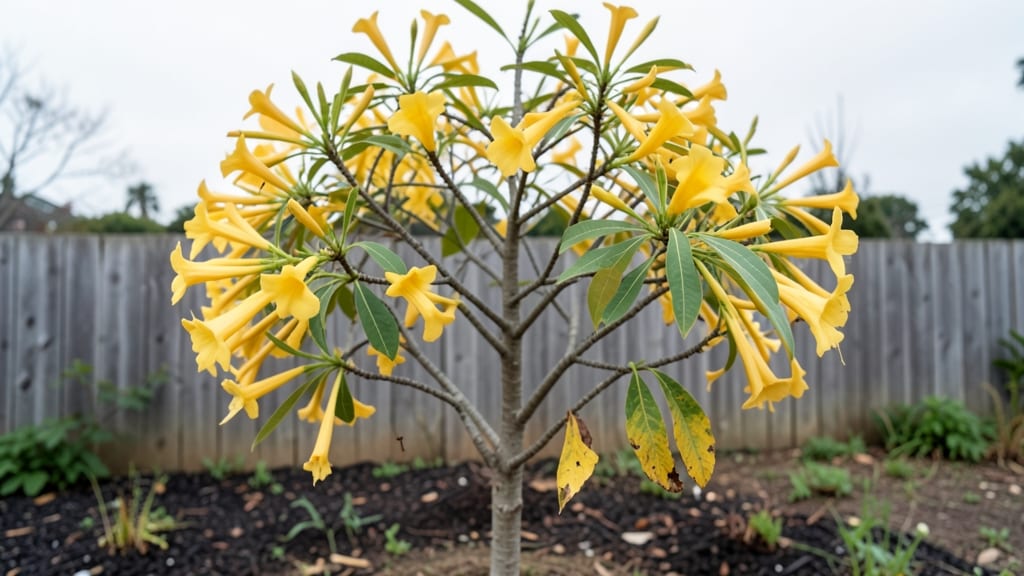
Planting a yellow-flowering tree in Florida isn't just about beauty—it's about transforming your yard into a sun-drenched paradise that thrives in humidity. 🌿 The Golden Rain Tree or Yellow Jessamine could be your secret weapon, their vibrant blooms attracting pollinators while adding year-round interest.
My first year growing these, I learned they handle Florida's heat better than most imported varieties, with some even tolerating brief droughts once established.
These sun-loving trees need well-draining soil and at least 6 hours of sunlight daily, but they're surprisingly low-maintenance once planted. The key is choosing the right spot—avoid soggy areas where roots might rot—and giving them a good 3-4 inch layer of mulch to retain moisture.
Florida's pests can be tricky, but these varieties tend to resist common issues like aphids and scale, making them a gardener's dream for our climate.
You'll love watching them burst into bloom—some varieties like the Golden Rain Tree shower entire neighborhoods with yellow flowers in spring, while others like Yellow Jessamine offer fragrant climbers perfect for trellises.
The foliage stays lush year-round, providing shade while keeping that cheerful golden hue. With proper care, these trees can live for decades, becoming the centerpiece of your landscape.
Whether you're planting in your backyard, lining a driveway, or adding vertical interest to a fence, these yellow-flowering trees adapt beautifully to Florida's varied conditions. The only real mistake? Waiting too long to plant one—your yard will thank you for years to come.
📚 In This Guide
- What you need
- Instructions
- Tips and common mistakes
- Wrapping up and next steps
What you need
- ● Tree sapling or seeds: 1-2 Tabebuia caraiba (Yellow Trumpet Tree) or Cassia fistula (Golden Shower Tree) saplings (3-5 ft tall for faster blooms).
- ● OR 5-10 seeds (if starting from scratch—germination can take 2-4 weeks!).
- ● Well-draining soil: Mix 1 part native Florida soil with 1 part compost and 1 part perlite/sand (for sandy soil areas).
- ● Organic mulch: 2-3 inches of pine bark fines or wood chips (to retain moisture and regulate temperature).
- ● Slow-release fertilizer: 10-10-10 or balanced organic fertilizer (e.g., 1 lb per tree at planting time).
- ● Shovel or tree planting spade (for digging holes 2x wider than the root ball).
- ● Garden hose or watering can (with a spray nozzle for gentle watering).
- ● Pruning shears (for trimming dead branches post-planting).
- ● Gloves (to protect hands from thorns or rough bark).
- ○ Optional but helpful: Soil pH test kit (ideal range: 6.0-7.0 for most yellow-flowering trees).
- ● Tree stake + soft tie (if planting in windy areas).
- ● Drip irrigation kit (for low-maintenance watering in humid climates).
- ● Sunlight: Full sun (6+ hours/day)—these trees thrive in Florida’s heat! 🌴
- ● Space: Minimum 15-20 ft of clearance (some varieties grow 20-30 ft tall).
- ● Water access: A nearby garden hose or irrigation system.
- ● Patience: Yellow blooms may take 2-5 years to appear (depending on the species and growing conditions).
Step-by-step guide for planting and cultivating a vibrant yellow flower tree in Florida
Here's how to establish a sun-loving yellow-flowering tree in Florida's heat and humidity.
🌱 Step 1: Choose the Right Location and Prepare the Soil
Select a site with full sun exposure (6+ hours daily)—these trees thrive in Florida's intense light. Avoid low spots where water pools, as their roots despise soggy conditions. I like to test drainage first by digging a 12-inch deep hole and filling it with water; if it drains within an hour, you're good to go.
Amend the native soil with 3 inches of compost mixed into the top 12 inches of soil. Florida's sandy soils often lack organic matter, so this boosts nutrient retention. Work the compost in gently—don't over-till, as it disrupts beneficial soil microbes. The goal is loose, well-aerated soil that mimics their natural habitat.
🪴 Step 2: Plant at the Correct Depth and Stake for Support
Dig a hole twice as wide as the root ball but only as deep—planting too deep suffocates the tree. Gently remove the tree from its container and loosen any circling roots with your fingers. Place it in the hole so the top of the root ball sits 1 inch above ground level—this prevents stem rot in Florida's damp climate.
Backfill with native soil (no amendments here) and tamp lightly to eliminate air pockets. Install a 3-foot tall stake on the side opposite the prevailing wind, then tie the trunk with a soft tree tie. Water deeply to settle the soil, then let the top inch dry out before watering again. This prevents over-saturation while the roots establish.
☀️ Step 3: Establish a Watering Routine for Florida's Humidity
Water deeply 2-3 times per week for the first 6-8 weeks, until the tree shows new growth. You'll know you're doing it right when water runs out the drainage holes—this encourages deep root development. After that, reduce to once weekly, allowing the top 2-3 inches of soil to dry between waterings.
Here's the thing—Florida's humidity means you won't see wilting as a drought signal. Instead, watch for yellowing leaves on the lower branches—that's your cue to water. Mulch with 3 inches of pine bark around the base (keep it 6 inches away from the trunk) to retain moisture and regulate soil temperature.
✂️ Step 4: Prune for Shape and Encourage Blooms
Wait until spring to prune, after the tree has finished flowering. Remove any dead, crossing, or inward-growing branches first—these compete for energy. Then, trim back overgrown branches by ⅓ of their length to maintain an open canopy that lets sunlight reach the center.
Real talk: Don't over-prune. These trees flower on new wood, so aggressive cuts reduce next year's blooms. I like to shape gradually, removing only what's necessary. After pruning, apply a balanced fertilizer (10-10-10) to replenish nutrients lost during growth.
Tips & tricks for perfect yellow flower tree cultivation in Florida
Between us, Florida's climate can be tricky for these sun-loving beauties—but these insights will help you avoid the common pitfalls that trip up even experienced gardeners.
Location and Drainage: Florida's sandy soils often hide drainage surprises. After digging your 12-inch deep drainage test hole, I recommend adding a 2-inch layer of coarse sand or gravel at the bottom before planting. This creates a natural drainage layer that prevents water from pooling around the roots—critical in Florida's wet seasons. The 6+ hours of daily sun is non-negotiable, but if your yard has afternoon shade, consider planting near a southern-facing wall that reflects light.
Planting Depth and Root Care: That 1-inch above-ground rule for the root ball is your best defense against stem rot in Florida's humidity. I've seen too many trees planted too deep, where the roots suffocate and the trunk rots before the tree even establishes. When loosening circling roots, be gentle—you're not trying to destroy them, just encouraging outward growth. A quick soak in water before planting helps hydrate roots that might have dried out in transit.
Watering Wisdom: The 2-3 times per week routine works, but here's the Florida twist: use a moisture meter to check soil moisture at 2-inch depth. If it reads dry, water deeply until it runs out drainage holes. The yellowing lower leaves signal is spot-on, but in Florida's heat, you might see this as early as 4-5 days between waterings. Mulching with that 3 inches of pine bark isn't just about moisture—it also blocks weeds that compete for water and nutrients during the critical first 6-8 weeks.
Pruning Precision: That spring pruning timing is golden, but don't wait until you see buds forming. The key is removing dead/crossing branches first—these are energy vampires that prevent your tree from putting resources into those vibrant yellow blooms. When trimming back by ⅓, use sharp pruners and make cuts just above a leaf node or outward-facing bud. This encourages new growth in the right direction, maximizing next year's flower display.
Pro Tips for Yellow Flower Tree Florida
- Between us, Florida's climate can be tricky for these sun-loving beauties—but these insights will help you avoid the common pitfalls that trip up even experienced gardeners.
- Location and Drainage: Florida's sandy soils often hide drainage surprises.
- Planting Depth and Root Care: That 1-inch above-ground rule for the root ball is your best defense against stem rot in Florida's humidity.
Frequently asked questions
Got questions about growing a stunning yellow flower tree in Florida? You’re not alone! Here are answers to the most common queries—from planting tips to troubleshooting—so you can enjoy your sun-loving showstopper with confidence.
When is the best time to plant a yellow flower tree in Florida?
The ideal time to plant is during Florida’s cooler months, like late fall (November–December) or early spring (February–March). This gives roots time to establish before extreme heat or storms. Avoid planting in peak summer—high temps and humidity can stress young trees.
How fast do yellow flower trees grow, and how big do they get?
Most yellow-flowering trees in Florida, like the Cassia or Yellow Tabebuia, grow 2–3 feet per year under ideal conditions. Mature heights range from 15–40 feet, depending on the variety. Prune annually to control size and encourage bushier blooms!
Do yellow flower trees need a lot of water? What if my soil drains poorly?
Young trees need regular watering (1–2 times per week) until established (about 1 year). Mature trees are drought-tolerant but thrive with deep, infrequent watering. If your soil drains poorly, amend with compost or plant on a slight mound to prevent root rot.
Are yellow flower trees good for pollinators? Do they attract pests?
These trees are bee and butterfly magnets thanks to their nectar-rich blooms. However, some varieties (like Cassia) may attract aphids or whiteflies. Monitor leaves and spray with neem oil if needed. The trade-off? A vibrant, pollinator-friendly yard!
What’s a great alternative if I want a yellow flower tree but have shady conditions?
If your yard is low-light, consider Yellow Jessamine (Gelsemium sempervirens) or Firebush (Hamelia patens)—both thrive in partial shade and produce cheerful yellow blooms. For full sun, Yellow Tabebuia or Black Olive (Bucida buceras) are hardy Florida picks.
Why aren’t my yellow flower tree’s leaves turning green, and how can I fix it?
Yellowing leaves often signal nutrient deficiency, overwatering, or pests. Check soil moisture (let it dry slightly between waterings) and fertilize with a balanced, slow-release formula in spring. If spots or holes appear, inspect for mites or scale insects—treat with insecticidal soap if needed.
Wrapping up and next steps
Transforming your Florida landscape into a vibrant, sun-driven haven is easier than ever with the yellow flower tree—a bold, low-maintenance superstar that thrives in humidity and heat. 🌞 From choosing the right variety (like the fiery Tabebuia or the delicate Cassia) to mastering pruning and pest control, you now have all the tools to nurture a showstopper that blooms with joy year after year.
The key? Patience, proper prep, and a little sunshine!
Ready to watch your yard come alive? Start by planting one this season—whether it’s a single specimen for drama or a cluster for a golden canopy.
Need inspiration? Sketch a rough layout of your space, then browse local nurseries to pick your perfect match. Your future self (and your neighbors!) will thank you. 🌸✨