
Planting
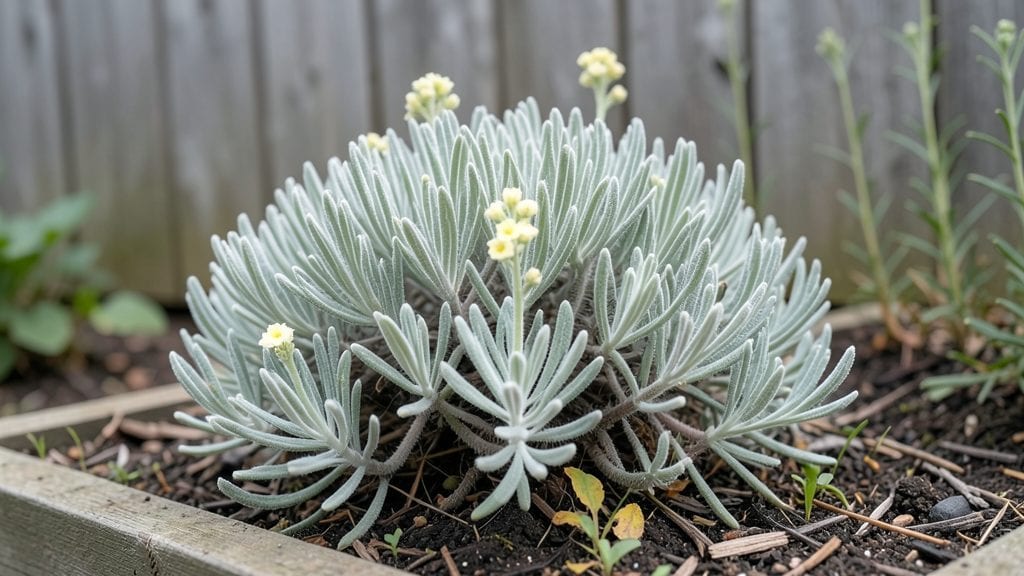
Growing wool flower (Adenocaulon bicolor) in the Pacific Northwest means embracing a plant that thrives where others falter. This fluffy-stemmed perennial loves cool, damp climates and high-altitude spots—perfect for your garden’s shadier corners or woodland edges.
I’ve watched mine spread effortlessly through the years, its silvery stems creating a dreamy, almost ethereal texture that no other plant delivers.
The secret to its success lies in minimal fuss: well-draining soil, partial shade, and occasional watering once established. Unlike fussy perennials, wool flower handles neglect like a champ—it’s the kind of plant that rewards you for forgetting it exists.
Start with division or seed, and within a season, you’ll have a lush, low-maintenance groundcover that outshines most ornamentals.
Imagine a garden where late-summer blooms aren’t the highlight—the stems are. Wool flower’s fuzzy, cotton-like branches create a soft, airy backdrop for other plants, while its tiny white flowers add delicate contrast.
It’s the kind of plant that makes neighbors stop and ask, “What is that magical stuff?”—and the answer is simple: let it grow.
Whether you’re filling a shady border, stabilizing slopes, or just craving a native perennial that doesn’t demand attention, wool flower delivers. It’s the PNW’s underrated secret weapon for texture, resilience, and effortless beauty. Let’s get it thriving in your garden.
📚 In This Guide
- What you need
- Instructions
- Tips and common mistakes
- Wrapping up and next steps
What you need
- ● Wool flower seeds or nursery-grown plants: 3–5 plants (or 1 packet of seeds) for a small garden display. Choose Eriophyllum lanatum varieties like ‘White Cloud’ or ‘Rosy Cloud’ for vibrant blooms.
- ● Well-draining soil: A mix of native soil (or potting soil) amended with 50% perlite or coarse sand to prevent root rot. Aim for a pH of 6.0–7.5.
- ● Organic compost: 2–3 cups per planting hole to enrich the soil with nutrients.
- ○ Mulch (optional but recommended): 1–2 inches of gravel or pebbles to mimic the plant’s natural habitat and retain moisture.
- ● Garden trowel or shovel for digging planting holes (6–8 inches deep).
- ● Gloves to protect your hands from prickly stems.
- ● Watering can or hose with a gentle spray nozzle (avoid overwatering!).
- ● Pruners for trimming dead foliage or spent blooms.
- ● Measuring tape or ruler to ensure proper spacing (12–18 inches apart).
- ● Sunlight: A full-sun location (6+ hours/day)—wool flowers thrive in open, sunny spots.
- ● Drought tolerance: Once established, these plants need minimal watering (water deeply 1–2 times per week in dry spells).
- ● Low-maintenance care: No fertilizers needed! Wool flowers are adapted to lean, rocky soils.
Step-by-step guide to cultivating Pacific Northwest wool flowers
Here’s how to establish this drought-tolerant beauty with minimal fuss—ideal for sunny slopes and dry borders.
Select and Prepare the Planting Site
Wool flowers (Adenocaulon bicolor) thrive in well-draining soil with full sun exposure—at least 6 hours daily. In the Pacific Northwest’s moist climate, prioritize slopes or raised beds to prevent root rot. Test your soil: if it feels heavy or retains water after squeezing, amend with 2-3 inches of coarse sand or gravel mixed into the top 12 inches of soil.
Clear competing vegetation within a 3-foot radius—wool flowers spread slowly but need space to establish. I dig a hole twice as wide as the root ball but only as deep as the container’s base. This encourages roots to spread horizontally rather than settling too deep, which can restrict growth in heavy soils.
Plant and Water for Initial Establishment
Place the plant so the top of the root ball sits level with the surrounding soil. Backfill with native soil, tapping gently to eliminate air pockets. Press firmly around the edges but avoid compacting the center—roots need loose soil to penetrate easily. Mulch with 2 inches of wood chips (not bark) to conserve moisture and suppress weeds, but keep mulch 6 inches away from the stem to prevent rot.
Water deeply immediately after planting—soak the soil until water runs out the bottom of the hole. Repeat every 3-4 days for the first 4 weeks, ensuring the soil stays evenly moist but not soggy. Overwatering here is the fastest way to kill wool flowers; they’re adapted to dry conditions but need consistent moisture to establish roots.
Maintain Through the First Growing Season
Once established, wool flowers are drought-tolerant, but young plants benefit from deep watering every 2 weeks during dry spells. You’ll know it’s time when the soil feels dry 2 inches below the surface. Avoid frequent shallow watering—it encourages weak roots and fungal issues. Instead, water slowly and deeply to encourage deep root growth.
Fertilize once in early spring with a balanced, slow-release granular fertilizer (10-10-10) applied at ½ the recommended rate. Wool flowers don’t need much—too much nitrogen promotes leafy growth at the expense of those signature woolly seed heads. Prune back dead or damaged stems in late winter to tidy the plant and encourage fresh growth.
Encourage Long-Term Health and Bloom
By their second year, wool flowers develop a woody base and spread via underground rhizomes. Divide clumps every 3-4 years in early spring if the center becomes bare. Dig up the plant, separate sections with a sharp knife, and replant divisions 12 inches apart. This rejuvenates the plant and prevents overcrowding.
The woolly seed heads are the star—leave them on the plant through winter for texture and wildlife interest. If you want to collect seeds, harvest them in late summer to early fall when they’ve fully matured but before they scatter. Store in a cool, dry place until spring planting. Wool flowers self-seed minimally, so deadheading spent blooms isn’t necessary unless you prefer a neater appearance.
Tips & tricks for perfect Pacific Northwest wool flower cultivation
Mastering this hardy perennial takes more than just planting—it’s about understanding its unique needs from the start. Here’s how to give your wool flowers the best possible foundation.
Site Selection Intelligence: In the Pacific Northwest’s wet climate, the 6 hours of full sun requirement is non-negotiable. I’ve found that south-facing slopes get the most consistent sunlight, especially in winter when days are shorter. If your site gets less than 6 hours, supplement with a reflective surface like a white garden wall on the north side to bounce extra light onto the plants.
Soil Amendments Strategy: When amending heavy soils with 2-3 inches of coarse sand or gravel, I recommend mixing in composted leaf mold as well—it improves drainage while adding organic matter. The key is to focus on the top 12 inches of soil where most roots will establish. Test your amended soil by squeezing a handful: it should hold its shape but not be sticky.
Planting Depth Precision: The instructions mention planting with the root ball’s top level with the soil, but here’s the detail nobody tells you: press the surrounding soil firmly around the edges to eliminate air pockets, but use your fingers—not a shovel—to avoid compacting the center. Think of it like tucking a baby into bed: firm but gentle. This creates ideal conditions for root penetration.
Watering Wisdom: The 3-4 day watering schedule during initial establishment is critical, but timing matters just as much. Water in the early morning so the foliage has time to dry before evening. I’ve seen fungal issues develop when plants are kept wet overnight. Use a rain gauge or tuna can to measure exactly 1 inch of water each time—this prevents both underwatering and overwatering.
Pro Tips for Wool Flower Plant
- Mastering this hardy perennial takes more than just planting—it’s about understanding its unique needs from the start.
- Site Selection Intelligence: In the Pacific Northwest’s wet climate, the 6 hours of full sun requirement is non-negotiable.
- Soil Amendments Strategy: When amending heavy soils with 2-3 inches of coarse sand or gravel, I recommend mixing in composted leaf mold as well—it improves drainage while adding organic matter.
Frequently asked questions
Got questions about growing wool flower plants? You're not alone!
Here are some of the most common queries from gardeners in the Pacific Northwest (and beyond) to help you get the most out of this stunning perennial.
How fast does wool flower grow, and when can I expect blooms?
Wool flower (Pseudostellaria jamesiana) grows at a moderate pace—expect 3–6 inches of growth per year under ideal conditions. With patience, it typically blooms in its second or third year, producing delicate white flowers in late spring to early summer. For faster results, ensure well-draining soil and consistent moisture during its establishment phase.
Is wool flower drought-tolerant once established?
While wool flower thrives in moist, well-draining soil, it isn’t drought-proof. Once established (after 1–2 years), it can handle brief dry spells, but prolonged drought may cause wilting or stunted growth. Mulch lightly to retain moisture, and water deeply during hot, dry PNW summers to keep it lush.
Do wool flowers attract pollinators like bees or butterflies?
Yes! Wool flower’s tiny, fragrant blooms are a magnet for early-season bees and butterflies, making it a great pollinator plant. Its nectar-rich flowers support local ecosystems, especially in early spring when other blooms are scarce. Pair it with lupines or shooting stars for a pollinator powerhouse garden.
Can wool flower survive harsh PNW winters, or does it need protection?
This hardy perennial (USDA Zones 3–8) handles PNW winters without extra protection. Its basal rosettes often die back in frost but regrow in spring. For extra insurance in Zone 3, add a 2–3 inch layer of mulch after the first frost to shield roots from extreme cold.
What’s a good alternative if wool flower doesn’t thrive in my garden?
If your soil is too dense or wet, try these low-maintenance PNW perennials with similar charm:
- Pacific Coast Iris (Iris tenax) – Thrives in moist, coastal soils and blooms in spring.
- Sword Fern (Polystichum munitum) – Evergreen, shade-tolerant, and drought-resistant once established.
- Yarrow (Achillea millefolium) – Drought-tolerant, pollinator-friendly, and blooms all summer.
Wrapping up and next steps
The wool flower plant is your Pacific Northwest garden’s secret weapon—low-maintenance, drought-tolerant, and bursting with vibrant blooms that thrive even in less-than-ideal conditions. Whether you’re a seasoned gardener or just starting out, its resilience and beauty make it a must-have for adding color and texture to your outdoor space. 🌸
Ready to unleash your green thumb? Grab your gloves, pick a sunny spot, and get planting! Start small—maybe even just one wool flower to test the waters—then expand as you fall in love with its charm. Happy gardening! 🌱