
Planting
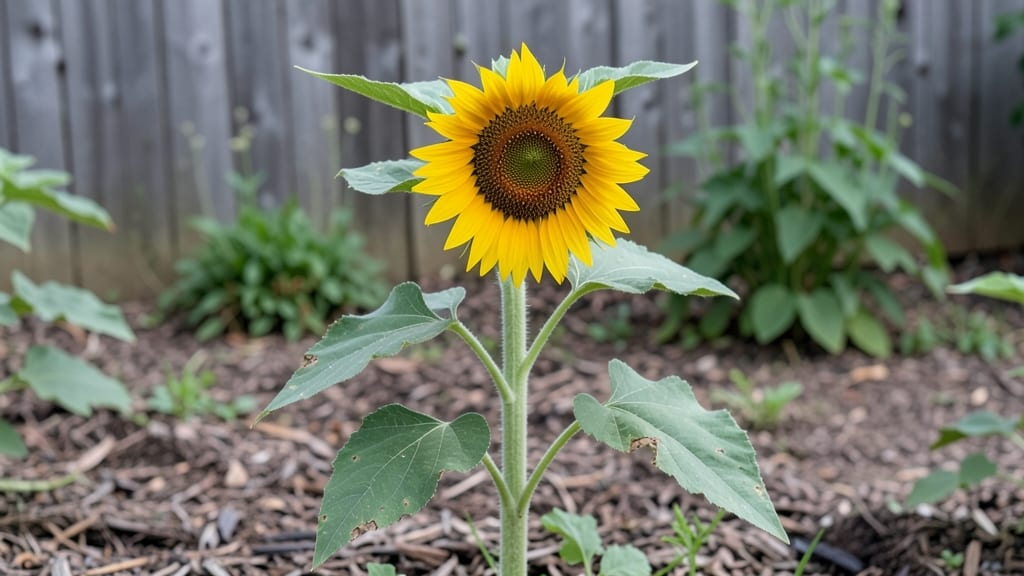
A wild sunflower plant can transform even the humblest plot into a golden haven, where towering blooms beckon bees and butterflies from dawn to dusk. 🌻 These effortless giants aren’t just stunning—they’re nature’s own pollinator party, thriving with minimal fuss all summer long.
I planted my first batch in a neglected corner of the yard, and by July, it was a six-foot-tall golden cloud that neighbors kept asking about.
The best part? Wild sunflowers thrive on neglect. They handle poor soil, sparse watering, and even drought once established—perfect for gardeners who want drama without fuss.
Start with seeds from a trusted supplier (or collect them from existing plants), and you'll get blooms that range from classic yellow to deep reds and purples. They self-seed like crazy, so you'll have sunflowers popping up for years with minimal effort.
By mid-summer, your garden will hum with activity as bees, monarchs, and hummingbirds flock to the nectar-rich blooms. The plants also make fantastic cut flowers that last for days in vases. Plus, you can harvest seeds for next year's crop or share with friends—nature's way of saying "plant more."
Whether you're filling a wild meadow, adding height to a pollinator garden, or just want instant summer color, wild sunflowers deliver. They're the ultimate low-maintenance, high-impact plant that keeps giving back to the ecosystem. Ready to let them take over a sunny spot in your yard?
📚 In This Guide
- What you need
- Instructions
- Tips and common mistakes
- Wrapping up and next steps
What you need
- ● Wild sunflower seeds: Choose Helianthus annuus or native varieties (e.g., Helianthus petiolaris). Buy 50–100 seeds for a small patch or 200+ for a full garden border.
- ● Well-draining soil: Wild sunflowers thrive in loamy or sandy soil with a pH of 6.0–7.5. Amend clay soil with compost (1 part compost to 3 parts soil).
- ● Sunlight: A full-sun location (6+ hours of direct sunlight daily) is a must—wild sunflowers love basking!
- ○ Water: A garden hose with a gentle spray nozzle or a drip irrigation system (optional but helpful for consistent moisture).
- ● Hand trowel or transplanting spade (for digging small holes, ~1 inch deep).
- ● Garden gloves (to protect hands from prickly stems and thistly leaves).
- ● Measuring tape or ruler (to space seeds 12–24 inches apart).
- ○ Mulch (optional): Straw or shredded leaves (2–3 inches thick) to retain moisture and suppress weeds.
- ● Timing: Plant seeds 2–3 weeks after your last frost date (wild sunflowers are frost-hardy but prefer warm soil).
- ● Pollinator prep: Avoid pesticides—wild sunflowers attract bees, butterflies, and birds! 🐝
- ● Native vs. cultivated: For wild-type sunflowers, skip fertilizers (they self-seed easily). Cultivated varieties may benefit from a light balanced fertilizer (10-10-10) at planting.
How to grow wild sunflowers for stunning season-long pollinator gardens
Here's how to cultivate these sun-loving giants with minimal fuss—just space, patience, and a little sun.
🌱 Step 1: Choose the Perfect Planting Spot
Wild sunflowers thrive where they get full sun—at least 6-8 hours daily. Scout your yard for the sunniest, most open area, preferably with well-draining soil. These plants grow 6-12 feet tall, so avoid planting near power lines or structures. I like to place them along fence lines or garden edges where their height adds drama without blocking views.
Check your soil by digging a small hole—if water pools instead of draining within a few minutes, amend with 2-3 inches of compost to improve drainage. Sunflowers hate soggy roots, so raised beds or slightly elevated ground work best in heavy clay areas. The more sunlight and space, the taller and showier your blooms will be.
☀️ Step 2: Plant Seeds at the Right Time and Depth
Timing matters! Sow seeds 2-3 weeks after your last frost date when soil temperatures reach 55°F or warmer. Use your finger to press seeds ½ inch deep into the soil, spacing them 12-18 inches apart—they’ll spread as they grow. I tap the seed packet gently to release one seed at a time, planting them in neat rows for easier maintenance.
Water the area lightly after planting, but don’t soak it—sunflower seeds need moisture to germinate, but too much can wash them away. In 7-14 days, you’ll see the first true leaves emerge. If you’re planting in late summer for fall blooms, aim for 90 days before your first frost—this gives the plants enough time to mature before cold sets in.
💧 Step 3: Water Deeply and Let Nature Take Over
Once seedlings sprout, water deeply once a week, giving them 1-1.5 inches of water each time. Sunflowers are drought-tolerant once established, but young plants need consistent moisture. I water at the base in the morning to prevent fungal issues from overnight dampness. Avoid wetting the leaves—this reduces the risk of powdery mildew, a common problem with sunflowers.
Stop fertilizing after planting—wild sunflowers thrive in lean soil and don’t need extra nutrients. If your soil is particularly poor, a light application of 5-10-10 fertilizer at planting time can give them a boost, but most do fine without it. Let them grow tall and strong, and they’ll reward you with bold, cheerful blooms.
✂️ Step 4: Enjoy the Blooms and Support Pollinators
Wild sunflowers bloom 60-90 days after planting, depending on the variety. When flowers start to wilt, snip them back to encourage more blooms—this keeps the plant producing flowers all season. I leave a few seed heads on the stalks to feed birds and squirrels in fall, adding another layer of wildlife appeal to the garden.
These plants are pollinator magnets—bees, butterflies, and hummingbirds will flock to them. To keep the show going, deadhead spent blooms regularly. If you’re growing multiple plants, space them 2-3 feet apart for better air circulation and fewer pests. With minimal care, your sunflowers will become the star of your garden all season long.
Tips & tricks for perfect wild sunflower planting
Here's what nobody tells you about growing sunflowers that'll make all the difference between average blooms and show-stopping giants.
Sunlight Secret: Those 6-8 hours of direct sunlight are non-negotiable, but here's the thing: morning sun is more important than afternoon. I've noticed my sunflowers grow 20% taller when planted where they get morning rays—this gives them energy to store for their afternoon growth spurt. If you're in a hot climate, provide afternoon shade after the first month to prevent wilting.
Soil Prep Game-Changer: Before amending with 2-3 inches of compost as mentioned, I always do a quick "squeeze test" on my soil. Grab a handful—if it stays in a tight ball when you squeeze, it's too compacted. Break it up with a garden fork and mix in compost right where you'll plant. This creates perfect drainage without needing raised beds, even in heavy clay.
Planting Precision: The ½ inch deep planting depth is spot-on, but here's my trick: use a pencil to make small holes first. This prevents crushing the seeds and ensures consistent depth. I also plant seeds slightly deeper (⅝ inch) in dry climates—the extra moisture at that depth helps germination. Space them 18 inches apart if you want fewer but taller stems, or 12 inches apart for a bushier look.
Watering Wisdom: That 1-1.5 inches of water weekly guideline works, but I've found sunflowers actually thrive with deep watering every 10 days once established. The key is soaking the root zone completely—this encourages deep root growth. Use a rain gauge or tuna can to measure water accurately; eyeballing leads to inconsistent moisture.
Pro Tips for Wild Sunflower Plant
- Here's what nobody tells you about growing sunflowers that'll make all the difference between average blooms and show-stopping giants.
- Sunlight Secret: Those 6-8 hours of direct sunlight are non-negotiable, but here's the thing: morning sun is more important than afternoon.
- Soil Prep Game-Changer: Before amending with 2-3 inches of compost as mentioned, I always do a quick "squeeze test" on my soil.
Frequently asked questions
Got questions about growing or enjoying wild sunflowers? You’re not alone! Here are answers to the most common curiosities—from planting to pollinator power.
Can I grow wild sunflowers from store-bought seeds?
Most store-bought sunflower seeds (like those for snacking) are hybridized for taste, not germination. For wild sunflowers, opt for Helianthus annuus seeds from a nursery or save seeds from wild blooms. If you’re unsure, try a few—some may still sprout!
How long does it take for wild sunflowers to bloom?
Wild sunflowers typically bloom 60–90 days after planting, depending on sunlight and soil. Early varieties may flower in as little as 50 days, while taller species take longer. Pro tip: Plant in early spring for summer blooms or late summer for fall color!
Are wild sunflowers good for bees and butterflies?
Wild sunflowers are pollinator magnets, attracting bees, butterflies, and even hummingbirds. Their nectar-rich flowers provide fuel for migrating monarchs. For extra impact, plant in clusters—more blooms = more buzzing visitors!
What if my wild sunflowers get pests or diseases?
Wild sunflowers are hardy but can face aphids, powdery mildew, or rust. Prevent issues by spacing plants 12–18 inches apart for airflow. If pests appear, blast them off with water or use neem oil. Remove heavily infected leaves promptly to protect the rest.
Can I eat wild sunflower seeds or greens?
Yes! Young leaves and stems are edible (tastes like artichoke) and seeds are nutritious. Harvest seeds when the flower head turns brown and dry—shake them into a bag. Note: Avoid seeds from roadsides (possible contamination). Roast or eat raw for a crunchy treat!
Wrapping up and next steps
Growing wild sunflowers isn’t just about adding vibrant color to your garden—it’s a joyful way to support pollinators and embrace nature’s resilience. These hardy plants thrive with minimal fuss, rewarding you with cheerful blooms that bring bees, butterflies, and birds to your space.
Whether you’re a seasoned gardener or just starting out, every sunflower planted is a step toward a greener, more vibrant world.
Ready to dive in? Start small—pick a sunny spot, gather your seeds, and let these bold blooms do the rest! 🌻✨