
Flowers
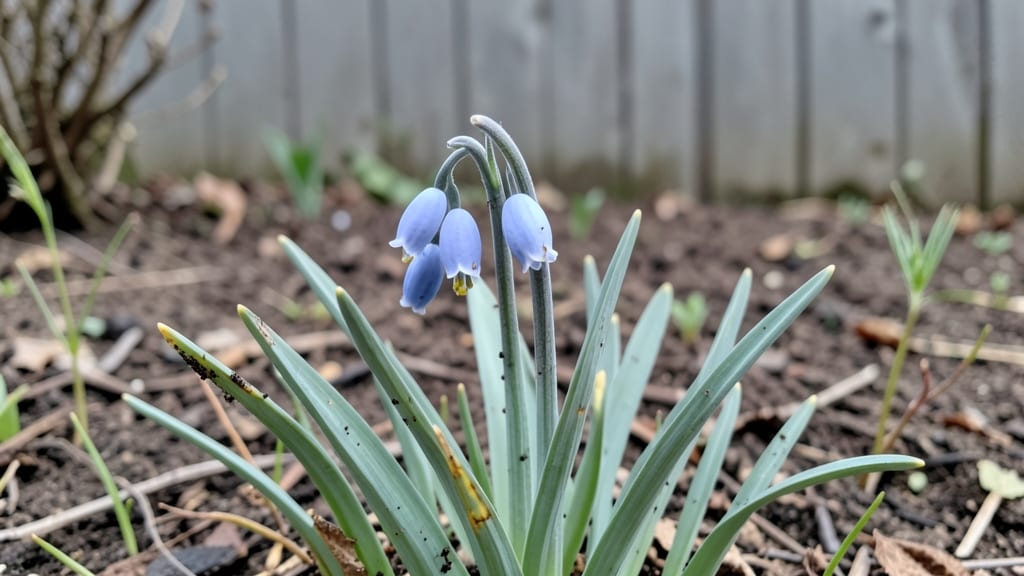
The wild bluebell flower transforms Pacific Northwest forests into a sea of delicate blue bells each spring—something I chase every year with my camera. These ethereal blooms thrive where sunlight filters through towering ferns and salal, creating a dappled effect that feels like stepping into a fairy tale.
Their nodding heads and fragrant scent make them a must-have for woodland gardens or cottage-style landscapes craving that wild charm.
What makes them so special? They bloom early—often by late March or April—when little else is in flower, and they pair beautifully with native ferns, trillium, and bleeding hearts. Unlike cultivated hyacinths, wild bluebells naturalize effortlessly, spreading through bulb offsets to create lush, low-maintenance drifts.
The key to mimicking their magic is planting them in partial shade with well-draining, acidic soil—just like their forest home.
Imagine your garden in spring: clusters of bell-shaped flowers swaying gently in the breeze, their blue hue contrasting against fresh green foliage. You’ll attract pollinators from the moment they open, and the scent—lightly sweet, almost like honey—will linger in the air.
These aren’t just flowers; they’re a seasonal spectacle that turns even small spaces into a Pacific Northwest woodland retreat.
For best results, group them in odd-numbered clusters of 5, 7, or 9 for natural movement, and avoid overcrowding. They’ll reward you for years with minimal care—just remember to leave the foliage until it yellows in summer. Ready to bring that wild, woodland allure to your garden?
📚 In This Guide
- What you need
- Instructions
- Tips and common mistakes
- Wrapping up and next steps
What you need
- ● Wild bluebell seeds or bulbs: Seeds: 50–100 seeds (or more for larger areas). Opt for Mertensia virginica (Virginia bluebells) or Hyacinthoides non-scripta (European bluebells) if local to the PNW.
- ● Bulbs: 10–20 bulbs (preferably dormant or freshly harvested from ethical sources).
- ● Well-draining soil: Mix of 60% topsoil, 30% compost, and 10% perlite or sand (to mimic woodland loam).
- ● pH level: Slightly acidic to neutral (6.0–7.0). Test with a soil kit if unsure!
- ● Garden tools: Trowel or bulb planter
- ● Garden fork or spade (for loosening soil)
- ● Measuring tape or ruler (for spacing)
- ● Watering can or hose with a gentle spray nozzle
- ● Mulch: Wood chips or shredded leaves (1–2 inches) to retain moisture and mimic forest floors.
- ● Shade cloth: 30–50% coverage if planting in full sun (bluebells prefer dappled light).
- ● Wildlife-friendly companions: Ferns, trilliums, or native grasses to create a thriving understory.
- ● Label markers: For tracking varieties or planting dates.
- ● ✨ Timing: Plant seeds in early fall (September–October) or bulbs in late summer (August).
- ● 🌡️ Climate note: Wild bluebells thrive in USDA Zones 3–8. The PNW’s mild, moist climate is ideal!
- ● 💡 Ethical sourcing: Avoid digging wild bluebells from protected areas. Buy from reputable nurseries or collect seeds after blooms fade.
- ● 🎯 Patience: Seeds may take 1–2 years to sprout; bulbs bloom faster (1–2 seasons).
How to cultivate wild bluebells in Pacific Northwest woodlands
These woodland gems thrive with minimal intervention—just mimic their natural habitat.
🌱 Step 1: Select and Prepare the Planting Site
Wild bluebells (Mertensia virginica) prefer dappled shade and moist, well-draining soil. Choose a woodland edge, understory, or shaded garden bed where they’ll receive 4-6 hours of indirect sunlight daily. Avoid full sun—it causes leaves to scorch and flowers to wilt prematurely.
Test your soil’s moisture by digging a 6-inch hole—if water pools within 10 minutes, the site is too soggy. Amend heavy clay with 2-3 inches of leaf mold or compost to improve drainage while retaining moisture. Bluebells hate dry conditions, so prioritize areas where soil stays consistently damp but not waterlogged.
☀️ Step 2: Plant Bulbs at the Right Depth and Spacing
Plant bluebell bulbs in early fall, 6-8 weeks before the first frost, to allow roots to establish before winter. Space bulbs 3-4 inches apart in clusters of 3-5 to create natural drifts—this mimics their woodland behavior and encourages vigorous growth. Dig holes 2 inches deep, just enough to cover the bulb without burying the neck.
Gently press soil around the bulbs to eliminate air pockets, then water deeply until moisture reaches 4 inches down. Mulch with 2 inches of shredded leaves or pine needles to insulate roots in winter and suppress weeds. Avoid synthetic mulches—they can smother the delicate foliage as it emerges in spring.
💧 Step 3: Maintain Moisture and Light Conditions Year-Round
Water bluebells once a week during the first growing season to encourage root development, but reduce frequency in subsequent years—they’re drought-tolerant once established. The key is consistent moisture: let the top 1 inch of soil dry slightly between waterings, but never allow it to become bone-dry. Overwatering is worse than underwatering for these woodland natives.
In late summer, reduce watering to simulate their natural dormancy period. This prepares bulbs for winter and ensures stronger blooms the following spring. Fertilizer isn’t necessary—these plants thrive in lean soil. If you notice weak growth, a light application of balanced 10-10-10 fertilizer in early spring can help, but avoid heavy doses.
✂️ Step 4: Support Growth and Prevent Overcrowding
Bluebell foliage will emerge in early spring, often before snow melts in cooler climates. Once flowers fade after blooming (typically 4-6 weeks post-emergence), deadhead spent blooms by snipping stems at the base. This redirects energy to bulb development rather than seed production, which can weaken the plant over time.
After foliage yellows in late spring or early summer, allow it to die back naturally—this process recharges the bulbs for next year’s blooms. If you must tidy, wait until after the leaves turn brown, then trim them back to 1 inch above the ground. Never cut green foliage, as the bulbs rely on it for photosynthesis and stored energy.
⏰ Step 5: Extend the Display with Seasonal Care
For a prolonged bloom season, plant multiple clusters at staggered depths—some bulbs will flower earlier, others later. This creates a 3-4 week display instead of a single burst. In Zone 7 and colder, protect newly planted bulbs with 4-6 inches of mulch in winter to prevent frost heave, which can dislodge them.
Bluebell bulbs multiply over time, so divide clumps every 3-4 years in early fall to prevent overcrowding. Dig up bulbs, separate offsets, and replant immediately. This rejuvenates the display and shares plants with neighbors—just be patient, as it takes 2-3 years for divided bulbs to bloom again.
Tips & tricks for perfect wild bluebell cultivation
Creating the ideal conditions for wild bluebells is all about patience and precision—these woodland natives reward careful attention with years of effortless beauty. Here's what I've learned from years of trial and error in Pacific Northwest gardens.
Lighting Strategy: The 4-6 hours of indirect sunlight in Step 1 is non-negotiable—think of it as creating a woodland understory effect. If your garden only offers full sun, consider planting bluebells in containers and moving them to shaded spots during peak afternoon heat. I've found that even 2 hours of direct sun can cause leaf scorch, so prioritize locations where dappled light filters through trees or shrubs naturally.
Soil Science: That 6-inch hole test in Step 1 reveals more than just moisture levels—it tells you about your soil's structure. If water pools within 10 minutes, you're dealing with heavy clay that needs immediate amendment. For the 2-3 inches of leaf mold or compost, I recommend using a 70/30 mix of leaf mold to compost—this gives you the perfect balance of organic matter and drainage. The key is maintaining that "squishy sponge" texture where water drains but doesn't pool.
Planting Precision: When planting those 3-4 inch spaced clusters in Step 2, think of it like creating a woodland carpet. The 2-inch depth is crucial—any deeper and you'll smother the bulb's neck, which needs to stay exposed for proper growth. I've found that using a small trowel for planting creates cleaner holes with less soil disturbance. After planting, I press the soil gently with my fingers rather than stomping, which can compact the soil too much around delicate roots.
Seasonal Watering: The once-weekly watering in Step 3 during the first growing season is just the beginning. In subsequent years, you'll notice bluebells develop deeper roots that access moisture better. What I've discovered is that the "1 inch soil dry" test works best in the morning—watering then gives the soil time to dry slightly before evening, preventing fungal issues. And that late summer water reduction? It's when I see the most dramatic difference in next year's bloom quality.
Pro Tips for Wild Bluebell Flower
- Creating the ideal conditions for wild bluebells is all about patience and precision—these woodland natives reward careful attention with years of effortless beauty.
- Lighting Strategy: The 4-6 hours of indirect sunlight in Step 1 is non-negotiable—think of it as creating a woodland understory effect.
- Soil Science: That 6-inch hole test in Step 1 reveals more than just moisture levels—it tells you about your soil's structure.
Frequently asked questions
Got questions about the enchanting wild bluebell flower? You’re not alone! Here are answers to some of the most common queries, from timing to care tips—so you can make the most of these Pacific Northwest woodland gems.
When is the best time to see wild bluebells in the wild?
Wild bluebells typically bloom in late spring to early summer (April–June in the PNW), depending on elevation and microclimates. They thrive in shaded, moist woodlands, so early morning walks in forests or meadows are your best bet for spotting their delicate bell-shaped blooms.
Can I grow wild bluebells in my garden? What’s the trick?
Yes! They’re perennial but finicky—mimic their natural habitat: partial shade, rich soil, and consistent moisture. Plant bulbs in fall (like native woodland plants) and avoid overcrowding. Pro tip: Mix leaf mold or compost into the soil to replicate their forest floor home.
Are wild bluebells toxic to pets or humans?
Nope! They’re non-toxic to both pets and people, though their delicate stems can be brittle. Still, they’re a safe addition to bouquets or pollinator gardens. Just avoid ingesting large quantities—stick to admiring their beauty!
What if my bluebells aren’t blooming? Troubleshooting tips?
Check these common issues:
Too much sun? They wilt in harsh light—move to dappled shade.
Dry soil? Water deeply but avoid soggy roots.
No blooms after 2 years? They’re slow starters—be patient!
Pro tip: Fertilize lightly in early spring with a balanced, low-nitrogen mix to encourage blooms.What’s the difference between wild bluebells and Spanish bluebells?
Wild bluebells (Hyacinthoides non-scripta)
have downward-facing flowers and grow natively in Europe (including PNW woodlands). Spanish bluebells (Hyacinthoides hispanica) have upward blooms and are often cultivated—more vibrant but less woodland-friendly.
Wrapping up and next steps
The wild bluebell flower is more than just a fleeting woodland treasure—it’s a symbol of the Pacific Northwest’s natural beauty and resilience.
Whether you’re admiring its delicate blooms in the wild or cultivating them in your garden, these flowers remind us to slow down and appreciate the quiet magic of nature. 🌿
Ready to dive deeper? Start by exploring local conservation efforts to protect these enchanting flowers, or try growing them in your own space—just remember to follow ethical guidelines! Every small step helps preserve their charm for future generations.