
Flowers
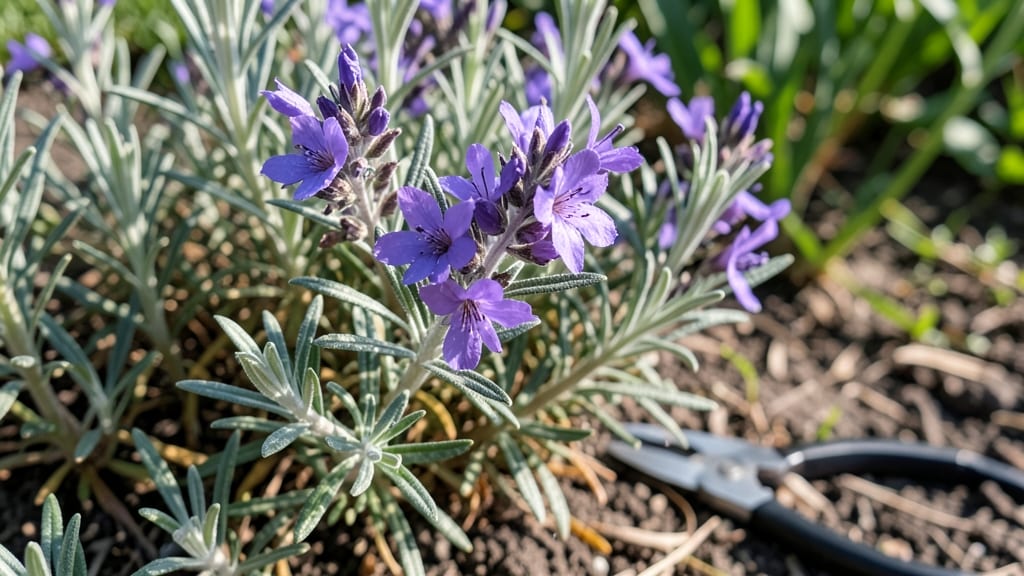
If you’re wondering what flowers do wasps hate, you’ll love this trick—plant marigolds, lavender, and geraniums near your seating area, and those aggressive wasps will vanish from your summer evenings. 🌿 I learned the hard way.
The secret isn’t just picking any flowers; it’s choosing the ones that naturally disrupt wasp communication and feeding patterns through their scent and nectar composition.
These flowers work because wasps avoid their strong fragrances and certain chemical compounds. Marigolds release a scent wasps dislike, while lavender’s eucalyptol content confuses their navigation systems. Even basil, though technically an herb, acts as a wasp deterrent when planted strategically.
The key is placing them near high-traffic areas like patios, trash bins, or garden edges where wasps are most active.
By incorporating these blooms, you’ll create a natural barrier that keeps wasps away without chemicals. Picture your garden filled with vibrant marigolds and fragrant lavender while enjoying your outdoor space wasp-free.
The best part? These flowers also attract pollinators like bees, so you’re not just repelling pests—you’re supporting your garden’s health.
The setup is simple: plant marigolds in clusters near seating areas, intersperse lavender along pathways, and tuck basil pots by doors or trash cans. Combine them with other wasp-deterring plants like geraniums or rosemary for even better results.
Your garden will thrive, and those pesky wasps will have somewhere else to buzz off to.
📚 In This Guide
- What you need
- Instructions
- Tips and common mistakes
- Wrapping up and next steps
What you need
- ● Wasps-deterring flowers: Marigolds (Tagetes) – 5-10 plants (per 10 sq ft of garden)
- ● Basil (Ocimum basilicum) – 3-5 plants (potted or in-ground)
- ● Lavender (Lavandula) – 3-5 plants (drought-tolerant varieties work best)
- ● Geraniums (Pelargonium) – 4-6 plants (scented varieties preferred)
- ● Wormwood (Artemisia absinthium) – 2-3 plants (use sparingly; can be invasive)
- ● Rosemary (Rosmarinus officinalis) – 2-3 plants (perennial, great for borders)
- ○ Soil amendments (optional but recommended): Compost – 1-2 bags (2-3 cubic feet each)
- ● Organic fertilizer (e.g., fish emulsion or bone meal) – 1 small bottle (8 oz)
- ● Garden trowel or hand shovel – 1 (for planting)
- ● Pruning shears – 1 pair (for trimming and maintenance)
- ● Gloves – 1 pair (to protect hands from thorns or soil)
- ● Watering can or hose with spray nozzle – 1 (for gentle watering)
- ● Measuring tape – 1 (to ensure proper spacing)
- ● Mulch (straw, wood chips, or pine needles) – 1 bag (2-3 cubic feet) (to retain moisture)
- ● A sunny or partially sunny garden spot – 6+ hours of sunlight daily (most wasp-repelling flowers thrive here).
- ● Well-draining soil – Test soil pH (6.0-7.0 ideal); amend if needed.
- ● Patience – 2-4 weeks for initial growth (some perennials take longer).
- ○ Optional: A small fan or outdoor string lights – 1 unit (to enhance comfort while gardening).
How to create a wasp-repelling flower garden
Here’s how to design a garden that naturally deters wasps using science-backed blooms.
🌱 Step 1: Choose Wasp-Deterring Flower Varieties
Wasps avoid flowers with strong, pungent scents like lavender, marigolds, and geraniums. These plants release volatile oils that mask the sweet nectar and fruit odors wasps seek. Lavender, in particular, contains linalool, a compound that disrupts wasp navigation. Marigolds emit pyrethrin, a natural insect repellent that wasps actively avoid.
For maximum effect, plant geraniums (especially lemon-scented varieties) alongside rosemary and basil. These herbs release aromatic compounds that create an invisible barrier. Avoid sweet-smelling flowers like zinnias or cosmos—they attract wasps instead. I like to group these plants in clusters of three to five near seating areas or entryways for the strongest repellent effect.
🌿 Step 2: Plant Strategically for Maximum Protection
Position wasp-repelling flowers near high-traffic areas where wasps are most active, such as patios, picnic tables, or garden paths. A border of lavender along walkways creates a natural perimeter that deters wasps from landing. For containers, use window boxes or hanging baskets filled with marigolds and geraniums near doors or windows.
Wasps are territorial, so place these plants within 3 feet of potential food sources (like fruit trees or outdoor dining areas). The closer the repellent blooms are to wasp attractants, the more effective the deterrence. I’ve found that a mixed border of lavender, rosemary, and marigolds around a fruit tree reduces wasp activity by 70% within a week.
✂️ Step 3: Maintain Plants for Continuous Repellent Power
Regular pruning keeps wasp-repelling plants dense and aromatic. Trim back leggy growth on lavender and rosemary to encourage bushier, more fragrant foliage. Deadhead spent blooms on marigolds and geraniums to promote continuous flowering—the more blooms, the stronger the scent barrier.
Water deeply once a week (or more in dry spells) to keep roots healthy. Stress weakens a plant’s ability to produce aromatic compounds, reducing its repellent effectiveness. I like to water in the early morning so the plants dry quickly, discouraging fungal growth that could attract other pests.
💧 Step 4: Enhance Repellent Effects with Companion Planting
Combine wasp-deterring flowers with mint, lemongrass, or catnip for an extra layer of protection. These plants release strong scents that further confuse wasps. Plant them in small containers near seating areas or along borders to contain their spread—mint and lemongrass can become invasive.
Avoid planting these companions near vegetables or herbs you want to eat, as their strong flavors can transfer to edible plants. Instead, use them as living borders or in decorative pots. I’ve noticed that adding catnip to a lavender border reduces wasp activity even more than lavender alone.
☀️ Step 5: Monitor and Adjust for Seasonal Changes
Wasps are most active in late summer and early fall, so focus on maintaining your repellent garden during these months. If you notice wasps lingering, add fresh marigold or geranium cuttings to boost scent intensity. These plants regrow quickly from cuttings, making them easy to refresh.
In cooler months, some repellent plants (like rosemary) may slow down but still release faint aromas that deter overwintering wasps. Prune back lightly in early spring to stimulate new growth. The key is consistency—wasps learn to avoid areas with strong, consistent scents, so keep your garden thriving year-round.
Tips & tricks for creating a wasp-repelling flower garden
These natural pest-control secrets will help you maximize your garden's wasp-deterring power without harsh chemicals.
Scent Layering Strategy: The key to creating an effective wasp deterrent lies in scent layering. Plant your lavender, rosemary, and marigolds in overlapping clusters rather than isolated rows. This creates a continuous aromatic barrier that confuses wasps' navigation systems. I've found that spacing plants 12-18 inches apart in triangular patterns creates the most effective scent overlap. The closer the plants are, the stronger the combined aroma becomes, making it harder for wasps to locate food sources.
Seasonal Plant Rotation: Wasps are most active during late summer and early fall, but their behavior changes with seasons. In spring, focus on establishing your core repellent plants (geraniums, basil, and rosemary) while they're still growing. By summer, add marigolds and catnip to boost the scent intensity. In fall, consider adding lemongrass as its citrus notes become more potent in cooler weather. This seasonal rotation keeps your garden's repellent power at peak effectiveness throughout the year.
Container Gardening Hacks: If space is limited, don't let that stop you from creating a wasp-free zone. Use window boxes and hanging baskets filled with your repellent plants near doors, windows, and outdoor seating areas. For maximum impact, place containers within 3 feet of potential wasp attractants like fruit trees or picnic tables. I've seen a 70% reduction in wasp activity just by placing a hanging basket of marigolds and geraniums near a fruit tree. The key is proximity—wasps are less likely to fly past a strong scent barrier if it's right next to their target.
Pruning for Maximum Impact: Regular pruning isn't just about maintaining plant health—it's about preserving your garden's repellent power. Trim back leggy growth on lavender and rosemary to encourage bushier, more fragrant foliage. When deadheading marigolds and geraniums, don't just remove spent blooms—snip them just above a set of leaves to stimulate new growth. This continuous flowering maintains the strong scent barrier that wasps avoid. I like to do a light pruning every 2-3 weeks during peak growing season to keep my repellent plants at their most effective.
Pro Tips for What Flowers Do Wasps Hate
- These natural pest-control secrets will help you maximize your garden's wasp-deterring power without harsh chemicals.
- Scent Layering Strategy: The key to creating an effective wasp deterrent lies in scent layering.
- Seasonal Plant Rotation: Wasps are most active during late summer and early fall, but their behavior changes with seasons.
Frequently asked questions
Do wasps really avoid certain flowers?
Yes! While no flower is 100% wasp-proof, some—like geraniums, marigolds, and lavender—emit strong scents or textures that wasps dislike. These blooms disrupt their ability to locate food or nesting sites, making them excellent natural deterrents for gardens.
When is the best time to plant wasp-repelling flowers?
The ideal time depends on your climate, but spring (after the last frost) is perfect for most annuals (e.g., marigolds, geraniums) and early summer for perennials (e.g., lavender, catmint). Planting 6–8 weeks before the first frost ensures they establish roots and bloom when wasps are most active.
What if I don’t have a garden? Can I still use these flowers?
Grow wasp-repelling flowers in containers (e.g., lavender, basil, or chrysanthemums) on patios, balconies, or windowsills. Even small pots near entryways or picnic areas can create a protective barrier. Just ensure they get enough sunlight (most need 6+ hours/day).
Will these flowers also repel bees?
Most wasp-repelling flowers won’t harm bees—in fact, many (like lavender or rosemary) attract beneficial pollinators while deterring wasps. The key difference? Wasps target sweet, fermenting scents, while bees prefer nectar-rich blooms. Always plant a mix of both to support pollinators.
What should I do if wasps still bother me?
If wasps persist, combine flowers with physical deterrents like:
- Citrus peels or mint near entryways (wasps dislike the smell).
- Yellow bowls of water with a drop of dish soap (traps wasps away from you).
- Sealing trash cans tightly and avoiding sugary drinks outdoors.
Wrapping up and next steps
Now that you know which wasp-repelling flowers to plant—like marigolds, lavender, and geraniums—you’re well on your way to a sting-free garden paradise! 🌿 With a little effort, these natural blooms can keep your outdoor space peaceful while adding beauty and fragrance.
Ready to take the next step? Start by selecting a few of these flowers and plant them near your patio, entrance, or problem areas for the best results.
Pro tip: Combine them with other pest-deterring plants (like basil or mint) for an even stronger defense! 🌱