Size
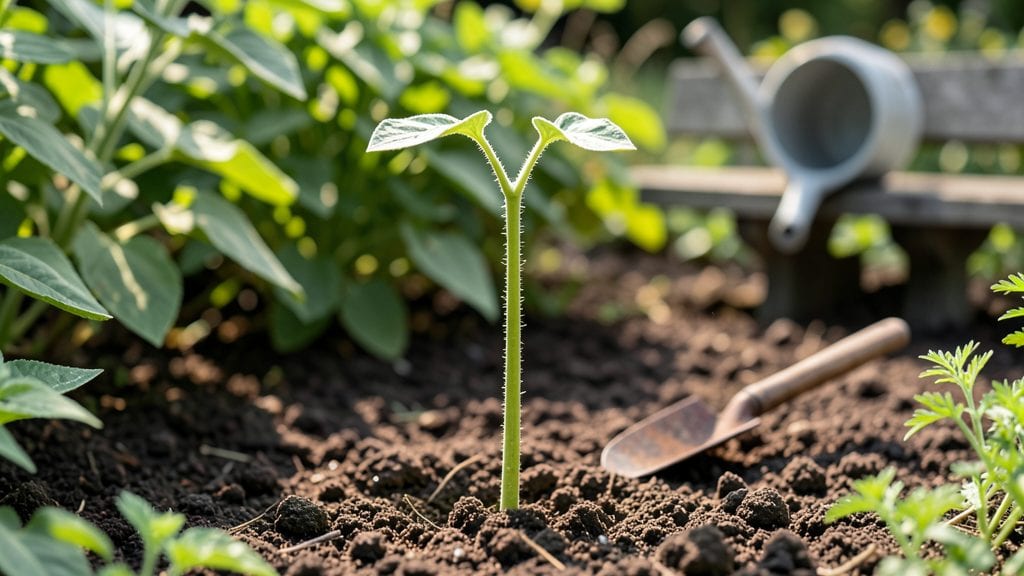
What do sunflowers look like when they start to grow? Those fuzzy green sprouts barely resemble the giants they’ll become, with their first leaves—called cotyledons—round and smooth, about the size of a dime, snug against the thin stem.
It’s easy to mistake them for weeds if you’re not watching closely, but sunflower sprouts grow fast, often reaching 2-3 inches in just a few days.
Within a week, you’ll spot the real giveaway: the first true leaves. These are long, narrow, and toothed along the edges, almost like tiny versions of a sunflower’s mature foliage. The stem stays slender but sturdy, and the leaves grow in a spiral pattern up the stalk.
If you’re growing from seed, keep an eye out for this transformation—it’s your sign that the little plant is on its way to becoming a giant.
Those early stages are delicate, so give them bright light and consistent moisture. A sunny windowsill or greenhouse works best, and the soil should stay damp but not soggy.
You’ll know you’re doing it right when the stem straightens and the leaves start reaching for the light, turning a deeper green by the day.
Here’s the secret: sunflowers grow best in loose, well-draining soil with plenty of sunlight. Once you spot those first true leaves, you’re just weeks away from seeing the iconic yellow blooms. Keep an eye on them—they’ll surprise you with how quickly they grow!
📚 In This Guide
- What you need
- Instructions
- Tips and common mistakes
- Wrapping up and next steps
What you need
- ● Sunflower seeds: Choose a variety suited to your climate (e.g., Helianthus annuus). Start with 5–10 seeds for a small garden or 20+ seeds for a full patch.
- ● Seed-starting trays or pots: 2–4 inch deep with drainage holes. 4–6 trays (or individual pots) for 5–10 seeds.
- ● Seed-starting mix: A lightweight, sterile potting soil (avoid garden soil—it’s too dense!). 1 bag (1–2 cubic feet) should suffice.
- ○ Grow lights or sunny windowsill: Sunflowers need 6–8 hours of light daily. A LED grow light (optional but helpful for indoor starts).
- ● Watering can or spray bottle: With a gentle misting nozzle to avoid disturbing seeds.
- ● Plant labels: To track varieties (e.g., ‘Mammoth’ or ‘Teddy Bear’).
- ● Heat mat: Keeps soil 70–80°F for faster germination (great for cool climates!).
- ● Fertilizer: A balanced, water-soluble fertilizer (e.g., 10-10-10) to boost early growth.
- ● Transplanting tweezers: For delicate seedling moves (if hardening off outdoors).
- ● Garden journal: To log sprouting dates and growth milestones!
How to identify early sunflower growth stages
Watch for these telltale signs as your sunflowers push through the soil.
Spot the First Sprout Emerging
Within 5-14 days of planting, you'll notice a tiny green shoot pushing through the soil. This is the seedling's first true leaf—not the initial cotyledons (those look like tiny, rounded leaves that appear first). The sprout will be 1-2 inches tall and often has a slight curve as it fights to reach the light.
Here's the thing—don't be fooled by the first tiny leaves that appear. Those are the cotyledons, which look like two small, rounded leaves. The real growth begins when the first true leaves appear, which are narrower and more elongated, signaling the plant is ready to grow rapidly. You'll see them unfold after the cotyledons drop off or turn brown.
Recognize the Cotyledon Stage
The very first leaves you see are the cotyledons, which are round, smooth-edged, and usually a darker green than the true leaves. They appear 2-4 days after germination and look almost like tiny, plump ovals. These leaves don't perform photosynthesis like true leaves—they're just there to store energy for the plant's early growth.
If your soil is too cold (below 50°F), the cotyledons may take longer to appear or look pale and weak. This is normal, but if they stay this way for more than 10 days, your sunflowers might need warmth or better drainage. The cotyledons will eventually yellow and fall off as the true leaves take over.
Watch for True Leaf Development
Once the cotyledons drop, the first true leaves will emerge—these are longer, narrower, and jagged-edged, resembling tiny versions of a mature sunflower leaf. They'll appear 3-5 days later and grow 1-3 inches long within a week. This is when the plant starts rapid vertical growth, and you'll see the main stalk (hypocotyl) thicken as it prepares to support the flower.
At this stage, the plant will also develop a second set of true leaves, which will be larger and more defined. You'll notice the leaves growing in a spiral pattern around the stalk, which is a classic sign of healthy sunflower growth. If the leaves look yellow or wilted, it could mean overwatering or poor drainage—sunflowers hate soggy roots.
Identify the Stalk and Bud Formation
By the time the plant reaches 6-12 inches tall, you'll start seeing the main stalk thicken and straighten. This is when the bud begins to form at the top, looking like a tight, fuzzy green ball. The leaves will also become larger and more serrated, with some varieties developing hairy stems as a defense against pests.
Real talk: If your sunflower's stalk grows too tall and leggy before the bud forms, it's usually a sign of not enough light. Move it to a sunnier spot or provide supplemental grow lights for 12-14 hours a day. A healthy stalk should be sturdy and upright, not bending or leaning.
Confirm Healthy Growth with Leaf Patterns
Mature sunflower leaves grow in a spiral arrangement (called phyllotaxis) and have deeply lobed or jagged edges. Early on, the leaves will be smaller versions of these, but you'll still see the same rough, textured surface. The veins will be prominent and slightly raised, giving the leaves a distinctive, almost waxy look when healthy.
Here's how to check for health: Run your fingers gently over the leaves. If they feel soft and slightly fuzzy, that's normal. If they're sticky, slimy, or have black spots, your plant might have pests or disease—act fast with neem oil or insecticidal soap. A thriving sunflower will also have bright green leaves with no yellowing between the veins.
Tips & tricks for identifying early sunflower growth
These simple tricks will help you spot the subtle signs of sunflower growth before they reach their towering heights.
Timing is Everything: The 5-14 day window for the first sprout is critical. Check your soil daily during this period—sunflowers often emerge quickly once they start. If your soil stays below 50°F, the sprouts may take longer to appear. Consider using a small greenhouse or cold frame if you're planting in cooler climates to speed up germination.
Don't Confuse Cotyledons: I've seen many gardeners mistake cotyledons for true leaves, which can lead to confusion about plant health. Cotyledons are temporary leaves that appear first, looking like tiny, rounded ovals. They'll eventually yellow and fall off, making way for the true leaves that resemble miniature versions of mature sunflower leaves. This transition marks the real beginning of your sunflower's growth.
Light Requirements Matter: Sunflowers need plenty of light to grow straight and strong. If you notice your young plants developing leggy stems before the bud forms, they're likely not getting enough light. Move them to a sunnier spot or add supplemental grow lights for 12-14 hours a day. This will help them develop sturdy stalks that can support their eventual height and flower weight.
Health Check Routine: Run your fingers gently over the leaves to check for health. Healthy sunflower leaves should feel soft and slightly fuzzy. If you notice sticky residue, black spots, or yellowing between the veins, your plant might be dealing with pests or disease. Neem oil or insecticidal soap can help treat these issues early on, giving your sunflowers the best chance to thrive.
Pro Tips for What Do Sunflowers Look Like When They Start To Grow
- These simple tricks will help you spot the subtle signs of sunflower growth before they reach their towering heights.
- Timing is Everything: The 5-14 day window for the first sprout is critical.
- Don't Confuse Cotyledons: I've seen many gardeners mistake cotyledons for true leaves, which can lead to confusion about plant health.
Frequently asked questions
Got questions about those tiny sunflower sprouts? You’re not alone! Here are answers to the most common queries about sunflower seedlings—from spotting them early to keeping them thriving.
How do I know if a sunflower seed has sprouted?
Look for a small, peanut-sized green shoot breaking through the soil, usually within 7–14 days of planting. The first leaves (called cotyledons) will be round and fuzzy—like tiny sunflower faces! If you see a white root poking out, it’s a sign the seed is germinating but needs help (cover it gently with soil).
How long does it take for sunflower seedlings to appear above ground?
Sunflower seeds typically sprout in 5–10 days in warm soil (60°F/15°C+). If your garden is cooler, wait up to 2 weeks. Pro tip: Keep soil moist (not soggy) and place seeds 1 inch deep for faster emergence. Patience pays off—those first leaves are worth the wait!
What do sunflower leaves look like at the very beginning?
The first leaves (cotyledons) are round, fuzzy, and pale green, resembling a sunflower’s face. After 2–3 weeks, true leaves emerge—long, narrow, and toothed (like jagged edges). If you only see fuzzy rounds, don’t panic—it’s just Phase 1 of growth!
Why aren’t my sunflower seeds sprouting? Troubleshooting tips.
If seeds aren’t sprouting, check these common issues:
- Too cold: Sunflowers need soil at 60°F+ (15°C+). Use a seedling heat mat if needed.
- Too wet/dry: Keep soil consistently moist (like a damp sponge). Overwatering can rot seeds.
- Old seeds: Store-bought seeds last 1–2 years. Test a few in a separate pot to rule out viability.
- Depth issue: Plant seeds 1 inch deep—too shallow or deep can block sprouting.
Still stuck? Try soaking seeds overnight in warm water before replanting.
Can I plant sunflower seeds indoors first?
Yes! Start seeds 4–6 weeks before your last frost date. Use small pots with well-draining soil, place them in a sunny window (or under grow lights), and keep soil warm. Once seedlings have 2–3 true leaves, transplant them outside—harden them off first by gradually exposing them to outdoor conditions for 1 week.
Wrapping up and next steps
Watching sunflowers sprout from tiny leaves to towering giants is a rewarding journey! 🌱 From those first cotyledons and puffy stalks to the iconic yellow blooms, every stage is a sign of nature’s magic at work.
Whether you’re a gardener or just curious, this process reminds us how patience and care lead to beautiful results.
Now that you know what to expect, why not plant your own? Grab those seeds, find a sunny spot, and let the adventure begin—your garden (and future sunflowers) will thank you! 🌻