
Flowers
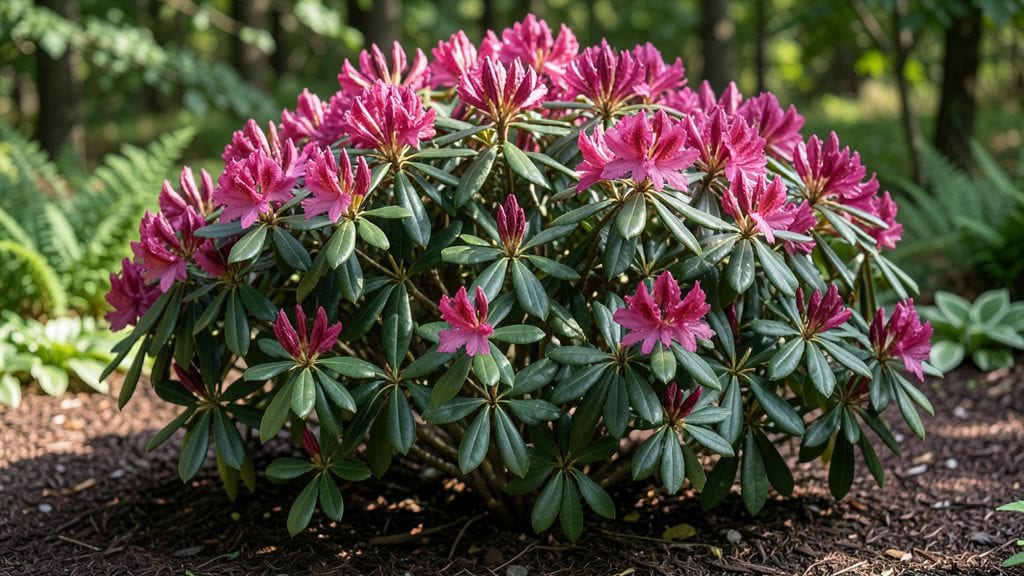
West Virginia’s state flower, the rhododendron, isn’t just a plant—it’s a bold statement of Appalachian pride wrapped in fragrant, jewel-toned blooms. 🌿 I’ve watched mine transform from winter’s bare branches to spring’s explosion of pink, purple, and white, and it’s the kind of drama that makes neighbors stop and stare.
This isn’t just a shrub; it’s a centerpiece that demands attention while blending seamlessly into the landscape.
The magic lies in how effortlessly it fits into any West Virginia garden. Use it as a focal point near patios or entryways, where its spring fragrance will greet visitors like a warm hug.
For borders, plant clusters in 3-5 foot swaths—they’ll create a lush, evergreen backdrop that stays stunning even when not in bloom. And if you love themed gardens, rhododendrons pair beautifully with native azaleas and mountain laurels for an Appalachian-inspired retreat.
What you’ll love most is how hardy these plants are in our climate—they thrive in partial shade, handle our winters, and reward you with months of color from late spring through summer.
The cultural connection runs deep too; these shrubs symbolize resilience, just like the people of West Virginia. Imagine your garden becoming a quiet tribute to both nature and heritage.
Whether you’re designing a new landscape or refreshing an old one, rhododendrons offer versatility without fuss. They work as standalone stars or supporting players in larger plantings.
The key is choosing the right variety for your light conditions—once you do, you’ll have a plant that works as hard as it looks. Let’s make your garden the talk of the neighborhood!
📚 In This Guide
- What you need
- Instructions
- Tips and common mistakes
- Wrapping up and next steps
What you need
- ● Rhododendron plants: Choose between: Nursery-grown shrubs (3–5 gallon pots, 1–3 ft tall)
- ● Seeds (if propagating from scratch—requires patience!)
- ● Hardwood cuttings (4–6 inches long, ½-inch diameter, taken in late fall/winter)
- ● Well-draining acidic soil: Mix of peat moss, pine bark, and compost (pH 4.5–6.0). Test soil pH with a soil test kit.
- ● Organic mulch: 2–3 inches of pine needles, wood chips, or shredded bark to retain moisture and acidity.
- ● Slow-release fertilizer: Acid-loving plant fertilizer (e.g., Miracle-Gro Azalea & Rhododendron Food or Oscozine).
- ● Watering can or hose with a gentle spray nozzle (avoid overhead watering to prevent fungal issues).
- ● Garden trowel or shovel (for digging holes 2–3x wider than the root ball).
- ● Pruning shears (sterilized with rubbing alcohol for cuttings).
- ● Garden gloves (to protect hands from thorns and soil).
- ● Spray bottle with water (for misting cuttings during propagation).
- ○ Plastic bags or propagation dome (optional, for humidity during rooting).
- ● Epsom salt (1 tbsp/month in water for magnesium boost).
- ● Moss or sphagnum peat moss (for extra moisture retention).
- ● Drip irrigation system (for consistent watering in dry climates).
- ● Decorative stakes or trellis (if growing climbing varieties like Rhododendron maximum).
How to cultivate West Virginia's rhododendron for season-long beauty
Here’s how to coax those lush, fragrant blooms into thriving year after year.
🌱 Step 1: Select the Right Location and Soil
Rhododendrons crave partial shade—think morning sun with afternoon relief—to prevent scorched foliage. In West Virginia’s climate, a spot under tall pines or near a north-facing wall works best. The soil must stay acidic (pH 4.5-6.0) and rich in organic matter. If your native soil is heavy clay, amend it with 3-4 inches of peat moss or pine bark fines before planting.
Dig a hole twice as wide as the root ball but only as deep as the container’s base. This encourages roots to spread horizontally rather than sink too deep. Gently loosen any circling roots with your fingers—don’t slice them. The first year is critical; these plants establish slowly.
☀️ Step 2: Plant and Water for Immediate Establishment
Position the rhododendron so the top of the root ball sits 1 inch above soil level—settling will occur over time. Backfill with the amended soil, pressing lightly to remove air pockets. Water deeply right away, soaking the entire hole until water runs out the bottom. This kickstarts root growth in the damp, cool conditions they love.
Mulch with 3 inches of pine needles or wood chips, keeping it 6 inches away from the trunk. Mulch retains moisture and mimics the acidic forest floor these plants thrive in. Avoid fresh wood chips—they can draw nitrogen away from roots. After planting, water every 2-3 days until new growth appears, then taper to once a week during dry spells.
💧 Step 3: Feed and Prune for Long-Term Health
Rhododendrons are light feeders, but they need acid-loving fertilizer in early spring. Use a slow-release rhododendron formula (like 10-10-10 with sulfur) and scatter granules 6 inches from the trunk, watering them in. Never fertilize after mid-June—new growth won’t harden off before winter. Yellowing leaves? That’s often a sign of over-fertilizing or alkaline soil.
Prune right after blooming to shape the plant and remove spent flowers. Cut back to the first set of healthy leaves below the bloom cluster—never into old wood. Avoid heavy pruning; rhododendrons flower on last year’s growth, and aggressive cuts can reduce next year’s blossoms. Use clean, sharp shears to prevent disease entry.
⏰ Step 4: Winterize for West Virginia’s Harsh Seasons
Young rhododendrons need winter protection for their first 3-4 years. Wrap the root zone with burlap or a thick layer of mulch in late fall, then add a lightweight frost blanket over the foliage if temps drop below 15°F. Older plants handle cold well, but sudden freezes can damage tender new growth.
In early spring, remove winter wraps gradually—leave them on until daytime temps consistently stay above 40°F. This prevents shock from rapid temperature swings. Watch for bud swell in late winter; that’s your cue to start light watering if the ground is dry. Rhododendrons bloom best when they’ve had steady moisture all winter.
🌿 Step 5: Monitor for Pests and Adjust Care
West Virginia’s humidity invites lace bugs and spider mites, which suck sap and cause stippled leaves. Spray with neem oil at the first sign of webbing or tiny black dots on the undersides of leaves. Avoid chemical sprays—they can harm beneficial insects and leave residues harmful to pollinators.
If leaves turn yellow with brown edges, it’s likely iron chlorosis from alkaline soil. Flush the root zone with chelated iron solution and add more sulfur or peat moss to lower pH. Over time, these adjustments will keep your rhododendron’s foliage deep green and vibrant. With patience, yours will become a fragrant, year-round centerpiece for West Virginia’s gardens.
Tips & tricks for perfect West Virginia rhododendron cultivation
Here’s what I’ve learned after years of nurturing these stunning shrubs—details that make all the difference between a struggling plant and a showstopper.
Soil pH Precision: West Virginia’s native soils often lean alkaline, which stresses rhododendrons. Test your soil’s pH before planting—aim for that 4.5-6.0 range by mixing 3-4 inches of peat moss or pine bark fines into the planting hole. I’ve seen plants thrive in amended soil that would otherwise struggle in unmodified earth. For an extra boost, add a handful of sulfur granules to the hole during planting—it’ll slowly acidify the soil over time.
Winter Protection Strategy: Those 15°F winter temps can be brutal for young rhododendrons. I’ve had plants survive harsh winters by wrapping the root zone with burlap and adding a lightweight frost blanket over the foliage when temps drop. Pro tip: Leave the winter wraps on until daytime temps stay consistently above 40°F—removing them too early can shock tender new growth. For extra insurance, add a thick layer of mulch around the base before the first frost.
Pruning Timing Matters: Wait until right after blooming to prune—never cut into old wood, as rhododendrons flower on last year’s growth. I always use clean, sharp shears and cut back to the first set of healthy leaves below the bloom cluster. This keeps the plant looking tidy while preserving next year’s blossoms. Avoid heavy pruning entirely—even removing just a few branches can significantly reduce next season’s flowers.
Pest Prevention: West Virginia’s humidity creates perfect conditions for lace bugs and spider mites. I’ve found that a neem oil spray applied at the first sign of webbing or tiny black dots on leaf undersides works wonders without harming pollinators. For iron chlorosis—those yellow leaves with brown edges—flush the root zone with chelated iron solution and add more sulfur or peat moss to lower the soil pH gradually. These adjustments can turn struggling foliage deep green in just a few weeks.
Pro Tips for West Virginia State Flower Rhododendron
- Here’s what I’ve learned after years of nurturing these stunning shrubs—details that make all the difference between a struggling plant and a showstopper.
- Soil pH Precision: West Virginia’s native soils often lean alkaline, which stresses rhododendrons.
- Winter Protection Strategy: Those 15°F winter temps can be brutal for young rhododendrons.
Frequently asked questions
Got questions about West Virginia’s stunning state flower, the rhododendron?
You’re not alone! Here are answers to the most common ones—from care tips to seasonal surprises.
When is the best time to plant rhododendrons in West Virginia?
The ideal time to plant rhododendrons is in early spring (March–April) or fall (September–October). This gives roots time to establish before extreme heat or cold. Avoid planting in summer—drought stress can harm young plants. If you must plant in winter, do so in mild, frost-free days.
Do rhododendrons lose their leaves in winter?
Yes! Rhododendrons are deciduous (some varieties) or evergreen (most common in WV). Evergreen types keep their leaves year-round but may drop them in harsh winters. Don’t worry—this is normal! Prune dead branches in late winter to encourage fresh growth.
Why aren’t my rhododendrons blooming?
Common culprits include over-fertilizing (too much nitrogen = fewer flowers), poor sunlight (they need partial shade), or stress from drought/heat. Check soil pH too—rhododendrons thrive in acidic soil (pH 4.5–6.0). If blooms are sparse, feed with an acid-loving plant fertilizer in early spring.
Are rhododendrons toxic to pets or kids?
Yes! All parts of the rhododendron—leaves, flowers, and stems—contain grayanotoxins, which can cause vomiting, drooling, or weakness if ingested. Keep pets and children away from plants, especially after pruning. If exposure occurs, contact a vet or poison control immediately.
Can I grow rhododendrons in containers?
Use a large pot (at least 15+ gallons) with well-draining, acidic soil. Choose dwarf varieties like ‘PJM’ or ‘Nova Zembla’ for smaller spaces. Water regularly (containers dry out faster) and move pots to partial shade in summer. Just ensure the container has drainage holes!
What’s a good alternative if I can’t grow rhododendrons?
If your soil isn’t acidic enough or your climate is too harsh, try these WV-friendly shrubs:
- Azaleas (same family, similar care)
- Mountain Laurel (evergreen, fragrant blooms)
- Hydrangeas (thrive in partial shade)
- Pieris Japonica (drought-tolerant, early spring flowers)
Wrapping up and next steps
The West Virginia state flower, the rhododendron, isn’t just a symbol of natural beauty—it’s a year-round celebration of resilience and fragrance. From its stunning blooms in spring to its evergreen charm in winter, this plant brings drama and elegance to any landscape.
Whether you’re a gardener or simply an admirer, embracing the rhododendron connects you to West Virginia’s rich heritage and the joy of nurturing nature.
Ready to bring this floral star into your life? Start small: plant a single rhododendron in your garden, research local nurseries for the best varieties, or even gift one to a fellow plant lover!
Every step is a chance to grow something extraordinary—just like West Virginia’s beloved state flower. 🌸