Lawn
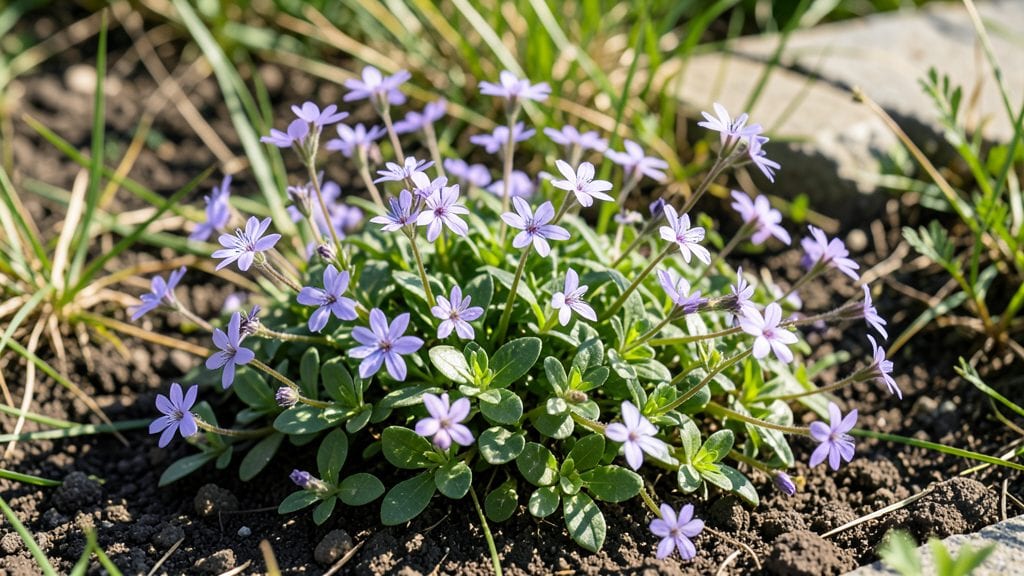
Those small purple flowers creeping through your grass aren’t just unsightly—they’re likely henbit, chickweed, or purple deadnettle, and they’re stealing nutrients from your lawn. 🌱 I’ve spent years battling these weeds, and I’ve learned the best way to tackle them is with a mix of smart timing, manual removal, and organic solutions that won’t harm your grass.
The key is acting early—before seeds spread. Pull weeds when the soil is damp (morning or after rain) to avoid breaking stems, and use a hand weeder or fork to get the roots.
For stubborn patches, a vinegar-based spray (1 gallon vinegar + 1 cup dish soap) works fast, but test it on a small grass area first to avoid damage.
What you’ll end up with is a lawn that stays green and dense, not dotted with purple invaders. Prevent regrowth by overseeding bare spots, keeping grass tall (3+ inches), and watering deeply but infrequently—this crowds out weeds naturally.
The payoff? A yard that looks like it belongs in a postcard, not a weed manual.
Works for any grass type, from fescue to Bermuda, and even handles those weeds that pop up in spring or fall. Let’s get your lawn back to looking its best—without harsh chemicals.
📚 In This Guide
- What you need
- Instructions
- Tips and common mistakes
- Wrapping up and next steps
What you need
- ● Gloves – A pair of durable garden gloves (nitrile or leather) to protect your hands from thorns or sap.
- ● Hand Trowel or Weeding Tool – A sturdy, long-handled tool (like a dandelion digger) for deep extraction.
- ● Pruners or Scissors – Sharp, bypass pruners for cutting weeds at the base (great for stubborn roots).
- ● Boiling Water – 1-2 gallons (for spot treatment—just pour it directly on weeds!).
- ● White Vinegar – 1 gallon (5% acetic acid) mixed with 1 tbsp dish soap for a natural herbicide.
- ● Corn Gluten Meal – 10-20 lbs (organic pre-emergent to prevent future weeds—apply in early spring).
- ● Mulch or Straw – 2-3 inches thick (to smother weeds and retain moisture).
- ● Garden Spray Bottle or Pump Sprayer – For homemade weed killer mixes (like vinegar or salt solutions).
- ● Salt – 1 cup (mix with vinegar for tough weeds—use sparingly near grass edges!).
- ● Baking Soda – 1 cup (sprinkle on weeds to dry them out).
- ● Compost or Grass Clippings – To replenish soil after weeding.
- ● Knee Pad or Small Stool – For comfortable, low-impact weeding.
- ● Magnifying Glass – To ID tricky weeds (like henbit or chickweed).
Step-by-step guide to removing purple flowered weeds from grass
Here's how to tackle those stubborn purple bloomers without harsh chemicals.
🌿 Step 1: Identify the Weeds Accurately
Start by examining the weeds closely. Purple-flowered weeds in grass are often henbit or chickweed, but could also be clover or violet. Henbit has square stems and grows in rosettes, while chickweed has smooth stems and tiny oval leaves. Pull a few to check the roots—deep taproots (like dandelions) need special treatment, while shallow roots can be yanked easily.
I like to grab a small handful of grass and compare the weed leaves directly. Purple flowers usually mean they're in the mint family or legumes, both of which spread aggressively. If the flowers are tiny and clustered, it's likely henbit—this one spreads like wildfire in spring.
💧 Step 2: Water the Area Before Pulling
Water the lawn deeply 1-2 hours before pulling to soften the soil. You want the top 4-6 inches moist but not soggy—just damp enough that the roots slide out cleanly. I set a timer for 15 minutes with a sprinkler and check with my finger: if it feels like a wrung-out sponge, you're good to go.
This step is crucial. Dry soil makes weeds brittle, but they'll snap off at the surface and regrow. Wet soil lets you pull the entire root system, which prevents regrowth. Avoid watering right before a rainstorm—muddy soil makes pulling nearly impossible.
✂️ Step 3: Pull by Hand at the Right Time
Wait until morning after watering when the lawn is damp but not wet. Grab the weed just below the soil line with your thumb and forefinger, then pull upward with steady pressure. For stubborn weeds, I kneel and use a weed-pulling tool—it gives me extra leverage without straining my back.
Don't yank sideways or you'll tear the grass roots. You'll know you've got the whole root when the hole closes behind it. If purple flowers keep appearing, you're missing roots—go back and check each spot. I like to pull in small sections (about 2 square feet at a time) to avoid missing any.
☀️ Step 4: Prevent Regrowth with Natural Methods
After pulling, water again lightly to help grass recover. For persistent weeds, apply a 2-inch layer of mulch (like shredded leaves) around affected areas. This blocks sunlight that weeds need to germinate. I've found that corn gluten meal (applied in early spring) prevents new seeds from sprouting—just sprinkle 1 pound per 100 sq ft and water it in.
For bare spots, overseed immediately with grass seed and keep the area moist for 2-3 weeks. Weeds move into empty spaces fast. If you see new purple sprouts, pull them before they flower—this stops their spread before it starts.
Tips & tricks for perfect purple flowered weed removal
Here's what I've learned after battling these stubborn purple bloomers in my own lawn—tricks that'll save you time and frustration.
Timing Secret: The 1-2 hour window before pulling is your best friend. I've found that pulling in the morning after watering gives you the perfect damp-but-not-muddy soil. If you're short on time, try watering in the evening and pulling first thing in the morning—this gives the soil exactly 12-15 hours to absorb moisture without becoming waterlogged. For stubborn patches, I even set a reminder on my phone for 1 hour after watering to ensure I don't forget this critical step.
Root Rescue Strategy: When you see those purple flowers reappear, you're dealing with root fragments. I learned this the hard way after missing a few tiny root pieces that grew back into full plants. Here's my trick: After pulling, run your fingers through the soil where the weed was. Any tiny root pieces will feel like little strings—pull those out too. This might take an extra 5 minutes, but it prevents the weeds from coming back stronger than ever.
Tool Upgrade: While you can pull weeds by hand, I highly recommend investing in a simple weed-pulling tool. The ones with a forked end give you extra leverage without straining your back. I use mine to gently pry around the weed's base, then pull upward. For large lawns, consider a dandelion digger tool—it works great for both types of weeds. And if you're dealing with clover, a clover hog tool can make the job 10 times faster.
Prevention Hack: After you've cleared the weeds, sprinkle a thin layer of corn gluten meal around the area. I use about ½ pound per 100 square feet—just enough to create a barrier. This natural pre-emergent herbicide prevents weed seeds from sprouting for up to 3 months. It's especially effective in early spring when those purple flowers start appearing. The best part? It won't harm your grass or other plants.
Pro Tips for Weeds Small Purple Flowers In Grass
- Here's what I've learned after battling these stubborn purple bloomers in my own lawn—tricks that'll save you time and frustration.
- Timing Secret: The 1-2 hour window before pulling is your best friend.
- Root Rescue Strategy: When you see those purple flowers reappear, you're dealing with root fragments.
Frequently asked questions
Got questions about those pesky small purple-flowered weeds popping up in your grass? You’re not alone! Here are some of the most common concerns—and practical solutions—to keep your lawn looking lush and weed-free.
What are these small purple weeds with tiny flowers in my lawn?
These are likely henbit (Lamium amplexicaule) or purple deadnettle (Lamium purpureum). Both are winter annuals that thrive in cool weather, spreading via seeds and creeping stems. Henbit’s square stems and purple flowers are classic giveaways!
When is the best time to remove these weeds naturally?
Act now—spring and fall are the best times to tackle them before they seed. Pull them before flowers appear (early spring) or after they’ve bloomed (late spring/early summer). Hand-pulling works best when soil is moist, but avoid tilling to prevent spreading seeds.
What’s the easiest natural way to kill these weeds without chemicals?
Try a vinegar-based spray (1 gallon white vinegar + 1 oz dish soap) on a dry, sunny day—it burns foliage but may require repeat applications. For stubborn patches, corn gluten meal (applied pre-emergence in fall) prevents seeds from sprouting. Pro tip: Smother weeds with thick mulch or cardboard if they’re in high-traffic areas.
Why do these weeds keep coming back even after I pull them?
These weeds are prolific seeders—one plant can produce thousands of seeds! Pull every plant (including tiny seedlings) and dispose of them in the trash (not compost). Thicken your grass with overseeding in fall to outcompete weeds, and mow high (3–4 inches) to shade out regrowth.
Will these weeds harm my grass or garden?
Not directly, but they compete for nutrients, water, and sunlight, weakening your lawn. Left unchecked, they can also self-seed aggressively, turning your yard into a purple carpet! However, they’re non-toxic to pets and people—just unsightly (and stubborn).
Bonus Tip: How can I prevent them next year?
- Improve soil health with compost to encourage thick, healthy grass.
- Mow regularly (never cut more than ⅓ of the blade at once).
- Aerate compacted soil in fall to reduce weed-friendly conditions.
- Apply pre-emergent (like corn gluten) in late winter to block seeds.
Wrapping up and next steps
Identifying those small purple flowers in grass is the first step to reclaiming your lawn naturally! Whether it’s clover, henbit, or chickweed, understanding their growth habits and using eco-friendly methods like vinegar sprays or manual removal can make a big difference. 🌱
Don’t let weeds take over—start small, stay consistent, and watch your lawn thrive! Ready to tackle it? Grab your tools and begin today! For extra help, explore organic lawn care guides or consult local gardening experts to keep your yard lush and weed-free.