
Flowers
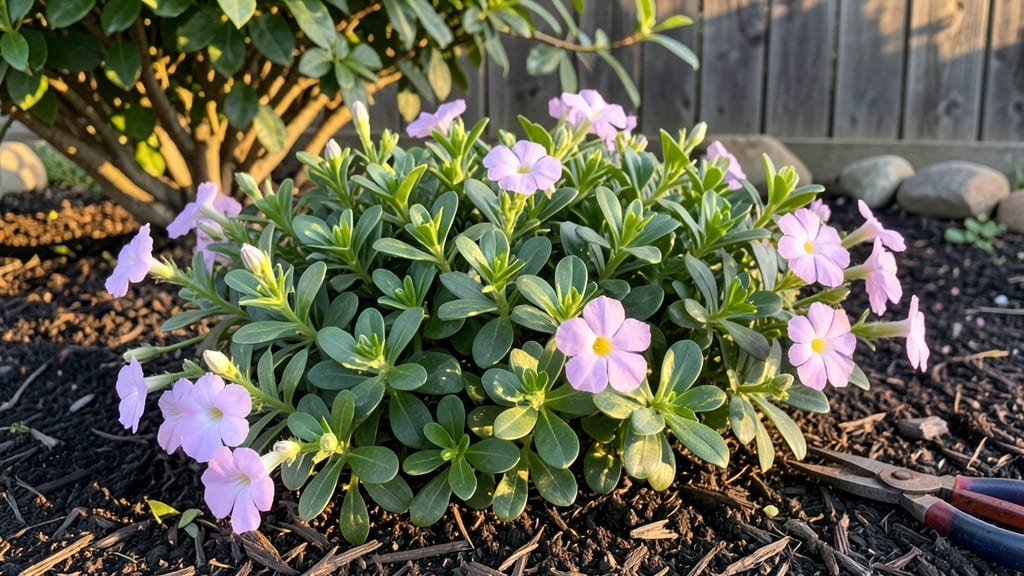
Caring for vinca flowers is the kind of gardening that rewards you for doing almost nothing—just sunlight, occasional water, and a little patience. 🌿 I’ve had these tough-as-nails plants thrive in pots, borders, and even between sidewalk cracks, proving they’re the ultimate low-maintenance star.
The key lies in understanding their simple needs: bright light, well-draining soil, and a "set it and forget it" watering routine that keeps roots happy without drowning them.
Vinca flowers handle heat, humidity, and even drought once established, making them perfect for busy gardeners or those with forgetful watering habits. They bloom from spring through fall with those classic five-petaled flowers in purple, white, or pink, and they keep their glossy foliage all year in milder climates.
The secret to their success? Pruning back leggy stems in early spring and fertilizing lightly once or twice a season—nothing more complicated than that.
What you’ll end up with is a plant that looks effortlessly lush, even in tough spots where other flowers struggle. Their deep green leaves stay vibrant, and the flowers keep coming back, wave after wave, with almost no fuss.
No wilting, no pests, no drama—just reliable, cheerful blooms that brighten up any space. Ready to see why vinca is the workhorse of the garden?
Whether you’re growing them in containers on a balcony or lining a sunny border, vinca adapts to almost any situation. They’re winter-hardy in zones 8-11, but even in colder areas, they bounce back like nothing happened after a frost.
Let’s get into the simple steps that keep them thriving all season long.
📚 In This Guide
- What you need
- Instructions
- Tips and common mistakes
- Wrapping up and next steps
What you need
- ● Vinca plants: 1–3 nursery-grown plants (perennial varieties like Vinca minor or annuals like Catharanthus roseus)
- ● Well-draining potting mix: 2–3 gallons (for containers) or amended garden soil (for in-ground planting)
- ● Organic fertilizer: Balanced 10-10-10 or slow-release granules (1–2 tbsp per plant)
- ● Watering can or hose: With a gentle spray nozzle for hydration
- ● Pruning shears: Sharp, sterilized pair for trimming
- ○ Gloves: (Optional) For handling prickly leaves or soil
- ● Mulch: 1–2 inches of shredded bark or pine needles (to retain moisture)
- ● Container (if potted): 10–12" diameter pot with drainage holes (for annual vincas)
- ● Staking (for tall varieties): Small bamboo stakes or cages (if needed for support)
Step-by-Step guide to growing vibrant vinca flowers
Here's how to keep your vinca blooming effortlessly year after year.
🌱 Step 1: Choose the Perfect Planting Spot
Vinca thrives in full sun to partial shade—at least 6 hours of sunlight daily for best blooms. I always pick a location with morning sun and afternoon shade to prevent leaf scorch, especially in hot climates. The soil should drain well because vinca roots hate soggy conditions.
Test your spot by digging a small hole—if water pools after 10 minutes, amend the soil with 1-2 inches of coarse sand or perlite to improve drainage. Vinca adapts well to different soil types, but it performs best in slightly acidic to neutral pH (6.0-7.0). A simple soil test kit makes this easy to confirm.
💧 Step 2: Water Deeply but Infrequently
Water vinca deeply once a week during the first growing season to encourage strong root development. You'll know it's time when the top 2 inches of soil feel dry to touch. Overwatering is the fastest way to kill vinca—it's drought-tolerant once established, so let the soil dry between waterings.
After the first year, vinca becomes incredibly hardy. I typically water mine every 10-14 days unless we're in a heatwave. The leaves will curl slightly if thirsty, but they bounce back quickly once watered. Mulch around the base with 2-3 inches of organic mulch to retain moisture and suppress weeds—just keep it 6 inches away from the stems to prevent rot.
☀️ Step 3: Prune for Continuous Blooms
The secret to nonstop vinca flowers is regular pruning. After the first flush of blooms fades, cut back the stems by one-third using clean, sharp pruners. This encourages bushier growth and triggers new flower production. I always prune in the morning when the plants are hydrated and temperatures are cooler.
Deadhead spent blooms throughout the season to redirect the plant's energy into new flowers rather than seed production. Pinch back leggy stems to maintain a compact shape—vinca grows aggressively, so a little trimming keeps it tidy. Never remove more than one-third of the plant at a time, or you'll stress it unnecessarily.
✂️ Step 4: Divide and Propagate Every Few Years
Vinca forms dense clumps over time, so dividing it every 3-4 years keeps it vigorous. Wait until early spring before new growth appears, when the plant is actively regrowing. Dig up the entire clump and separate it into smaller sections with 3-4 stems each—you'll see roots already connecting the sections.
Replant the divisions immediately in fresh soil, watering deeply to help them establish. The extra plants make great gifts or fill spots where vinca has thinned. This is also the perfect time to check for pests—healthy vinca rarely attracts them, but a quick inspection ensures no hidden issues.
Tips & tricks for perfect vinca flowers care
Here's what nobody tells you about keeping vinca blooming beautifully with almost no effort.
Sunlight Strategy: That 6-hour sunlight requirement in Step 1 is non-negotiable for vibrant blooms, but here's the trick: vinca handles afternoon shade better than full sun in hot climates. I've noticed my plants actually bloom more prolifically when they get morning sun and afternoon shade—it prevents leaf scorch while still giving them enough light. If you're in a particularly hot region, consider a 50% shade cloth during peak summer afternoons.
Soil Test Hack: The slightly acidic to neutral pH (6.0-7.0) mentioned in Step 1 can be tricky to achieve if your soil is naturally alkaline. I've found that mixing in 1 cup of peat moss per square foot of planting area helps lower the pH naturally. You can also use coffee grounds from your kitchen—just sprinkle them around the base occasionally. The key is to test first with that simple soil test kit to avoid over-acidifying.
Watering Wisdom: The once-a-week watering in Step 2 works perfectly, but here's how to tell if you're doing it right: stick your finger about 2 inches into the soil—if it feels dry, water deeply until you see moisture come out the bottom of the pot (if potted) or until the top 6 inches are thoroughly wet. I've ruined vinca plants by watering too lightly, which encourages shallow roots. A moisture meter is worth the investment if you're unsure.
Pruning Pro Tip: When you're cutting back those stems by one-third in Step 3, save the cuttings! Place them in a glass of water and they'll root in about 2 weeks—free new plants. Also, I've found that pruning just after a heavy rain is ideal because the plants are already hydrated and more resilient. The morning timing mentioned is perfect because it gives any residual moisture overnight a chance to dry slightly before cutting.
Pro Tips for Vinca Flowers Care
- Here's what nobody tells you about keeping vinca blooming beautifully with almost no effort.
- Sunlight Strategy: That 6-hour sunlight requirement in Step 1 is non-negotiable for vibrant blooms, but here's the trick: vinca handles afternoon shade better than full sun in hot climates.
- Soil Test Hack: The slightly acidic to neutral pH (6.0-7.0) mentioned in Step 1 can be tricky to achieve if your soil is naturally alkaline.
Frequently asked questions
Got questions about keeping your vinca flowers happy? You’re not alone!
Here are answers to the most common concerns—from pruning to pests—so you can enjoy their vibrant blooms with confidence.
How often should I water vinca flowers?
Vinca flowers are drought-tolerant once established, so water deeply but infrequently. Aim for 1 inch of water per week, letting the soil dry out between waterings. Overwatering can lead to root rot, so ensure pots or garden beds have good drainage.
When and how should I prune vinca flowers?
Prune vinca in early spring to shape the plant and encourage bushier growth. Trim back dead or leggy stems to just above a leaf node, and never cut more than ⅓ of the plant at once. Deadhead spent blooms throughout the season to prolong flowering.
What pests commonly affect vinca flowers, and how do I treat them?
Vinca is generally pest-resistant, but aphids, spider mites, or whiteflies may appear. For mild infestations, spray plants with a strong stream of water. For severe issues, use neem oil or insecticidal soap, following label instructions.
Can vinca flowers survive winter, or do I need to protect them?
Most vinca varieties (like Vinca minor or Catharanthus roseus) are hardy to USDA zones 7–11. In colder climates, mulch the base or move potted plants to a sheltered spot. If frost threatens, cover with burlap until temperatures rise.
Are there any low-maintenance alternatives to vinca flowers?
If you love vinca’s easy-care charm, try lantana, sedum, or black-eyed Susan for similar drought tolerance and long blooms. For trailing plants, creeping thyme or ice plant are great substitutes with minimal fuss.
Wrapping up and next steps
Caring for vinca flowers is a breeze—whether you're a seasoned gardener or just starting out!
With their low-maintenance nature, stunning blooms, and resilience, these plants reward you with beauty year-round. 🌿✨ Now that you’re armed with the right tips, why not treat yourself to a few vinca plants and enjoy their effortless charm in your garden or containers?
Ready to elevate your gardening game? Start by picking your favorite variety and give these tough yet gorgeous flowers a try—they’ll thank you with vibrant, long-lasting blooms!