
Flowers
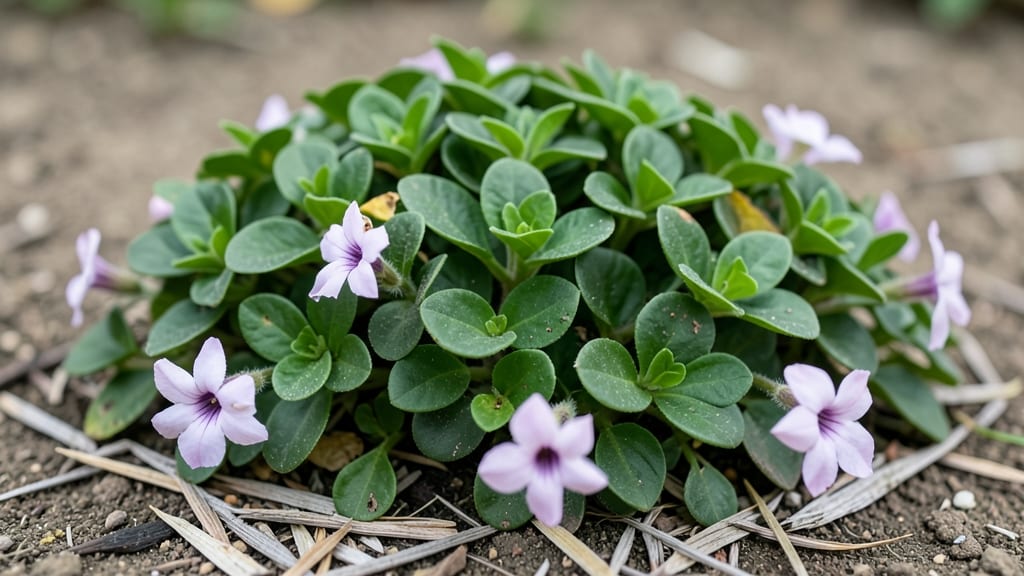
A vinca flower bed transforms bare ground into a lush, evergreen carpet that stays vibrant even when other plants fade. 🌿 I remember the first time I saw one—deep green leaves peeking through winter snow, then bursting into spring blooms without a single dead spot.
That resilience is what makes vinca the secret weapon of low-maintenance gardens.
What you’ll love most is how vinca handles everything: shade, drought, and even foot traffic. It’s perfect for borders, containers, or filling gaps between stepping stones where other plants would struggle. Pair it with lavender for a fragrant contrast or add white daisies for height—your design choices are endless.
The key is spacing plants 12-18 inches apart so they spread beautifully without crowding.
By summer, you’ll have a thick, weed-blocking mat with occasional bursts of purple or white flowers. The best part? No dead patches in winter, no replanting every spring.
It’s the kind of garden that looks intentional with almost no effort. Let’s design yours—whether you want a bold statement or a subtle, evergreen base.
Works in sun or shade, urban or rural, and even thrives in containers. Start small with a single border, or go bold with a full-bed transformation. The only limit is your imagination—and vinca’s relentless growth.
📚 In This Guide
- What you need
- Instructions
- Tips and common mistakes
- Wrapping up and next steps
What you need
- ● Vinca plants (Periwinkle) – Choose between Vinca major (larger leaves, 6–12" tall) or Vinca minor (smaller, 4–6" tall). You’ll need 10–15 plants per 10 sq. ft. for full coverage.
- ● Well-draining potting soil – 1–2 bags (1.5–2 cu. ft. each), amended with compost for nutrient-rich growth.
- ○ Mulch (optional but recommended) – 2–3 inches of shredded bark, pine straw, or cypress mulch to retain moisture and suppress weeds.
- ● Garden gloves – A pair to protect your hands while planting.
- ● Hand trowel or transplant spade – For digging small holes (6" deep, 12" apart for spacing).
- ● Watering can or hose with a gentle spray nozzle – Vinca loves moisture but hates soggy roots!
- ○ Pruning shears (optional) – For trimming leggy stems or shaping your bed after planting.
- ○ Slow-release fertilizer (optional) – A 10-10-10 or 20-20-20 blend (1 tbsp per plant) to boost early growth.
- ○ Edging material (optional) – Metal, plastic, or stone edging to define your flower bed neatly.
- ● ✅ A sunny to partially shaded spot (vinca tolerates 4–6 hours of direct sun daily).
- ● ✅ Well-draining soil – Vinca hates waterlogged roots! Amend clay soil with sand or perlite if needed.
- ● ✅ A defined bed area – Sketch or mark your design (rectangular, circular, or free-form) with stakes or spray paint.
- ● ✅ Water access nearby – Vinca needs 1 inch of water per week (more in extreme heat).
How to create a thriving vinca flower bed
Here's my go-to approach for a lush, low-maintenance vinca ground cover that stays vibrant all year.
🌱 Step 1: Prepare the Soil for Optimal Growth
Vinca thrives in well-draining soil with a slightly acidic to neutral pH. Start by clearing the area of weeds and debris, then loosen the top 6 inches of soil with a garden fork. I like to work in a 2-inch layer of compost to improve fertility and drainage—this prevents waterlogging, which vinca hates.
For heavier clay soils, mix in 1 part sand to 3 parts soil to create a looser texture. You'll know the soil is ready when it crumbles easily between your fingers and holds moisture without becoming soggy. Avoid fresh manure or high-nitrogen fertilizers at planting time—vinca grows best with balanced, slow-release nutrients.
🪴 Step 2: Plant Vinca in the Right Pattern
Space vinca plants 12-18 inches apart for full coverage. Dig holes just slightly deeper than the root ball but no deeper—this prevents root rot. I like to plant in a staggered pattern (like bricks) to create a seamless, natural look. Gently remove each plant from its container and tease the roots apart if they're circling.
Place each plant in its hole, then backfill with soil, pressing lightly to eliminate air pockets. Water deeply right after planting to settle the soil and encourage root contact. You'll notice the leaves perk up almost immediately—that's your signal the roots are happy and hydrated.
☀️ Step 3: Provide Sunlight and Water Consistently
Vinca loves full sun to partial shade, but in hot climates, afternoon shade prevents leaf scorch. Once established, vinca is drought-tolerant, but young plants need 1 inch of water per week during the first growing season. Water at the base rather than overhead to reduce disease risk.
Here's the thing—vinca's deep green leaves wilt slightly in extreme heat, but they bounce back quickly when watered. If you see persistent wilting or yellowing, it's a sign of either underwatering or overwatering. Let the top 1-2 inches of soil dry out between waterings to strike the right balance.
✂️ Step 4: Maintain with Minimal Pruning
Vinca rarely needs pruning, but a light trim in early spring encourages bushier growth. Simply snip back any leggy stems or spent flowers with clean pruners. I like to cut just above a set of leaves to promote branching. Deadheading isn't necessary since vinca blooms sporadically, but removing faded flowers keeps the bed looking tidy.
In late fall, give the bed a quick tidy-up by removing any dead or damaged foliage. This prevents pests from overwintering in debris. Vinca's evergreen nature means you won't have to worry about bare spots in winter—just a little cleanup goes a long way.
Tips & tricks for perfect vinca flower beds
A few simple tricks will help your vinca ground cover grow lush and vibrant with minimal effort.
Soil Preparation Secret: When amending your soil with the 2-inch layer of compost, mix in a handful of perlite or vermiculite for extra drainage. This is especially important in Step 1 if you're in a rainy climate—vinca's roots will thank you by staying healthy and preventing that dreaded waterlogging. I've seen vinca plants struggle in heavy clay even with compost when they don't have that extra airflow.
Planting Pattern Pro Tip: For that seamless look in Step 2, try planting vinca in a checkerboard pattern rather than just staggered rows. This creates visual interest while maintaining full coverage. The 12-18 inch spacing gives each plant enough room to spread without competing for nutrients—just make sure to water deeply after planting so those roots establish quickly.
Watering Wisdom: During those first few weeks after planting, I like to use a soaker hose for the 1 inch of weekly water in Step 3. It delivers water right at the roots where vinca needs it most, without wetting the leaves and inviting fungal diseases. The top 1-2 inches of soil drying between waterings is your golden rule—stick to it, and you'll avoid both underwatering and overwatering headaches.
Pruning Shortcut: If you're short on time for the spring trim in Step 4, just give your vinca a quick "haircut" with hedge shears instead of pruners. Cut back about one-third of the height all at once—this encourages dense, bushy growth without the fuss of individual stem snipping. Just be sure to clean your tools afterward to prevent spreading any potential diseases between plants.
Pro Tips for Vinca Flower Bed
- A few simple tricks will help your vinca ground cover grow lush and vibrant with minimal effort.
- Soil Preparation Secret: When amending your soil with the 2-inch layer of compost, mix in a handful of perlite or vermiculite for extra drainage.
- Planting Pattern Pro Tip: For that seamless look in Step 2, try planting vinca in a checkerboard pattern rather than just staggered rows.
Frequently asked questions
Got questions about creating or maintaining a vinca flower bed?
You’re not alone! Here are some of the most common queries—plus practical answers to help your evergreen ground cover shine year-round.
How much sun does vinca need to thrive in a flower bed?
Vinca is famously low-maintenance and adaptable! It thrives in full sun to partial shade (6+ hours of sunlight daily). For vibrant blooms, aim for at least 4–6 hours of sun. In hot climates, morning sun with afternoon shade can prevent stress. Pro tip: If your vinca looks leggy, it might need more light!
When is the best time to plant vinca for a flower bed?
The ideal planting window is early spring or early fall when temperatures are mild (50–75°F). This gives roots time to establish before extreme heat or cold. Avoid planting in peak summer unless you’re in a cooler zone—vinca can struggle with transplant shock in scorching weather. Bonus: Spring planting often leads to faster blooms!
Are vinca plants deer- or rabbit-resistant? Can they still be eaten?
Yes! Vinca (especially Vinca minor and Vinca major) is highly deer- and rabbit-resistant due to its milky sap, which many animals dislike. However, extreme hunger (like in winter) might tempt them. For extra protection, apply deer repellent or pair vinca with drought-tolerant perennials like lavender or sedum.
Why is my vinca turning yellow or brown? Is it dying?
Yellowing or browning vinca usually signals overwatering, underwatering, or fungal issues. Check the soil—it should be moist but not soggy. Brown edges often mean too much sun or drought stress, while yellow spots could indicate root rot (cut back affected areas and improve drainage). Fix it: Adjust watering, mulch to retain moisture, and prune dead foliage.
Can I mix vinca with other ground covers or flowers?
Vinca pairs beautifully with hostas, ferns, heucheras, or creeping thyme for texture contrast. For height, add ornamental grasses, sedum, or daylilies. Just avoid competitive plants like aggressive spreaders (e.g., mint or creeping Charlie). Design tip: Use vinca as a foundation layer under shrubs or perennials for a lush, layered look!
How do I renew or revive an old vinca flower bed?
If your vinca looks tired, prune it back by 1/3 in early spring to encourage new growth. For dense coverage, thin out crowded patches and fill gaps with new plants. Fertilizer hack: A light application of balanced 10-10-10 in spring can boost blooms. Avoid heavy feeding—vinca prefers lean soil!
Wrapping up and next steps
Creating a stunning vinca flower bed is a rewarding way to add year-round beauty and low-maintenance charm to your garden. These hardy perennials offer vibrant color, drought tolerance, and resilience—perfect for busy gardeners or those craving effortless elegance.
Whether you’re lining a pathway, cascading over a slope, or filling a sun-drenched border, vincas deliver wow with minimal fuss.
Ready to transform your space? Start small—plant a single bed or expand gradually—and enjoy the satisfaction of a garden that thrives with confidence and joy. Grab your gloves, pick your favorite vinca variety, and let nature do the rest! 🌿✨