
Flowers
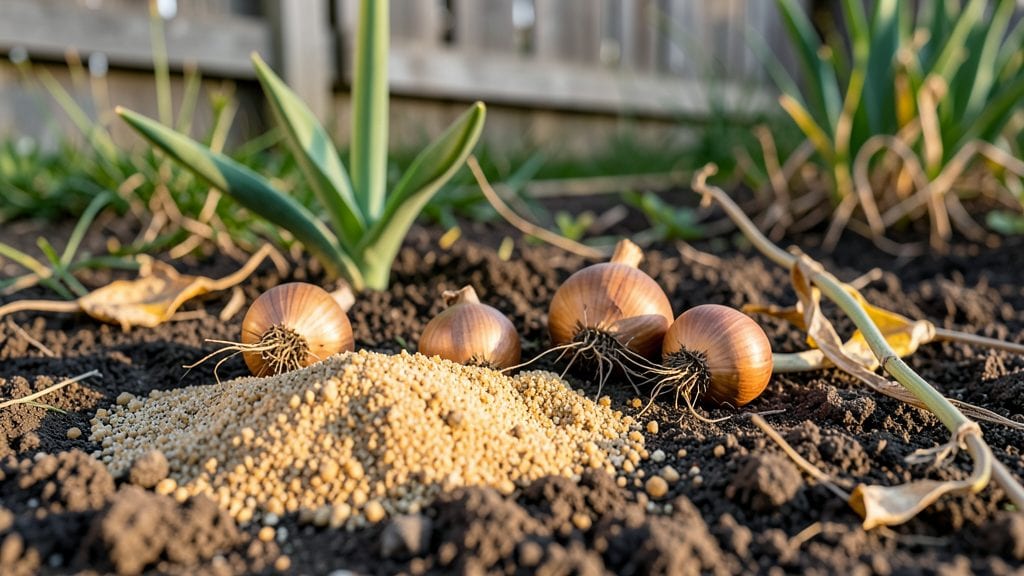
Planting tulip flower bulbs in early fall guarantees those first blushes of spring color—right through frost—because they thrive in cold soil. I remember the first time I saw my own tulips poking through snow: it felt like nature’s way of saying, "I’ve got this."
The secret isn’t just timing, though—it’s knowing how to store those bulbs over winter if you’re in a warmer zone, or how to protect them from hungry squirrels in colder climates.
You’ll need hardy bulbs (like Darwin Hybrids or Parrot tulips), a shovel, and a spot with at least 6 hours of sun. Most gardeners plant in October or November, but zones 7-10 can wait until December—just get them in before the ground freezes.
The deeper you bury them (6-8 inches), the better they’ll survive winter’s worst. And yes, you can plant them in containers too, which is a lifesaver for renters or small spaces.
By spring, you’ll have bold, velvety blooms that last weeks—even in chilly weather. The key is patience: tulips take time to establish roots, but once they do, they’ll multiply and return year after year.
Just don’t cut the foliage too soon after blooming—that’s how they fuel next year’s flowers. For extra protection in windy areas, stake them before they open fully.
Whether you’re in zone 3’s deep freeze or zone 9’s mild winters, tulips adapt—with a few tweaks. Store extra bulbs in a cool, dry place (like a mesh bag in the fridge) if you’re not planting them all.
And if your soil drains poorly, mix in sand or compost to keep roots happy. The payoff? A garden that wakes up earlier than the squirrels.
📚 In This Guide
- What you need
- Instructions
- Tips and common mistakes
- Wrapping up and next steps
What you need
- ● Tulip flower bulbs: Choose hardy varieties (e.g., Darwin hybrids, Fosteriana) for frost resistance. Quantity: 10–20 bulbs per 10 sq. ft. of garden space (adjust based on desired density).
- ● Well-draining soil: Mix loamy or sandy soil with 2–3 inches of compost or aged manure to improve fertility and drainage.
- ● Garden fork or tiller: For loosening soil to a depth of 12–18 inches.
- ○ Bone meal or bulb fertilizer: 1–2 tbsp per bulb (high in phosphorus for root growth). Optional: Slow-release bulb fertilizer granules.
- ● Watering can or hose with a gentle spray nozzle: For deep but infrequent watering.
- ● Mulch (straw, pine needles, or shredded leaves): 2–3 inches to insulate bulbs in winter and retain moisture.
- ● Bulb planter or drip irrigation system: For precise planting depth (6–8 inches) and automated watering.
- ● Frost cloth or row covers: To protect emerging shoots from late frosts (spring-only).
- ● Garden gloves and knee pads: For comfort during planting.
- ● Stakes or rings: If growing tall varieties (e.g., Parrot tulips) to prevent flopping.
- ● Soil pH test kit: Aim for pH 6.0–7.0 (tulips thrive in slightly acidic to neutral soil).
How to plant tulip bulbs for reliable spring color
Here's the foolproof method I've used for years to get tulips blooming earlier and stronger than neighbors'.
Choose the Right Bulbs and Location
Pick disease-resistant tulip bulbs—look for certified varieties labeled for your climate zone. I always check the label for terms like "tolerant" or "resistant" to avoid future rot. The best locations get full sun (6+ hours daily) but tolerate light shade in hotter regions.
Test your soil's drainage first. Dig a 6-inch deep hole—if water pools after 30 minutes, amend with 2-3 inches of coarse sand or perlite before planting. Tulips hate soggy roots, which leads to bulb rot and missed blooms.
Plant at the Correct Depth and Spacing
Use a trowel to dig holes about 6-8 inches deep—twice the height of the bulb. Planting too shallow makes bulbs vulnerable to frost heave, while too deep delays blooming. Space bulbs 4-6 inches apart in rows for easy maintenance.
Place each bulb with the pointy end facing up—this ensures proper root growth. I like to add a small handful of bone meal fertilizer to each hole (about 1 tablespoon per bulb) for early root development. Gently backfill with soil, leaving no air pockets around the bulb.
Water and Mulch for Winter Protection
Water deeply right after planting to settle the soil and encourage root growth. Aim for 1 inch of water per week until the ground freezes—this gives roots a head start. Avoid overwatering, as soggy soil promotes rot before winter.
Apply 2-3 inches of mulch (like shredded bark or straw) once the ground freezes. This protects bulbs from extreme temperature swings and prevents frost from pushing them out of the soil. I always mark planted areas with stakes or flags so I don't disturb them in spring.
Maintain Through Winter and Early Spring
Leave the mulch in place until late winter—it regulates soil temperature and prevents freezing-thaw cycles that damage bulbs. Remove it in early March (or when shoots appear) to allow sunlight to reach emerging stems.
Once shoots reach 2-3 inches tall, water lightly to encourage blooming. Avoid fertilizing until after flowers fade—early feeding can weaken bulbs. Watch for yellowing leaves after blooming; this is normal and signals the bulb is storing energy for next year.
Deadhead and Plan for Next Year
Cut back faded blooms but leave foliage until it yellows naturally. This process lets bulbs photosynthesize and store energy for next spring. I always wait until at least 6 weeks after blooming before removing leaves entirely.
After foliage dies back, add a light layer of compost (about 1 inch) around the planting area. This replenishes nutrients without disturbing bulbs. Mark the spot again—tulips often return for 3-5 years with proper care, but I replant every few seasons to prevent disease buildup.
Tips & tricks for perfect tulip planting
Here's what I've learned after years of getting tulips to bloom reliably—these tricks make all the difference between a few sad stems and a vibrant spring display.
Bulb Selection Matters: When choosing disease-resistant tulips, look for labels mentioning "virus-tested" or "certified disease-free." I've found that Darwin Hybrid tulips and Parrot tulips are particularly hardy for first-time planters. Avoid bargain bulbs from unmarked sources—they're often infected with tulip fire disease, which spreads quickly and can kill your entire planting.
Soil Test First: That 30-minute drainage test in Step 1 is crucial—if water still pools after 30 minutes, you'll need to amend your soil more aggressively. For heavy clay soils, mix in 4-6 inches of compost along with the sand or perlite. This creates better aeration for roots while improving moisture retention during dry spells. I've had to completely replace the top 12 inches of soil in some garden beds to get tulips thriving.
Planting Timing Secret: The best time to plant is actually 4-6 weeks before your ground freezes—this gives roots time to establish before winter. In most zones, that means planting in October or November. If you're in a warmer climate where ground doesn't freeze, plant in winter months instead. The key is to have bulbs in the ground before active root growth begins in spring.
Winter Protection Upgrade: For areas with extreme winter temperatures (below 0°F), add 4-6 inches of mulch instead of the standard 2-3 inches. I've seen tulips survive -20°F winters with this extra protection. In urban areas where soil heats up quickly in spring, use black plastic mulch after removing the winter mulch to warm the soil faster and encourage earlier blooming.
Pro Tips for Tulip Flower Bulbs
- Here's what I've learned after years of getting tulips to bloom reliably—these tricks make all the difference between a few sad stems and a vibrant spring display.
- Bulb Selection Matters: When choosing disease-resistant tulips, look for labels mentioning "virus-tested" or "certified disease-free."
- Soil Test First: That 30-minute drainage test in Step 1 is crucial—if water still pools after 30 minutes, you'll need to amend your soil more aggressively.
Frequently asked questions
Got questions about growing tulip flower bulbs?
You’re not alone! Here are answers to the most common queries to help you cultivate stunning early spring blooms with confidence.
When is the best time to plant tulip bulbs?
Plant tulip bulbs in fall—typically between October and December, depending on your climate zone. Aim for 6-8 weeks before the ground freezes to allow roots to establish. In warmer regions, late fall (November) works best. Pro tip: Use a soil thermometer to ensure temps are below 60°F (15°C) for ideal planting!
Can tulip bulbs survive a harsh winter?
Yes! Tulip bulbs are hardy perennials that thrive in cold climates (USDA Zones 3-8). They need winter dormancy to bloom beautifully in spring. Mulch lightly after planting (2-3 inches of straw or leaves) to protect them from extreme cold or thaw-freeze cycles. Avoid heavy mulch, which can rot bulbs.
How do I know if my tulip bulbs are still viable?
Check for firm, plump bulbs with no soft spots or mold. A healthy bulb should feel heavy for its size and have a papery skin. If you’re unsure, cut a bulb in half—look for white, firm flesh (not brown or mushy). Store them in a cool, dry place (40-50°F / 4-10°C) until planting.
Why aren’t my tulip bulbs blooming?
Common reasons include:
- Not enough sunlight: Tulips need 6+ hours of sun daily.
- Overcrowding: Dig up and separate bulbs every 3-4 years.
- Poor soil: Amend with compost for better drainage.
- No winter chill: Some varieties need 12-16 weeks below 40°F (4°C).
Can I grow tulips from grocery-store flowers?
Technically yes, but it’s unreliable! Store-bought tulips are often bred for cut flowers, not bulb propagation. If you try, plant the bulb (if attached) in fall and expect minimal blooms. For guaranteed results, buy certified disease-free bulbs from nurseries.
What’s the best companion plant for tulips?
Pair tulips with low-growing perennials like crocuses, daffodils, or ajuga to prevent weeds and extend the season. Avoid aggressive spreaders (e.g., mint) or plants that compete for nutrients (e.g., roses). Herbs like chives also deter pests naturally!
Wrapping up and next steps
Growing tulip flower bulbs is a rewarding journey that brings vibrant color and life to your garden, even in chilly early springs! 🌱 With the right bulbs, soil prep, and care, you’ll enjoy stunning blooms that stand up to frost—proving that beauty thrives in resilience.
Whether you’re a seasoned gardener or just starting, the key is patience and a little love for nature’s surprises.
Ready to plant your passion? Start by ordering your tulip bulbs today and mark your calendar for fall planting—your garden’s spring masterpiece is just one season away! 🌸