
Flowers
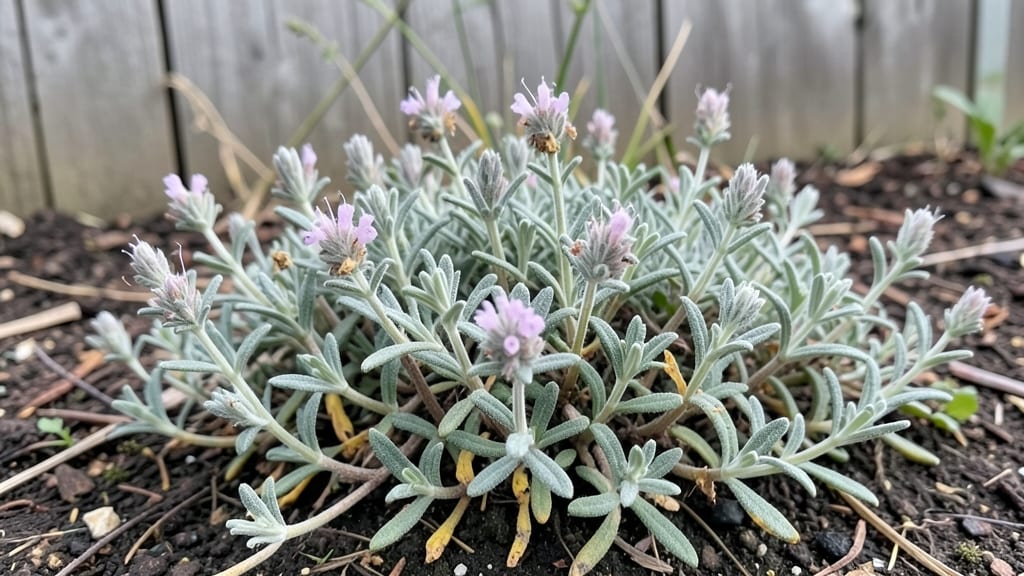
Growing thyme herb flowers turns your garden into a fragrant, low-maintenance powerhouse. 🌿 I’ve watched this hardy perennial transform bare patches into a lush, aromatic carpet that blooms from spring until frost—no fuss, just beauty and utility.
The secret lies in its adaptability: well-draining soil, 6+ hours of sunlight daily, and water only when the top inch feels dry. Unlike fussy herbs, thyme thrives on neglect—drought, heat, and even poor soil won’t stop it.
Plant it in spring or fall, and you’ll have a perpetual harvest of leaves and delicate purple flowers that bees adore.
By midsummer, you’ll be snipping sprigs for soups while admiring clusters of tiny blossoms that last weeks. The fragrance lingers on your hands, and the flowers attract pollinators like magnets. Prune lightly after blooming to keep it compact, and you’ll have fresh thyme for years with almost no effort.
Perfect for borders, containers, or even rock gardens—this herb does double duty as both a culinary staple and a showstopping garden feature. Let’s get yours growing strong!
📚 In This Guide
- What you need
- Instructions
- Tips and common mistakes
- Wrapping up and next steps
What you need
- ● Thyme plants or seeds: 3–5 thyme herb flower plants (common varieties: French, lemon, or English thyme) or
- ● 1 packet of thyme seeds (500–1,000 seeds, organic preferred)
- ● Well-draining potting mix or garden soil: 1–2 bags (5–10 lbs each) of sandy loam or cactus/succulent mix (thyme hates soggy roots!)
- ● Containers (if not planting in-ground): 3–5 6–8 inch pots (with drainage holes) or
- ● 1 long raised bed or window box (12+ inches wide, 6+ inches deep)
- ○ Fertilizer (optional but helpful): 1 slow-release granular fertilizer (5–10–5 NPK ratio) or
- ● 1 bottle of liquid seaweed fertilizer (for organic growing)
- ● Watering can or spray bottle (with a narrow spout for precision)
- ● Gloves (gardening or nitrile, to protect from prickly stems)
- ● Trowel or small shovel (for transplanting seedlings)
- ● Pruning shears (sharp, for trimming woody stems)
- ● Sunlight access: 6+ hours of full sun daily (south-facing window or outdoor spot)
- ○ pH testing kit (optional): Aim for 6.0–7.5 pH (thyme tolerates slightly alkaline soil)
- ● 🌡️ Heat-loving herb: Thyme thrives in 65–90°F—avoid planting in frost-prone zones before last frost!
- ● ✨ Drought-resistant: Once established, thyme needs minimal watering (let soil dry between waterings).
- ● 🔄 Companion planting: Pair with rosemary, lavender, or oregano for a fragrant Mediterranean border!
How to cultivate thriving thyme plants for year-round fragrance
Here's the straightforward approach I've used to grow lush, fragrant thyme that blooms reliably every season.
🌱 Step 1: Choose the Perfect Planting Location and Soil
Thyme thrives in full sun with at least 6-8 hours of direct light daily. A south-facing spot in your garden delivers the best results, but thyme adapts well to partial shade if you're in a hot climate—just expect slightly less vigorous growth. The key is avoiding soggy soil; thyme despises wet feet.
Amend your native soil with 2-3 inches of coarse sand or perlite if it drains poorly. I like to mix in a 1-inch layer of compost to provide nutrients without compacting the soil. Test your soil's pH—thyme prefers slightly alkaline conditions around 6.7-7.3. If your soil runs acidic, add a handful of crushed limestone per square foot before planting.
🌿 Step 2: Plant Thyme Correctly for Optimal Spread
Space thyme plants 12-18 inches apart in rows 18-24 inches apart to allow for their spreading habit. Dig holes just deep enough to accommodate the root ball without burying the crown—thyme roots should sit just below soil level. Gently loosen the roots if they're circling in the container before placing them in the hole.
Here's the thing—thyme grows slowly at first but spreads aggressively over time. To encourage bushier growth, pinch back the tips of new shoots when they reach 3-4 inches tall. This redirects energy into lateral branching, giving you a fuller plant faster. Water deeply after planting to settle the soil around the roots, but avoid creating a puddle.
☀️ Step 3: Master Watering and Maintenance for Year-Round Health
Once established, thyme is remarkably drought-tolerant. Water deeply once a week during the first growing season, allowing the top 2 inches of soil to dry completely between waterings. In hot climates, you might need to water every 5-7 days, but always check the soil—thyme wilts dramatically when thirsty but recovers quickly once watered.
Mulch around plants with 1-2 inches of gravel or coarse sand to prevent soil compaction and retain moisture without suffocating the roots. I avoid organic mulches like wood chips because they can rot and create too much moisture around thyme's shallow roots. Fertilize lightly once a year in early spring with a balanced 10-10-10 fertilizer—thyme doesn't need much to thrive.
✂️ Step 4: Prune and Harvest for Continuous Blooms
The secret to thyme's year-round beauty is regular pruning. After the first flush of flowers appears, shear back one-third of the plant to encourage bushier growth and prevent woody stems. I use clean, sharp pruners to make cuts just above a set of leaves—never cut into bare wood. This keeps thyme looking neat and promotes new growth from the base.
Harvest thyme leaves anytime by snipping the stems just above a leaf node. The best time is right before flowering when the leaves are most aromatic. Never harvest more than one-third of the plant at a time—thyme recovers quickly, but aggressive cutting stresses the plant. Hang harvested sprigs upside down in a dry, dark place for 1-2 weeks to dry completely before storing.
🌸 Step 5: Protect and Extend the Growing Season
Thyme's hardy nature makes it perfect for perennial gardens, but a little protection extends its productivity. In fall, apply a 2-inch layer of straw mulch around the base to insulate roots during winter. This prevents frost heave and keeps the crown from freezing. In cold climates, thyme may die back to the ground but always regrows from the roots in spring.
To enjoy thyme's fragrance year-round, consider growing it in containers that can be moved indoors during winter. Place pots near a sunny window or under grow lights for 4-6 hours daily. Thyme grown indoors stays compact and continues producing tender leaves even in winter—just reduce watering to every 10-14 days once growth slows.
Tips & tricks for perfect thyme herb flower cultivation
Let me share the hard-won wisdom that'll transform your thyme from a struggling garden experiment into a fragrant, year-round star.
Sunlight Strategy: Those critical 6-8 hours of direct light in Step 1 aren't just a suggestion—they're non-negotiable for maximum fragrance. In my experience, morning sun and afternoon shade works best in hot climates, preventing leaf scorch while still delivering enough light. If you notice leaves turning pale or stretching toward light, your thyme needs more sun exposure.
Soil Secrets: The 2-3 inches of coarse sand or perlite recommendation isn't just about drainage—it's about creating that perfect air-soil balance thyme craves. I've learned the hard way that compacted soil leads to root rot. For the best results, mix in 1 part sand to 2 parts native soil before planting, and always test your soil's pH. Thyme's slight alkalinity preference (6.7-7.3) makes all the difference in leaf quality.
Pruning Precision: When you're ready to shear back one-third of the plant in Step 4, use clean pruners and make your cuts at a 45-degree angle just above a leaf node. This technique prevents water from pooling on the cut and encourages new growth. I like to do this after flowering when the plant has directed its energy into leaf production rather than seed development.
Winter Protection: That 2-inch layer of straw mulch in Step 5 works wonders, but don't stop there. In extremely cold climates, I've found adding a lightweight frost cloth over the mulch provides an extra layer of insulation. This simple addition can mean the difference between thyme that survives winter and thyme that thrives through it, ready to burst back into growth in spring.
Pro Tips for Thyme Herb Flower
- Let me share the hard-won wisdom that'll transform your thyme from a struggling garden experiment into a fragrant, year-round star.
- Sunlight Strategy: Those critical 6-8 hours of direct light in Step 1 aren't just a suggestion—they're non-negotiable for maximum fragrance.
- Soil Secrets: The 2-3 inches of coarse sand or perlite recommendation isn't just about drainage—it's about creating that perfect air-soil balance thyme craves.
Frequently asked questions
Got questions about growing thyme herb flowers? You’re not alone—this fragrant perennial is a favorite, but it’s easy to wonder about care, timing, and troubleshooting. Here are answers to the most common queries to help you cultivate thriving thyme with confidence!
Can thyme herb flowers grow in containers?
Thyme thrives in containers as long as the pot has drainage holes and well-draining soil. A 6-inch-wide container is ideal for a single plant, and it’ll flourish in full sun on a balcony or patio. Just ensure it gets at least 6 hours of sunlight daily for optimal growth.
How long does it take for thyme to flower?
Thyme typically blooms within its first growing season, often between late spring and early summer, depending on your climate. If you’re growing from seed, expect flowers to appear in the second year. Pinch back stems occasionally to encourage bushier growth and more abundant blooms!
What can I do if my thyme isn’t flowering?
If your thyme is lush but not flowering, it might need more sun (aim for 6+ hours daily) or a slight prune to stimulate growth. Over-fertilizing can also deter blooms—use a light-handed approach with organic fertilizer. Deadhead spent flowers to encourage new blooms and keep the plant healthy.
Is thyme frost-tolerant, or do I need to protect it in winter?
Most thyme varieties are hardy perennials and can tolerate light frosts (down to 20°F/-6°C), but heavy snow or prolonged cold may require protection. Mulch around the base with straw or leaves to insulate roots. In colder climates, container-grown thyme may need winterizing with burlap or moving indoors.
Can I use thyme flowers in cooking like the leaves?
Yes! Thyme flowers are edible and add a delicate, aromatic touch to dishes. Use them fresh in salads, garnishes, or infused oils. They’re also a pollinator magnet—leaving some flowers on the plant encourages bees and butterflies while keeping your garden vibrant.
Wrapping up and next steps
Growing thyme herb flowers is a rewarding journey that brings beauty, fragrance, and culinary versatility to your garden—and it’s easier than you think! Whether you’re drawn to its delicate blooms, pest-repelling benefits, or kitchen-friendly leaves, thyme is a hardy perennial that thrives with minimal fuss.
Now that you’re equipped with the right tools, tips, and troubleshooting tricks, there’s no better time to roll up your sleeves and plant your own fragrant patch.
🌱 Ready to take the next step? Start by selecting a sunny spot in your garden or balcony, grab your seeds or cuttings, and follow the steps above.
Before you know it, your home will be filled with the warm, earthy scent of thyme—and maybe even a few buzzing pollinators to thank you! Happy growing! 🌿