
Flowers
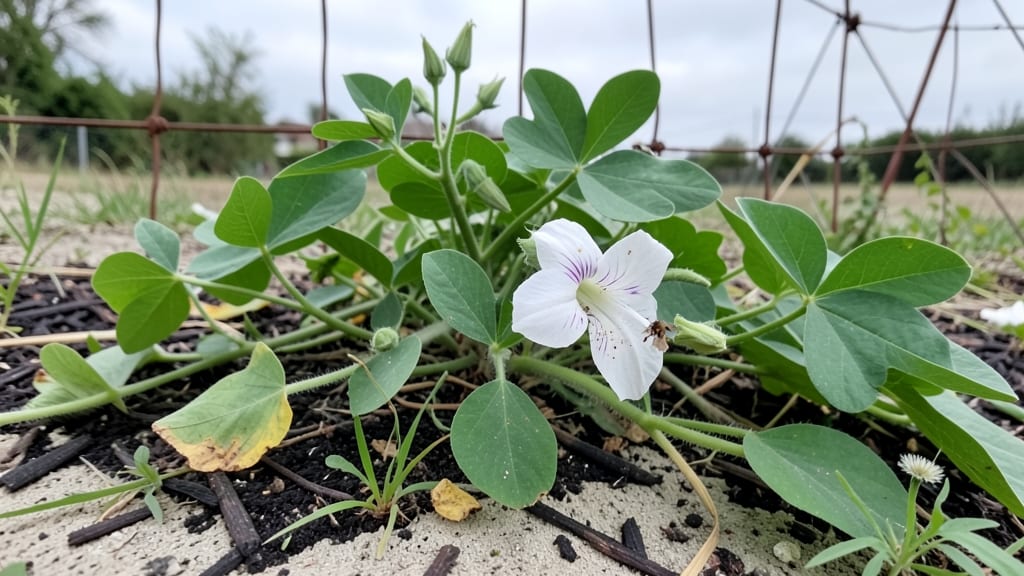
That delicate pink the bean flower on runner beans isn’t just pretty—it’s a hummingbird magnet that keeps your garden buzzing all season.
I’ve grown bean flowers for years, and the secret to their nonstop blooms isn’t complicated: give them consistent moisture, a little afternoon shade in hot climates, and the right support structure. The first time I saw hummingbirds darting between my vines, I knew I’d never grow them any other way.
Most people assume bean flowers need constant pruning, but the truth is simpler: let them climb a trellis or fence, and they’ll produce blooms from early summer until frost—sometimes even later with protection.
You’ll need well-draining soil mixed with compost, regular watering (about 1 inch per week), and a spot with at least 6 hours of sunlight.
The varieties that thrive best for continuous blooms are runner beans and scarlet runner beans, though lima beans can also play host to those charming flowers.
What you’ll end up with is a vertical garden showstopper that hummingbirds can’t resist. The flowers stay vibrant longer when you deadhead spent blooms occasionally, and the vines produce edible pods too—double the payoff.
Plus, the more they bloom, the more hummingbirds visit, which means better pollination for your entire garden. It’s a win-win that keeps giving all season.
Works in containers too if you choose compact varieties, and even in cooler climates with a little winter protection. The key is starting seeds indoors 6-8 weeks before last frost for an earlier, longer bloom season. Let’s get those vines climbing!
📚 In This Guide
- What you need
- Instructions
- Tips and common mistakes
- Wrapping up and next steps
What you need
- ● Bean Flower Seeds (Phaseolus coccineus or Phaseolus vulgaris 'Scarlet Runner') – 10-20 seeds (organic or heirloom varieties preferred).
- ● Well-draining potting mix – 5-10 gallons (for containers) or enriched garden soil (for in-ground planting).
- ● Containers or garden bed – 5+ gallon pots (if container gardening) or a sunny, sheltered spot in your yard (6+ inches deep soil).
- ● Watering can or hose with a gentle spray nozzle – For consistent moisture without over-saturating.
- ● Fertilizer – Balanced 10-10-10 or organic compost (1 cup per plant every 4-6 weeks).
- ● Trellis or stakes (4-6 feet tall) – To support climbing vines (bamboo or metal works best).
- ● Pruning shears – For minimal trimming (sterilized with rubbing alcohol).
- ● Mulch (straw or wood chips) – Retains moisture and suppresses weeds.
- ● Hummingbird feeders – Place near plants to attract pollinators (1:4 sugar-water ratio).
- ● Garden gloves – Protects hands from thorns (some varieties have mild ones!).
- ● Grow lights (for indoor starts) – If sowing seeds early (12-16 hours/day).
- ● Soil pH tester – Ideal range: 6.0–7.0 (slightly acidic to neutral).
How to cultivate bean flowers for hummingbirds all year
Here's the straightforward approach I've used to keep hummingbirds visiting my garden for over a decade.
🌱 Step 1: Choose the Right Bean Flower Varieties
Start with hardy bean flower types like Clitoria ternatea (butterfly pea) or Centrosema virginianum (butterfly pea vine) for year-round blooms. These varieties thrive in warm climates but can be grown as annuals in cooler zones. I always select disease-resistant varieties to avoid future headaches.
For container growing, choose compact varieties like Centrosema pubescens that stay under 3 feet tall. If planting in beds, allow 6-8 feet of horizontal growth space. The key is selecting varieties that match your local frost dates—most bean flowers won't survive below 40°F.
☀️ Step 2: Plant in Full Sun with Well-Draining Soil
Bean flowers demand 6+ hours of direct sunlight daily to produce their signature trumpet-shaped blooms. I've found that morning sun with afternoon shade works best in hot climates to prevent wilting. The soil should be loamy and well-draining—these plants hate soggy roots.
Amend heavy clay soil with 2-3 inches of compost before planting. I mix in a handful of perlite to improve drainage, especially in containers. The ideal pH range is 6.0-7.0. If your soil is too acidic, add a sprinkle of lime to adjust it gradually over a few weeks.
💧 Step 3: Water Deeply and Consistently
Water newly planted bean flowers deeply every 2-3 days until established, which takes about 4-6 weeks. You'll know they're settled when new growth appears without wilting. After that, water 1-2 times per week, depending on rainfall and heat.
Here's the thing—overwatering is the biggest mistake. Bean flowers are drought-tolerant once established, so always check the soil 2 inches deep before watering. If it's still damp, wait another day. I water at the base in the morning to prevent fungal issues.
✂️ Step 4: Minimal Pruning for Continuous Blooms
Bean flowers reward minimal intervention with nonstop blooms. I deadhead spent flowers once a week to encourage more production, but this step is truly optional. The plant will keep blooming even without pruning—it's one of its best traits.
If your plant gets leggy, trim back 1/3 of the longest stems in early spring. This promotes bushier growth and more flowers. I always use clean, sharp pruners to avoid spreading disease. Never prune more than 20% of the plant at once, or you'll shock it.
🪴 Step 5: Support Growth and Protect from Pests
Use trellises, stakes, or cages to support climbing varieties. I prefer 6-foot bamboo stakes for single plants and wire trellises for beds. This keeps the flowers accessible to hummingbirds and prevents the vines from sprawling.
Watch for aphids and spider mites, which love bean flowers. I spray with neem oil at the first sign of pests. For severe infestations, I repeat the treatment every 5-7 days until the pests disappear. Healthy plants rarely have issues, so proper watering and sunlight are your best defenses.
Tips & tricks for perfect bean flower cultivation
Real talk: The difference between a thriving hummingbird magnet and a struggling plant often comes down to these small but critical details.
Variety Selection: When choosing your bean flowers, pay close attention to your local frost dates—especially that critical 40°F threshold mentioned in Step 1. I've learned the hard way that treating them as perennials in cooler climates leads to disappointment. For container growing, Centrosema pubescens is my go-to because its compact size under 3 feet makes it perfect for balconies and patios where space is limited. The key is matching the plant's hardiness to your climate zone.
Soil Preparation: Don't skip the soil amendment step in Step 2—this is where most gardeners go wrong. That 2-3 inches of compost isn't just about nutrients; it's about creating the perfect loamy texture. For containers, I mix in a handful of perlite to prevent compaction, which is crucial for those 6+ hours of sunlight we're aiming for. The pH adjustment is particularly important if you notice yellowing leaves—this is your plant's way of saying "I need more lime!"
Watering Wisdom: The 2-3 days watering schedule in Step 3 is non-negotiable for the first 4-6 weeks until establishment. Here's what nobody tells you—overwatering is the silent killer of bean flowers. I always check soil moisture 2 inches deep before watering, and I've found that morning watering prevents fungal issues that can ruin your blooms before they even appear. Once established, you'll be surprised how drought-tolerant these plants become.
Pruning Strategy: That once a week deadheading in Step 4 might seem like extra work, but it's the secret to continuous blooms. I've seen plants that never get deadheaded still produce flowers, but they'll be fewer and less vibrant. For leggy growth, that 1/3 trim in early spring works wonders—just remember to never exceed 20% of the plant at once, or you'll shock the system. Clean pruners are non-negotiable to prevent disease spread.
Pro Tips for The Bean Flower
- Real talk: The difference between a thriving hummingbird magnet and a struggling plant often comes down to these small but critical details.
- Variety Selection: When choosing your bean flowers, pay close attention to your local frost dates—especially that critical 40°F threshold mentioned in Step 1.
- Soil Preparation: Don't skip the soil amendment step in Step 2—this is where most gardeners go wrong.
Frequently asked questions
How fast does The Bean Flower grow, and when can I expect blooms?
The Bean Flower is a fast grower, often reaching 3–5 feet tall in a single season. With proper care, you’ll see bright pink or purple blooms within 6–8 weeks of planting. For continuous flowering, deadhead spent blooms regularly—this encourages more flowers and keeps hummingbirds visiting!
Why aren’t hummingbirds visiting my Bean Flower plants?
Hummingbirds love nectar-rich flowers, but a few factors might deter them. First, ensure your plants are in full sun (6+ hours/day). If blooms are sparse, check for pests (like aphids) or over-fertilization, which can reduce nectar. Plant in clusters—hummingbirds prefer dense patches—and avoid windy spots where they’d struggle to hover.
Is The Bean Flower cold-hardy? How do I overwinter it?
This tropical beauty thrives in USDA Zones 9–11 but can be grown as an annual in cooler climates. In frost-prone areas, bring potted plants indoors before temperatures drop below 40°F. For in-ground plants, mulch heavily and protect with frost cloth. With proper care, you can replant each year for hummingbird season!
Can I grow The Bean Flower in containers? What’s the best pot size?
Bean Flowers do well in containers, making them perfect for patios or balconies. Use a 5-gallon pot or larger (at least 12–14 inches deep) with drainage holes. Choose a lightweight, well-draining mix (like 60% potting soil + 30% perlite + 10% compost) to prevent root rot. Rotate pots occasionally for even growth.
What’s a good alternative if The Bean Flower doesn’t thrive in my climate?
If your area is too cold or humid, try these hummingbird-friendly alternatives:
- Coral Honeysuckle (Lonicera sempervirens) – Hardy to Zone 4, with tubular red blooms.
- Salvia (Salvia spp.) – Drought-tolerant, attracts butterflies too, and blooms in shades of purple or blue.
- Cardinal Flower (Lobelia cardinalis) – Thrives in wet soils, produces striking red spikes.
Wrapping up and next steps
The bean flower isn’t just a stunning addition to your garden—it’s a hummingbird magnet that thrives with minimal effort! 🌸 With the right soil, sunlight, and a little patience, you’ll enjoy vibrant blooms year-round while supporting local pollinators.
Whether you’re a beginner or a seasoned gardener, this easy-care plant rewards you with beauty and simplicity.
Ready to transform your space? Grab your supplies, follow the steps, and watch your bean flower flourish—then share the joy with friends or fellow plant lovers! 🌿 Start small, stay consistent, and enjoy the journey.