
Flowers
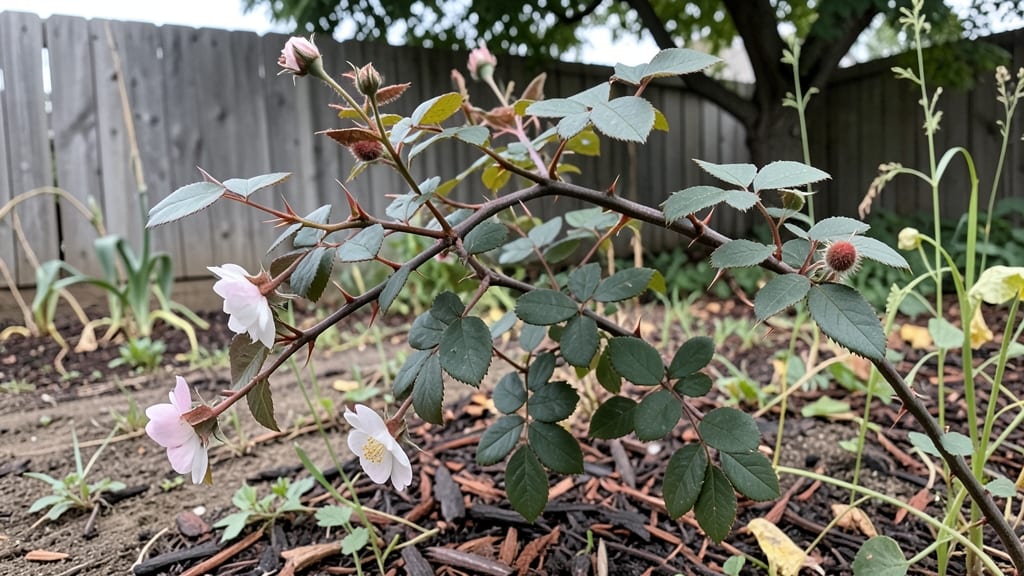
Growing sweet briar flowers in the Pacific Northwest means embracing a plant that thrives where others falter. 🌿 This cold-hardy climber, with its fragrant pink blooms and arching stems, turns neglected corners into romantic, fragrant havens—even in our damp, cool summers.
The thorny stems might make it seem intimidating, but once established, it’s one of the most low-maintenance beauties around.
Sweet briars love full sun to partial shade and adapt to almost any soil, though they perform best in well-draining, slightly acidic earth. A spot with morning sunlight and afternoon shade works wonders, especially in hotter microclimates.
Watering is simple: keep the soil consistently moist but never soggy, and you’ll reward yourself with lush growth and those signature sweetly scented flowers by midsummer.
Pruning in late winter or early spring keeps the plant tidy and encourages vigorous new growth. Snip back dead or crossing branches, and don’t be afraid to shape it—sweet briars respond beautifully to gentle training along trellises or fences.
The result? A fragrant, thorny curtain of blooms that hummingbirds and bees adore, all while requiring less fuss than most roses.
Perfect for wild gardens, hedges, or even as a privacy screen, sweet briars bring old-world charm to modern landscapes. They’re tough enough to handle our rainy winters and cool summers, yet delicate enough to feel like a secret garden treasure. Ready to grow yours?
📚 In This Guide
- What you need
- Instructions
- Tips and common mistakes
- Wrapping up and next steps
What you need
- ● Sweet Briar (Rosa rubiginosa) plants: 1–3 bare-root or potted plants (ensure they’re disease-resistant varieties)
- ● Check for healthy canes (no cracks, mold, or discoloration)
- ● Well-draining soil: 60% topsoil, 30% compost, and 10% perlite or sand (for aeration)
- ● pH level: slightly acidic to neutral (6.0–7.0)
- ● Fertilizer: Balanced 10-10-10 or rose-specific fertilizer (apply at planting and mid-season)
- ● Mulch: 2–3 inches of wood chips or straw (retains moisture, regulates temperature)
- ● Garden tools: Trowel or spade (for digging)
- ● Pruning shears (sterilized with rubbing alcohol)
- ● Gloves (to protect from thorns)
- ● Support structure: Trellis, arbor, or fence (6–8 feet tall for climbing canes)
- ○ Watering can or hose with nozzle (drip irrigation is optional but helpful)
- ● Full sun to partial shade (at least 6 hours of sunlight daily)
- ● Hardiness zone: 4–9 (perfect for the PNW’s cool climate!)
- ● Spacious planting area (canes spread 6–10 feet wide)
- ● Patience! Sweet Briars grow slowly but reward you with fragrant blooms and lush foliage.
- ● Epsom salt (for magnesium boost, 1 tbsp per plant every 4–6 weeks)
- ● Organic pest control (neem oil spray for aphids or spider mites)
- ● Decorative stakes or garden flags (to mark new growth)
- ● Rain gauge (to monitor watering needs in the PNW’s wet/dry seasons)
Step-by-step instructions for planting and cultivating sweet Briar roses
Here's how to establish these fragrant climbers with minimal fuss—perfect for Pacific Northwest gardens.
🌱 Step 1: Choose the Perfect Planting Site and Prepare the Soil
Sweet briars thrive in partial shade to full sun (at least 6 hours daily), but they tolerate morning sun with afternoon shade—ideal for NW climates where afternoon heat can scorch leaves. I always plant mine near a trellis or fence where they can climb and spread naturally. The soil should drain well but retain moisture; amending with 2-3 inches of compost improves fertility without compacting.
Dig a hole twice as wide as the root ball but only as deep—sweet briars hate being buried too deep, which causes rot. Loosen the roots gently if they're circling, then place the plant so the graft union (the swollen bump near the base) sits 1-2 inches above soil level. This prevents water from pooling and rotting the graft.
💧 Step 2: Water Deeply and Mulch to Retain Moisture
Water the plant deeply right after planting—soak the soil until water runs out the bottom of the hole. Sweet briars establish roots slowly in cool climates, so consistent moisture is critical. I water once weekly in spring/fall, but every 3-4 days during summer droughts (check by sticking your finger 2 inches deep—if dry, water again).
Spread 2-3 inches of mulch (wood chips or straw) around the base, keeping it 6 inches away from the stem to prevent rot. Mulch conserves soil moisture and regulates temperature, which is especially helpful in the NW's wet winters and dry summers. Refresh the mulch annually in early spring before new growth begins.
☀️ Step 3: Train Vines and Prune for Healthy Growth
Sweet briars grow vigorously, so I install a strong trellis or arbor at planting to support their weight. Train the main stems along the structure in early spring, tying them loosely with soft twine. Let side shoots grow freely—they'll produce the most fragrant blooms. Prune in late winter or early spring (before buds swell) to remove dead, crossing, or weak branches, cutting just above an outward-facing bud.
Here's the thing—sweet briars bloom on new wood, so avoid heavy pruning in fall. Instead, I do a light cleanup in late autumn, removing only diseased or damaged growth. The goal is to encourage long, flexible canes that climb and spread beautifully. You'll see new growth emerge in 3-4 weeks after spring pruning—that's your cue to start fertilizing lightly.
✂️ Step 4: Maintain Through Seasons and Harvest Flowers
Fertilize once in early spring with a balanced 10-10-10 formula (use ¼ cup per plant) to support new growth. Sweet briars aren't heavy feeders, so too much fertilizer leads to leafy growth at the expense of flowers. Water deeply after fertilizing to prevent root burn. Deadhead spent blooms regularly to encourage more flowers, but leave some hips for wildlife—birds love them.
In late fall, cut back one-third of the oldest canes to the ground to rejuvenate the plant. Sweet briars are extremely cold-hardy (USDA zones 3-8), so they rarely need winter protection unless you're in a windy area. In that case, wrap young plants with burlap or use a light frost blanket for the first few winters.
Tips & tricks for perfect sweet Briar roses
These simple strategies will help your sweet briars thrive in Pacific Northwest conditions—and avoid the mistakes I made while establishing my first plants.
Soil Prep Secret: The 2-3 inches of compost I mentioned isn't just about fertility—it's about creating the perfect drainage-moisture balance sweet briars need. I learned this the hard way: heavy clay soil led to root rot in my first attempt. If your soil drains poorly, mix in sand or perlite to improve aeration without sacrificing moisture retention. The key is that sweet briars hate soggy feet, so amend until water runs through the hole in just 10-15 minutes after watering.
Watering Wisdom: That finger-check method for soil moisture (2 inches deep) is your best friend, especially in our unpredictable NW climate. I've found that morning watering works best—it gives the soil time to dry slightly between waterings, preventing fungal issues. During our infamous summer droughts, I increase to every 2-3 days and add 1-2 inches of mulch around the base to lock in moisture. The mulch also keeps roots cool during those hot afternoons we occasionally get.
Pruning Precision: When you're pruning in late winter, focus on creating an open center that lets air circulate. I cut just above an outward-facing bud to encourage new growth that will climb beautifully. Here's what nobody tells you—those 3-4 weeks after spring pruning are critical. If you see new growth emerging but the leaves look pale, it's a sign your plant needs that ¼ cup of 10-10-10 fertilizer. The timing is everything: fertilize right when you see those first tender leaves, not before.
Winter Protection Hack: While sweet briars handle our cold winters beautifully, young plants or those in exposed areas benefit from that burlap wrap. I've found that wrapping the plant and removing it in early spring (around late February) gives the new growth a head start. Pro tip: leave the bottom 6 inches unwrapped so air can circulate at the base and prevent rot. This simple adjustment has saved my plants from winter dieback more times than I can count.
Pro Tips for Sweet Briar Flower
- These simple strategies will help your sweet briars thrive in Pacific Northwest conditions—and avoid the mistakes I made while establishing my first plants.
- Soil Prep Secret: The 2-3 inches of compost I mentioned isn't just about fertility—it's about creating the perfect drainage-moisture balance sweet briars need.
- Watering Wisdom: That finger-check method for soil moisture (2 inches deep) is your best friend, especially in our unpredictable NW climate.
Frequently asked questions
Got questions about growing Sweet Briar flowers in the Pacific Northwest? You’re not alone! Here are some of the most common queries—plus straightforward answers to help you cultivate this fragrant, cold-hardy climber with confidence.
How cold can Sweet Briar flowers tolerate?
Sweet Briar (Rosa rubiginosa) is one of the hardiest roses, thriving in USDA zones 3-9. In the Pacific Northwest, it handles winters with temps as low as -30°F (-34°C), making it ideal for Oregon, Washington, and beyond. Just ensure it’s planted in well-draining soil to avoid frost heave.
How long does it take for Sweet Briar to bloom?
Patience pays off! Sweet Briar typically takes 1-2 years to establish and bloom after planting. Once mature, it produces clusters of pink, fragrant flowers from late spring to early summer, with occasional fall reblooms. Prune in early spring to encourage vigorous growth.
Can I grow Sweet Briar in containers?
While possible, Sweet Briar is a vigorous climber (reaching 15+ feet!) and prefers the stability of garden beds. If container-grown, use a large pot (20+ gallons) with drainage holes and prune aggressively to control size. Expect slower growth and fewer blooms compared to in-ground planting.
Are Sweet Briar flowers deer-resistant?
Not entirely! While deer rarely browse Sweet Briar, they may nibble on young shoots or leaves if other food sources are scarce. To deter them, use deer repellent sprays or plant alongside deer-resistant companions like Lavender or Russian Sage.
What should I do if my Sweet Briar isn’t blooming?
Lack of blooms often stems from over-pruning, poor nutrition, or shade. Try these fixes:
- Prune in late winter—remove dead wood but leave healthy canes.
- Fertilize in early spring with a rose-specific or balanced fertilizer (10-10-10).
- Ensure 6+ hours of sunlight daily—Sweet Briar thrives in full sun.
Wrapping up and next steps
The Sweet Briar flower is a stunning, cold-hardy gem perfect for Pacific Northwest gardens—easy to grow, fragrant, and brimming with charm! 🌸 With the right location, soil prep, and a little patience, you’ll soon enjoy its lush blooms and thorny elegance. Now’s your chance to transform your space into a fragrant haven—plant one this season and watch it thrive!
Next steps:
- 🌱 Pick your spot—sunny and sheltered is key!
- 🛒 Grab your supplies (or start with cuttings).
- 💡 Start small—even a single plant makes a statement.