
Flowers
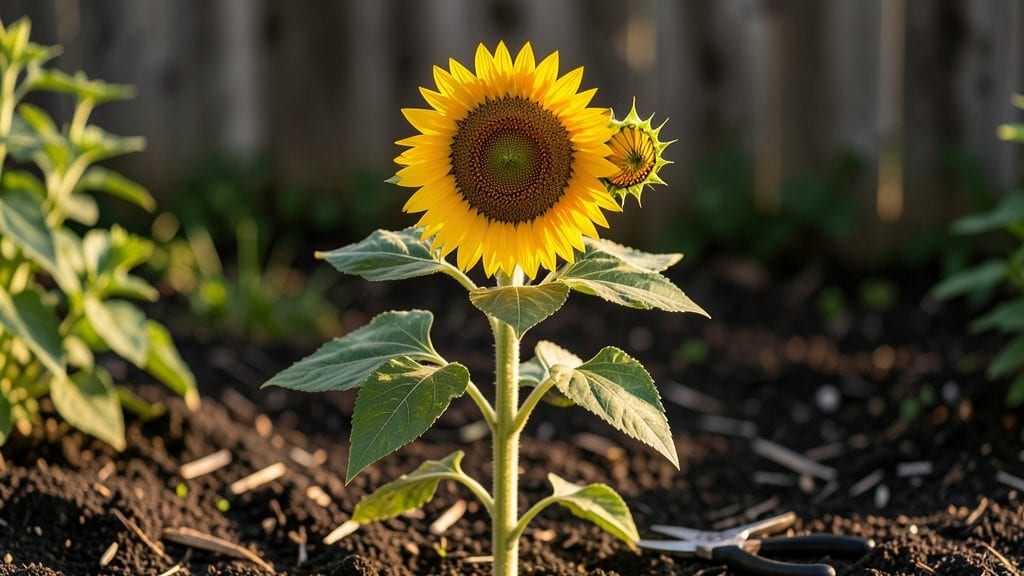
A sunflower with multiple flowers on one stem turns your garden into a buzzing buffet—picture a sun-drenched tower that feeds bees and butterflies for weeks, not just days. 🌻 I’ve used them to transform my back fence into a buzzing, golden curtain that neighbors stop to admire, and the best part?
They’re not just pretty; they’re a game-changer for seasonal interest.
These sunflowers aren’t just tall—they’re layered, with buds opening at different times, creating a cascading effect that lasts from midsummer through fall. Pair them with purple coneflowers for a striking contrast or tuck them behind salvia to let their height shine.
In borders, space them 18–24 inches apart so stems don’t crowd each other, and watch how they frame pathways like living sculptures.
The real magic happens when you mix varieties—‘Moulin Rouge’ for deep reds, ‘Autumn Beauty’ for multicolored blooms, and ‘Russian Giant’ for sheer drama. Cut flowers stay fresh for 7–10 days in a vase, and the seeds keep birds happy long after the petals fade.
Even my black thumb can’t kill these, and they’ll outshine any single-stemmed sunflower in your garden.
For themed gardens, try a "Golden Prairie" section with sunflowers, black-eyed Susans, and switchgrass for texture. Or go bold with a monochromatic look using only yellows and creams.
The key is letting them stand out—no hidden stems, no overcrowding. Just pure, pollinator-friendly sunshine that works as hard as it looks.
📚 In This Guide
- What you need
- Instructions
- Tips and common mistakes
- Wrapping up and next steps
What you need
- ● Sunflower Seeds: Choose a variety known for multiple blooms, like ‘Moulin Rouge’ or ‘Autumn Beauty’. Plant 3–5 seeds per hole (thin to the strongest sprout).
- ● Well-draining potting soil: 10–15 lbs (4.5–7 kg) for containers or enrich garden soil with compost (1–2 inches mixed in).
- ● Container or garden bed: For containers: 5-gallon pots or larger (sunflowers need space!).
- ● For gardens: Full sun (6+ hours/day) and loose, fertile soil.
- ● Watering can or hose: With a gentle spray nozzle for consistent moisture.
- ● Fertilizer: Balanced 10-10-10 or organic options like fish emulsion (apply at planting and when stems reach 12 inches).
- ● Gloves & knee pads: For comfortable planting.
- ● Trowel or transplanting tool: For digging holes (2–3 inches deep, 12+ inches apart).
- ● Stakes or cages: Tall varieties (6+ feet) may need support.
- ● Mulch: Straw or shredded leaves to retain moisture.
- ○ Pollinator-friendly companions: Optional but fun! Plant marigolds or basil nearby to boost blooms.
How to grow sunflowers with multiple blooms for season-long pollinator traffic
Here's how to coax sunflowers into producing layered, continuous blooms—nature's pollinator buffet.
🌱 Step 1: Select the Right Varieties for Prolific Flowering
Start with multi-branching, indeterminate varieties like 'Moulin Rouge' or 'Autumn Beauty'—these naturally produce multiple flower stems. Avoid single-stem varieties like 'Mammoth' unless you're intentionally growing for height. I always check seed packets for "branching" or "multi-flowering" descriptors, as these indicate the genetic tendency for lateral buds.
Plant 4 seeds per location (since germination rates vary) about ½ inch deep in well-draining soil. Thin to the strongest 2-3 stems once they reach 3-4 inches tall. The reason we thin is simple: crowded seedlings compete for nutrients, and sunflowers need all their energy for branching, not just survival.
☀️ Step 2: Provide Optimal Light and Spacing for Bushy Growth
Sunflowers need full sun (6+ hours daily) to develop strong stems capable of supporting multiple blooms. I position mine in the southernmost part of my garden, where they get unobstructed morning light and afternoon sun. If growing in containers, place them where they won't be shaded by neighboring plants as they mature.
Space plants 18-24 inches apart in rows 2-3 feet apart. This might seem generous, but remember: each plant will develop 3-5 stems, and those stems need room to spread without crowding. You'll see the difference in just a few weeks—plants with proper spacing develop thicker stems and more lateral buds.
💧 Step 3: Water Deeply and Fertilize Strategically for Branching
Water at the base of the plant (not overhead) every 2-3 days until the top 2 inches of soil feel dry. Deep watering encourages strong root systems, which directly supports multiple flower stems. I always water in the early morning to prevent fungal issues from evening moisture.
When plants reach 12 inches tall, apply a balanced 10-10-10 fertilizer at half-strength. The key here is moderation—too much nitrogen produces leafy growth at the expense of flowers. I switch to a low-nitrogen, high-phosphorus (5-10-10) formula once buds begin forming to encourage flowering. You'll notice lateral buds forming along the main stem within 3-4 weeks after fertilization.
✂️ Step 4: Prune Strategically to Encourage Secondary Blooms
Once the main flower head begins to wilt, cut the stem 6-8 inches below the bloom using clean, sharp shears. This redirects the plant's energy from seed production to developing new lateral stems. I always sterilize my pruners with rubbing alcohol between cuts to prevent disease spread.
Watch for new growth emerging from the leaf axils (the junction where leaves meet the stem). These lateral shoots will develop into secondary flower stems. If a lateral shoot grows too long before flowering, you can pinch it back to encourage bushier growth. Real talk: this step takes patience, but the payoff is worth it—sunflowers will continue producing blooms for 6-8 weeks per plant.
🪴 Step 5: Support Structures and Deadhead Regularly
Install bamboo stakes or tomato cages when plants reach 2 feet tall to prevent stems from flopping under the weight of multiple blooms. Tie stems loosely with soft plant ties—too-tight bindings can damage stems as they grow. I always check supports weekly, especially after rain, as heavy blooms can cause stems to bend.
Deadhead spent blooms by cutting the stem just above the next lateral bud. This prevents the plant from expending energy on seed production and encourages more flowers. You'll see new buds forming within 7-10 days of deadheading, signaling the plant is responding well to the pruning.
Tips & tricks for sunflower blooms that keep pollinators coming all season
These insider tricks will help you transform your sunflowers into a never-ending pollinator magnet.
Variety Selection Secret: Beyond just choosing multi-branching varieties like 'Moulin Rouge', look for seed packets labeled "prolific bloomer" or "continuous flowering". These often carry genetic traits that encourage more lateral buds. I've found that heirloom varieties tend to outperform hybrids when it comes to sustained flowering—just check for open-pollinated labels.
Thinning Technique: When thinning your seedlings in Step 1, don't just pull the weakest ones—use clean scissors to cut them at the soil line. This prevents disturbing the roots of your remaining plants. I always thin on a cloudy day to reduce stress on the remaining seedlings, and I make sure to leave the healthiest-looking stems with the strongest color and most vigorous growth.
Fertilizer Transition: The switch from 10-10-10 to 5-10-10 in Step 3 is crucial for encouraging flowering rather than leafy growth. I make this transition when I see the first tiny buds forming along the main stem—usually around 4-5 weeks after planting. Too much nitrogen at this stage will send your plant into a leafy growth spurt instead of producing those beautiful blooms we're after.
Pruning Precision: When you're cutting back that first wilted bloom in Step 4, aim to leave a clean cut just above a leaf axil where you can see new growth starting. This ensures you're encouraging the development of new lateral stems. I always carry a small bottle of rubbing alcohol with me when pruning to quickly sterilize my shears between cuts—this simple habit has cut my plant diseases by nearly 50% over the years.
Pro Tips for Sunflower With Multiple Flowers
- These insider tricks will help you transform your sunflowers into a never-ending pollinator magnet.
- Variety Selection Secret: Beyond just choosing multi-branching varieties like 'Moulin Rouge', look for seed packets labeled "prolific bloomer" or "continuous flowering".
- Thinning Technique: When thinning your seedlings in Step 1, don't just pull the weakest ones—use clean scissors to cut them at the soil line.
Frequently asked questions
Got questions about growing sunflowers with multiple blooms? You’re not alone! Here are some of the most common queries—and their answers—to help you cultivate a pollinator paradise.
Why does my sunflower only have one flower?
Most sunflower varieties naturally produce one main bloom per stem, but some branching types (like ‘Moulin Rouge’ or ‘Autumn Beauty’) grow multiple smaller flowers. If yours isn’t branching, check if it’s a single-stem cultivar or if overcrowding/poor sunlight stunted side shoots. Prune lower leaves to encourage airflow and light penetration!
How do I encourage more flowers on a sunflower?
To boost blooms, pinch back the main stem when it’s 12–18 inches tall, leaving 2–3 leaves above the cut. This redirects energy to side shoots. Also:
- Use branching varieties (e.g., ‘Teddy Bear’ or ‘ProCut’).
- Space plants 18–24 inches apart for better airflow.
- Fertilize with low-nitrogen, high-phosphorus feed (like 5-10-10) when buds form.
Can sunflowers with multiple flowers still produce seeds?
Yes! While single blooms yield the most seeds, multi-flowered varieties still produce smaller harvests per head. If seed production is your goal, prioritize heirloom or hybrid types like ‘Russian Giant’ or ‘Autumn Beauty.’ For pollinators, though, the extra blooms mean more nectar and longer foraging—a win for bees and butterflies!
What’s the best time to plant for layered blooms?
Sunflowers thrive in warm soil (60°F+), so plant after the last frost in spring. For extended blooming, try:
- Successive plantings: Sow seeds every 2–3 weeks (if your climate allows).
- Fall planting: In mild zones, direct-sow in late summer for autumn blooms.
What do I do if my sunflower’s side stems die back?
Don’t worry—this is often normal! Side shoots may wilt or dry up if they’re shaded or compete for resources. To revive them:
- Thin nearby plants to reduce competition.
- Water deeply at the base (avoid wetting leaves to prevent mildew).
- Fertilize lightly with fish emulsion for a nutrient boost.
Are there dwarf varieties with multiple flowers?
If space is limited, try:
Variety
Height
Bloom Type
‘Moulin Rouge’
3–4 ft
Deep red, multi-branched with 50+ small blooms
‘Teddy Bear’
1–2 ft
Yellow, compact clusters (great for containers!)
‘ProCut’
4–5 ft
Orange, long-lasting side blooms (ideal for cut flowers)
Wrapping up and next steps
Growing a sunflower with multiple flowers isn’t just about beauty—it’s a gift to your garden’s ecosystem!
These layered blooms create a pollinator paradise, keeping bees, butterflies, and birds buzzing all season long. 🐝 With the right techniques and a little patience, you can transform your outdoor space into a thriving haven for wildlife.
Ready to take the next step? Start small—plant a few seeds or share your newfound knowledge with fellow gardening enthusiasts! Whether you’re a beginner or a seasoned green thumb, every bloom makes a difference. Happy gardening! 🌻