
Container Gardens
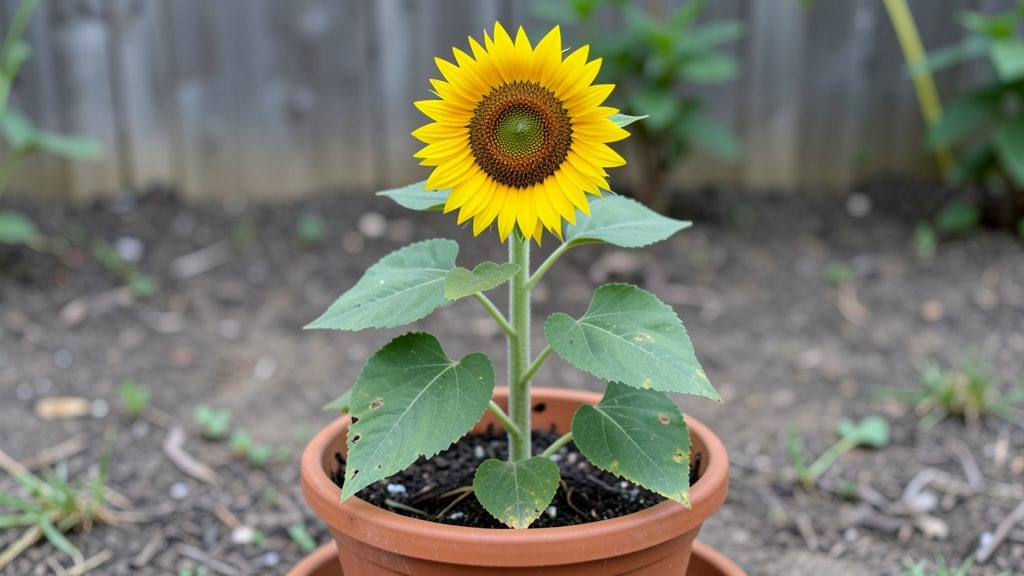
Growing sunflower potted plants that tower over your porch in just 90 days isn’t just possible—it’s easier than you think. 🌻 I’ve watched my own sunflowers go from tiny seeds to 10-foot giants in a single summer, and the secret isn’t fancy soil or expensive pots.
It’s about matching the right container, sunlight, and a little patience to let those stems stretch toward the sky.
The beauty of potted sunflowers is how forgiving they are—you don’t need a green thumb to grow them. Start with a 5-gallon container (at least 12 inches deep) filled with well-draining potting mix, and place it where it gets full sun for 6-8 hours a day.
Water deeply when the top inch of soil feels dry, and watch those leaves unfurl like a time-lapse of summer itself.
By mid-summer, you’ll be snapping photos of your neighbors craning their necks at your sunflower skyscraper, its petals glowing like a golden halo. The best part? You can keep them blooming all season by deadheading spent flowers—just pinch off the faded blooms to encourage more growth.
Staking tall varieties (like ‘Mammoth’) prevents wobbly stems, and a little pruning keeps them bushy.
This method works in patios, balconies, or even driveways—no yard required. Whether you’re growing for cut flowers, shade, or just pure joy, these sunflowers deliver fast, dramatic results with minimal effort. Let’s get those seeds planted!
📚 In This Guide
- What you need
- Instructions
- Tips and common mistakes
- Wrapping up and next steps
What you need
- ● Sunflower seeds: Choose fast-growing varieties like 'Moulin Rouge' or 'Autumn Beauty' (10-20 seeds per pot).
- ● Container: A 5-gallon pot (minimum 12" deep) with drainage holes—terracotta or fabric pots work best.
- ● Potting mix: High-quality, well-draining container soil (avoid garden soil). Add perlite or vermiculite (1 part per 4 parts soil) for aeration.
- ● Fertilizer: Balanced 10-10-10 or 5-10-10 granular fertilizer (1 tbsp per pot at planting).
- ● Watering can or hose: With a gentle spray nozzle for even moisture.
- ○ Gloves (optional but recommended for handling soil/seeds).
- ● Trowel (for planting and mixing soil).
- ○ Stakes or trellis (3-4 ft tall, optional for support as they grow).
- ● Mulch (straw or shredded bark, 1-2 inches thick to retain moisture).
- ○ Sunlight meter or app (optional, to track light exposure).
- ● Sunlight: 6+ hours of direct sunlight daily (south-facing spot is ideal).
- ● Temperature: Plant after the last frost when soil is at least 50°F (10°C).
- ● Water source: Access to water for consistent hydration (sunflowers need 1-2 inches per week).
Step-by-step guide for growing towering sunflowers in containers
Here’s how to coax those dramatic sunflower stems to 10+ feet tall in just 90 days—no garden needed.
🪴 Step 1: Choose the Right Pot and Soil Mix
Sunflowers need depth—select a container at least 18 inches deep and 12 inches wide to accommodate strong taproots. I use fabric grow bags for my tallest varieties because they allow roots to breathe and prevent circling. Avoid plastic if you can, as it traps heat and can stunt root growth.
Fill the pot with a lightweight, well-draining mix—I blend 60% potting soil, 30% perlite, and 10% compost for aeration and nutrients. Press the soil down gently but don’t compact it. The goal is a mix that holds moisture but drains freely; sunflowers hate soggy roots. Tap the pot on the table once to settle the soil evenly before planting.
🌱 Step 2: Plant Seeds at the Correct Depth and Spacing
Drop 2-3 seeds per pot, 1 inch deep—deeper planting delays germination, while shallower seeds may dry out. Space them 6 inches apart if growing multiple in one container (they’ll compete for light and nutrients). I like to plant extra seeds because not all germinate, and sunflowers grow best when slightly crowded at first.
Cover the seeds lightly with soil, then water gently until the surface looks evenly moist but not glistening. Use a spray bottle for the first watering to avoid displacing seeds. Place the pot in a warm, sunny spot (or under a grow light) and keep the soil consistently moist until sprouts appear—usually within 7-10 days.
☀️ Step 3: Provide Full Sun and Support Early
Sunflowers need 6-8 hours of direct sunlight daily to reach their full height. If your patio only gets partial sun, supplement with a strong grow light (14-16 hours/day) to prevent leggy growth. I position my pots on a rotating tray so all sides get equal light exposure—this keeps stems straight and prevents them from bending toward the window.
Once seedlings reach 4-6 inches tall, install a sturdy stake or tomato cage (at least 6 feet tall) next to each plant. Sunflowers grow fast, and without support, they’ll flop over. Tie the main stem loosely to the stake with soft plant ties as it grows—this prevents stem damage while allowing flexibility. Watch for first true leaves (the second set after the initial cotyledons) to confirm healthy growth.
💧 Step 4: Water Deeply and Fertilize for Rapid Growth
Water sunflowers deeply 2-3 times per week, soaking the soil until water runs out the drainage holes. Let the top 2 inches of soil dry between waterings—overwatering leads to root rot, while underwatering stunts growth. I use a 5-gallon watering can to ensure even saturation, focusing on the base of the plant rather than the leaves.
Feed plants every 2 weeks with a balanced liquid fertilizer (10-10-10) diluted to half-strength. Start when seedlings are 2 weeks old and continue until flowering. Sunflowers are heavy feeders, so don’t skimp—this is how you get those 90-day monsters. You’ll see a noticeable growth spurt within a week of fertilizing, with stems thickening and leaves darkening.
✂️ Step 5: Deadhead and Maintain for Maximum Height
When the sunflower’s central bloom opens fully, snip off the dead flower head with clean pruners to redirect energy into stem growth. This encourages the plant to produce secondary buds along the stem, which can bloom later in the season. I deadhead in the early morning when stems are still turgid—this reduces stress on the plant.
Remove any yellowing or diseased leaves immediately to prevent fungal spread. Prune back any side shoots that form below the main stem, as these divert energy away from vertical growth. By day 60, your sunflower should be tall enough to cast a shadow—this is your cue to start monitoring for pest pressure (like aphids) and treat with neem oil if needed. With consistent care, you’ll hit 10+ feet by day 90.
Tips & tricks for towering sunflower growth in containers
Here's what I've learned after growing sunflowers that reached record heights in containers—these details make all the difference. The secret to those dramatic 10+ foot stems isn't just time, but precision in every step.
Container Selection: Fabric grow bags are my top recommendation for container-grown sunflowers because they prevent root circling that can stunt growth. If you must use plastic, drill drainage holes yourself—many store-bought containers lack proper drainage. The 18-inch depth requirement is non-negotiable; I've seen sunflowers in shallower pots max out at 6 feet. For extra stability, place your pot on a saucer or tray to catch water runoff, which prevents soil erosion and keeps roots happy.
Light Exposure Strategy: Those 6-8 hours of direct sunlight must be intense—sunflowers are light hogs. I've found that positioning pots on a rotating tray every 2-3 days prevents stems from bending toward the light source. In low-light conditions, supplement with a full-spectrum grow light positioned 12-18 inches above the plants for the full 14-16 hours/day. Watch for leaves that look pale or stretched—they're telling you they need more light.
Support System: Install that 6-foot stake or tomato cage at the 4-6 inch height mark—don't wait until the plant is leaning! Use soft plant ties that won't cut into the stem as it thickens. I've seen sunflowers snap completely when their support arrives too late. For extra stability, bury the stake 6 inches deep in the soil and secure it with a metal rod driven into the pot's base. This creates a tripod effect that prevents tipping in windy conditions.
Fertilizer Timing: The 2-week feeding schedule with half-strength 10-10-10 fertilizer is crucial, but timing matters more than you'd think. I've noticed the most dramatic growth spurts when fertilizing right after deep watering—this mimics natural rainfall patterns. Start fertilizing precisely at the 2-week mark from germination, not from planting. Over-fertilizing early can burn tender roots, while waiting too long after germination means missing the critical growth window.
Pro Tips for Sunflower Potted Plant
- Here's what I've learned after growing sunflowers that reached record heights in containers—these details make all the difference.
- Container Selection: Fabric grow bags are my top recommendation for container-grown sunflowers because they prevent root circling that can stunt growth.
- Light Exposure Strategy: Those 6-8 hours of direct sunlight must be intense—sunflowers are light hogs.
Frequently asked questions
Got questions about growing sunflowers in pots?
You’re not alone! Here are some of the most common queries—and straightforward answers—to help you cultivate a thriving potted sunflower with ease.
How deep should the pot be for a sunflower?
Sunflowers need 12–18 inches of depth to support their roots and towering stems. Shallow pots (under 10 inches) will stunt growth, while deeper containers (20+ inches) prevent tipping. Use a wide base for stability—think of it like giving your sunflower a sturdy skyscraper foundation!
Can I grow a sunflower in a pot indoors?
Sunflowers are sun-worshippers and thrive outdoors with 6+ hours of direct sunlight daily. Indoors? Only near a south-facing window or with grow lights (12+ hours/day). Expect slower growth and shorter stems—ideal for dwarf varieties like ‘Teddy Bear’ (3–4 feet tall) instead of giants like ‘Russian Giant.’
Why is my potted sunflower wilting or drooping?
Wilting usually means thirst or root stress. Check the soil—if it’s dry 1 inch below the surface, water deeply until it drains from the bottom. Overwatering? Yellow leaves or mushy stems signal root rot. Ensure pots have drainage holes and use well-draining soil (like a mix of potting soil + perlite).
What’s the fastest-growing sunflower variety for pots?
For speed and height, opt for:
- ‘Moulin Rouge’ (7–9 feet in 90 days)
- ‘Autumn Beauty’ (5–6 feet, striped blooms)
- ‘Russian Giant’ (10+ feet, but needs staking)
Can I grow sunflowers in pots year-round?
Sunflowers are annuals and cold-sensitive. In zones 9–11, they’ll grow year-round, but in cooler climates, they’re best planted spring to early summer. After flowering, harvest seeds and replace the plant—or let it reseed naturally (if you love surprises!).
What can I do if my potted sunflower falls over?
Tall sunflowers need support! Stake them early with 3-foot bamboo stakes or a tomato cage, tying stems loosely with soft fabric (like an old T-shirt). For extra stability, bury the stake halfway into the pot and water thoroughly to settle the soil around roots.
Wrapping up and next steps
Growing a sunflower potted plant is a rewarding journey that brings bursts of joy and sunshine to your space in just 90 days! 🌻 With the right soil, sunlight, and care, you’ll witness their incredible growth—from tiny seeds to towering beauties.
Whether you’re a beginner or a seasoned gardener, these fast-growing giants are a fantastic way to add height, color, and life to your balcony, patio, or garden.
Ready to take the next step? Plant your seeds today and watch your sunflowers reach for the sky! Share your progress with fellow plant lovers or experiment with different varieties—every bloom is a celebration of nature’s magic. 🌱✨