Advice
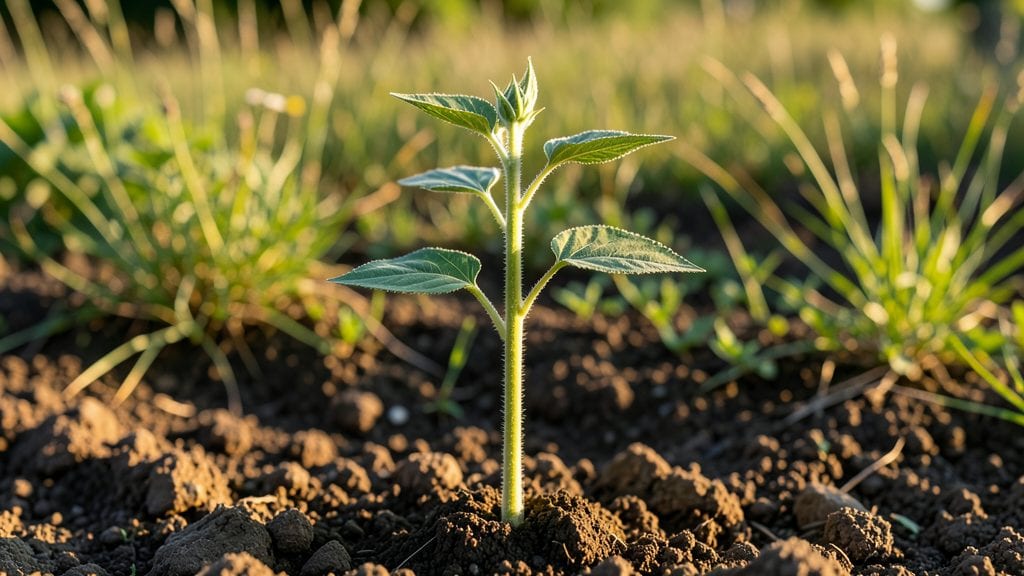
Sunflower early growth starts the moment you feel that first warm breath of spring—when the soil hits 60°F, seeds burst into life with surprising speed. 🌱 I’ve watched my own sprouts crack through the earth within 5-7 days of planting, their tiny hooks breaking the surface like nature’s own miracle.
The key? Getting the depth and warmth just right, or you’ll wait weeks for that first green shoot.
Most gardeners overthink soil prep, but sunflowers are forgiving. They thrive in loose, well-draining soil—even slightly sandy mixes work—so long as you plant seeds 1 inch deep and keep them moist but not soggy.
Too much water here leads to damping off, that heartbreaking fungal rot that turns seedlings to mush overnight. The trick is consistency: water gently at the base, never overhead.
What you’ll see first are those cotyledons—the first leaves that look like tiny, wrinkled maples—followed by the true leaves that signal real growth. Within 2-3 weeks, you’ll have sturdy stems taller than your hand, ready to drink in the sun.
The real magic happens when you notice the first bud forming at the top, proof you’ve given these giants the perfect start.
This works whether you’re planting in full sun gardens, containers, or even raised beds—just adjust your timing for cooler zones by waiting until after the last frost. The early stages are where you set the foundation for 10-foot giants later. Let’s get those seeds sprouting right.
📚 In This Guide
- What you need
- Instructions
- Tips and common mistakes
- Wrapping up and next steps
What you need
- ● Sunflower seeds: 10–20 seeds (choose early-maturing varieties like Mammoth or Russian Giant for faster growth).
- ● Seed-starting mix: 1–2 cups of sterile, well-draining potting soil (avoid garden soil—it’s too dense!).
- ● Containers: Small pots (3–4 inches deep) or seed trays with drainage holes.
- ○ Optional: Biodegradable peat pots for easy transplanting.
- ● Watering can or spray bottle: With a fine mist nozzle for gentle hydration.
- ○ Heat mat (optional but helpful): A seedling heat mat (70–80°F range) to mimic sunflower’s warmth-loving nature.
- ● Plant labels: To track varieties and planting dates.
- ● Grow lights or sunny windowsill: 12–16 hours of light daily (south-facing window or LED grow lights work best).
- ○ Fertilizer (optional): A balanced, water-soluble fertilizer (5-5-5 or 10-10-10) diluted to half-strength for post-sprout feeding.
- ● Humidity dome or plastic wrap: To retain moisture until sprouts emerge (remove after germination!).
Step-by-step guide to nurturing sunflower seedlings through warmth
Warm soil is the secret weapon for strong sunflower starts—here’s how to unlock it.
🌱 Step 1: Prep Soil for Fast Germination
Sunflower seeds need soil that’s at least 60°F to sprout reliably. I like to prep the bed by working in 2-3 inches of compost (from your materials list) to warm the soil faster. Loosen the top 6 inches of soil with a broadfork—this improves air circulation and prevents waterlogging, which can rot seeds before they even sprout.
Here’s the thing—sunflowers hate cold, compacted soil. If your ground feels hard when pressed, add 1 inch of coarse sand to improve drainage. Mix it in until the soil looks dark and crumbly, not clumpy. You’ll know it’s ready when a handful holds together but breaks apart easily when squeezed.
💧 Step 2: Plant Seeds at the Right Depth and Spacing
Drop seeds 1 inch deep and 6 inches apart—this gives roots room to spread without competing. I tap the seed packet gently to release one seed at a time (planting too many in one hole leads to weak, crowded seedlings). Cover lightly with soil, then water gently until the surface looks damp but not soggy.
Real talk: Don’t overwater now. Sunflower seeds need moisture, but too much can suffocate them. Water again only when the top ½ inch of soil feels dry—you’ll see this as a slight crust forming on the surface. This ensures roots grow deep instead of staying shallow.
☀️ Step 3: Provide Consistent Warmth for Sprouting
Sunflowers germinate fastest in 70-80°F soil. If your climate runs cooler, use a black plastic mulch (lay it down after planting) to absorb heat and speed up sprouting. Check soil temperature with a thermometer—if it’s below 60°F, seeds may take 2-3 weeks to sprout instead of the usual 7-10 days.
Once sprouts appear, remove the mulch to prevent overheating. You’ll notice the first true leaves (the second set after the initial cotyledons) in 10-14 days. This is your signal—now’s the time to thin seedlings to 12 inches apart if they’re crowded, giving each plant elbow room to grow.
✂️ Step 4: Protect Seedlings from Wind and Pests
Young sunflowers are tender. I stake 4-inch tall seedlings with bamboo stakes (from your materials) to prevent them from snapping in wind. Bury the stake 2 inches deep and tie the stem loosely with soft twine—too tight will strangle the stem as it thickens.
Watch for slugs and cutworms—they love munching on sunflower stems at ground level. I sprinkle diatomaceous earth (from your materials) around the base as a natural barrier. Reapply after rain, which washes it away. Strong seedlings will outgrow these pests, but early support makes all the difference.
Tips & tricks for perfect sunflower early growth
Sunflower seedlings need warmth and care to thrive—here’s how to give them the best possible start.
Soil Temperature Secret: The 60°F minimum soil temperature isn’t just a guideline—it’s critical for germination. I’ve seen seeds fail to sprout when soil was only 55°F, even with perfect moisture. Use a soil thermometer to confirm—if your ground runs cooler, consider planting in a raised bed with black plastic mulch (from your materials) to trap heat. The mulch should stay in place until sprouts appear, then be removed to prevent overheating.
Compost Placement Technique: When working in 2-3 inches of compost (from your materials), focus on mixing it into the top 6 inches of soil, not just spreading it on the surface. This creates a warm, nutrient-rich zone where roots will establish. I like to create small trenches about 1 inch deep where I’ll plant, then fill them with compost-soil mix—this gives seeds immediate access to warmth and nutrients.
Watering Wisdom: The ½-inch dry soil test is your best friend. Sunflower seeds need consistent moisture but hate soggy conditions. I’ve found that watering in the morning gives roots time to absorb moisture before evening evaporation. If your soil feels dry deeper than ½ inch, it’s time to water—just be gentle to avoid disturbing the seeds.
Pest Prevention Pro Tip: Diatomaceous earth (from your materials) works wonders, but timing matters. Apply it immediately after planting and again after any rain—it loses effectiveness when wet. For extra protection, I sprinkle a thin layer around each seedling’s base, then lightly water to settle it. This creates a natural barrier without harming beneficial insects like bees.
Pro Tips for Sunflower Early Growth
- Sunflower seedlings need warmth and care to thrive—here’s how to give them the best possible start.
- Soil Temperature Secret: The 60°F minimum soil temperature isn’t just a guideline—it’s critical for germination.
- Compost Placement Technique: When working in 2-3 inches of compost (from your materials), focus on mixing it into the top 6 inches of soil, not just spreading it on the surface.
Frequently asked questions
Got questions about sunflower early growth?
You’re not alone! Here are answers to the most common concerns—from timing to troubleshooting—so you can set your sunflowers up for success.
How long does it take for sunflower seeds to sprout?
Sunflower seeds typically sprout within 7–14 days after planting, depending on soil warmth and moisture. If your soil stays above 60°F (15°C), expect faster germination. Patience is key! If nothing emerges after 2 weeks, check moisture levels or test seed viability.
What’s the best way to speed up early growth?
Boost growth with these tricks:
- Warm soil: Use black plastic mulch or a seedling heat mat to keep soil cozy.
- Consistent moisture: Keep soil damp (not soggy) until sprouts appear.
- Light exposure: Place seedlings in a sunny spot as soon as they break soil.
Why are my sunflower seedlings stretching tall and weak?
This etiolation happens when seedlings get too much light (but not enough intensity) or too little warmth. Fix it by:
Yes! Start seeds indoors 4–6 weeks before last frost using:
Rot usually means too much moisture or cold soil. Try this:
Quick fix: Bury stems deeper when transplanting—roots will grow along the buried part!
Can I grow sunflowers indoors for early starts?
Warning: Transplant outdoors only after night temps stay above 50°F (10°C) to avoid shock.
What should I do if my sunflower seeds rot instead of sprouting?
Last resort: Test a few seeds in a damp paper towel—if they don’t sprout in 5 days, they may be old or damaged.
Wrapping up and next steps
Mastering sunflower early growth is all about patience, warmth, and the right conditions—your sunflowers will reward you with towering beauty if you nurture their first steps. 🌱 From prepping the soil to protecting tender sprouts, every detail matters, but the payoff is worth it!
Now that you’re armed with these warmth-triggered sprouting secrets, it’s time to roll up your sleeves and give those seeds the love they need.
Ready to watch your garden bloom? Plant your seeds today and enjoy the journey—soon, you’ll be marveling at those golden faces reaching for the sky! 🌻