
Flowers
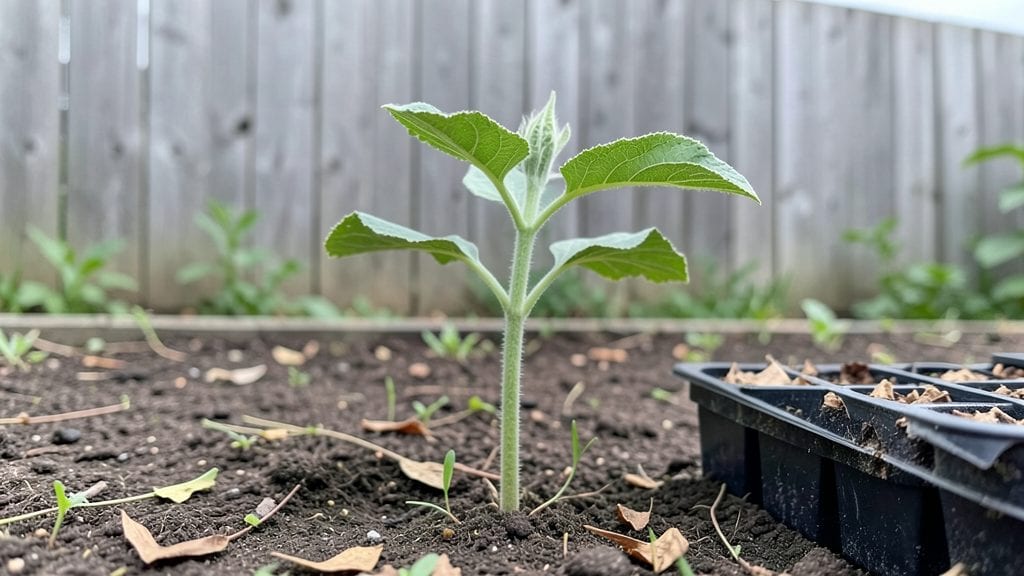
Planting sunflower seeds gives you towering blooms in record time—fast-germinating heights in just 7 days is totally possible with the right approach. I still remember the first time I watched those fuzzy little sprouts burst through the soil, reaching for the sky within a week.
There’s nothing quite like it.
Sunflowers thrive when planted after the last frost, in well-drained soil with full sun. The key is simple: dig a hole 1 inch deep, space seeds 6 inches apart for dwarf varieties or 12-18 inches for giants, and keep the soil consistently moist.
Most people overlook the spacing—this is where overcrowding leads to weak stems and fewer blooms.
Within a week, you’ll see those first bright green shoots breaking through, and by summer, you’ll have sunflowers that turn heads.
The early care is minimal: water at the base (not the leaves) and watch for pests like birds or squirrels—just a little netting can save your seeds from becoming a snack.
Whether you’re growing a 6-foot giant or a compact patio variety, the same rules apply. The payoff? Sunflowers that grow faster than almost any other plant, with blooms that last all summer. Let’s get those seeds in the ground!
📚 In This Guide
- What you need
- Instructions
- Tips and common mistakes
- Wrapping up and next steps
What you need
- ● Sunflower seeds: Choose fast-germinating varieties like Mammoth or Russian Giant. Buy 10-20 seeds for a small patch or 50+ seeds for a full garden bed.
- ● Planting containers or garden bed: For containers: 5-gallon pots or larger (one per seedling for better growth). Ensure pots have drainage holes.
- ● For garden beds: Loose, well-draining soil in a sunny spot (6+ hours of sunlight daily).
- ● Potting soil or garden soil: High-quality, well-draining mix (add perlite or sand if your soil is heavy). Use 10-20 lbs for containers or amend 1 cubic yard for garden beds.
- ● Watering can or hose with a gentle spray nozzle: Avoid over-saturating seeds—aim for 1 inch of water per week.
- ○ Planting tray or biodegradable seed starter pots (optional for early sowing): Helps if starting indoors 4-6 weeks before last frost.
- ● Fertilizer: A balanced 10-10-10 or organic compost (mix 1 tbsp per gallon of soil) to boost growth.
- ● Plant markers: Label seeds with their variety and planting date (use popsicle sticks or small flags).
- ● Mulch: Straw or shredded leaves to retain moisture and suppress weeds.
- ● Stakes or cages: Tall sunflowers may need support—use 6-foot stakes or tomato cages for varieties over 5 feet.
- ● Seedling heat mat (indoor starting): Speeds up germination if temperatures dip below 70°F.
- ● Gloves & knee pads: Because gardening is way more fun when you’re comfortable! 😉
Step-by-step guide to planting sunflower seeds for rapid growth
Here’s how to get those towering stems shooting up in just a week—no waiting around.
Choose the Right Spot and Prep the Soil
Sunflowers thrive in full sun—pick a location where they’ll get at least 6-8 hours of direct sunlight daily. If your yard is shady, consider starting them in containers near a sunny window or under grow lights. The soil should be loose and well-draining; if it’s heavy clay, mix in 2-3 inches of compost to improve aeration.
Work the soil to a depth of 12 inches, breaking up any compacted layers. Sunflower roots grow deep, so good drainage is key—waterlogged soil will stunt their growth. A simple test: Dig a hole, fill it with water, and if it drains within an hour, your soil is ready. If not, add more organic matter to speed up drainage.
Plant Seeds at the Correct Depth and Spacing
Sunflower seeds are large and don’t need light to germinate, so plant them 1 inch deep—about the width of your thumb. Space them 6 inches apart in rows 18-24 inches apart to give them room to grow without competing for nutrients. If you’re planting in containers, use one seed per 1-gallon pot to avoid overcrowding.
Press the soil gently around each seed to ensure good contact—this helps roots anchor quickly. Label your rows if you’re growing multiple varieties, since sunflowers can look similar at first. Water lightly after planting to settle the soil, but avoid soaking it, as excess moisture can cause the seeds to rot before they sprout.
Water and Monitor for Germination
Keep the soil consistently moist but not soggy until germination, which typically happens in 3-7 days under ideal conditions. Check daily by pressing your finger 1 inch into the soil—if it feels dry, water lightly. Overwatering now can lead to fungal issues, so aim for a gentle mist rather than a deep soak.
Once the first true leaves (not the initial seed leaves) appear, reduce watering slightly. Sunflowers are drought-tolerant once established, but young seedlings need steady moisture to develop strong roots. You’ll know you’re doing it right when the stems stand upright and the leaves are a vibrant green—not yellow or wilted.
Thin Seedlings and Support Early Growth
If you planted multiple seeds in one spot, thin seedlings to the strongest one per location once they’re 4-6 inches tall. Use scissors to snip weak stems at soil level—this prevents disturbing the roots of the remaining plants. Leave the strongest seedling with the most robust stem and deep green leaves.
As stems reach 12-18 inches, install stakes or cages to support their weight. Sunflowers can grow 10+ feet tall, and without support, they’ll flop over in wind or rain. Tie the main stem loosely to the stake with soft plant ties, leaving room to grow. Watch for signs of stress—yellowing leaves or leaning stems mean it’s time to adjust support or check for pests.
Maintain and Encourage Fast Growth
Sunflowers grow fastest with regular feeding. Once they’re 2 feet tall, apply a balanced fertilizer (10-10-10) every 4-6 weeks to fuel rapid stem and flower development. Avoid high-nitrogen fertilizers, which promote leafy growth at the expense of blooms. Water at the base of the plant in the morning to prevent fungal diseases that thrive in damp foliage.
Here’s the thing—sunflowers love warmth. If nighttime temperatures dip below 50°F, consider covering young plants with frost cloth to protect them. You’ll see the fastest growth when days are warm and sunny, so monitor their progress and adjust care as needed. With the right conditions, you could see 1-foot gains in just a week—that’s how quickly these giants shoot up!
Tips & tricks for perfect sunflower seed planting
Here's what I learned after watching my sunflowers grow from tiny seeds to towering giants in record time.
Light is Non-Negotiable: Those 6-8 hours of direct sunlight are critical for rapid growth. I've seen sunflowers planted in partial shade take twice as long to reach the same height. If your garden gets less than 6 hours, consider using reflective surfaces like white walls or mirrors to bounce extra light onto your plants. For container growing, place pots on a sunny windowsill or use LED grow lights for 12-14 hours daily to compensate.
Soil Prep Makes All the Difference: The 12-inch deep soil preparation isn't just about depth—it's about creating the perfect environment for those deep roots. I learned this the hard way when my first attempt in compacted soil resulted in stunted growth. Use a garden fork to break up any compacted layers, and if your soil drains poorly, mix in perlite or coarse sand along with the compost. This combination gives roots both aeration and moisture retention.
Germination Timing is Everything: Those 3-7 days for germination might seem like a wide range, but it's actually quite precise. The key is maintaining consistent moisture at 1 inch depth—like a damp sponge. I've found that using a spray bottle for watering during this phase prevents overwatering while keeping seeds moist. Once true leaves appear, you'll notice the seedlings develop a more upright posture, signaling they're ready for slightly reduced watering.
Support System Strategy: Installing stakes or cages at the 12-18 inch mark prevents future headaches. I've seen sunflowers topple over when they reach 6 feet tall, and trying to prop them up at that stage is nearly impossible. Use soft plant ties that won't cut into the stem as it thickens, and position stakes slightly off-center to allow for natural growth patterns. This small investment of time now saves major frustration later.
Pro Tips for Sun Flower Seeds Planting
- Here's what I learned after watching my sunflowers grow from tiny seeds to towering giants in record time.
- Light is Non-Negotiable: Those 6-8 hours of direct sunlight are critical for rapid growth.
- Soil Prep Makes All the Difference: The 12-inch deep soil preparation isn't just about depth—it's about creating the perfect environment for those deep roots.
Frequently asked questions
Got questions about growing sunflowers from seeds? You’re not alone! Here are some of the most common queries—plus quick, actionable answers to help you plant with confidence.
When is the best time to plant sunflower seeds?
Sunflower seeds thrive in warm soil (at least 60°F/15°C). For fastest germination, plant after the last frost date in spring—typically mid-April to June, depending on your climate. If you’re in a short-season zone, opt for early-maturing varieties like ‘Moulin Rouge’ (germinates in 7–10 days!).
How long do sunflower seeds take to sprout?
With ideal conditions (warmth, moisture, and sunlight), sunflower seeds usually sprout in 7–14 days. For speedy results, soak seeds overnight before planting and keep soil consistently moist (not soggy). Pro tip: Use a heat mat if your soil is cool—it can cut germination time by half!
Can I plant sunflower seeds indoors first?
Yes! Start seeds indoors 4–6 weeks before the last frost in biodegradable pots or peat pellets. Use a sunny windowsill or grow lights, and transplant seedlings outdoors once they’re 3–4 inches tall and soil temps are warm. Just be gentle—sunflowers have delicate roots!
What should I do if my sunflower seeds rot or mold?
Overwatering or cold, damp soil causes rot or mold. If you spot mushy seeds or fuzzy growth, act fast: Stop watering, improve drainage (add perlite or sand), and replant seeds in fresh, dry soil. For extra protection, treat seeds with a fungicide before planting.
Are sunflower seeds edible if I grow them at home?
Homegrown sunflower seeds are safe and nutritious—just ensure they’re planted in well-drained soil (no pesticides/herbicides). Harvest when the back of the head turns yellow, then dry in the sun or a dehydrator. Fun fact: Black oil sunflowers yield the most flavorful seeds!
Wrapping up and next steps
Planting sunflower seeds is a rewarding and fast way to grow tall, cheerful blooms in just 7 days! With the right soil, sunlight, and care, you’ll watch them sprout and thrive—making it perfect for beginners or gardeners eager for quick results. 🌱
Now that you’re armed with tips and answers, grab those seeds and get planting! Share your sunflower journey with us—we’d love to see your progress. Happy growing! 🌻