
Flowers
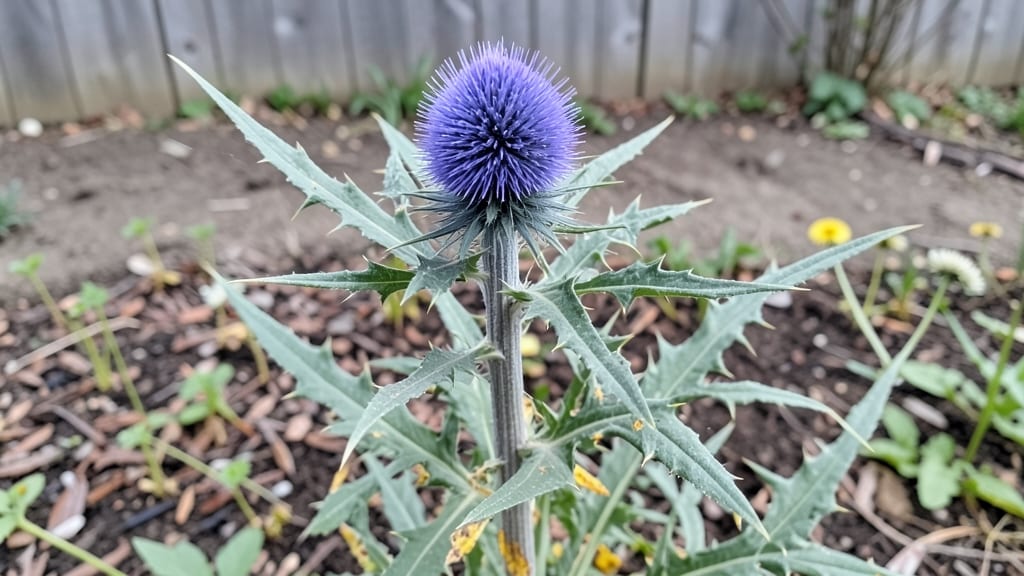
Growing spiky ball flowers delivers those bold, architectural blooms that turn ordinary gardens into statement pieces—plus, they handle frost like a champ. 🌿 I've battled with finicky perennials before, but these low-maintenance beauties thrive where others fail, especially in zones 3-9 where winters test even the hardiest plants.
The secret lies in well-drained soil and full sun exposure, but don't stress if your yard isn't perfect. Even partial shade works, and their drought tolerance means you won't be watering daily.
Start with 2-3 foot spacing between plants, and you'll see those signature spherical blooms emerging in late spring—no fuss, no failure.
By midsummer, you'll have a garden that feels like a living sculpture, with glossy foliage and blooms that last from June through frost. The best part? They multiply over time, creating natural drifts without needing constant division. Once established, these plants are nearly self-sufficient.
Whether you're filling gaps in borders or creating a dramatic focal point, spiky ball flowers deliver year-after-year drama with minimal effort. Let's get those roots in the ground—they're eager to impress.
📚 In This Guide
- What you need
- Instructions
- Tips and common mistakes
- Wrapping up and next steps
What you need
- ● Spiky ball flower plants: 1–3 nursery-grown plants (6–12 inches tall) or
- ● Seeds (start indoors 8–10 weeks before last frost or direct-sow in spring/fall)
- ● Well-draining soil: Mix 1 part garden soil + 1 part compost + 1 part perlite/sand (for sandy or clay-heavy areas).
- ● Sunlight: Full sun (6+ hours daily).
- ● Watering can or hose: With a gentle spray nozzle (avoid soggy roots!).
- ● Garden trowel or transplant spade (for digging holes).
- ○ Gloves (optional but recommended—those spikes can pinch!).
- ● Mulch (straw or shredded leaves) (1–2 inches, to retain moisture).
- ○ Fertilizer (optional): Balanced 10-10-10 or slow-release organic fertilizer (like bone meal).
- ● Timing: Apply at planting and mid-season (early summer).
- ○ Stakes or cages (optional): For tall varieties (like Echinacea ‘White Swan’) to prevent flopping.
Step-by-step guide to cultivating spiky ball flowers
Here's how to coax these striking, frost-tolerant blooms into thriving plants with minimal fuss.
🌱 Step 1: Select the Perfect Planting Site
Spiky ball flowers (Echinops ritro) thrive in full sun—at least 6-8 hours daily—but tolerate partial shade in hotter climates. I always choose a spot with well-draining soil because these plants despise soggy roots. Amend heavy clay with 2-3 inches of compost or sand to improve drainage before planting.
Here's the thing—these plants have a woody, globe-shaped habit, so give them 2-3 feet of space between plants. Crowding leads to weak stems and fewer blooms. If your soil is poor, mix in 1 cup of 5-10-5 fertilizer per planting hole to give them a strong start.
🌿 Step 2: Plant at the Right Depth and Time
Plant bare-root divisions or container-grown plants in early spring, 6-8 weeks before your last frost date. If you're dividing mature clumps, dig up the entire plant, then separate the roots gently—each section should have 3-4 stems. Replant immediately at the same depth they grew before.
For container plants, dig a hole twice as wide as the root ball but only as deep as the container. This prevents burying the stem too deeply, which can cause rot. Water deeply right after planting to settle the soil and remove air pockets around the roots.
☀️ Step 3: Water Deeply but Infrequently
Once established, spiky ball flowers are drought-tolerant, but young plants need consistent moisture for the first 2-3 weeks. Water deeply once a week, soaking the soil to 12 inches down. You'll know it's right when the top 2 inches feel dry to the touch.
Real talk: Overwatering is the biggest mistake here. These plants store water in their thick stems, so wilting in late afternoon is normal—they perk up by morning. Only water again if the soil feels bone-dry 4-6 inches down. Mulch with 2 inches of straw to retain moisture and suppress weeds.
✂️ Step 4: Prune for Bushier Growth and Longer Blooms
Deadhead spent blooms by snipping stems back to the first set of healthy leaves after flowering. This encourages a second flush of blooms later in the season. I always use clean, sharp pruners to avoid tearing stems—these plants have thick, woody growth that resists clean cuts.
In early spring, cut back one-third of the oldest stems to the ground. This rejuvenates the plant and prevents it from becoming woody and leggy. The new growth will be more vigorous and produce fuller blooms the following year.
⏰ Step 5: Prepare for Winter and Encourage Spread
Spiky ball flowers are frost-hardy down to -20°F, but young plants benefit from a 2-3 inch layer of mulch in winter. This protects the crown from freeze-thaw cycles that can damage tender roots. I never remove the mulch until late spring, when new growth appears.
These plants spread slowly but steadily. After 3-4 years, you can divide clumps in early spring to share with friends or fill gaps in your garden. Dig up the entire plant, separate the roots, and replant immediately—each division will establish quickly and bloom the same year.
Tips & tricks for perfect spiky ball flower cultivation
These simple strategies will help you coax vibrant, long-lasting blooms from your spiky ball flowers with minimal effort.
Site Selection Matters: The 6-8 hours of full sun requirement is non-negotiable for optimal blooming. If your garden only gets 5 hours of direct sun, consider placing them in the sunniest spot available and supplementing with a light garden reflector during cloudy days. These plants will tolerate partial shade but may produce fewer blooms, and stems could become leggy. I've found that morning sun with afternoon shade works best in hotter climates—just avoid deep shade entirely.
Planting Depth Technique: When planting container-grown specimens, the "twice as wide but same depth as container" rule prevents stem rot. I've seen gardeners bury stems too deeply by accident, which causes crown rot—especially problematic in heavy clay soils. To avoid this, use a reference marker on the container before removing the plant, then match that depth when planting. For bare-root divisions, ensure each section has those 3-4 stems to guarantee strong regrowth.
Watering Wisdom: The "top 2 inches dry" test is more reliable than a weekly schedule. I've learned the hard way that these drought-tolerant plants can suffer from overwatering, which leads to root rot. Instead of sticking to a rigid schedule, check soil moisture at the 4-6 inch depth—this is where the roots actually seek water. Mulching with 2 inches of straw creates a moisture barrier that helps maintain consistent soil conditions without overwatering.
Pruning Payoff: That second flush of blooms from deadheading comes from redirecting the plant's energy. I always use clean, sharp pruners to make clean cuts at the first set of healthy leaves—this prevents disease entry points. For the early spring pruning, I mark one-third of the oldest stems with garden flags before cutting them back. This visual cue helps me maintain consistency year after year and prevents over-pruning, which can stress the plant.
Pro Tips for Spiky Ball Flower
- These simple strategies will help you coax vibrant, long-lasting blooms from your spiky ball flowers with minimal effort.
- Site Selection Matters: The 6-8 hours of full sun requirement is non-negotiable for optimal blooming.
- Planting Depth Technique: When planting container-grown specimens, the "twice as wide but same depth as container" rule prevents stem rot.
Frequently asked questions
What’s the best time to plant spiky ball flowers?
Plant them in early spring or fall for the best results. This gives roots time to establish before summer heat or winter frost. If transplanting, water thoroughly and mulch to retain moisture. Pro tip: Avoid planting in late summer—heat stress can stunt growth!
Are spiky ball flowers really frost-resistant?
Yes! Many varieties, like Echinacea purpurea and Eryngium, thrive in USDA zones 3–9 and tolerate light frost. However, young plants may need winter protection (like mulch) in colder climates. Fun fact: Their spiky textures often hold snow like tiny umbrellas!
How do I keep pests away from my spiky ball flowers?
Most pests (like aphids or Japanese beetles) avoid their prickly blooms, but deer and rabbits may nibble. Use physical barriers (like chicken wire) or deter them with garlic spray. For fungal issues (e.g., powdery mildew), improve airflow and water at the base—not the leaves.
Can I grow spiky ball flowers in containers?
Choose compact varieties like Echinacea ‘White Swan’ and use containers at least 12 inches deep with well-draining soil. Add a slow-release fertilizer in spring, and repot every 2–3 years to refresh nutrients. Bonus: Containers let you move them to sunny spots!
Why aren’t my spiky ball flowers blooming?
Common culprits:
- Too much shade—they need 6+ hours of sun daily.
- Over-fertilizing (especially nitrogen) promotes leaves over blooms.
- Old plants (3+ years) may need dividing to rejuvenate.
Wrapping up and next steps
The spiky ball flower isn’t just a stunning addition to your garden—it’s a resilient, low-maintenance superstar that thrives in diverse climates, including frost! 🌟 With the right spot, soil, and care, you’ll be rewarded with bold, textured blooms that turn heads and brighten up any space.
Whether you’re a seasoned gardener or just starting out, this hardy plant is your ticket to effortless beauty.
Ready to plant your confidence—and your spiky ball flowers? Grab your gloves, pick a sunny patch, and get growing! Next up: Share your progress with fellow plant lovers or experiment with companion plants to create an even showier garden display. Happy planting! 🌱