Flowers
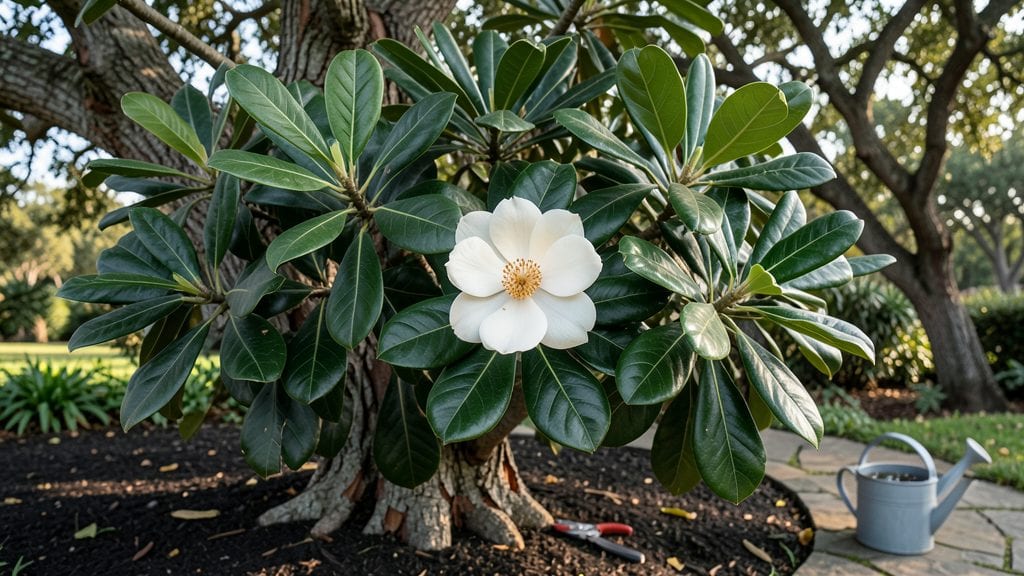
Planting a Southern magnolia with its stunning magnolia flower in the Pacific Northwest means adding a fragrant evergreen giant to your landscape—its glossy leaves and creamy-white blooms become the centerpiece of any garden. 🌿 I’ve watched mine grow from a sapling to a towering beauty. and the key to success starts with the right site: sheltered from harsh winds but with plenty of afternoon sun.
The secret to thriving Southern magnolias in our cooler climate lies in well-draining soil and a spot that mimics their native subtropical habitat. Amend heavy clay with compost or pine bark, and mulch heavily to protect roots from winter chill.
These trees aren’t picky about soil pH, but they despise soggy feet—so raised beds or slopes work best if your yard stays damp.
By summer, you’ll be rewarded with 10-inch-wide blooms that perfume the air and attract pollinators, followed by striking red seed cones in fall. Pruning is minimal—just remove crossing branches in late winter—but watch for scale insects, which love this tree’s sap.
With patience, your magnolia will outlive you and become the Pacific Northwest’s most dramatic focal point.
Winter care is the only real challenge here: young trees need winter wraps or burlap to shield them from freezing winds. Established specimens handle our mild winters just fine, but a thick mulch layer keeps roots cozy. Once established, these trees need little beyond occasional deep watering—nature does the rest.
📚 In This Guide
- What you need
- Instructions
- Tips and common mistakes
- Wrapping up and next steps
What you need
- ● Southern Magnolia Plant: 1–3 Magnolia grandiflora (container-grown or bare-root, 1–3 gallons in size)
- ○ Optional: Dwarf varieties (e.g., 'Little Gem' or 'Teddy Bear') for smaller spaces
- ● Soil & Amendments: 50 lbs well-draining, acidic soil (pH 5.0–6.0; mix garden soil with compost)
- ● 10 lbs peat moss or pine bark fines (for moisture retention and acidity)
- ● 1 lb slow-release organic fertilizer (10-10-10 or similar)
- ● Planting Supplies: 1 shovel or trowel (for digging)
- ● 1 garden hose or watering can (with a gentle spray nozzle)
- ○ 2–3 mulch chips or pine straw (3–4 inches deep; optional but recommended)
- ● Location & Site Prep: Full-sun to partial shade spot (6+ hours of sunlight daily; protect from harsh afternoon sun in hot microclimates)
- ● Space allowance: 20–30 feet wide (or 10–15 feet for dwarf varieties)
- ● 1 soil moisture meter (to monitor watering needs)
- ● 1 pruning shears (for shaping or removing dead branches)
- ● 1 plant support stake (if planting in windy areas)
- ● 1 fungicide spray (e.g., copper-based; for preventive care in humid PNW climates)
Step-by-Step guide to planting and caring for Southern magnolias in the Pacific Northwest
Here's how to bring this iconic evergreen's bold beauty to your garden—with PNW-specific adjustments.
🌱 Step 1: Choose the Perfect Planting Spot with PNW Considerations
Southern magnolias thrive in full sun to partial shade (at least 6 hours of direct light daily), but in the Pacific Northwest's cooler, wetter climate, afternoon shade helps prevent leaf scorch. Pick a location with well-draining soil—they hate soggy roots—and shelter from harsh coastal winds, which can damage large leaves.
I always test the spot by observing it for a week first. If nearby plants show signs of stress (yellowing leaves, stunted growth), the site isn't ideal. Southern magnolias need 6-8 feet of clearance all around for their mature spread—this is where most gardeners go wrong and end up with crowded, struggling trees.
🪴 Step 2: Prepare the Planting Hole and Amend Soil for PNW Conditions
Dig a hole twice as wide as the root ball but only as deep—planting too deep suffocates roots. In the Pacific Northwest's acidic soils, mix 3 inches of peat moss or compost into the native soil to improve drainage and fertility. Southern magnolias prefer slightly acidic to neutral soil (pH 5.0-7.0), so test your soil first if possible.
Here's the thing—PNW clay soils can compact easily. I always loosen the sides of the hole with a fork to encourage root spread. Place the tree so the top of the root ball sits 1-2 inches above ground level—this prevents water from pooling around the trunk. Water the hole thoroughly before planting to settle the soil.
☀️ Step 3: Plant and Water Using PNW's Unique Climate Triggers
Gently remove the tree from its container and place it in the hole, spreading roots outward naturally. Backfill with the amended soil, pressing lightly to eliminate air pockets. Water deeply right after planting—this is critical in the Pacific Northwest's frequent rain cycles to help roots establish before winter. Mulch with 3 inches of bark or wood chips (keeping it 6 inches away from the trunk) to retain moisture and regulate soil temperature.
Watch for wilting leaves in the first few weeks—this often happens when roots struggle to adapt. If you see this, water again and check that mulch isn't smothering the base. Southern magnolias in the PNW need consistent moisture but never soggy soil—this is where many gardeners overcompensate after our rainy winters.
✂️ Step 4: Prune and Maintain for Coastal Climate Resilience
Prune only in late winter or early spring before new growth begins. Remove dead, crossing, or weak branches first, then shape lightly if needed. Southern magnolias bloom on old wood, so avoid heavy pruning—this is where most gardeners make mistakes and end up with fewer flowers. In the Pacific Northwest's damp climate, always sterilize pruners with rubbing alcohol between cuts to prevent fungal infections.
Fertilize once in early spring with a balanced, slow-release fertilizer (10-10-10). Too much nitrogen causes leafy growth at the expense of flowers. Watch for yellowing leaves—this often signals overwatering in our wet climate. Southern magnolias are drought-tolerant once established, so let the soil dry slightly between waterings in summer.
Tips & tricks for perfect Southern magnolia planting in the Pacific Northwest
Here's what I've learned after watching these majestic trees thrive in our unique climate.
Location Scout Like a Pro: Before digging, spend a week observing your potential spot. Watch for afternoon shade patterns—this is critical in the PNW where sun intensity varies dramatically. I've seen magnolias struggle in spots that seemed perfect until I noticed they got scorched by late afternoon sun. Look for areas where native plants already thrive—this tells you the microclimate works.
Soil Prep Secret: The 3 inches of peat moss or compost we mix into native soil isn't just about fertility—it's about breaking up that dense PNW clay. Use a garden fork to loosen the sides of the hole aggressively. I've seen roots grow outward beautifully in loosened soil, while compacted soil creates a root-bound tree that never reaches its full potential. That 1-2 inch elevation above ground level? It's not just about drainage—it prevents water from pooling against the trunk during our frequent winter rains.
Watering Wisdom: That deep watering right after planting isn't just about settling soil—it's about establishing a moisture reservoir for roots to tap into during our wet winters. In Step 3, when you see wilting leaves, it's usually not about underwatering but about roots struggling to adapt. Check that mulch isn't smothering the base—it should be a loose layer that lets air circulate while keeping moisture in.
Pruning Protection: Sterilizing pruners with rubbing alcohol might seem excessive, but in our damp climate, it's non-negotiable. I've seen fungal infections spread rapidly through cuts that weren't properly sanitized. And remember—those late winter/early spring timing windows are tight. If you miss them, you risk damaging next year's flower buds that form on old wood.
Pro Tips for Southern Magnolia Magnolia Flower
- Here's what I've learned after watching these majestic trees thrive in our unique climate.
- Location Scout Like a Pro: Before digging, spend a week observing your potential spot.
- Soil Prep Secret: The 3 inches of peat moss or compost we mix into native soil isn't just about fertility—it's about breaking up that dense PNW clay.
Frequently asked questions
Got questions about growing and caring for Southern Magnolia (Magnolia grandiflora) in the Pacific Northwest? You’re not alone! Here are some of the most common queries—plus quick, actionable answers to keep your fragrant evergreen thriving.
Can Southern Magnolias survive the Pacific Northwest’s rainy climate?
The good news is yes! Southern Magnolias are naturally drought-tolerant once established and handle the PNW’s humidity and mild winters well. However, they prefer well-draining soil—so avoid soggy spots or heavy clay without amending it with compost. Mulch (3–4 inches) helps protect roots from wet winters and keeps them cool in summer heat.
How long does it take for a Southern Magnolia to bloom?
Patience is key! Young trees (under 5 years) focus on root and foliage growth, so don’t expect flowers until they’re 5–10 years old. Mature trees (15+ years) produce showstopping 8–12-inch blooms in late spring/early summer. For faster results, choose container-grown nursery plants—they’re already a few years ahead in development.
What pests or diseases should I watch for in PNW Southern Magnolias?
The biggest threats in the PNW are:
- Scale insects: Look for sticky residue (honeydew) on leaves—treat with horticultural oil or insecticidal soap.
- Fungal leaf spots: Caused by wet foliage; improve airflow and avoid overhead watering.
- Root rot: Overwatering or poor drainage? Amend soil and water only when the top 2 inches are dry.
Healthy trees with 6+ hours of sun and proper spacing resist pests best!
Are there dwarf or compact Southern Magnolia varieties for small yards?
If space is limited, try these PNW-friendly cultivars:
- ‘Little Gem’: Narrow, columnar shape (20–25 ft tall, 8–10 ft wide)—perfect for tight spaces.
- ‘Bracken’s Brown Beauty’: Dark foliage, compact growth (20 ft tall, 15 ft wide).
- ‘D.D. Blanchard’: Slower-growing (15 ft tall, 12 ft wide) with glossy leaves.
All retain the iconic fragrance and blooms but in a scaled-down package!
Do Southern Magnolias need winter protection in the PNW?
Generally, no—but young trees (<3 years) or those in exposed, windy sites may benefit from burlap wraps or anti-desiccant sprays in harsh winters. Established trees handle PNW winters (Zone 7–10) with ease. Prune in late winter (before buds swell) to avoid frost damage.
Pro Tip:
For extra fragrance, plant Southern Magnolias near patios or walkways—their creamy-white blooms and spicy-sweet scent peak in June–July. Pair them with Rhododendrons or Camellias for a PNW woodland garden showstopper!
Wrapping up and next steps
The Southern magnolia isn’t just a stunning addition to your Pacific Northwest garden—it’s a fragrant, low-maintenance evergreen that brings timeless beauty and elegance year-round. 🌿 With the right care, this iconic flower will reward you with lush foliage, intoxicating blooms, and a lasting legacy in your landscape.
Ready to plant your own starburst of Southern charm? Start by selecting the perfect spot, gathering your supplies, and diving in with confidence. Whether you’re a seasoned gardener or a beginner, this fragrant evergreen is well worth the effort—and your garden will thank you for years to come! 🌸