
Flowers
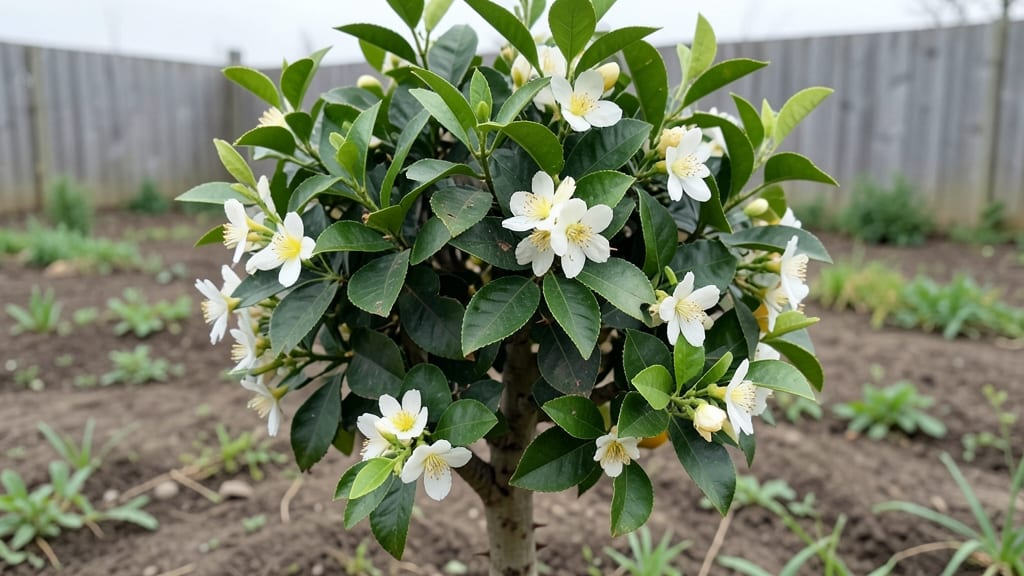
Nothing beats the sight of small trees bursting with orange flowers in spring—especially when they survive our Pacific Northwest frosts. 🌸 I’ve planted three varieties now, and the Mexican orange blossom (Choisya ternata) still steals the show with its citrusy scent and glossy leaves.
It thrives where others fail, even in partial shade.
The secret to their success? Well-draining soil and morning sun—no fancy tricks. Most need 1-2 inches of water per week, but let the top inch dry between waterings to avoid root rot.
Prune after blooming to shape them, and watch for aphids (they love these trees too). With the right care, they’ll reward you with fragrant blooms for months.
You’ll end up with a tree that’s compact yet striking—perfect for small yards or container growing. The crapemyrtle (Lagerstroemia) adds drama with its peeling bark, while the orange jessamine (Murraya paniculata) climbs or cascades with ease. All three handle our damp winters better than most.
Start with one this spring, and by next year, you’ll have a frost-proof focal point that neighbors will envy. The best part? Their scent lingers long after the flowers fade—like a citrusy hug for your garden.
📚 In This Guide
- What you need
- Instructions
- Tips and common mistakes
- Wrapping up and next steps
What you need
- ● 1-2 small trees (3-6 ft tall, bare-root or potted): Choisya ternata (Mexican Orange) – Zones 7-10, fragrant orange blooms 🌸
- ● Hamamelis mollis (Witch Hazel) – Zones 4-8, late-winter orange-yellow flowers ❄️🌼
- ● Well-draining soil mix (50% native soil + 50% compost or perlite)
- ● Organic mulch (3-4 inches of wood chips or pine straw)
- ● Balanced fertilizer (10-10-10 or slow-release granules, 2-3 tbsp per tree)
- ● Watering can or hose with a gentle spray nozzle
- ● Garden trowel or spade (for planting)
- ● Pruning shears (sterilized, for shaping)
- ● Garden gloves (to protect hands)
- ○ Mulch ring or landscape fabric (optional, to retain moisture)
- ● Frost cloth or burlap wraps (for extra winter protection in colder zones)
- ● Pest control (neem oil or insecticidal soap) (if aphids or scale appear)
How to cultivate Pacific Northwest-friendly orange-blooming trees
Here’s how to grow hardy, fragrant orange-blooming trees that thrive in the PNW’s cool, damp climate.
🌱 Step 1: Select the Right Frost-Resistant Variety
Choose Choisya ternata ‘Sundance’ or Philadelphus lewisii—both bloom with vibrant orange-tinged flowers and tolerate 10-15°F without damage. These evergreens handle the PNW’s wet winters better than tropical citrus. Check local nurseries for 1-3 gallon container-grown plants (smaller sizes adapt faster to transplanting).
Skip citrus trees like orange jasmine—they’re tender and won’t survive PNW winters. Instead, opt for native-friendly shrubs or small trees that naturally resist fungal diseases in high humidity. Look for plants with thick, waxy leaves—they shed rain better and resist rot.
☀️ Step 2: Site for Sun and Shelter
Plant in full sun to partial shade (6+ hours of direct light daily). A south-facing wall or fence provides winter wind protection while maximizing spring sun exposure. In coastal areas, afternoon shade prevents leaf scorch from intense summer sun.
Test the spot by observing how long it stays wet after rain—soggy soil kills roots fast. Amend heavy clay with 3-4 inches of compost to improve drainage. Mulch with 3 inches of shredded bark (not wood chips) to insulate roots during winter freezes.
💧 Step 3: Water Deeply and Establish Roots
Water once a week for the first 6-8 weeks after planting, soaking the root zone to 12 inches deep. Use a soaker hose to avoid wetting leaves (fungus loves damp foliage). Check moisture by sticking your finger 2 inches into soil—it should feel damp but not saturated.
Reduce watering to every 10-14 days once new growth appears. Overwatering in winter causes root rot, while drought stress weakens plants for spring blooms. A drip irrigation system keeps roots consistently moist without wasting water.
✂️ Step 4: Prune for Shape and Blooms
Prune late winter or early spring (before buds swell) to remove dead, crossing, or crowded branches. Use clean, sharp pruners to make cuts at a 45° angle just above a leaf node. Never prune in fall—new growth won’t harden off before frost.
Shape the tree into an open vase form to improve airflow and sunlight penetration. Remove suckers at the base immediately—they drain energy from flowering. Thin out 10-15% of the canopy annually to encourage larger, more fragrant blooms.
🌿 Step 5: Fertilize for Winter Hardiness
Apply a balanced 10-10-10 fertilizer in early spring (March) when new shoots emerge. Use ½ cup per year of plant maturity (e.g., ¼ cup for a 1-year-old tree). Avoid high-nitrogen fertilizers—they promote leafy growth at the expense of flowers.
In late summer, switch to a low-nitrogen, high-phosphorus formula (5-10-10) to encourage root development and next year’s blooms. Water deeply after fertilizing to prevent root burn. Organic options like fish emulsion work well but require monthly applications.
Tips & tricks for Pacific Northwest orange-blooming trees
A few strategic moves will help your frost-resistant orange-blooming trees thrive in the PNW's challenging climate.
Variety Selection: When choosing between Choisya ternata ‘Sundance’ and Philadelphus lewisii, consider your space needs—'Sundance' grows into a compact shrub (6-10 feet) while Philadelphus can reach 8-12 feet tall. Both tolerate 10-15°F but 'Sundance' handles coastal fog better due to its thicker leaves. Look for plants with vibrant new growth and no signs of yellowing—this indicates healthy root systems that'll establish faster in your garden.
Site Preparation: The 3-4 inches of compost you'll add to amend heavy clay isn't just about drainage—it also introduces beneficial microbes that help break down organic matter in the cool, wet PNW soil. For coastal sites, consider adding a 1-inch layer of coarse sand to the bottom of your planting hole to improve drainage further. This prevents that dreaded "soggy soil" condition mentioned in Step 2 that can kill roots within weeks.
Watering Strategy: That first 6-8 weeks of weekly watering is critical for root establishment, but timing matters just as much as frequency. Water in the early morning (before 9 AM) to allow foliage to dry completely before evening humidity sets in. This simple shift prevents fungal diseases that thrive in the PNW's moist climate. Use the soaker hose for 20-30 minutes to ensure even moisture penetration to that 12-inch depth.
Pruning Precision: When making those 45° angle cuts in Step 4, aim for just above a leaf node where you can see a small bump or swelling—this is where new growth will emerge. For larger branches, make a second cut slightly outside the branch collar to prevent tearing. I've seen many gardeners accidentally cut too close to the trunk, which creates entry points for diseases in our damp climate.
Pro Tips for Small Tree Orange Flowers
- A few strategic moves will help your frost-resistant orange-blooming trees thrive in the PNW's challenging climate.
- Variety Selection: When choosing between Choisya ternata ‘Sundance’ and Philadelphus lewisii, consider your space needs—'Sundance' grows into a compact shrub (6-10 feet) while Philadelphus can reach 8-12 feet tall.
- Site Preparation: The 3-4 inches of compost you'll add to amend heavy clay isn't just about drainage—it also introduces beneficial microbes that help break down organic matter in the cool, wet PNW soil.
Frequently asked questions
Got questions about small trees with stunning orange flowers? You’re not alone! Here are some of the most common queries—and their answers—to help you grow (or enjoy) these vibrant beauties with confidence.
What’s the best small tree with orange flowers for the Pacific Northwest?
The Chionanthus retusus (Fringe Tree) and Hamamelis mollis (Witch Hazel) are top picks! Both thrive in PNW’s mild winters, offer fragrant blooms, and stay compact. For year-round interest, consider Corylopsis pauciflora—its early spring flowers are a showstopper.
Are these trees truly frost-resistant?
Most small orange-flowering trees (like Hamamelis or Corylopsis) handle frost down to 0°F (-18°C). Plant in well-draining soil and avoid late spring frosts by choosing varieties labeled "hardy." Mulch in winter for extra protection.
When do these trees bloom, and how long do the flowers last?
Timing varies:
- Witch Hazel (Hamamelis): Late winter to early spring (February–March).
- Fringe Tree (Chionanthus): Late spring (May–June).
- Winter Hazel (Corylopsis): Early spring (March–April).
Can I grow these in containers? What’s the best pot size?
Yes! Dwarf varieties (e.g., Hamamelis ‘Diana’) thrive in 15–20 gallon containers. Use well-draining soil and repot every 2–3 years. Place in partial shade and water when the top inch of soil dries. Containers limit root growth, so prune annually to maintain shape.
Are these trees fragrant? Do they attract pollinators?
Many are highly fragrant! Hamamelis has a sweet, spicy scent, while Corylopsis offers a delicate citrusy aroma. All three attract bees, butterflies, and hummingbirds, making them a pollinator magnet. Plant near seating areas to enjoy the perfume up close!
Why aren’t my orange-flowering tree’s buds opening?
Bud failure often stems from:
- Late frost: Protect with frost cloth if buds swell before last frost.
- Overwatering: Ensure soil drains well; soggy roots stress trees.
- Nutrient deficiency: Apply balanced fertilizer (10-10-10) in early spring.
- Improper pruning: Avoid cutting in late fall/winter—prune after blooming.
Wrapping up and next steps
Small trees with vibrant orange flowers aren’t just a Pacific Northwest stunner—they’re a low-maintenance, frost-resistant powerhouse for gardens and landscapes. Whether you’re drawn to their fragrant charm or their resilient nature, these blooms bring color and joy year after year with minimal fuss. 🌸
Ready to transform your outdoor space? Start small—pick a variety that fits your climate and soil, then plant with confidence! Research local nurseries or online seed suppliers to find the perfect match for your garden’s vision. Happy planting! 🌱