
Light Requirements
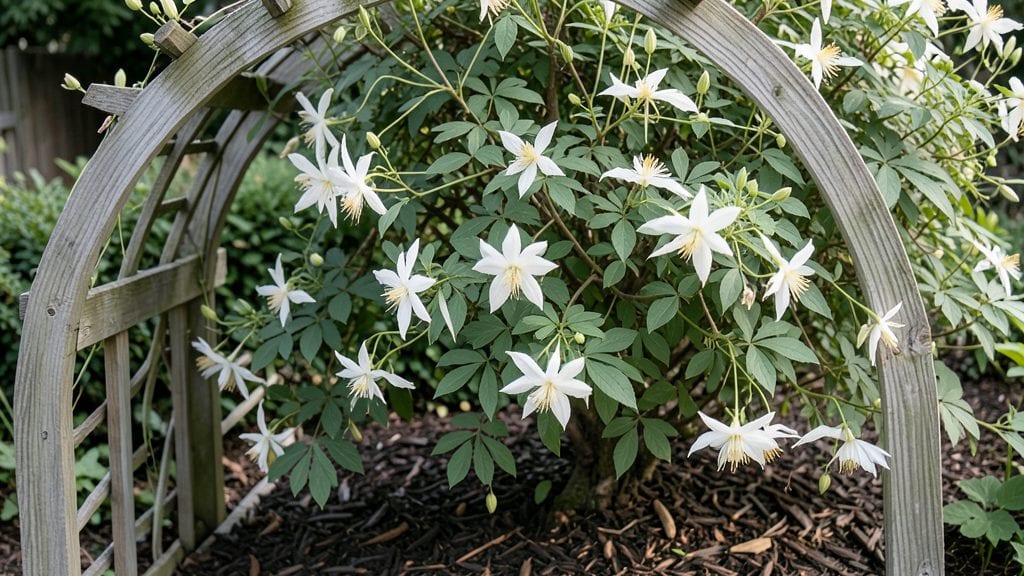
Shade-loving climbing flowering vines can turn your darkest corners into lush vertical gardens that bloom all season long. 🌿 I learned this the hard way when my first attempt with sun-loving vines ended in sad, leggy stems—but these beauties thrive where others fail.
The secret lies in choosing the right varieties that embrace shade while still delivering dramatic color and texture.
Clematis, passionflower, and Virginia creeper are my top picks for their ability to climb trellises, arbors, or even chain-link fences while producing vibrant blooms. These vines don’t just survive in shade—they transform it into a living tapestry of flowers and foliage that catches the eye from every angle.
The best part? They pair effortlessly with hostas, ferns, and other shade-loving plants, creating a cohesive, layered look that feels intentional.
Imagine a pergola draped in purple clematis blooms or a trellis bursting with passionflower’s tropical charm—both will add height and drama to your garden without needing direct sunlight.
These vines grow quickly, so you’ll see results in just a few seasons, and their ability to climb means they’ll fill vertical space beautifully while keeping your ground plants happy and uncrowded.
Whether you’re working with a north-facing wall, a shady patio, or a woodland garden, these shade-tolerant climbers will bring life and color to spots where other plants struggle.
The key is selecting the right vine for your space and giving it a sturdy structure to climb—then sit back and enjoy the show. Let’s get your vertical garden growing!
📚 In This Guide
- What you need
- Instructions
- Tips and common mistakes
- Wrapping up and next steps
What you need
- ● Shade-tolerant climbing vines (3–5 plants): Clematis (e.g., Clematis montana or Clematis armandii) – 3 plants for full coverage
- ● Honeysuckle (e.g., Lonicera periclymenum) – 2–3 plants for fragrance
- ● Star jasmine (Trachelospermum jasminoides) – 2 plants for evergreen beauty
- ● Passionflower (Passiflora incarnata) – 1–2 plants for tropical flair
- ● Support structure: Trellis (6–8 ft tall, 4–6 ft wide) – Metal, wood, or PVC (avoid pressure-treated wood near roots)
- ● Or arbor, pergola, or fence (ensure sturdy and shaded)
- ● Soil & amendments: High-quality potting mix (10–15 gallons) – Well-draining, organic
- ● Compost (5–10 lbs) – Boosts fertility
- ● Perlite or sand (2–3 lbs) – Improves drainage
- ● Planting supplies: Garden gloves – Comfortable, breathable
- ● Trowel or spade – Medium-sized (8–12 inches)
- ● Pruners – Sharp, bypass-style
- ● Mulch (2–3 inches) – Shredded bark or pine needles
- ● Slow-release fertilizer (e.g., Osmocote) – 10–15 lbs for season-long feeding
- ● Drip irrigation kit – Automates watering
- ● Epsom salt (1 lb) – Boosts magnesium for vibrant blooms
- ● Shade cloth (30–50%) – For areas with partial shade
- ● Decorative accents – Solar lights, hanging planters, or lattice for style
Step-by-step guide to planting shade-loving climbing vines
Here's how to transform any shady wall or trellis into a lush, flowering vertical escape.
🪴 Step 1: Choose the Right Trellis and Location
Select a sturdy trellis made of metal or wood that can support the weight of mature vines. I prefer freestanding trellises for shade gardens because they avoid competing with trees for space. Install it in a spot that receives dappled sunlight or partial shade—think 4-6 hours of filtered light daily. The key is avoiding harsh midday sun while ensuring enough light for blooms.
Position the trellis near a moisture-retentive wall or fence. If planting near a tree, choose a location where roots won't compete aggressively for water. You'll know you've picked the right spot when the area stays consistently moist but not soggy—ideal for shade-loving climbers.
🌱 Step 2: Prepare the Soil and Plant Your Vines
Amend the soil with 2-3 inches of organic compost to improve drainage and fertility. Shade-loving vines like clematis, honeysuckle, or climbing hydrangea thrive in well-draining but moisture-retentive soil. Mix in a handful of slow-release fertilizer to give your plants a nutrient boost right from the start.
Dig a hole twice as wide as the root ball but only as deep as the container's depth. This prevents burying the crown too deeply, which can cause rot. Gently remove the plant from its container, loosen the roots, and place it in the hole so the top of the root ball sits 1 inch below soil level. Backfill with native soil and water deeply until moisture reaches 6 inches down.
💧 Step 3: Train and Support the Vines
As soon as new growth appears, gently tie the main stems to the trellis using soft plant ties or twine. Avoid wrapping too tightly—you want to encourage upward growth, not restrict it. I like to train vines in a spiral pattern up the trellis, which helps distribute weight evenly and prevents breakage.
Watch for new shoots emerging from the base—these are called basal breaks and should be encouraged. They'll form the backbone of your vine's structure. Mulch around the base with 2-3 inches of shredded bark to retain moisture and suppress weeds. Keep the mulch 6 inches away from the stem to prevent rot.
☀️ Step 4: Maintain Light, Water, and Fertility
Shade-loving vines still need bright, indirect light to produce abundant blooms. If your trellis is in deep shade, consider supplementing with a grow light during winter months when natural light is scarce. You'll notice healthier foliage and more flowers when plants receive consistent light.
Water deeply once a week unless you experience dry spells, then increase to twice weekly. The soil should feel damp but not soggy 2 inches below the surface. Fertilize every 6-8 weeks with a balanced, water-soluble fertilizer during the growing season. Reduce feeding in late summer to encourage blooming the following year.
✂️ Step 5: Prune for Health and Abundant Blooms
Prune shade-loving vines in early spring before new growth begins. Remove any dead, damaged, or crossing branches first. For spring-blooming vines like clematis, cut back last year's growth by one-third. This encourages bushier growth and more flowers.
For summer-blooming varieties, prune lightly after flowering to maintain shape. Avoid heavy pruning in late summer, as this can reduce next year's blooms. You'll know you're pruning correctly when the vine has an open, airy structure that allows light and air to circulate freely—this prevents disease and encourages more flowers.
Tips & tricks for perfect shade-loving climbing vines
Common pitfalls—and how to sidestep every one when planting your vertical garden.
Location is Everything: That 4-6 hours of filtered light is non-negotiable for flowering vines. If your spot gets less than 4 hours, supplement with a grow light for 2-3 hours daily during winter. I've seen clematis thrive with just 3 hours of natural light when given this extra boost—it makes all the difference for bloom production. The key is mimicking morning sun when natural light is weakest.
Soil Science Matters: The 2-3 inches of organic compost and 1-inch crown depth are critical for preventing rot while ensuring proper drainage. If your soil feels compacted, add perlite to the mix—this creates air pockets that roots love. I've had vines fail in heavy clay because I skipped this step, so don't overlook it. The goal is soil that feels like a damp sponge, not wet cement.
Training Technique: When tying vines to the trellis, use a figure-eight pattern rather than simple knots. This allows the vine to grow through while still providing support. I learned this the hard way—tight knots can girdle stems as they thicken. Also, rotate the vine every few weeks to prevent it from growing in one direction only. This creates a more balanced, bushier plant over time.
Pruning Precision: That one-third cut-back for spring-blooming vines might seem drastic, but it's what triggers abundant flowering. Look for the largest, oldest stems to prune first—they've already produced flowers and won't bloom again this year anyway. For summer-bloomers, always prune after flowering to avoid cutting off next year's buds. I mark my pruning spots with a permanent marker before cutting to ensure I'm making the right cuts.
Pro Tips for Shade Loving Climbing Flowering Vines
- Common pitfalls—and how to sidestep every one when planting your vertical garden.
- Location is Everything: That 4-6 hours of filtered light is non-negotiable for flowering vines.
- Soil Science Matters: The 2-3 inches of organic compost and 1-inch crown depth are critical for preventing rot while ensuring proper drainage.
Frequently asked questions
Got questions about shade-loving climbing flowering vines?
You’re not alone! Here are answers to the most common queries to help you grow a lush, vertical garden with ease—even in low-light spots.
What are the best shade-tolerant flowering vines for beginners?
Start with Clematis (especially Clematis montana or Clematis armandii), Honeysuckle (like Lonicera sempervirens), or Star Jasmine (Trachelospermum jasminoides). These thrive in partial to full shade and offer vibrant blooms with minimal fuss. Pro tip: Choose vines with tendrils or adhesive pads for easy climbing without trellis damage!
How long does it take for these vines to flower?
Most shade-loving vines take 1–3 years to establish and bloom, depending on the species and care. Clematis often flowers in 2 years if given consistent moisture and support, while Honeysuckle may reward you with blooms in 1 year. Patience pays off—think of it as investing in a vertical masterpiece!
Do shade-loving vines need special watering?
Yes! These vines prefer consistently moist (but not soggy) soil. Water deeply 1–2 times per week during dry spells, and mulch around the base to retain humidity. Watch out: Overwatering can cause root rot, so ensure your trellis or support has good drainage and the soil isn’t compacted.
Can I grow these vines in containers or just in the ground?
Many shade-loving vines thrive in large containers (15+ gallons) with well-draining soil and regular watering. Star Jasmine and Climbing Hydrangea (Hydrangea petiolaris) are great container picks. Just ensure the pot has adequate drainage holes and you’re ready to fertilize lightly during growing seasons.
What pests or diseases should I watch for?
Common issues include aphids, spider mites, or powdery mildew (especially in humid shade). Prevent pests: Spray vines with neem oil or introduce ladybugs. For mildew, improve airflow and avoid overhead watering. Act fast: Prune affected leaves immediately to stop spread.
How do I protect these vines in winter?
Most shade-loving vines are hardy to USDA Zones 5–9, but young plants or tender varieties (like Clematis) may need mulch or burlap wraps in freezing temps. Cut back dead or damaged growth in early spring, but leave dormant stems—they’ll regrow faster!
Wrapping up and next steps
Transforming shady spaces into vibrant vertical gardens is easier—and more rewarding—than you think! 🌿 With the right shade-loving climbing flowering vines, you can add color, texture, and life to walls, trellises, or fences without needing direct sunlight.
Whether you’re drawn to the delicate blooms of Clematis or the hardy charm of Hoya, these plants prove that beauty thrives even in low-light areas.
Ready to take the next step? Start small—pick one vine, gather your supplies, and watch your space bloom! Your green oasis awaits! 🌸