
Flowers
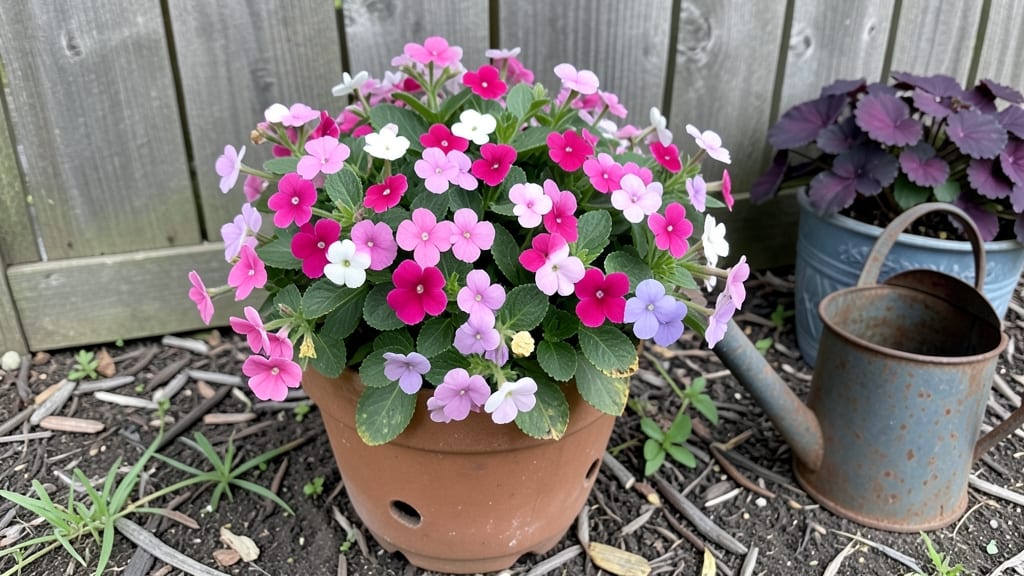
Shade flowers for pots bring life to dark corners where sunstruck plants wilt. 🌿 I’ve filled my porch with containers bursting in violet, pink, and white—all thriving under the dappled light of a mature oak.
The secret isn’t just picking the right blooms; it’s matching their care to the shade they crave.
Start with impatiens for their trailing, neon-pink blooms or begonias for waxy, velvety leaves that last all season. Fuchsias add drama with their dangling flowers, while heucheras bring bold foliage in copper or burgundy.
These plants need well-draining soil and pots with drainage holes—no soggy roots allowed. A morning splash of water keeps them happy without the risk of fungal diseases that plague overwatered shade plants.
By mixing textures and heights, you’ll create containers that pop even in the gloomiest spots. Imagine heucheras at the base, fuchsias spilling over the sides, and impatiens topping it off—year-round color that neighbors will envy. The best part? These flowers reward low-maintenance care with high-impact results.
Whether you’re working with deep shade or just a few hours of filtered light, these shade stars deliver. They’re perfect for patios, balconies, or even under trees where sun-loving plants refuse to grow. Let’s turn those dim corners into vibrant displays!
📚 In This Guide
- What you need
- Instructions
- Tips and common mistakes
- Wrapping up and next steps
What you need
- ● Containers: 1–3 pots (5–12 inches in diameter, with drainage holes). Pro tip: Terracotta or ceramic pots work best for moisture control! 💡
- ● Potting Mix: 1 bag (1–2 cubic feet) of well-draining, peat-based or coco-coir mix (avoid garden soil—it compacts!).
- ● Shade-Tolerant Flowers: 3–5 plants (e.g., Impatiens, Begonias, Fuchsias, or Heuchera). Check tags for USDA Hardiness Zones if planting outdoors year-round.
- ● Slow-Release Fertilizer: 1 packet (10–20 lbs) of balanced, organic fertilizer (10-10-10 or 20-20-20).
- ● Gloves & Trowel (for planting and soil prep).
- ● Watering Can (with a rose attachment for gentle watering).
- ○ Mulch (optional): 1–2 inches of pine bark or shredded leaves to retain moisture. ✨
- ○ Support Stakes (optional): For tall varieties like Fuchsias (bamboo or floral picks).
- ● A shady spot (dappled light to full shade, <6 hours of direct sun).
- ● Access to water (shade plants need consistent moisture!).
- ● Patience! Some flowers (like Begonias) may take 4–6 weeks to bloom fully. 🌱
How to grow thriving shade flowers in containers
Here's my go-to approach for bringing vibrant blooms to shady spots—no direct sun required.
🌱 Step 1: Select the Right Shade-Tolerant Varieties
Start with flowers proven to thrive in low-light conditions. My top picks for containers include impatiens (for continuous blooms), fuchsias (with their lush, trailing foliage), begonias (for bold foliage and flowers), and coleus (for striking leaves). These varieties handle 2-6 hours of indirect light beautifully—perfect for patios, balconies, or under tree canopies.
Check the specific light requirements on your plant tags. Some shade lovers like heucheras and hostas prefer dappled shade, while others like caladiums tolerate full shade with no problem. I always group plants with similar light needs together to ensure everyone thrives.
🪴 Step 2: Choose Containers and Soil for Optimal Drainage
Use containers with drainage holes—shade plants still need to dry out between waterings, and soggy roots lead to root rot. I prefer terra cotta pots because they breathe and help prevent moisture buildup. For 4 plants, you’ll need at least one 12-inch pot per plant (or a larger container for multiple plants, like a 18-inch planter for 3-4 smaller varieties).
Fill the pots with a well-draining potting mix—avoid garden soil, which compacts and suffocates roots. Mix in perlite or orchid bark (about 20% of the total mix) to improve aeration. Shade plants often have delicate roots, so a fluffy, airy medium keeps them happy. Water the mix lightly before planting to settle it without creating air pockets.
☀️ Step 3: Plant and Position for Indirect Light
Dig a hole in the soil twice as wide as the root ball but no deeper. Gently remove the plant from its nursery pot and loosen any circling roots with your fingers. Place it in the hole, ensuring the top of the root ball sits just below the pot’s rim—this prevents water from pooling and rotting the stems. Fill in around the roots with soil, pressing lightly to remove air gaps.
Position your containers where they’ll receive bright, indirect light—think east-facing windows, under eaves, or near north walls. Avoid deep shade where plants stretch weakly toward any available light. If you’re unsure, test the spot for a week first: if you can read a book comfortably without a lamp, it’s likely bright indirect light. Rotate pots quarter-turn weekly so plants grow evenly.
💧 Step 4: Water and Fertilize for Lush Growth
Shade plants typically need more frequent watering because they don’t dry out as quickly as sun-lovers. Water when the top inch of soil feels dry to the touch, usually every 2-3 days in warm weather or every 4-5 days in cooler months. Always water at the base of the plant to avoid wetting leaves, which can invite fungal diseases like powdery mildew.
Feed your shade flowers every 4-6 weeks with a balanced, water-soluble fertilizer (like 10-10-10) diluted to half strength. Over-fertilizing leads to leggy growth and fewer blooms. I also top-dress with compost in spring to provide slow-release nutrients. Stop fertilizing in late summer to encourage blooms rather than leafy growth.
✂️ Step 5: Prune and Maintain for Continuous Blooms
Deadhead spent blooms regularly—this encourages more flowers and keeps plants looking tidy. For impatiens and begonias, pinch back leggy stems to promote bushier growth. Fuchsias benefit from a light trim after flowering to shape them and remove any yellow or damaged leaves. I use clean, sharp scissors and always sterilize them with rubbing alcohol between cuts to prevent disease.
Watch for pests like aphids or spider mites, which thrive in shaded, humid conditions. Wipe leaves with a soapy water cloth (1 tsp mild dish soap per gallon of water) if you spot sticky residue or tiny webs. In fall, reduce watering gradually and move containers to a sheltered spot if temperatures drop below 40°F—most shade flowers are tender and won’t survive frost.
Tips & tricks for perfect shade flowers in containers
Here's what nobody tells you about keeping your shade flowers thriving all season long.
Light Testing: Before committing to a spot, test it for a week first. If you can comfortably read a book without needing a lamp, that spot likely gets the bright indirect light most shade plants crave. I learned this the hard way after watching my fuchsias stretch pitifully toward a barely lit corner. Position your containers where they'll get 2-6 hours of indirect light daily, and rotate them quarter-turn weekly to prevent lopsided growth. This simple habit makes all the difference in plant shape and bloom production.
Soil Mix Upgrade: While the instructions call for well-draining potting mix with 20% perlite or orchid bark, I've found adding 10% worm castings (optional) gives plants an extra nutrient boost without risking over-fertilization. The key is keeping that mix fluffy—shade plants hate soggy roots. After mixing, give it a light watering to settle without compacting. This pre-moistening helps roots establish faster when you plant.
Container Size Strategy: The instructions recommend one 12-inch pot per plant, but I've discovered a smarter approach for small spaces. Use one 18-inch planter for 3-4 smaller varieties—this creates a stunning layered display while saving space. Just make sure each plant has its own twice-as-wide hole when planting, and avoid crowding. The roots need room to breathe, especially in shade where growth is slower.
Watering Wisdom: Shade plants need more frequent watering because they don't dry out as quickly, but there's a trick to avoid overwatering. I use the finger test: stick your finger about 1 inch deep into the soil. If it feels dry, water thoroughly at the base. The every 2-3 days guideline works for most conditions, but adjust based on your specific shade situation—under a tree canopy may need watering every 1-2 days in summer heat. Always water in the morning to prevent fungal issues.
Pro Tips for Shade Flowers For Pots
- Here's what nobody tells you about keeping your shade flowers thriving all season long.
- Light Testing: Before committing to a spot, test it for a week first.
- The key is keeping that mix fluffy—shade plants hate soggy roots.
Frequently asked questions
Got questions about growing shade-loving flowers in pots?
You’re not alone! Here are some of the most common concerns—and their easy solutions—to help you keep your containers blooming beautifully, even in low-light spots.
What are the best shade flowers for pots that thrive year-round?
While true year-round bloomers are rare, some shade-loving stars like heuchera (coral bells), hostas, and impatiens (in warmer zones) offer seasonal interest. For winter color, opt for cyclamen or hellebores (Lenten roses), which tolerate cooler temps. Pair them with evergreen foliage like fatsia or ivy for year-long structure.
How often should I water shade flowers in pots?
Shade flowers in pots dry out faster than those in ground beds because containers lack moisture retention. Water when the top 1–2 inches of soil feel dry—usually every 2–3 days in summer (daily in extreme heat) and once a week in cooler months. Use a moisture meter or stick your finger in for a quick check. Pro tip: Add mulch (like bark chips) to slow evaporation!
Can I grow shade flowers in pots without drainage holes?
Drainage holes are non-negotiable for most shade flowers, as soggy roots lead to rot. If your pot lacks holes, drill them yourself or place the pot on a caching saucer or gravel tray to prevent waterlogging. For temporary fixes, use self-watering pots with built-in reservoirs—just empty excess water after 30 minutes to avoid over-saturation.
Why are my shade flowers wilting or turning yellow?
Yellowing leaves or wilting often signal overwatering, underwatering, or nutrient deficiencies. Check these fixes:
- Overwatering: Let soil dry slightly between waterings; ensure pots drain well.
- Underwatering: Water deeply until it runs out the drainage holes.
- Nutrients: Feed with a balanced liquid fertilizer (like 10-10-10) every 4–6 weeks in growing season.
- Pests: Inspect for slugs, aphids, or spider mites—use neem oil or diatomaceous earth if needed.
What’s the easiest shade flower for beginners in pots?
Start with impatiens (for partial shade) or coleus (for deep shade)—both are low-maintenance and forgive occasional neglect. African violets or begonias are also great choices: they bloom prolifically, tolerate humidity, and thrive in bright, indirect light. Just keep soil consistently moist (not soggy) and deadhead spent blooms!
Wrapping up and next steps
Transforming your shady spots into vibrant displays of color is easier than you think! With the right shade-loving flowers for pots, you can enjoy year-round beauty without needing direct sunlight.
From impatiens to heucheras, these plants thrive in low-light conditions and add charm to balconies, patios, or even indoor spaces.
Ready to get started? Pick your favorite flowers, grab the supplies, and let your creativity bloom! 🌸 Whether you’re a seasoned gardener or a beginner, there’s no better time to bring life to those shadowy corners. Happy planting!