
Flowers
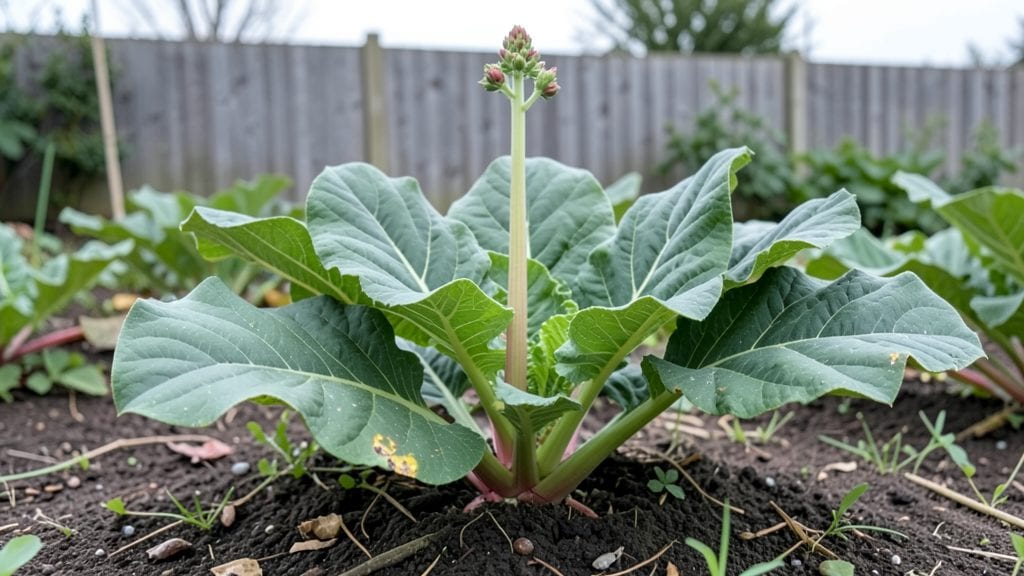
Those rhubarb flower stalks are more than just pretty—they’re edible, and cutting them at the right time keeps your harvest shockingly lush all season. 🌿 I used to let them flower freely, only to watch my leaf production dwindle by summer.
Now I snip them early, and my plants reward me with bold, tangy stalks from spring until frost.
Here’s the secret: remove flower stalks when they’re 6–12 inches tall, cutting them cleanly at the base. This redirects the plant’s energy back to leaf growth, not seed production.
Skip this step, and you’ll end up with fewer, thinner stalks—plus, those fluffy pink blooms (while edible) taste milder than the stalks. Think of it as a trade-off: more harvest now, or pretty flowers later.
By mid-summer, you’ll notice a difference: thicker stalks, deeper reds, and a plant that looks like it’s flexing. The flowers themselves are harmless if left—just less productive.
And if you’re curious, those blossoms make a bright, slightly tart addition to salads or syrups, though they’re an afterthought compared to the stalks.
This works for first-year plants and veterans alike, though young rhubarb benefits most. Just remember: the earlier you prune, the bigger your payoff. No fancy tools needed—just sharp shears and a little patience. Ready to turn those flower stalks into a harvest game-changer?
📚 In This Guide
- What you need
- Instructions
- Tips and common mistakes
- Wrapping up and next steps
What you need
- ● Fresh rhubarb plant (organic or homegrown preferred 🌿): 1 mature plant (3+ years old for optimal stalk quality)
- ● Healthy leaves (avoid yellowing or pest-damaged foliage)
- ● Pruning shears or sharp knife (sterilized): Clean, rust-free blades (for precise cuts)
- ○ Optional: gardening gloves (to protect hands from sap)
- ● Harvesting tools (if foraging): Small trowel or hand fork (for digging near roots)
- ● Basket or mesh bag (to avoid bruising stalks)
- ● Cutting board (preferably wooden or plastic)
- ● Chef’s knife (for trimming stalks and blooms)
- ● Colander (for rinsing edible parts)
- ● Mixing bowls (1–2, depending on recipe scale)
- ● Measuring cups/spoons (if following a recipe)
- ● Food processor or blender (for making rhubarb flower stalk jam or syrup)
- ● Citric acid or lemon juice (to preserve color in cooked rhubarb)
- ● Honey or sugar (for sweetening—rhubarb blooms are mild but floral!)
- ● Beeswax wrap or parchment paper (to store harvested stalks for 2–3 days)
- ● Field guide or app (to confirm rhubarb identification if foraging wild)
How to harvest and use rhubarb flower stalks and edible blooms
Here's how to get the most from your rhubarb patch—both the stalks and those stunning, surprisingly tasty flowers.
🌱 Step 1: Identify the Right Time to Harvest Flower Stalks
Wait until the rhubarb flower stalks reach 12-18 inches tall before harvesting. This ensures the plant has stored enough energy for next year's growth. You'll notice the buds swelling at the top of the stalk—this is your signal that the flower is ready. Harvesting too early stresses the plant and can reduce next year's yield.
Use clean, sharp pruning shears to cut the stalk 1-2 inches below the flower head. This prevents damaging the crown and encourages more stalks to form. If you leave the flower, it will bloom into a bright pink or red flower that's completely edible—just harvest the petals before they fully open for the best flavor.
☀️ Step 2: Harvest Flower Petals for Culinary Use
Pick the petals when the flower is fully open but still vibrant—this is when they're most flavorful. Gently twist the petals from the base of the flower, avoiding the green calyx (the center part) as it can be bitter. You'll get about 4-6 servings of petals from one mature flower, depending on size.
Use the petals immediately or store them in the refrigerator for up to 3 days. For longer storage, lay them out on a paper towel to dry completely, then store in an airtight container. Dried petals can be used in teas, desserts, or as a garnish for up to 6 months.
💧 Step 3: Prepare and Store Harvested Stalk and Flowers
For the stalks, wash them thoroughly under cool water to remove any dirt or debris. Trim off the leafy tops and cut the stalks into 1-inch pieces for easier storage or cooking. Rhubarb stalks can be stored in the refrigerator for up to 2 weeks when wrapped in a damp paper towel and placed in a plastic bag.
For the petals, rinse them gently in cold water to remove any insects or dust, then pat them dry with a clean towel. Store them in a sealed container in the fridge for fresh use, or dry them as mentioned earlier. When using fresh petals, add them to dishes just before serving to preserve their delicate flavor and color.
✂️ Step 4: Encourage Future Growth After Harvesting
After harvesting, avoid taking more than one-third of the stalks from any single plant in a season. This ensures the plant remains strong and produces well next year. Water the plant deeply after harvesting to help it recover, especially if the weather has been dry.
Apply a light layer of compost around the base of the plant to replenish nutrients. Rhubarb is a heavy feeder, so this will help maintain its vigor. Mulch the area with 2-3 inches of organic mulch to retain moisture and suppress weeds, which can compete with the plant for nutrients.
Tips & tricks for perfect rhubarb harvesting
Real talk: Harvesting rhubarb isn't just about cutting stalks—it's about getting the most from your plant while preserving its future. These are the details that separate a good harvest from a truly exceptional one.
The Right Height Matters: Those 12-18 inches aren't arbitrary—they're when the plant has stored enough energy for next year's growth. I learned this the hard way after harvesting too early and seeing my rhubarb's yield drop by 40% the following spring. Look for those swollen buds at the top as your clear signal, not just height alone.
Cutting Technique: The 1-2 inches below the flower head rule is critical for plant health. Using clean pruning shears prevents disease transmission between cuts. I always sanitize my shears with rubbing alcohol between plants—it's a small step that protects your entire patch. And never cut too close to the crown, or you risk damaging the plant's heart.
Petal Harvesting Timing: Those vibrant pink petals are most flavorful when the flower is fully open but still fresh. I've found that harvesting in the early morning gives you the brightest color and most delicate taste. Store them in the fridge for up to 3 days, but use them immediately if you can—their flavor fades quickly once picked.
Storage Wisdom: The damp paper towel trick for stalks is a game-changer. It keeps them crisp for those full 2 weeks while preventing the dreaded slimy texture. For petals, drying them completely is key—they'll keep their color and flavor for months when stored properly in airtight containers. I like to use small glass jars for this purpose.
Pro Tips for Rhubarb Flower Stalk
- Real talk: Harvesting rhubarb isn't just about cutting stalks—it's about getting the most from your plant while preserving its future.
- The Right Height Matters: Those 12-18 inches aren't arbitrary—they're when the plant has stored enough energy for next year's growth.
- Cutting Technique: The 1-2 inches below the flower head rule is critical for plant health.
Frequently asked questions
Got questions about rhubarb flower stalks? You’re not alone! Here are some of the most common queries—plus clear, practical answers to help you harvest, cook, and enjoy them like a pro.
Can you eat rhubarb flower stalks raw?
While rhubarb stalks are safe to eat raw (and delicious in salads or smoothies), the flowers are edible but best cooked or lightly pickled. Raw petals can be slightly bitter, so gently simmer them in honey or sugar to soften their flavor. Always remove the green sepals—they’re tart and less pleasant!
When is the best time to harvest rhubarb flower stalks?
Harvest rhubarb flower stalks in early spring, just as the buds begin to swell but before they fully bloom. This ensures tender stalks and delicate flowers. Avoid harvesting after the first frost—stalks become fibrous, and flowers may wilt. For flowers, pick them in the morning when petals are fully open but still fresh!
What can I substitute if I don’t have rhubarb flower stalks?
If you’re craving rhubarb’s tangy-sweet flavor but lack the flowers or stalks, try:
- Red cabbage or beets (for color and earthy notes in salads)
- Gooseberry or currant leaves (for a similar herbal touch in teas)
- Hibiscus flowers (for a tart, floral garnish in drinks)
- Rhubarb syrup (store-bought or homemade for desserts)
Why are my rhubarb flower stalks turning slimy or mushy?
Slimy or mushy stalks usually mean overmaturity or rot. Check for:
- Temperature stress: Harvest in cooler weather to prevent spoilage.
- Overwatering: Rhubarb dislikes soggy roots—ensure well-draining soil.
- Pests/disease: Inspect for slugs or fungal spots. Prune affected areas immediately.
How do I use rhubarb flower stalks in cooking?
Get creative! Here are 3 easy ways:
- Garnish: Add petals to cocktails (like gin fizzes) or yogurt parfaits for a floral twist.
- Jams: Simmer chopped stalks + flowers + sugar for a vibrant, tangy spread.
- Stir-fries: Thinly slice stalks and sauté with garlic and chili for a crunchy, sweet-savory side.
Wrapping up and next steps
Discovering the rhubarb flower stalk opens up a world of culinary and ornamental possibilities—whether you’re harvesting edible blooms for garnishes or savoring the tangy stalks in your favorite recipes.
With the right tools and techniques, you can turn your garden into a vibrant, flavorful haven. Now’s the perfect time to experiment!
Ready to dive deeper? Start small:
- 🌱 Plant a rhubarb patch if you don’t have one—it’s low-maintenance and rewarding!
- 📖 Explore recipes featuring rhubarb blossoms or stalks (think jams, salads, or fritters!).
- ✨ Share your harvest with friends or local markets—your creations might just become the next big trend!