
Flowers
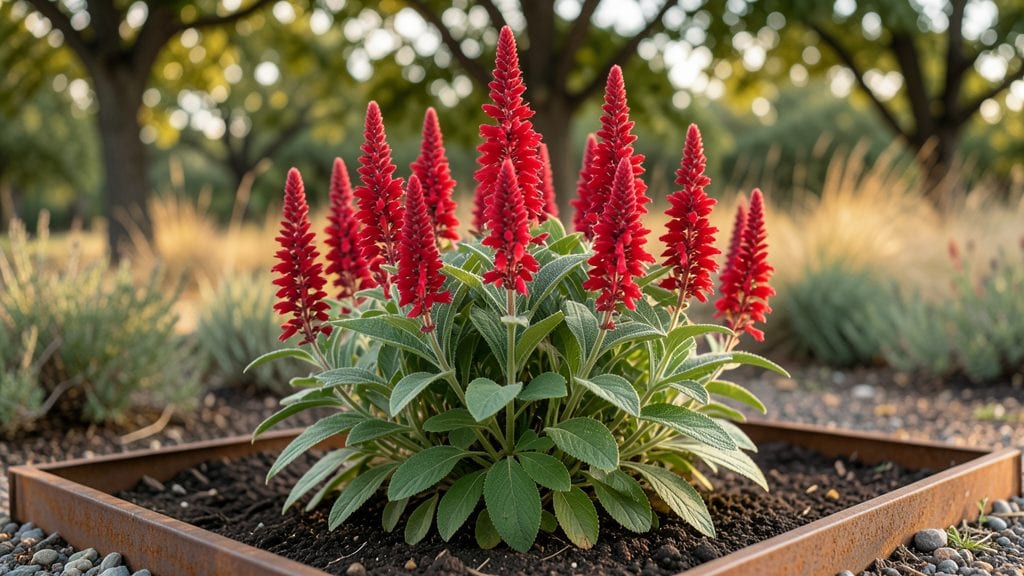
Creating a drought-resistant pollinator paradise starts with red spiky flowers—bold, striking, and irresistible to bees and butterflies. 🌿 These plants don’t just survive dry spells; they thrive, adding height, texture, and drama to any garden design while supporting local ecosystems.
Think salvia’s velvety spikes, kniphofia’s fiery torches, or delphinium’s towering blue-green stems—each brings a unique shape and seasonal punch. Pair them with silver foliage for contrast, or let them stand alone as dramatic focal points in borders or modern landscapes.
Their deep roots mean less watering, and their nectar-rich blooms keep pollinators buzzing all summer.
You’ll end up with a garden that’s low-maintenance yet high-impact, where every visit reveals new textures and colors. These plants handle heat, attract wildlife, and add structure to designs—whether you’re going for cottage charm or sleek minimalism. The key is matching their needs to your space and climate.
Perfect for sun-drenched borders, pollinator gardens, or even container arrangements. Let’s build a design that’s as resilient as it is beautiful—starting with these standout stars. The best part? They’ll reward you with years of effortless color and movement.
📚 In This Guide
- What you need
- Instructions
- Tips and common mistakes
- Wrapping up and next steps
What you need
- ● Red spiky flower plants: 5–10 Verbascum (mullein) or Agastache (hyssop) seedlings/bulbs (depending on garden size)
- ● Check local nurseries for drought-resistant varieties like Verbascum phoeniceum (scarlet mullein)
- ● Potting soil: 2–3 bags of well-draining, organic potting mix (e.g., Miracle-Gro Garden Soil or coco coir blend)
- ● Compost: 1–2 gallons of aged compost (for nutrient-rich soil)
- ○ Slow-release fertilizer: 1–2 cups of 10-10-10 or 5-5-5 granular fertilizer (optional but recommended)
- ● Garden trowel (for planting)
- ● Pruning shears (to trim dead foliage)
- ● Watering can or hose with spray nozzle (for gentle hydration)
- ● Gloves (to protect hands from prickly stems)
- ○ Mulch (optional): Straw or wood chips (1–2 inches thick) to retain moisture
- ● Sunlight: A full-sun spot (6+ hours/day)—these flowers thrive in heat!
- ● Drainage: Ensure your garden bed or pots have good drainage (avoid soggy soil).
- ● Spacing: Plant seedlings 12–18 inches apart for optimal airflow.
- ● Patience: Some varieties (like mullein) take 2–3 years to reach full bloom!
Step-by-step guide to creating a drought-tolerant red spiky flower display
Here's how to design a vibrant, low-maintenance pollinator haven using bold red spiky blooms.
🌱 Step 1: Select the Right Plants for Your Climate
Start with red salvia (Salvia coccinea) or red yarrow (Achillea millefolium 'Red Beauty')—both thrive in dry conditions and attract hummingbirds. I always check my USDA hardiness zone first; red salvia handles zones 7-11, while yarrow extends to zone 3. Choose established nursery plants over seeds for instant impact, especially in larger designs.
For a 4-plant display, select plants with mature heights between 2-3 feet. Look for sturdy stems and vibrant red flower spikes—these are your pollinator magnets. Avoid leggy or yellowing specimens; they won't establish well in dry soil. I like to mix textures by pairing salvia's velvety leaves with yarrow's fern-like foliage for visual interest.
☀️ Step 2: Prepare the Planting Site for Drought Resistance
Choose a location with full sun exposure (6+ hours daily)—red spiky flowers wilt dramatically in shade. Clear the area of weeds and loosen the soil to a depth of 8 inches with a garden fork. Amend the native soil with 3 inches of compost to improve drainage while retaining moisture.
Here's the thing—I avoid heavy mulch in drought designs. Instead, spread 2 inches of coarse gravel around each plant after planting. This mimics natural desert conditions where red salvia thrives. Water deeply immediately after planting to settle the roots, then let the soil dry completely before watering again. This teaches plants to seek moisture deep underground.
💧 Step 3: Plant and Establish for Long-Term Survival
Dig holes twice as wide as each plant's root ball but only as deep. Gently remove plants from containers and tease apart any circling roots. Place each one in its hole so the top of the root ball sits level with the surrounding soil—burying too deep suffocates stems. Fill gaps with native soil and press firmly around the base.
Water each plant with 1 gallon of water immediately after planting. This settles the soil and eliminates air pockets. For the first 30 days, water every 5-7 days—just enough to keep the top 2 inches of soil lightly moist. After that, reduce to every 10-14 days unless your area experiences extreme heat (then extend to 2 weeks). The key is deep, infrequent watering that encourages strong root systems.
✂️ Step 4: Maintain and Encourage Repeat Blooming
Deadhead spent flowers by snipping stems back to the first set of healthy leaves. I use clean, sharp pruners to make clean cuts—this prevents disease and encourages new growth. For red salvia, I prune lightly after the first flush of blooms to trigger a second round in late summer. Yarrow, however, blooms continuously and rarely needs deadheading unless you want to shape the plant.
Fertilize lightly once a year in early spring with 5-10-10 fertilizer applied at half strength. Too much nitrogen produces lush foliage but fewer flowers. I always water thoroughly before and after fertilizing to prevent root burn. Watch for powdery mildew on yarrow in humid climates—space plants 18 inches apart to improve airflow and reduce fungal risks.
🪴 Step 5: Create a Pollinator-Friendly Ecosystem
Plant companion flowers like lantana or blanket flower within 3 feet of your red spiky display. These provide nectar for pollinators while your salvia and yarrow offer pollen. I add a small water source—a shallow dish with pebbles and water—nearby. Pollinators will visit your red flowers daily once established, creating a buzzing, living tapestry.
Here's where it gets fun—watch for hummingbirds hovering just above the red spikes. They're drawn to the tubular flowers of salvia and the abundant pollen of yarrow. For maximum impact, plant in groups of 3-5 plants rather than singles. The collective scent and color create an irresistible beacon for winged visitors. Just remember: no pesticides after flowers appear, as they'll kill your pollinators too.
Tips & tricks for perfect red spiky flower displays
Creating a thriving pollinator garden with red spiky flowers takes thoughtful planning—and these insights will help you avoid common pitfalls while maximizing your garden's impact.
Plant Selection: When choosing between red salvia and red yarrow, consider your climate first. Red salvia thrives in zones 7-11 and offers dramatic vertical spikes, while yarrow (zones 3-11) provides flat-topped clusters perfect for ground cover. I've found that mixing both creates visual layers—salvia's height draws the eye upward while yarrow's texture adds dimension at the base. Look for plants with vibrant red flower spikes and sturdy stems to ensure they'll support pollinators throughout the season.
Soil Preparation Strategy: The 8-inch soil loosening in Step 2 is crucial for root establishment, but don't overlook the compost amendment. I've seen gardens fail when skimpier soil mixes were used—those 3 inches of compost create the perfect balance of moisture retention and drainage. For heavier clay soils, consider adding an extra inch of compost or sand to improve aeration. This preparation mimics natural desert conditions where these plants evolved to thrive.
Watering Technique: The initial 1-gallon watering after planting is non-negotiable, but the real magic happens in the first 30 days. I've learned that watering every 5-7 days keeps the top 2 inches of soil lightly moist without encouraging shallow root growth. Use a rain gauge or tuna can to measure water depth—this consistency prevents overwatering, which can lead to root rot. In extreme heat, extend the interval to 2 weeks to push plants toward deeper root development.
Pollinator Enhancement: While the instructions mention lantana and blanket flower, don't overlook native plants like bee balm or coneflowers as companion options. These native species provide additional nectar sources and attract a wider variety of pollinators. I've noticed that hummingbirds are particularly drawn to the combination of salvia's tubular flowers and lantana's abundant blooms. For maximum impact, plant these companions in clusters of 3-5 plants rather than singles—the collective scent creates a stronger attractant signal for pollinators.
Pro Tips for Red Spiky Flowers
- Creating a thriving pollinator garden with red spiky flowers takes thoughtful planning—and these insights will help you avoid common pitfalls while maximizing your garden's impact.
- Plant Selection: When choosing between red salvia and red yarrow, consider your climate first.
- Soil Preparation Strategy: The 8-inch soil loosening in Step 2 is crucial for root establishment, but don't overlook the compost amendment.
Frequently asked questions
Got questions about growing or caring for red spiky flowers? You’re not alone! Here are answers to the most common queries to help you create a thriving pollinator paradise—even in dry conditions.
What types of red spiky flowers are best for drought-resistant gardens?
Top picks include Salvia coccinea (scarlet sage), Kniphofia uvaria (red-hot poker), and Agave americana (century plant). These varieties thrive with minimal water and attract hummingbirds and bees. For extra resilience, opt for native species like Echinacea (coneflower) in bolder red hues.
How long does it take for red spiky flowers to bloom after planting?
Most red spiky flowers bloom within 6–12 weeks of planting, depending on the species and growing conditions. Salvia often flowers quickly (4–6 weeks), while Kniphofia may take longer (8–12 weeks). Patience pays off—consistent sunlight (6+ hours/day) and well-draining soil speed up the process!
Do red spiky flowers really need less water than other plants?
Once established, these flowers are drought-tolerant and often thrive on weekly watering (or less in extreme heat). Newly planted specimens need deep watering 2–3 times per week until roots strengthen. Mulch around the base to retain moisture and reduce evaporation.
Will red spiky flowers attract pests like aphids or deer?
While these flowers are pollinator magnets (great for bees and hummingbirds!), some—like Agave—may draw sap-sucking pests (e.g., aphids). Deer usually avoid spiky varieties, but Salvia might tempt them. Use neem oil for pests or plant near deer-resistant companions like Lantana.
Can I grow red spiky flowers in containers instead of a garden bed?
Yes! Containers work well for Salvia or Gomphrena (globe amaranth). Use fast-draining potting mix with perlite, and ensure pots have drainage holes. Place in full sun and water when the top inch of soil is dry. Just avoid overcrowding—spiky flowers need 6+ inches of space per plant.
How do I protect red spiky flowers in winter?
Most red spiky flowers are perennial in USDA Zones 7–11. In colder climates, mulch heavily (3–4 inches) around the base. Salvia may die back but regrows in spring. For tender varieties like Kniphofia, cut back dead foliage and cover with burlap if frost threatens.
Wrapping up and next steps
Transforming your garden into a vibrant, drought-resistant paradise with red spiky flowers is easier—and more rewarding—than you think! 🌺 From selecting the perfect varieties like Salvia or Kniphofia to mastering soil prep and watering tricks, every step brings you closer to a thriving, pollinator-friendly space.
These bold blooms don’t just survive dry spells—they thrive, proving beauty and sustainability go hand in hand.
Ready to take the next step? Start small—plant a single pot or a dedicated bed this weekend—and watch your garden (and local bees and butterflies!) flourish. Need inspiration?
Sketch a layout, research companion plants, or even share your progress with fellow gardeners online. Your red spiky oasis is just a seed (or cutting) away! 🌱