
Planting
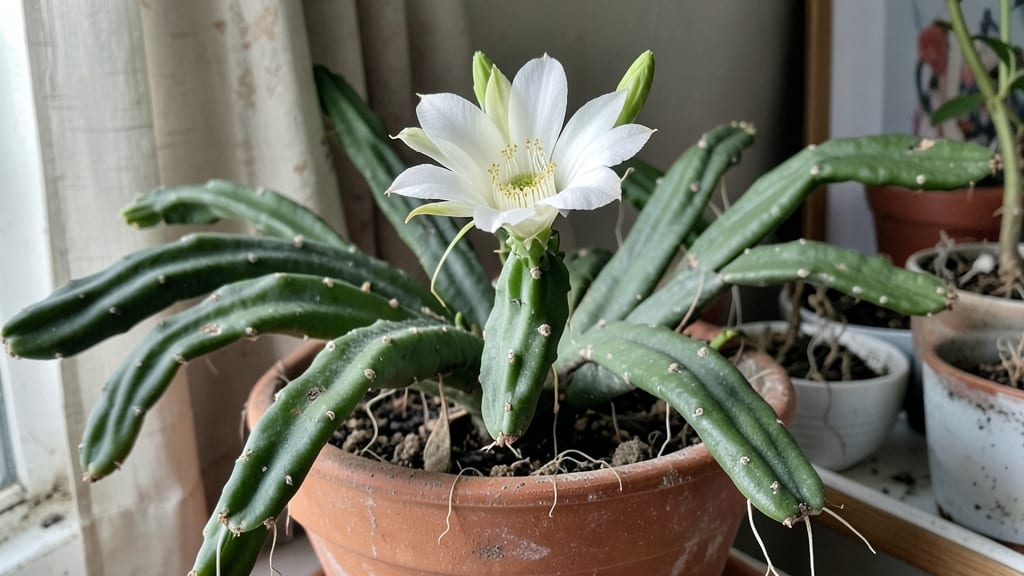
The Queen of the Night flower plant (Selenicereus grandiflorus) unfurls its moonlit blooms only after dark, turning your Pacific Northwest garden into a magical nighttime spectacle.
I still remember the first time I saw one open—like a ghostly white lantern glowing in the twilight, its intoxicating fragrance drifting through the air. This tropical cactus isn’t just a plant; it’s an experience, and growing it successfully means understanding its unique rhythm of light, water, and patience.
Here’s the thing—this isn’t your average houseplant. It thrives in well-draining soil (think cactus mix with perlite) and needs bright, indirect light during the day, even in cloudy PNW summers.
Watering is where most gardeners trip up: soak the soil deeply once every 2-3 weeks, then let it dry completely before repeating. Overwatering is the quickest way to lose it, but don’t let the soil stay bone-dry either.
Pruning is minimal—just remove dead stems in early spring—but the real magic happens in late summer, when you’ll start seeing those telltale buds forming.
When it finally blooms—usually one spectacular flower per stem, lasting just 24 hours—you’ll know you’ve done everything right. The scent is rich and sweet, like jasmine after a summer rain, and the contrast of that pale, waxy bloom against the dark garden is unforgettable.
Even if you miss the first bloom, don’t worry: with proper care, your Queen of the Night will reward you year after year, turning your evenings into a living dream.
For PNW gardeners, the key is protecting it from winter chills—bring it indoors before temperatures drop below 40°F, or grow it in a container you can move. Pests are rare, but watch for mealybugs hiding in the crevices; a quick wipe with rubbing alcohol usually does the trick.
The real challenge isn’t keeping it alive—it’s waiting for that first moonlit moment when your garden becomes the center of the night.
📚 In This Guide
- What you need
- Instructions
- Tips and common mistakes
- Wrapping up and next steps
What you need
- ● Queen of the Night Plant: 1 mature plant (6+ inches tall, with 3+ segments)
- ● OR 3–5 cuttings (4–6 inches long, with at least 1–2 nodes)
- ● Well-draining potting mix: 50% cactus/succulent soil
- ● 30% perlite or pumice
- ● 20% coarse sand (for aeration)
- ● Container or garden bed: For containers: 10–12" diameter pot with drainage holes (1 plant per pot)
- ● For in-ground planting: Full sun to partial shade spot (6+ hours sunlight)
- ● Fertilizer: Balanced liquid fertilizer (10-10-10 or 20-20-20), diluted to half-strength
- ● Gloves (to protect from spines)
- ● Pruning shears (sterilized, for cuttings)
- ● Watering can with a narrow spout (or spray bottle for misting)
- ○ pH test kit (optional, to check soil acidity—ideal: 6.0–7.0)
- ○ Mulch (optional, for in-ground plants: 2–3 inches of gravel or bark)
- ○ Support structure (optional: trellis or stakes for climbing varieties)
Step-by-Step guide for cultivating Queen of the Night in the Pacific Northwest
This fragrant night-blooming beauty thrives in our region's mild summers—here's how to coax those intoxicating blooms.
Select the Perfect Planting Location
Choose a sheltered spot with partial shade during the day, transitioning to full shade by late afternoon. The Queen of the Night (Selenicereus grandiflorus) needs protection from harsh afternoon sun that can scorch its delicate stems. In the Pacific Northwest's cooler summers, morning sun followed by afternoon shade creates ideal conditions for gradual growth without stress.
Here's the thing—this plant loves humidity but hates soggy roots. Amend native soil with 3-4 inches of compost to improve drainage while retaining moisture. The roots should never sit in waterlogged conditions, which leads to rot. Test your spot by digging a 6-inch hole—if water pools after 30 minutes, you need to raise the planting area or improve drainage with additional compost.
Plant in Late Spring When Nighttime Temperatures Stabilize
Wait until after the last frost when nighttime temperatures consistently stay above 60°F. In the Pacific Northwest, this typically means late May or early June. Plant your Queen of the Night when the soil has warmed to at least 65°F at a 6-inch depth—use a soil thermometer if you're unsure. The roots need warmth to establish before the plant begins its rapid summer growth.
Dig a hole twice as wide as the root ball but only as deep. Place the plant so the top of the root ball sits 1 inch below soil level—this prevents stem rot while allowing roots to spread freely. Gently firm the surrounding soil and water deeply until moisture reaches 8 inches down. You'll know it's right when water drains through the bottom of the hole within 15-20 minutes.
Provide Consistent Moisture and Fertilization
Water once weekly during the first month, then taper to every 10-14 days once established. The key is deep watering—soak the soil until 12 inches down each time. You'll see the plant respond with new growth within 3-4 weeks of proper watering. Let the top 2 inches of soil dry out between waterings to prevent fungal issues.
Feed with a balanced 10-10-10 fertilizer diluted to half-strength every 4-6 weeks during the growing season. I like to mix it with water and apply it directly to the soil surface, then water immediately to prevent root burn. Stop fertilizing completely after mid-August to encourage the plant to focus on blooming rather than leaf growth.
Train Vines and Prepare for Blooming Season
As vines grow, gently guide them along a trellis or fence using soft plant ties. The Queen of the Night can reach 15-20 feet in a single season, so secure support early. You'll notice new growth emerging from the base and along established stems—these are your blooming points. Prune any leggy or weak growth to encourage stronger flower stems.
By mid-July, reduce watering slightly to every 2 weeks to signal the plant that blooming season is approaching. The flowers typically appear in late summer to early fall, triggered by shorter daylight hours. When buds form, increase humidity around the plant by misting leaves in the morning—this mimics the tropical conditions that trigger opening.
Enjoy the Nighttime Display and Winter Care
The blooms open only one night per year, typically between 8-10 PM, and last just 24 hours. You'll know it's time when you notice the buds begin to swell in late August. The intoxicating fragrance carries for hundreds of feet, making it a prized addition to any garden. After blooming, the flowers will wilt by morning—don't remove them until they've completely dried on the vine to allow energy to return to the roots.
In the Pacific Northwest's mild winters, the Queen of the Night can survive outdoors if protected. After the first frost, cover the base with 4-6 inches of mulch to insulate roots. The plant will go dormant but will regrow from the base in spring. If you live in a colder microclimate, dig up the tubers and store them in dry peat moss at 50-55°F until replanting in late spring.
Tips & tricks for perfect Queen of the Night flower cultivation
Here's what nobody tells you about growing this elusive night-bloomer—details that make all the difference between frustrated waiting and a fragrant garden showstopper.
Soil Test Timing: The 30-minute water test in Step 1 is your best friend for avoiding soggy roots. I learned this the hard way after losing two plants to rot—if water pools after 30 minutes, either raise the planting mound by another 2 inches or mix in more coarse sand or perlite to break up native clay. The Queen of the Night's roots need that perfect balance of moisture retention and drainage to thrive in our Pacific Northwest climate.
Temperature Fine-Tuning: While the instructions specify waiting for nighttime temps above 60°F, I've found that waiting until soil reaches 68°F at 6-inch depth gives even better root establishment. Use a soil thermometer for accuracy—this small adjustment prevents the shock that can happen when roots try to establish in cooler soil. The difference shows in stronger vines by mid-summer.
Fertilizer Application Strategy: When mixing your 10-10-10 fertilizer, I recommend adding a handful of worm castings to the mix for extra micronutrients. The key is applying this diluted fertilizer directly to the soil surface rather than pouring it around the stems, which prevents root burn. After mid-August, completely withhold fertilizer to redirect the plant's energy toward flower buds rather than foliage growth.
Winter Protection Insight: For Pacific Northwest winters, the 4-6 inches of mulch recommendation works well, but I've found that adding a layer of straw on top of the mulch provides extra insulation against temperature fluctuations. This double-layer approach has helped my plants survive winters with occasional dips below 25°F without damage. The straw also helps prevent moisture loss during dry winter spells.
Pro Tips for Queen Of The Night Flower Plant
- Here's what nobody tells you about growing this elusive night-bloomer—details that make all the difference between frustrated waiting and a fragrant garden showstopper.
- Soil Test Timing: The 30-minute water test in Step 1 is your best friend for avoiding soggy roots.
- Temperature Fine-Tuning: While the instructions specify waiting for nighttime temps above 60°F, I've found that waiting until soil reaches 68°F at 6-inch depth gives even better root establishment.
Frequently asked questions
Got questions about the Queen of the Night flower? You’re not alone—this dramatic beauty has a few quirks! Here are the most common queries from gardeners eager to welcome its moonlit magic into their PNW spaces.
How long does the Queen of the Night flower bloom?
The Selenicereus grandiflorus blooms for just one night—hence its name! Flowers open at dusk, release a heavenly fragrance, and wither by dawn. For repeat shows, plant multiple stems or choose a variety like Selenicereus wittii, which may bloom for 2–3 nights.
Can Queen of the Night survive the Pacific Northwest’s winter?
This tropical cactus thrives in USDA Zones 10–11, so PNW gardeners must treat it as an annual or container plant. Overwinter indoors near a bright window (60–70°F) or dig up pots and store them in a cool, dark place. Frost = game over!
How do I get my Queen of the Night to flower?
Patience is key! Mature plants (3+ years old) need bright, indirect light, well-draining soil, and a winter rest period (cooler temps, less water). Pro tip: Mimic its natural cycle—reduce water in fall/winter to trigger blooming. No flowers yet? Check for overwatering or insufficient light.
What’s a good alternative for PNW gardeners who want night-blooming flowers?
If the Queen of the Night’s tropical demands feel daunting, try these hardier PNW night-bloomers:
- Evening Primrose (Oenothera) – Zones 3–9, fragrant, self-seeding
- Moonflower (Ipomoea alba) – Zones 10–11 (grow as annual)
- Four O’Clocks (Mirabilis jalapa) – Zones 7–11 (tolerates cooler nights)
Why are my Queen of the Night leaves turning yellow or mushy?
Yellowing or mushy stems usually signal overwatering—this cactus hates soggy roots! Let soil dry completely between waterings (stick your finger in: if damp, wait). Ensure pots have drainage holes, and use a cactus/succulent mix. Bonus: Rot can spread fast, so prune affected areas with sterile scissors.
Wrapping up and next steps
The Queen of the Night flower isn’t just a stunning addition to your Pacific Northwest garden—it’s a symbol of resilience and natural beauty that thrives under the right care.
With its fragrant, moonlit blooms and low-maintenance needs, this tropical gem can transform any outdoor space into a magical retreat. Now’s your chance to embrace the night!
Ready to grow your own? Start by choosing a spot with partial shade and well-draining soil, then plant your bulb in early spring. Before you know it, you’ll be rewarded with an unforgettable floral spectacle. 🌙✨