
Flowers
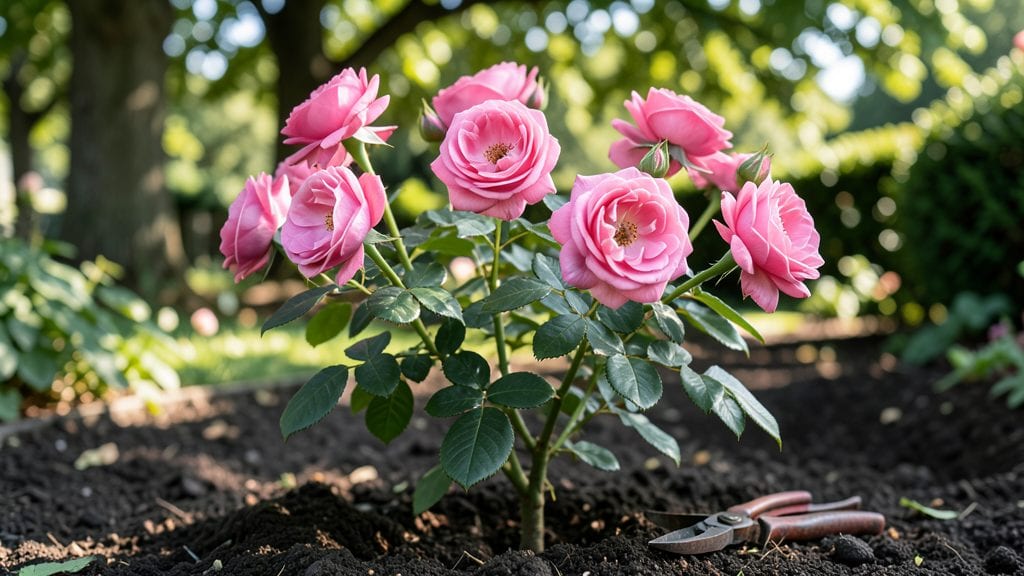
Pink flower meanings aren’t just hidden—they bloom vibrantly in your garden, where each shade of rose or hydrangea shares secrets of gratitude, admiration, or a playful wink. 🌸 My first pink-themed garden became a conversation starter when I paired blush peonies with lavender—suddenly, every visitor had a question about the "soft romance" vibe.
Here’s the magic: blush pinks feel gentle and timeless, while fuchsia tones add drama. A pink cottage garden might celebrate innocence, while a modern pink-and-gray scheme leans into sophistication.
The key is mixing textures—velvety petunias next to spiky salvia—and letting the flowers’ meanings guide your layout. Think of your garden as a canvas where color does the talking.
You’ll end up with spaces that feel intentional, not random. A pink wedding garden could honor love and appreciation, while a pink-and-green healing garden might focus on compassion. The flowers don’t just look good—they mean something, turning every stroll into a quiet conversation with nature.
Works for any style, from whimsical to minimalist. Let’s translate those symbolic secrets into your garden’s next chapter!
📚 In This Guide
- What you need
- Instructions
- Tips and common mistakes
- Wrapping up and next steps
What you need
- ● Pink flowers (fresh or dried): 1-3 varieties (e.g., roses, peonies, carnations, or tulips) for comparison
- ○ Optional: Rare picks like Dianthus or Sweet Pea for unique meanings
- ● Reference materials: 1 flower meaning guidebook (or a printed list of pink flower symbolism)
- ● 1 notebook + pen for recording observations
- ● Tools for hands-on projects: Scissors (sharp, for cutting stems)
- ● Clear vase or jar (small to medium size)
- ○ Water + floral preservative (optional but recommended)
- ● Art supplies: Watercolors, sketchbook, or digital tablet for illustrating flowers
- ● Herbarium paper (for pressing/drying flowers)
- ● Essential oils (e.g., rose or lavender) to enhance sensory storytelling
- ● Social media tools (e.g., Canva) to design shareable flower meaning graphics
How to use pink flowers to craft meaningful garden narratives
Turn your garden into a visual storybook with pink blooms—each shade whispers its own secret.
🌿 Step 1: Decode Shades of Pink for Intentional Planting
Not all pinks are created equal. Soft blush pinks (like those of peonies) symbolize gratitude and sweetness—perfect for a romantic border or a gift for a dear friend. Bright fuchsia pinks (such as dahlias) carry bold messages of joy and celebration, ideal for a vibrant, eye-catching display. Deep magenta pinks (like those of roses) evoke admiration and gallantry, making them a statement piece for formal gardens.
I always group flowers by their intended message. For example, a blush pink rose near the front door signals welcome and affection, while a hot pink zinnia in the center of a bed shouts "party time!"—great for summer gatherings. Pay attention to the undertones: cool pinks (lavender-leaning) suggest calm and femininity, while warm pinks (peachy or coral) radiate energy and passion.
🌱 Step 2: Pair Pinks with Complementary Symbolic Flowers
Pink flowers shine brightest when paired with colors that reinforce their meanings. White flowers (like gardenias or lilies) amplify purity and innocence, creating a serene contrast with blush pinks. Deep purples (such as irises or clematis) add depth and sophistication, making magenta pinks feel regal. Yellow blooms (like black-eyed Susans) introduce warmth and friendship, balancing cooler pink tones.
Here’s the thing—contrasting textures matter too. Pair delicate pink roses with spiky salvia or snapdragons to create visual intrigue. Or soften bold pink dahlias with fuzzy lamb’s ear or silvery foliage like dusty miller. The key is harmony: if your pinks are romantic, lean into soft, rounded leaves. If they’re celebratory, mix in bold, architectural shapes.
☀️ Step 3: Place Pink Flowers for Seasonal Storytelling
Spring’s pastel pinks (like tulips or sweet peas) announce renewal and hope—plant them near pathways to greet visitors with optimism. Summer’s vibrant pinks (such as geraniums or cosmos) thrive in sunny spots and scream "festive energy," perfect for a patio or dining area. Autumn’s deeper pinks (like chrysanthemums) signal gratitude and remembrance, ideal for a memorial garden or late-season bouquets.
I like to use seasonal transitions to tell a story. For example, a pink peony in spring gives way to pink hydrangeas in summer, then pink mums in fall. This creates a natural narrative arc in your garden. Don’t forget vertical space: pink clematis or climbing roses add drama and height, turning walls or trellises into living canvases.
✂️ Step 4: Prune and Preserve Pink Blooms for Lasting Symbolism
Deadhead spent pink flowers promptly to encourage longer blooming seasons and maintain their symbolic freshness. Soft pink roses, for instance, will rebloom more prolifically if you remove faded blooms before they seed. For annuals like zinnias or cosmos, regular pruning keeps them bushy and vibrant, reinforcing their messages of joy and abundance.
Preserve a few blooms in glycerin or dried arrangements to carry their meanings indoors. A pink carnation in a vase reminds guests of admiration, while a dried pink peony on a shelf becomes a lasting symbol of gratitude. Just avoid over-pruning—leave enough foliage to support the plant’s energy and future blooms.
💧 Step 5: Water and Nurture for Symbolic Abundance
Pink flowers often thrive in well-draining soil with consistent moisture, but their care reflects their meanings too. Delicate pinks (like roses or carnations) need gentle, frequent watering—think of it as nurturing their sweetness. Bold pinks (such as dahlias or zinnias) tolerate slightly drier conditions, mirroring their resilient, joyful energy.
Mulch around the base with 2-3 inches of organic matter (like shredded bark) to retain moisture and protect roots. This small act ensures your pinks stay vibrant, their messages clear. And here’s a pro tip: water in the morning so blooms stay crisp and full of symbolism all day. Overwatering can dull their colors, turning a bold pink into a sad, washed-out shade.
Tips & tricks for perfect pink flower symbolism
Transforming your garden into a living narrative starts with understanding these subtle yet powerful details.
Symbolic Color Layering: In Step 1, when you're arranging blush pink peonies alongside deep magenta roses, consider adding a third shade like fuchsia dahlias to create visual depth. This three-tiered approach—light, medium, and bold—enhances the emotional impact. For example, place cool-toned pinks near seating areas to promote relaxation, while warm-toned pinks near entryways create welcoming energy. The contrast between these shades amplifies their individual meanings, making your garden's story more compelling.
Seasonal Transition Strategy: Step 3's seasonal approach can be elevated by creating "story bridges" between seasons. For instance, plant pink sweet peas in spring that can be harvested and dried to create autumn wreaths. This intentional lifecycle connection reinforces the narrative arc you're building. I've found that gardeners who incorporate this technique notice their garden feels more cohesive throughout the year, with each season naturally leading to the next.
Textural Harmony Technique: When pairing flowers in Step 2, pay special attention to leaf textures. The contrast between delicate pink rose petals and spiky salvia foliage creates visual tension that draws the eye. For a softer look, combine pink hydrangeas with fuzzy lamb's ear to create a cloud-like effect. This textural layering is what makes symbolic gardens feel intentional rather than random—it's the difference between a pretty garden and one that tells a story.
Preservation with Purpose: In Step 4, when preserving blooms, consider creating a "symbolic archive" where each preserved flower represents a specific message. For example, dry pink carnations (admiration) in small cloth bags to include in gift bundles, or press pink peony petals (gratitude) into greeting cards. This transforms your garden's symbolism into tangible keepsakes that continue telling your story long after the blooms have faded.
Pro Tips for Pink Flower Meanings
- Transforming your garden into a living narrative starts with understanding these subtle yet powerful details.
- Symbolic Color Layering: In Step 1, when you're arranging blush pink peonies alongside deep magenta roses, consider adding a third shade like fuchsia dahlias to create visual depth.
- Seasonal Transition Strategy: Step 3's seasonal approach can be elevated by creating "story bridges" between seasons.
Frequently asked questions
Got questions about pink flowers and their hidden meanings?
You’re not alone! Here are some of the most common queries—and their answers—to help you decode the symbolism behind these charming blooms.
What does it mean when someone gives you pink flowers?
Pink flowers often symbolize gratitude, admiration, and sweetness. A single pink rose might mean "grace and beauty," while a bouquet could convey appreciation or even a subtle romantic interest. Darker pinks (like fuchsia) lean toward grace and elegance, while lighter shades suggest happiness and joy. Always consider the context—timing and the giver’s intent matter too!
When is the best time to gift pink flowers?
Pink flowers are versatile! Use them for:
- Birthdays or anniversaries: Light pinks celebrate joy and new beginnings.
- Mother’s Day or appreciation gestures: Carnations or peonies in pink show gratitude.
- Romantic gestures (non-Valentine’s Day): Avoid deep reds—stick to blush or coral for warmth without intensity.
- Sympathy or healing: Soft pinks (like lilacs) can convey comfort and hope.
Are there pink flowers that don’t symbolize love or romance?
While pink is often linked to romance, many varieties carry neutral or uplifting meanings. For example:
- Pink tulips: Perfect for friends—symbolize perfect confidence and carefree love.
- Pink daisies: Represent innocence and loyal love (great for platonic bonds).
- Pink hydrangeas: Signify gratitude and heartfelt emotions without romance.
- Pink ranunculus: Mean charm and magic—ideal for creative or artistic gifts.
Why do pink flowers sometimes wilt faster than other colors?
Pink flowers (especially light pinks like peonies or roses) often wilt faster due to:
- Thin petals: Delicate blooms bruise or dry out quicker.
- High water needs: Pink hydrangeas, for example, thrive with daily water changes.
- Ethylene sensitivity: Some pink varieties (like carnations) release gases that speed up wilting.
- Sun exposure: Bright pinks (e.g., geraniums) may scorch in direct sunlight.
Can I mix pink flowers with other colors in a bouquet?
Yes! Pink flowers pair beautifully with complementary colors to create stunning arrangements:
- Pink + White: Purity and elegance (ideal for weddings or sympathy).
- Pink + Green: Freshness and growth (perfect for spring bouquets).
- Pink + Deep Purple: Dramatic contrast (great for bold statements).
- Pink + Yellow: Joy and energy (think sunflowers + pink peonies).
Wrapping up and next steps
Pink flowers aren’t just pretty—they’re powerful storytellers, whispering love, gratitude, and new beginnings with every petal. Whether you’re gifting a bouquet, designing a garden, or simply admiring nature’s palette, these hues carry deep meaning. Now’s your chance to turn that knowledge into action!
🌸 Next steps:
- Pick your favorite pink bloom and craft a message—whether for a loved one or your own joy.
- Experiment with color combinations in your garden to weave symbolic narratives into your space.
- Share your floral stories with others—knowledge blooms when it’s passed along!