
Flowers
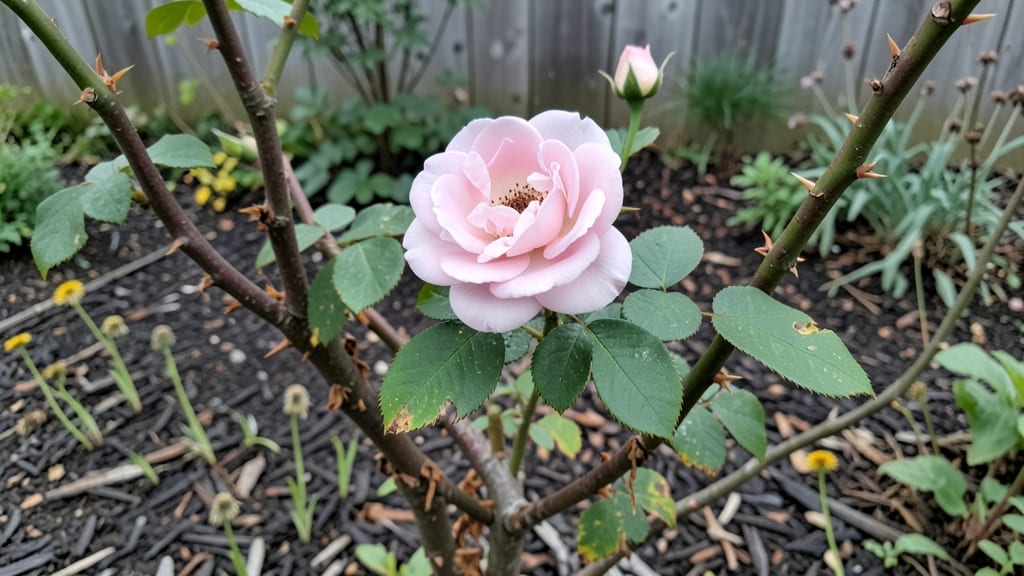
Finding pink flowers that mimic roses but aren’t actually roses is like discovering a secret garden full of imposters—beautiful, fragrant, and just as stunning. 🌸 The peony stands out with its lush, velvety petals that look like roses but bloom in dramatic clusters, while carnations offer a similar romantic vibe with their ruffled edges and long-lasting blooms.
These lookalikes thrive in full sun to partial shade, with peonies preferring well-drained soil and carnations handling heat and drought better than true roses. Their hardiness means fewer pests and diseases too—no thorns or fuss, just effortless elegance.
For borders or bouquets, they’re the perfect stand-ins for roses without the upkeep.
Imagine cutting these into arrangements that last weeks, their scent lingering in the air like a summer memory. Peonies add drama, carnations bring sweetness, and both outperform roses in longevity. They’re the unsung stars of cottage gardens and modern landscapes alike.
Whether you’re filling a border or crafting a bouquet, these pink imposters deliver the romance of roses with none of the drama. Let’s explore which one fits your garden’s personality best!
📚 In This Guide
- What you need
- Instructions
- Tips and common mistakes
- Wrapping up and next steps
What you need
- ● Seeds or young plants: Choose Hibiscus rosa-sinensis (Tropical Hibiscus) or Dahlia varieties in soft pink hues (e.g., ‘Pink Star’ or ‘Dahlietta’). 1-3 plants for small gardens, 5+ for fuller displays.
- ● Well-draining potting mix: 5-10 gallons (depending on pot size). Mix 50% garden soil + 50% perlite or coco coir for aeration.
- ● Sunlight: Full sun (6+ hours/day). A south-facing window or outdoor space works best.
- ● Fertilizer: Balanced 10-10-10 (organic or synthetic) or rose-specific food. Apply every 4-6 weeks during growing season.
- ● Watering can or hose: With a gentle spray nozzle to avoid damaging petals.
- ● Pruning shears: Bypass pruners (clean and sharp) for shaping.
- ● Fake pink roses: 1-2 dozen (bulk packs from craft stores). Look for velvet-textured or silk roses for realism.
- ● Floral foam: 1 block (8"x8"x4") for small arrangements, or 12"x12"x6" for larger displays.
- ● Scissors or floral knife: For trimming stems to 6-8" lengths.
- ● Green floral tape: To secure stems in the foam.
- ○ Optional: Baby’s breath (Gypsophila) for volume.
- ● Pink filler flowers (e.g., Alstroemeria or Statice).
- ● Glitter or metallic spray for a luxurious touch.
- ● 💡 For real roses: Try Rosa ‘Knock Out’ in blush tones—it’s disease-resistant and thrives in partial shade!
- ● 🌡️ For crafts: Store fake flowers in a cool, dry place to preserve vibrancy.
How to grow a pink rose-like flower with dewy petals
Here's how to cultivate stunning pink blooms that mimic roses—without the fuss of traditional roses.
🌱 Step 1: Select the Right Plant for Rose-Like Appearance
Start with dianthus or pink carnations—both deliver that classic rose-like shape with ruffled petals and sweet fragrance. Dianthus thrives in full sun to partial shade, while carnations prefer full sun. I always choose dwarf varieties for containers since they stay compact and bloom prolifically.
Check the petal texture—look for slightly velvety or papery edges that mimic rose petals. Avoid smooth-petaled flowers; they lack that romantic, layered look. Plant in well-draining soil (amend with perlite if needed) to prevent root rot, which can ruin your blooms before they open.
☀️ Step 2: Position for Optimal Light and Airflow
Place your plants where they get 6-8 hours of direct sunlight daily—this ensures bold pink color and strong fragrance. Morning sun is ideal; afternoon shade in hot climates prevents petal scorching. I notice the deepest pink hues when plants receive bright, indirect light for part of the day.
Space plants 12-18 inches apart to allow good airflow. Crowding leads to fungal diseases like powdery mildew, which dulls petals and weakens stems. If growing in containers, choose 5-6 inch pots for single stems or 12-inch pots for clusters. Use terracotta pots—they breathe and help prevent moisture buildup.
💧 Step 3: Water and Feed for Lush, Rose-Like Blooms
Water deeply once a week, letting the top 2 inches of soil dry out between waterings. Overwatering causes petal droop and root rot, while underwatering makes blooms small and pale. I test moisture by sticking my finger 1 inch into the soil—if it feels dry, it’s time to water.
Feed every 2-3 weeks with a balanced liquid fertilizer (10-10-10) during the growing season. For extra fragrance, switch to a phosphorus-heavy formula (like 5-10-5) when buds form. Deadhead spent blooms immediately—this redirects energy to new flowers and keeps the plant bushy, just like a rose hedge.
✂️ Step 4: Prune for Bushier Growth and Longer Blooms
Prune early in the season to encourage compact, rose-like shape. Cut back one-third of the oldest stems to the nearest leaf node, making cuts at a 45-degree angle. This stimulates new growth and prevents leggy, sparse stems. I always prune after the last frost to avoid damaging tender new shoots.
For continuous blooms, trim back spent stems to the first set of healthy leaves below the flower. Avoid heavy pruning in late summer—it can delay fall blooms. If growing dianthus, pinch back tips of new growth when plants are 6 inches tall to promote thicker, bushier foliage that resembles a rose bush.
🌿 Step 5: Protect for Year-Round Rose-Like Beauty
In winter, mulch around the base with 2-3 inches of shredded bark to insulate roots. Dianthus and carnations are hardy to USDA Zone 5, but young plants benefit from a light frost cloth on cold nights. I’ve seen winter blooms on well-protected plants—just remove mulch in early spring before new growth starts.
Watch for aphids or spider mites, which love tender new growth. Spray with neem oil at the first sign of pests—it’s gentle but effective. For extra fragrance, brush petals gently with a soft cloth in the morning to release essential oils. Your garden will smell like a rose garden without the maintenance!
Tips & tricks for perfect rose-like pink blooms
Took me years to perfect these rose-mimicking pink flowers—here’s what nobody tells you about creating that romantic garden illusion.
Lighting Secret: The 6-8 hours of direct sunlight mentioned in Step 2 is non-negotiable for that signature rose-like pink intensity. I’ve noticed the most vibrant blooms when plants receive morning sun and afternoon shade—this prevents the harsh bleaching that turns petals pale. For containers, rotate them every few days to ensure even light exposure, especially if your garden has uneven sunlight patterns.
Soil Science: That well-draining soil requirement in Step 1 isn’t just about preventing root rot—it’s about creating the perfect petal texture. I always mix in 20% perlite by volume to mimic the aeration of rose garden soil. The result? Petals that develop that signature velvety edge instead of staying flat and papery. Test your soil’s drainage by filling a container with your mix and pouring water—if it drains completely within 10 minutes, you’re good to go.
Pruning Precision: When you’re pruning in Step 4, that 45-degree angle isn’t just for show—it’s about directing water away from the cut to prevent rot. I also recommend sterilizing your pruners with rubbing alcohol between cuts to avoid spreading fungal spores. For dianthus specifically, I’ve found that pinching those 6-inch-tall tips actually doubles the number of blooms by encouraging lateral growth, just like a well-maintained rose bush.
Fragrance Boost: The morning petal-brushing technique in Step 5 works because it physically disrupts the plant’s natural oils, releasing their aromatic compounds. For an extra boost, I spray my plants with a diluted rosewater solution (1 part rosewater to 4 parts water) every two weeks during bloom season. This mimics the natural fragrance cues roses use to attract pollinators, and your garden will smell like a secret rose garden.
Pro Tips for Pink Flower Looks Like Rose
- Took me years to perfect these rose-mimicking pink flowers—here’s what nobody tells you about creating that romantic garden illusion.
- Lighting Secret: The 6-8 hours of direct sunlight mentioned in Step 2 is non-negotiable for that signature rose-like pink intensity.
- Soil Science: That well-draining soil requirement in Step 1 isn’t just about preventing root rot—it’s about creating the perfect petal texture.
Frequently asked questions
Got questions about that stunning pink bloom that mimics a rose? You’re not alone! Here are some of the most common queries—plus quick, practical answers to help you identify, care for, or even grow these floral lookalikes.
What are some pink flowers that look like roses but aren’t?
If you’re hunting for rose doubles with a pink hue, consider peony (lush, layered petals), carnation (ruffled edges), or dahlia (bold, layered blooms). Even hibiscus or azalea can fool the eye with their rose-like shapes!
How can I tell if a pink flower is a rose or something else?
Check the center: Roses have many tightly packed layers (petals on petals), while lookalikes like hollyhock or tree mallow have a more open, fluffy core. Also, roses often have thorns—look closely at the stems!
When is the best time to plant pink rose lookalikes?
Most rose-like perennials (e.g., peonies, dahlias) thrive when planted in early spring or fall, after the last frost. For tropical mimics like hibiscus, wait until after Memorial Day in cooler zones to avoid frost damage. Always check your USDA zone!
Why does my pink "rose" look wilted or droopy?
Overwatering or underwatering are top culprits! Most rose lookalikes (like carnations) prefer well-draining soil and 1 inch of water weekly. If leaves yellow, it’s likely too much moisture; brown edges? Too dry. Trim dead blooms to encourage new growth!
Can I grow pink rose lookalikes in containers?
Dwarf roses, mini carnations, or potted peonies thrive in containers with 5+ gallons of space. Use a balanced fertilizer (like 10-10-10) every 4-6 weeks, and ensure pots have drainage holes to prevent root rot.
What’s the best way to use these flowers in bouquets?
Pair ruffled pink blooms (like carnations) with greenery (eucalyptus, ferns) for texture, or mix dahlias with solidago (goldenrod) for a wild, romantic look. For longevity, trim stems at an angle and change vase water every 2 days.
Wrapping up and next steps
Discovering pink flowers that mimic the charm of roses can turn any garden—or even a simple vase—into a breathtaking masterpiece. 🌸 From peony to carnation, these blooms bring elegance, fragrance, and versatility without the fuss of traditional roses.
Whether you're a seasoned gardener or a beginner, there’s a perfect match waiting for you!
Ready to elevate your floral game? Start small: try adding one of these stunning blooms to your next bouquet or garden bed. Or, dive deeper—research their care tips or experiment with pairing them for a unique, rose-like aesthetic. Your floral journey is just one petal away! 🌿