Tools
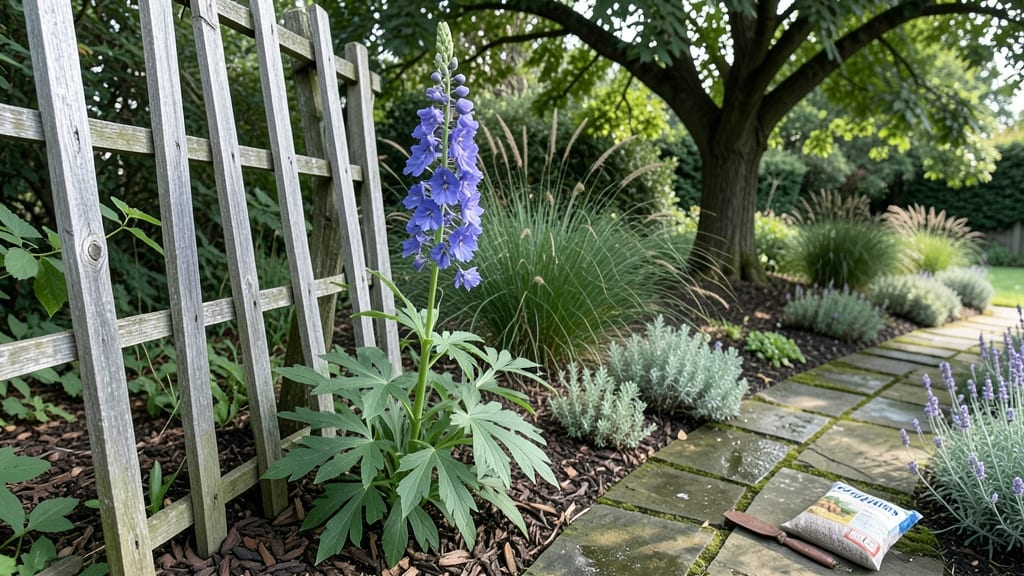
Pasadena’s flower gardens thrive when they embrace the city’s Mediterranean climate—where drought-tolerant blooms and year-round color create a lush, low-maintenance paradise. 🌸 I’ve designed gardens here that burst with color from winter’s first violets to autumn’s fiery salvias, all while sipping just 10-15 gallons of water per week once established.
The secret lies in choosing plants that love Pasadena’s dry spells and bright sun.
Native plants like Cleveland sage, California poppies, and deer grass form the backbone of these gardens, but the real magic happens with layered textures and colors. Think jewel-toned succulents spilling over walls, lavender hedges framing pathways, and ornamental grasses swaying in the breeze—each element chosen to thrive without fuss.
Even in summer’s heat, these plants stay vibrant, proving beauty doesn’t require constant watering.
You’ll create a garden that feels like a living painting, with blooms in every season and a design that reflects Pasadena’s charm. The result? A space that’s always inviting, always in bloom, and always sustainable.
Let’s bring that vision to life with plants that love your climate as much as you do.
Whether you’re starting from scratch or refreshing an existing bed, these principles adapt to any size space—from urban courtyards to sprawling backyards. The key is working with nature, not against it. Ready to transform your outdoor oasis?
📚 In This Guide
- What you need
- Instructions
- Tips and common mistakes
- Wrapping up and next steps
What you need
- ● Drought-tolerant perennials (5-10 plants): California poppies (Eschscholzia californica) – 3-5 plants
- ● Lavender (Lavandula) – 2-3 plants
- ● Yarrow (Achillea millefolium) – 2-3 plants
- ● Sage (Salvia officinalis) – 1-2 plants
- ● Annuals for seasonal color (3-5 plants): California Fuchsia (Epilobium canum) – 2-3 plants
- ● Blanket flower (Gaillardia) – 2 plants
- ○ Native grasses (optional but stunning): Purple needlegrass (Nassella pulchra) – 1 bunch
- ● Deer grass (Muhlenbergia rigens) – 1 bunch
- ● Mulch (2-3 bags): Wood chips or gravel (3-4 inches deep)
- ○ Compost (1 bag): For soil enrichment (optional but recommended)
- ● Gardening gloves (1 pair) – For protection and grip
- ● Hand trowel or transplant spade – For digging and planting
- ● Pruners (1 pair) – For trimming and shaping
- ● Watering can or hose with a gentle spray nozzle – For hydration
- ○ Measuring tape (optional) – For spacing and layout
- ○ Wheelbarrow or bucket (optional) – For hauling materials
- ● ✅ Sunlight: Ensure your garden gets full sun (6+ hours/day)—most drought-tolerant plants thrive here!
- ● ✅ Soil: Amend clay-heavy soil with compost to improve drainage.
- ● ✅ Water source: A nearby spigot or drip irrigation system for efficiency.
- ● 💡 Pro Tip: Group plants with similar water needs together for easier maintenance.
- ● 💡 Pro Tip: Start small—test a 4’x4’ plot before expanding!
How to design a Pasadena-friendly flower garden that thrives year-round
Pasadena's Mediterranean climate demands a different approach—here's how to create a vibrant, water-wise garden that blooms through every season.
🌱 Step 1: Choose Native and Drought-Tolerant Plant Selections
Start with California native perennials like California Fuchsia (Epilobium canum), Cleveland Sage (Salvia clevelandii), and Deer Grass (Muhlenbergia rigens). These plants have evolved to thrive in Pasadena's dry summers and mild winters without supplemental watering once established. I always prioritize species that attract local pollinators—bees, hummingbirds, and butterflies will keep your garden lively.
For year-round color, mix in drought-tolerant annuals like California Poppies (Eschscholzia californica) for spring, Lantana (Lantana camara) for summer, and Pansies (Viola × wittrockiana) for winter. These selections create a seamless transition between seasons while minimizing irrigation needs. Avoid non-native species that require constant moisture—they'll wilt faster than you can water them.
☀️ Step 2: Design for Microclimates and Sun Exposure
Pasadena's varied topography creates distinct microclimates, so map your garden's sun and shade patterns before planting. South-facing slopes get intense afternoon sun, while north-facing areas remain cooler and shadier. I divide my garden into three zones: full sun (6+ hours), partial shade (3-6 hours), and deep shade (less than 3 hours).
Place water-thirsty plants like Salvia nemorosa and Kniphofia in the shadier spots where they won't dry out as quickly. Reserve the sunniest areas for succulents and lavender, which crave heat and dry conditions. Group plants with similar water needs together—this makes irrigation much more efficient and prevents overwatering drought-tolerant species.
💧 Step 3: Install a Smart Irrigation System
Drip irrigation is the gold standard for Pasadena gardens—it delivers water directly to roots, reduces evaporation, and prevents fungal diseases from overhead sprinklers. I install 1/4-inch poly tubing with emitters spaced 12-18 inches apart, adjusted based on plant spacing. Set your system to run early morning (4-7 AM) to minimize evaporation and fungal risks.
For new plantings, water deeply 2-3 times per week for the first month to encourage deep root growth. After establishment, most drought-tolerant plants only need weekly deep watering during summer. Install a rain sensor to automatically shut off the system during Pasadena's occasional winter rains—this prevents waterlogging and soil erosion.
✂️ Step 4: Prune and Maintain for Longevity
Deadhead spent blooms weekly to encourage continuous flowering and prevent self-seeding weeds. For perennials like California Fuchsia and Manzanita, I prune back one-third of the plant in early spring to promote bushier growth. Avoid heavy pruning in late summer—this can stimulate tender new growth that won't survive Pasadena's heat.
Mulch heavily with 3-4 inches of wood chips to retain moisture, regulate soil temperature, and suppress weeds. Replenish mulch annually—it breaks down faster in our dry climate. Fertilize lightly in early spring with a balanced organic fertilizer (10-10-10) to support new growth without encouraging excessive thirst.
🪴 Step 5: Seasonal Adjustments for Year-Round Beauty
Spring is the time to divide overcrowded perennials and add spring bulbs like Tritonia and Iris for early color. Summer requires extra vigilance—check soil moisture weekly and adjust watering as temperatures rise above 90°F. In fall, plant winter annuals like Sweet Alyssum and Calendula for late-season blooms.
Winter maintenance is minimal—just remove dead foliage and protect tender perennials from occasional frost with frost cloth if needed. Pasadena's mild winters mean most plants stay active year-round, but a light early spring cleanup keeps the garden looking its best when blooms return in force.
Tips & tricks for a thriving Pasadena flower garden
Creating a drought-tolerant garden that flourishes year-round takes more than just planting the right flowers—it's about understanding Pasadena's unique climate and working with it. Here are the key strategies that'll make all the difference in your garden's success.
Pollinator-Focused Plant Pairings: When selecting your California Fuchsia, Cleveland Sage, and Deer Grass, pair them with complementary pollinator magnets. I've found that planting Epilobium canum alongside Salvia clevelandii creates a dual attraction for hummingbirds and bees—both visit at different times of day. The sage's aromatic leaves provide nectar, while the fuchsia's tubular flowers catch hummingbird attention. This creates a dynamic ecosystem where pollinators linger longer, increasing your garden's productivity.
Microclimate Mapping Strategy: Before planting, spend a full day observing your garden's sun patterns. I use a simple whiteboard to sketch three zones: mark where shadows fall at 9 AM, noon, and 3 PM. This reveals how sun moves across your space throughout the day. For instance, what appears as "partial shade" at planting time might become "full sun" by summer—adjust your plant placements accordingly. This foresight prevents transplant shock when seasons change.
Irrigation Efficiency Upgrade: The drip system installation in Step 3 is non-negotiable, but here's the pro move: use adjustable emitters that can deliver 0.5 to 4 gallons per hour depending on plant needs. For new Eschscholzia californica (California Poppies), set emitters to 0.5 GPH for gentle hydration, while mature Lantana can handle 2 GPH during peak summer. This precision prevents water waste while ensuring each plant gets exactly what it needs.
Seasonal Pruning Calendar: Create a simple visual calendar marking your pruning dates. In Step 4, the early spring pruning is critical, but I also schedule light maintenance in late fall to remove any frost-damaged growth. For Manzanita, I prune just enough to maintain shape—never more than one-third of the plant—and always use sterilized shears to prevent bacterial infections. This two-season approach keeps your plants healthy while maximizing bloom potential.
Pro Tips for Pasadena Flower Garden
- Creating a drought-tolerant garden that flourishes year-round takes more than just planting the right flowers—it's about understanding Pasadena's unique climate and working with it.
- Pollinator-Focused Plant Pairings: When selecting your California Fuchsia, Cleveland Sage, and Deer Grass, pair them with complementary pollinator magnets.
- Microclimate Mapping Strategy: Before planting, spend a full day observing your garden's sun patterns.
Frequently asked questions
Got questions about creating a stunning Pasadena flower garden that thrives year-round? You’re in the right place! Here are answers to the most common queries—from planning to maintenance—so you can dive in with confidence.
What are the best drought-tolerant flowers for Pasadena’s climate?
Pasadena’s Mediterranean climate thrives with lavender, California poppies, succulents (like sedum), and native ceanothus. These beauties sip water efficiently while adding vibrant color. Pro tip: Group plants with similar water needs to simplify care!
When is the ideal time to plant a flower garden in Pasadena?
Fall (September–November) is perfect—cooler temps and winter rains help roots establish. Spring (February–March) also works for heat-loving plants. Avoid summer planting; the heat stresses young flowers. Check soil moisture before planting to ensure it’s not too dry!
How often should I water a drought-tolerant flower garden?
Water deeply but infrequently: once a week (or less in winter) for established plants. Newly planted flowers need weekly watering for the first month. Use drip irrigation or soaker hoses to minimize waste. Early morning watering prevents evaporation and fungal issues.
Will my drought-tolerant garden still attract pollinators like bees and butterflies?
Lavender, sage, and California buckwheat are pollinator magnets. Avoid pesticides, and plant native wildflowers (like cleome) to boost biodiversity. A thriving garden = happy bees!
What can I do if my flowers aren’t blooming as expected?
Check these fixes:
- Light: Most flowers need 6+ hours of sun daily.
- Water: Overwatering or underwatering can stress plants.
- Soil: Amend with compost if soil is poor.
- Deadheading: Remove spent blooms to encourage new growth.
Wrapping up and next steps
Transforming your Pasadena garden into a year-round oasis of drought-tolerant beauty is easier than you think!
By choosing the right plants—like vibrant bougainvilleas, fragrant lavender, or sun-loving succulents—you’ll create a stunning, low-maintenance space that thrives in Southern California’s climate. Every bloom tells a story of resilience and joy—let yours be yours!
Ready to dive in? Start small: pick one corner of your garden or a single planter, gather your supplies, and begin planting. Before you know it, you’ll be basking in the pride of a garden that’s as kind to the planet as it is to your eyes. 🌸 Happy gardening!