
Shrubs
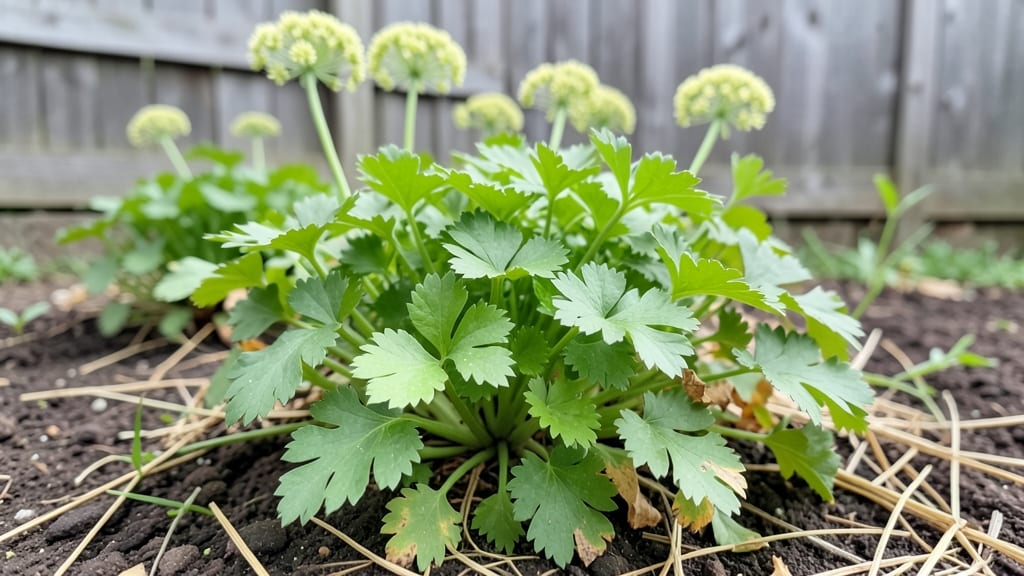
When parsley starts flowering, it’s basically throwing a party at the wrong time—because those delicate yellow blooms mean the plant’s shifting focus from your dinner plates to seed production. 🌱 I’ve wrestled with this before, and the good news is you can often coax it back to leafy glory with just three strategic cuts and a few adjustments.
The first step is simple: snip off those flower stems at the base as soon as you spot them. This stops the plant from “wasting” energy on seeds and redirects it back to the leaves you actually want.
Pair that with consistent watering—parsley hates drying out—and make sure it’s getting at least 4-6 hours of sunlight daily, but not scorching afternoon heat. If your parsley keeps bolting, try a variety like ‘Italian Flat-Leaf’—it’s slower to flower than curly parsley.
You’ll see fresh, vibrant green regrowth within 2-3 weeks if you act fast. The leaves might not be as large as before, but they’ll be tender and flavorful. And if you do want those seeds for next year’s garden, just let a few flowers go—then harvest and dry them carefully.
Either way, you’re back in control of your parsley’s priorities.
This trick works for parsley in containers, garden beds, or even windowsill pots. The key is acting early and keeping conditions just right. Let’s get those leaves growing again!
📚 In This Guide
- What you need
- Instructions
- Tips and common mistakes
- Wrapping up and next steps
What you need
- ● Pruning shears or sharp scissors: Clean, sterilized shears (avoid dull blades to prevent tearing stems). Quantity: 1 pair
- ○ Gloves (optional but recommended): Gardening gloves to protect hands from prickly stems and dirt. Material: Nitrile or cotton
- ● Compost or well-aged manure: Organic matter to enrich soil after pruning. Quantity: 1–2 cups per plant
- ● Watering can or hose with a gentle nozzle: For post-pruning hydration. Tip: Early morning watering is best!
- ○ Mulch (optional but helpful): Straw, shredded leaves, or wood chips to retain moisture. Quantity: 2–3 inches spread around the base
- ● Healthy parsley plant: Ensure your parsley isn’t diseased or severely wilted before pruning. Signs of distress: Yellow leaves, mold, or soft stems
- ● Sunlight access: Parsley thrives in 6+ hours of sunlight daily. Trim in the morning for optimal recovery.
- ● Patience: Leafy regrowth takes 2–4 weeks after pruning—consistency is key!
- ● Fertilizer (balanced or high-nitrogen): A light dose (e.g., 5-5-5) post-pruning to boost growth. Apply sparingly—over-fertilizing can harm roots!
- ● Plant support (for large clumps): Small stakes or cages if your parsley topples after heavy cuts.
- ● Spray bottle with water: For misting leaves if your climate is dry or windy.
Simple steps to revive your parsley after flowering
Here's how to bring back those lush green leaves—no fancy tools needed.
🌿 Step 1: Identify and Cut the Flowering Stems
Look for the tall, thin stems with tiny buds or flowers—these are the culprits stealing energy from your parsley. Use clean, sharp scissors or pruners to snip them off at the base, about ¼ inch above the leaf cluster. This prevents the plant from wasting resources on seed production.
Real talk: If you see multiple flowering stems, cut them all. Even one left behind will keep sending energy upward instead of into leafy growth. I usually do this on a dry morning so the cuts heal faster.
✂️ Step 2: Prune Back Any Leggy Growth
After removing the flowers, check for leggy stems—those long, bare sections between leaves. Pinch or cut these back to just above a set of healthy leaves. This encourages the plant to branch out and grow fuller instead of reaching upward.
You'll notice the plant looks a bit sparse after this step—that's normal. Think of it like giving your parsley a haircut to encourage thicker regrowth. I like to do this after a light watering so the plant isn't stressed.
💧 Step 3: Water and Fertilize for Recovery
Give your parsley a deep drink of water right after pruning. Stick your finger 1 inch into the soil—if it feels dry, water until moisture reaches that depth. Avoid soggy soil, though; parsley hates wet feet.
Now's the time to feed it lightly. Use a balanced, water-soluble fertilizer (like 10-10-10) at half strength. This gives your parsley the nutrients it needs to bounce back without overwhelming it. I usually wait a week after pruning before fertilizing.
☀️ Step 4: Provide Optimal Light and Airflow
Move your parsley to a spot with 4-6 hours of morning sun and afternoon shade if it was previously in full sun. Too much direct sun after pruning can stress the plant. If you're growing indoors, place it near a bright window but out of harsh afternoon rays.
Good airflow is key now. If your parsley was in a crowded pot or garden bed, give it some space. I often prop up a small fan on low setting nearby—this helps prevent fungal issues while the plant recovers.
Tips & tricks for reviving flowering parsley
A few simple tricks that'll transform your parsley from flowery to lush again.
Timing is Everything: In Step 1, when you're cutting those flowering stems, aim to do it in the morning. The plant's natural circadian rhythms are primed for healing then, and the cuts will have all day to heal before nightfall. I've noticed the regrowth is noticeably faster when I follow this timing. Also, make sure to cut just above a leaf cluster—this is where new growth will sprout from.
Pruning Precision: During Step 2, when dealing with leggy growth, don't be afraid to be aggressive. You're not just shaping the plant—you're redirecting its energy. I often cut back about a third of the plant's height, focusing on the longest stems first. This might seem drastic, but parsley is resilient and will respond with bushier growth. Just remember to always cut above a leaf node where new growth can emerge.
Recovery Support: After pruning, the 1-inch soil moisture check in Step 3 is crucial. If the soil feels dry at that depth, water thoroughly but avoid creating a soggy mess. I've learned that parsley actually prefers slightly drier conditions after pruning—this helps prevent fungal issues while it recovers. For the fertilizer, that half-strength application is perfect; parsley doesn't need much to bounce back, and too much can actually set it back.
Light Management: When adjusting to the 4-6 hours of morning sun in Step 4, watch your parsley closely for the first few days. If the leaves start looking pale or wilted, it's getting too much sun. I've had to move my parsley back a few times when I was too eager to give it more light. The goal is to protect it while still providing enough light for recovery.
Pro Tips for Parsley Is Flowering
- A few simple tricks that'll transform your parsley from flowery to lush again.
- Timing is Everything: In Step 1, when you're cutting those flowering stems, aim to do it in the morning.
- Pruning Precision: During Step 2, when dealing with leggy growth, don't be afraid to be aggressive.
Frequently asked questions
Got questions about parsley flowering and how to keep it leafy?
Here are some of the most common ones—plus quick fixes to get your parsley back to its lush, green best!
Why is my parsley flowering? Is it dying?
Parsley flowers as a natural part of its life cycle, especially when it senses longer daylight or stress (like heat or drought). While it won’t kill your plant, flowering signals it’s shifting energy from leaves to seeds. The good news? You can revive leafy growth with a simple trim!
How long does it take for parsley to stop flowering and regrow leaves?
After cutting back flowering stems, parsley usually takes 2–4 weeks to bounce back, depending on light, water, and care. Keep it in partial shade temporarily to reduce stress while it recovers. Patience pays off—your parsley will reward you with fresh, tender leaves!
Should I cut off parsley flowers completely or leave some?
For maximum leaf production, remove all flower stalks at the base. If you’re growing parsley for seeds (e.g., for next year’s crop), let some flowers mature—but pinch off most to encourage leaf regrowth. Pro tip: Use sterilized scissors to avoid disease spread!
Can I still use parsley leaves after it flowers?
Yes! While leaves may taste slightly bitter after flowering, they’re still edible. Harvest the youngest, most tender leaves near the base for the best flavor. If the leaves are tough or woody, it’s time to prune aggressively and restart growth.
What’s the best time of year to prevent parsley from flowering?
Parsley flowers more in spring and summer due to longer daylight. To delay flowering:
- Plant in partial shade (especially in hot climates).
- Water consistently to avoid stress.
- Fertilize lightly with a balanced, low-nitrogen mix (like 5-5-5) every 4–6 weeks.
What if my parsley keeps flowering no matter what I do?
If your parsley is chronically flowering, it may be:
- Too mature (consider starting a new plant).
- Stressed by overcrowding (thin seedlings or repot).
- Exposed to too much sunlight (move to partial shade).
Wrapping up and next steps
Watching your parsley flower may feel like a setback, but with these simple cuts, you’ve got the power to revive lush, leafy growth and keep your herb thriving! 🌱 Remember, timing and precision are key—trim those blooms early, fertilize wisely, and give your plant the care it deserves.
Your kitchen (and taste buds) will thank you for it.
Ready to take action? Grab those pruning shears and get growing! Start with just one plant this week, and soon, your herb garden will be flourishing again.