
Flowers
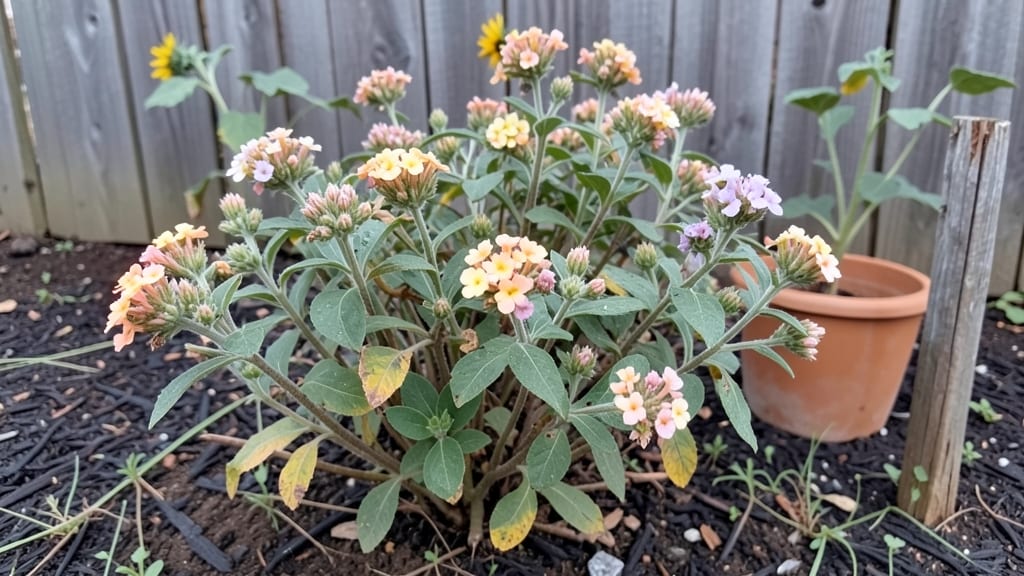
Transform your outdoor space with whimsical outdoor flower decor, turning blank walls and empty porches into vibrant, ever-changing canvases with cascading blooms. 🌸 I’ve turned my own backyard into a seasonal gallery—just by swapping out a few pots and adding arrangements that shift with the weather.
The key isn’t expensive decor; it’s playing with what’s already growing (or what thrives in your climate) and letting it spill over in unexpected ways.
Start with simple supplies: sturdy hooks, lightweight containers (like macramé hangers or repurposed baskets), and flowers that love vertical space—petunias, ferns, or trailing nasturtiums. My favorite combos mix textures: velvety lamb’s ear with airy sweet alyssum, or bold geraniums with delicate ivy.
Even a single hanging basket can make a porch feel like a secret garden, and the best part? You can refresh them every few weeks without breaking the bank.
What you’ll end up with is an outdoor space that smells like summer in spring, glows under string lights in fall, and even survives winter with evergreens or dried flowers.
The arrangements stay lush longer when you water them from below and prune spent blooms—plus, you’ll attract hummingbirds and butterflies just by letting the flowers do their thing. Ready to turn your yard into a living display?
Works for balconies, patios, or even tree branches—just adjust the height and weight of your containers. The magic is in the details: mix in a few solar-powered fairy lights for evening charm, or add a wooden sign with a playful quote.
Every season becomes a chance to reinvent your space with what’s in bloom.
📚 In This Guide
- What you need
- Instructions
- Tips and common mistakes
- Wrapping up and next steps
What you need
- ● Flowering plants: 1-3 trailing plants (e.g., Petunia, Fuchsia, or Ivy) per arrangement
- ● 1-2 upright plants (e.g., Geranium, Coleus, or Lantana) for height
- ● Seasonal blooms (e.g., Daisies, Snapdragons, or Pansies) for pops of color
- ● Hanging planters: Macramé hangers (1-2 per arrangement, 12"-18" diameter)
- ● Coconut fiber or woven baskets (1 per arrangement, 8"-12" depth)
- ● Plastic or ceramic pots with drainage (1 per plant, 4"-6" diameter)
- ● Soil & drainage: Potting mix (1 bag, well-draining)
- ● Pebbles or perlite (small bag, for drainage)
- ● Basic tools: Scissors or pruning shears (for trimming)
- ○ Gloves (optional, for handling thorns or soil)
- ● Measuring tape (for spacing plants)
- ● Decorative ribbons or twine (for tying plants or adding texture)
- ● Miniature fairy lights (solar-powered for outdoor use)
- ● Paint or chalk (to personalize planters)
- ● Birdhouses or wind chimes (to complement the vibe)
- ● Seasonal accents (e.g., pinecones in winter, seashells in summer)
Step-by-Step instructions for creating whimsical hanging flower arrangements
Turn your outdoor space into a living canvas with these easy, seasonal-friendly designs.
🪴 Step 1: Choose the Right Hanging Containers
Start with containers that match your style and the weight of your flowers. For lightweight blooms like petunias or lobelia, macramé hangers or woven baskets work beautifully. Heavier arrangements—think geraniums or fuchsias—need sturdy metal or plastic baskets with built-in drainage. I always check the bottom for holes first; nothing ruins a pretty display faster than soggy roots.
Measure your space too. Most standard hangers accommodate 10-12 inch diameter baskets, but larger arrangements (like trailing ivy or cascading snapdragons) may need wider bases. Hang them at varying heights—some at eye level for impact, others lower for a lush, layered look. The key is balance: cluster similar-sized containers together for a cohesive vibe.
🌿 Step 2: Select Flowers for Seasonal Harmony
Pick flowers that thrive in your climate and complement each other’s colors and textures. For spring, I mix delicate pansies with trailing alyssum for a soft, airy effect. Summer calls for bold blooms like geraniums or petunias, while fall arrangements shine with ornamental kale or chrysanthemums. Winter? Evergreen eucalyptus or dusty miller adds structure and color when most flowers fade.
Think about light too. Shady spots work well with impatiens or ferns, while sun-lovers like marigolds or zinnias need full exposure. I always group plants with similar light needs together—it keeps maintenance easy and ensures everything flourishes. Pro tip: Add a few trailing plants like sweet potato vine or nasturtiums to create movement and soften the edges.
✂️ Step 3: Assemble and Secure Your Arrangement
Start by lining the bottom of your container with 1-2 inches of moisture-retentive soil mix. For heavier baskets, I add a layer of coconut coir or sphagnum moss first—it helps with drainage and keeps roots from drying out too quickly. Next, place your largest plants in the center, then fill in around them with smaller flowers, leaving space for trailing varieties to spill over the sides.
Secure everything gently but firmly. Use floral pins or small stakes to anchor plants in place, especially if your arrangement will sway in the breeze. For trailing plants, tuck them along the edges and let them drape naturally. Water thoroughly after planting—this settles the soil and helps roots establish quicker. I always give my arrangements a light mist the next day too, just to encourage fresh growth.
☀️ Step 4: Hang and Maintain for Long-Lasting Beauty
Hang your containers at the right height for both aesthetics and care. Eye-level arrangements are perfect for patios, while lower ones add charm to porches or garden gates. Most plants need 6+ hours of sunlight daily, but check individual needs—some, like ferns, prefer shade. I like to rotate containers occasionally so all sides get even light, which keeps plants growing evenly.
Watering is the secret to keeping arrangements lush. Check soil moisture daily in hot weather—hanging baskets dry out faster than ground-level pots. I water in the morning so foliage has time to dry, which prevents fungal issues. Feed with a balanced liquid fertilizer every 2-3 weeks during the growing season to keep blooms vibrant. Deadhead spent flowers regularly too; it encourages more blooms and keeps your display looking fresh.
Tips & tricks for perfect whimsical hanging arrangements
Real talk: The difference between a charming hanging display and a sad, drooping mess starts with these simple details.
Container Weight Matters: I learned this the hard way after watching my favorite macramé hanger collapse under the weight of geraniums. For containers holding 10-12 inch diameter arrangements, opt for sturdy metal or plastic baskets with built-in drainage when using heavier plants like fuchsias or trailing ivy. The extra weight distribution prevents sagging, especially when fully watered. For lightweight blooms like petunias, macramé or woven baskets add that boho charm without the risk of structural failure.
Soil Layering Secret: That 1-2 inch layer of moisture-retentive soil mix in Step 3 is your moisture insurance policy. For containers without drainage holes, add a ½-inch layer of coconut coir or sphagnum moss at the very bottom first—it creates an air gap that prevents root rot while still holding moisture. This two-layer approach keeps your arrangements thriving even during heatwaves when evaporation happens fastest.
Light Rotation Strategy: Most plants need 6+ hours of sunlight daily, but here's what nobody tells you: Rotate your containers every 2-3 weeks to prevent lopsided growth. Simply swap positions of containers on opposite sides of your space. This ensures even light exposure all around, which keeps your arrangements looking full and balanced rather than developing sunburned sides. I mark containers with a dot of paint on the underside to track which side faced which direction.
Trailing Plant Hack: When tucking trailing plants like sweet potato vine or nasturtiums along the edges in Step 3, leave about 3-4 inches of stem exposed outside the container. This extra length gives you flexibility to adjust the drape later—you can always trim back if it gets too long, but you can't add length once it's planted. The extra stem also helps the plant establish roots faster along the container's edge, creating a fuller cascade sooner.
Pro Tips for Outdoor Flower Decor
- Real talk: The difference between a charming hanging display and a sad, drooping mess starts with these simple details.
- Container Weight Matters: I learned this the hard way after watching my favorite macramé hanger collapse under the weight of geraniums.
- Soil Layering Secret: That 1-2 inch layer of moisture-retentive soil mix in Step 3 is your moisture insurance policy.
Frequently asked questions
Got questions about transforming your outdoor space with hanging flower decor?
Here are some common ones—and their answers—to help you create stunning arrangements that last all season!
What’s the best time of year to hang outdoor flower arrangements?
For long-lasting blooms, hang arrangements in early spring or late summer. Spring gives flowers time to thrive in warmer months, while late summer ensures they survive cooler fall weather. Avoid extreme heat or frost—both can wilt delicate petals quickly! Pro tip: Choose hardy varieties like petunias, geraniums, or ferns for year-round charm.
How often should I water hanging flower decor?
Water every 2–3 days (or daily in scorching heat) to keep soil moist but not soggy. Hanging pots dry out faster than ground-level ones, so check soil with your finger—if the top inch feels dry, it’s time to water! Use a spray bottle for morning misting to extend bloom life and deter pests.
Can I reuse containers from last year’s outdoor decor?
Clean containers with soapy water and bleach (1:9 ratio) to kill bacteria, then rinse thoroughly. Sand rough edges to prevent snagging and add fresh drainage holes if missing. For a rustic look, distress ceramic pots with sandpaper or paint them in seasonal colors!
How do I keep pests away from my hanging flowers?
Prevent pests with neem oil spray (mix 1 tbsp oil + 1 tsp mild soap in 1 quart water) or companion planting (e.g., marigolds repel aphids). Inspect leaves weekly for chewed edges or sticky residue—early action beats infestations! Elevate pots to discourage slugs and snails, and avoid overwatering to deter fungus gnats.
What’s a budget-friendly alternative to fresh flowers for outdoor decor?
Try dried flowers, silk arrangements, or pressed blooms! Dried lavender or eucalyptus add texture without wilting, while faux flowers (like polyester roses) last years. For a DIY touch, collect pinecones, feathers, or twigs to craft rustic centerpieces—nature’s free decor!
Will hanging flowers survive heavy rain or wind?
Most arrangements handle light rain, but secure pots tightly to hooks and use wind-resistant varieties (e.g., bamboo or succulents). For storms, detach pots or move them indoors. Avoid placing near overhangs where water pools—opt for shaded, sheltered spots instead.
Wrapping up and next steps
Transforming your outdoor space with whimsical hanging flower arrangements is easier—and more rewarding—than you think! 🌸 Whether you’re embracing seasonal blooms or creating a year-round oasis, these DIY ideas bring color, charm, and life to patios, porches, and gardens. Start small, experiment with textures, and let your creativity bloom.
Ready to elevate your outdoor decor? Pick your favorite flowers, grab your supplies, and hang them up today! Your space—and your guests—will thank you. 🌿✨