
Flowers
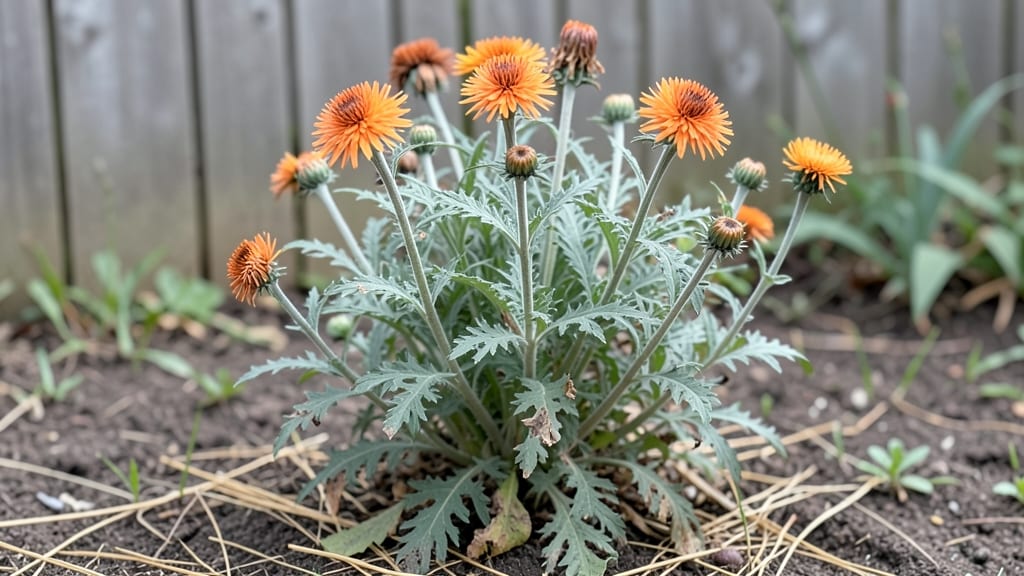
The orange pincushion flower (Leucosceptrum canum) brings sun-drenched cheer to Pacific Northwest gardens, thriving where many perennials freeze or fade. I planted mine last spring after seeing how it bounced back from our late-May frost—still blooming by June.
That hardiness is what makes it a standout for our wet, cool summers and chilly winters.
You’ll need well-draining soil (even sandy or rocky spots work) and full sun to partial shade—it’s one of the few plants that actually asks for neglect. Water lightly once established; these drought-tolerant beauties store moisture like a sponge.
Prune spent blooms in early summer to encourage a second flush of color, and watch pollinators flock to the fuzzy, globe-shaped flowers.
By late summer, your plants will be a velvety orange cloud of texture and movement, drawing bees and butterflies while adding structure to borders or containers.
The secret to long-term success? Avoid overwatering—root rot is the only real enemy. With minimal care, this plant rewards you with years of effortless color.
Perfect for USDA zones 5-9, it’s equally at home in coastal gardens or inland dry climates. Whether you’re filling a sunny corner or creating a pollinator haven, this pincushion delivers bold impact with zero fuss. Let’s get yours growing!
📚 In This Guide
- What you need
- Instructions
- Tips and common mistakes
- Wrapping up and next steps
What you need
- ● Orange pincushion flower seeds or nursery-grown plants: Choose disease-resistant varieties if possible. Pro tip: 💡 Seeds may take longer to sprout, so seedlings are ideal for quick results!
- ○ Well-draining potting mix or garden soil: Aim for a blend with 50-60% organic matter (e.g., compost + perlite or sand). Optional: Add a slow-release fertilizer (10-10-10 ratio) for extra nutrients.
- ● Containers (if starting indoors): Use 4-6 inch pots with drainage holes. For direct planting: Ensure your garden bed has 6+ inches of loose soil.
- ● Watering can or hose with a gentle spray nozzle: Avoid overwatering—these flowers hate soggy roots!
- ● Garden trowel or small shovel: For transplanting seedlings.
- ● Pruning shears (sterilized): To trim dead blooms and encourage new growth.
- ○ Mulch (optional but recommended): Use 2-3 inches of shredded bark or straw to retain moisture and protect roots in winter.
- ● Sunlight access: Full sun to partial shade (4-6 hours of direct light daily). Pro tip: 🌡️ In hot climates, afternoon shade helps prevent wilting!
- ● Patience (and a sense of humor!): These frost-hardy beauties may take 1-2 years to reach their full, fluffy glory.
Step-by-Step guide to cultivating vibrant orange pincushion flowers
This hardy perennial thrives in the Pacific Northwest’s cool, damp climate—here’s how to coax its cheerful blooms.
🌱 Step 1: Select the Perfect Planting Site
Orange pincushion flowers (Leucosceptrum canum) adore full sun to partial shade, with at least 4-6 hours of direct light daily. In the Pacific Northwest’s overcast stretches, they’ll tolerate morning sun with afternoon shade, but blooms will be most abundant in brighter spots. Choose a location with well-draining soil—they despise soggy roots.
Test your soil by squeezing a handful: if it holds shape like a damp brick, amend with 2-3 inches of coarse sand or perlite to improve drainage. These plants are drought-tolerant once established, but they’ll reward you with more blooms if the soil stays slightly moist during their first growing season.
🪴 Step 2: Prepare Soil and Plant with Care
Loosen the soil to a depth of 12 inches with a garden fork, breaking up any compacted layers. Mix in 1-2 inches of compost to provide nutrients without overwhelming the plant. Orange pincushion flowers prefer neutral to slightly alkaline soil (pH 6.5-7.5), so test your soil and adjust with lime if needed.
Dig a hole twice as wide as the root ball but only as deep as it was in its container. Gently remove the plant, tease the roots if they’re circling, and place it in the hole so the top of the root ball sits level with the surrounding soil. Backfill with native soil, pressing lightly to eliminate air pockets. Water deeply to settle everything in place.
☀️ Step 3: Water and Maintain for Optimal Growth
Keep the soil evenly moist but never soggy for the first 4-6 weeks after planting. You’ll know it’s right when the top 1-2 inches of soil feel slightly damp to the touch. Once established, these plants are remarkably low-maintenance—water only during extended dry spells, as they store moisture well in their woody stems.
Fertilize lightly in early spring with a balanced 10-10-10 formula, using ½ the recommended rate. Over-fertilizing encourages leafy growth at the expense of those signature pincushion-shaped blooms. Deadhead spent flowers in late summer to encourage a second flush of blooms before winter sets in.
✂️ Step 4: Prune and Protect for Winter Hardiness
In late fall, trim back any dead or damaged stems to 2-3 inches above the ground. This tidies the plant and prevents disease over winter. Orange pincushion flowers are USDA Zone 5-9 hardy, meaning they’ll survive Pacific Northwest winters with minimal fuss—just mulch around the base with 2-3 inches of shredded bark to insulate roots from freeze-thaw cycles.
If you’re in a colder microclimate (Zone 5), consider wrapping young plants in burlap during the harshest winter months. In spring, remove the mulch and burlap as soon as the ground thaws to allow new growth to emerge unobstructed.
Tips & tricks for perfect orange pincushion flower cultivation
Here's what I've learned after years of growing these resilient beauties in the Pacific Northwest—details that make all the difference between a struggling plant and one that thrives.
Light Placement Strategy: In Step 1, when selecting your site, prioritize the western exposure for maximum sunlight without afternoon heat stress. The 4-6 hours of direct light should ideally be morning sun, as the afternoon sun in summer can be too intense. If your garden gets heavy afternoon shade, supplement with a small grow light during winter months to maintain consistent growth.
Soil Preparation Insight: For Step 2, when amending your soil with 2-3 inches of coarse sand or perlite, I recommend mixing in a handful of crushed eggshells as well. This provides extra calcium that helps prevent blossom end rot in the flowers, while maintaining that perfect neutral to slightly alkaline pH of 6.5-7.5. The eggshells break down slowly and won't alter your pH significantly.
Watering Technique: During the critical 4-6 week establishment period in Step 3, I've found that watering in the early morning gives the roots time to absorb moisture before evening evaporation. Use a rain gauge to measure exactly 1 inch of water per week during this period, delivered either through rainfall or your watering can. This prevents both underwatering and the root rot that can come from soggy soil.
Winter Protection Detail: When implementing the 2-3 inch mulch layer in Step 4, choose shredded cedar bark if possible. Cedar naturally repels pests and its aromatic qualities help deter rodents that might be tempted by the woody stems. For Zone 5 gardeners, I recommend using burlap that's at least 3 inches thick when wrapping young plants—thinner burlap can tear in winter winds.
Pro Tips for Orange Pincushion Flower
- Here's what I've learned after years of growing these resilient beauties in the Pacific Northwest—details that make all the difference between a struggling plant and one that thrives.
- Light Placement Strategy: In Step 1, when selecting your site, prioritize the western exposure for maximum sunlight without afternoon heat stress.
- Soil Preparation Insight: For Step 2, when amending your soil with 2-3 inches of coarse sand or perlite, I recommend mixing in a handful of crushed eggshells as well.
Frequently asked questions
Got questions about the orange pincushion flower (Leucospermum spp.)? You’re not alone! Here are some of the most common queries—plus quick, practical answers to help you grow and enjoy these stunning PNW stars.
Where’s the best spot to plant an orange pincushion flower?
These drought-tolerant beauties thrive in full sun (6+ hours daily) and well-draining soil. Avoid soggy spots—they hate wet feet! In the Pacific Northwest, a south- or west-facing slope is ideal. Pro tip: Mix in grit (like perlite or sand) to improve drainage if your soil is heavy.
Can orange pincushion flowers survive PNW winters?
These frost-resistant plants handle temps down to 15°F (-9°C) once established (after 2–3 years). Young plants may need winter mulch (like bark chips) in colder microclimates. Troubleshoot: If leaves brown in winter, it’s likely normal dormancy—don’t panic!
How long does it take for orange pincushion flowers to bloom?
Patience pays off! From seed, expect blooms in 2–3 years. Container-grown plants (1–2 years old) may flower the first year if given ideal conditions. Prune spent blooms to encourage more flowers—but avoid heavy pruning until after flowering. Peak bloom: Late spring to early summer.
What if my orange pincushion flower isn’t blooming?
Common culprits:
- Too much shade (needs sun!)
- Over-fertilizing (use low-phosphorus fertilizer or none at all)
- Young age (give it time!)
Are there similar flowers for PNW gardens?
If you love the orange pincushion’s bold color and resilience, try these PNW-friendly alternatives:
- Manzanita (Arctostaphylos spp.) – Drought-loving, evergreen, and pollinator-friendly.
- Penstemon (Penstemon spp.) – Bees adore these tubular blooms in pink, purple, or red.
- Yarrow (Achillea spp.) – Fern-like foliage with flat-topped clusters in yellow, orange, or red.
Wrapping up and next steps
The orange pincushion flower is a true gem of the Pacific Northwest—vibrant, resilient, and effortlessly charming. Whether you’re drawn to its bold hue, low-maintenance care, or ability to thrive in cold climates, this flower is a fantastic addition to any garden or landscape.
Ready to bring a pop of color to your outdoor space? Start small—plant one today and watch your garden transform! 🌸
- 🌱 Next step: Pick your spot, gather supplies, and dig in!
- 📸 Pro tip: Snap a photo of your progress—share it with fellow gardening enthusiasts!