Aphids
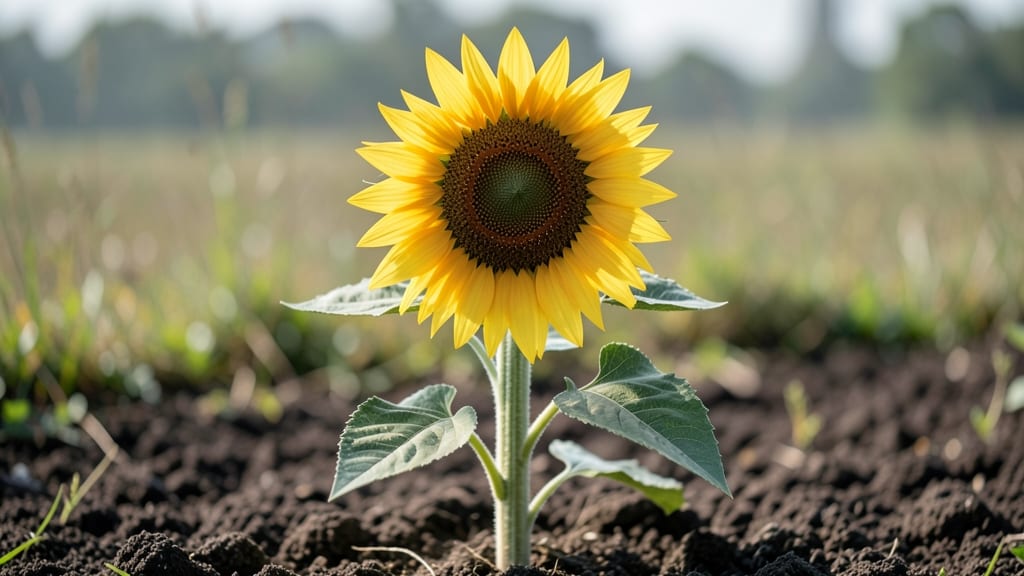
Sunflowers blooming by Mother’s Day aren’t just possible—they’re foolproof when you start them right. 🌻 I’ve timed the planting so my mom gets towering, cheerful stems exactly when she deserves them, and the secret is in those first 60 days after seed.
The varieties I choose—like ‘Moulin Rouge’ or ‘Autumn Beauty’—grow fast, forgiving, and dramatic, perfect for bouquets or potted gifts.
You’ll need a sunny spot (6+ hours of light), well-draining soil, and patience for just 60 days of nurturing. Start seeds indoors in late winter if your spring is cool, or direct-sow in early spring where frost is gone.
Water consistently—sunflowers hate soggy roots but love deep drinks—and watch those sprouts emerge in 7-10 days. The key is keeping them sturdy enough to support those heavy blooms by May.
By Mother’s Day, you’ll have sunflowers tall enough to wrap around her shoulders or arrange in a vase that lasts 10+ days. The petals stay vibrant, the stems stay fresh, and the joy of giving something you grew yourself is unbeatable.
Plus, these sunflowers double as cut flowers or pollinator magnets—your gift keeps giving long after the holiday.
Works for balconies, backyards, or even windowsills with enough light. Whether you’re gifting a single stem or a whole field of cheer, this method delivers reliable results every time. Let’s get those seeds in the soil!
📚 In This Guide
- What you need
- Instructions
- Tips and common mistakes
- Wrapping up and next steps
What you need
- ● Sunflower seeds: Choose fast-growing varieties like 'Moulin Rouge' (60-70 days) or 'Autumn Beauty' (60 days). Buy 5–10 seeds (or more if you want a full bouquet!).
- ● Containers or garden bed: For pots: 5–10 5–6 inch diameter containers with drainage holes (1 per seedling).
- ● For direct planting: A sunny spot with well-draining soil (6–8 inches deep, 12+ inches apart).
- ● Potting mix: 1–2 bags of high-quality, seed-starting mix (or garden soil amended with compost).
- ● Watering can or spray bottle: A 1-gallon capacity with a gentle spray nozzle.
- ● Fertilizer: A balanced, water-soluble fertilizer (e.g., 10-10-10) or compost tea for organic growth.
- ○ Gloves (optional but recommended): A pair of gardening gloves to protect your hands from dirt and thorns.
- ● Trowel or small shovel: For digging holes in garden beds.
- ● Plant labels: 5–10 labels (or sticks) to mark seedlings if planting multiple varieties.
- ● Sunlight access: A spot with at least 6–8 hours of direct sunlight daily (sunflowers are sun-worshippers!).
- ● Patience (and a sprinkle of love!): Sunflowers grow fast, but they need consistent care for those first 60 days.
- ● Decorative pots: Painted or themed containers to match your mom’s style!
- ● Epsom salt: A teaspoon per plant mixed into water for bigger blooms.
- ● Plant food spikes: Slow-release granules for hassle-free feeding.
- ● Insect spray (like neem oil): To keep aphids and pests away from your blooms.
Step-by-Step instructions for growing mother's day sunflowers
Here’s how to grow sunflowers that’ll bring smiles—fast and full of color.
🌱 Step 1: Choose the Right Variety and Planting Time
For a 60-day bloom, pick a dwarf variety like 'Teddy Bear' or 'Moulin Rouge'—they’re sturdy, compact, and perfect for containers or small gardens. Plant seeds 4-6 weeks before your last frost date (check your local frost calendar). Sunflowers thrive in full sun, so pick a spot that gets at least 6 hours of direct sunlight daily. If your garden gets afternoon shade, opt for a taller variety like 'Autumn Beauty'—it’ll still bloom but may need staking.
Here’s the thing—sunflowers love warmth. If you’re planting early in cool climates, use black plastic mulch to warm the soil. The seeds won’t germinate well below 50°F, so wait until the ground feels consistently warm to the touch. I’ve seen seeds sit for weeks in cold soil, and that’s time you don’t want to waste.
💧 Step 2: Prepare Soil and Sow Seeds Properly
Loosen the soil to a depth of 6-8 inches—sunflower roots need room to stretch deep. Mix in 2-3 inches of compost to give them a nutrient boost. Sunflowers aren’t picky about soil type, but they’ll reward you with bigger blooms if the soil drains well. If your garden holds water, amend with sand or perlite to improve drainage.
Plant seeds 1 inch deep and 6 inches apart in rows 18 inches apart. Drop 2-3 seeds per hole—they germinate quickly, and you can thin later. Water gently after planting to settle the soil, but don’t drown the seeds. Overwatering now can cause them to rot before they sprout. I like to use a fine mist setting on my hose to avoid displacing the seeds.
☀️ Step 3: Water and Fertilize for Strong, Healthy Growth
Once seeds sprout, water deeply 1-2 times per week, aiming for 1 inch of water total. Sunflowers have deep roots, so shallow watering encourages weak, shallow growth. You’ll know you’re doing it right when the soil feels dry to the touch 1-2 inches down—that’s your cue to water again. Avoid wetting the leaves to prevent fungal diseases like powdery mildew, which loves damp foliage.
When plants reach 12 inches tall, side-dress with balanced fertilizer (10-10-10) or compost. Sunflowers are heavy feeders, but too much nitrogen will make them grow leaves instead of blooms. I use ½ cup of fertilizer per plant and scratch it into the soil around the base. Watch for yellowing leaves—that’s a sign they need more nutrients or are thirsty.
✂️ Step 4: Support and Prune for Beautiful Blooms
If you’re growing taller varieties, install stakes or cages when plants are 3 feet tall. Sunflowers can get top-heavy, and a good wind will snap them like twigs. I tie stems loosely with soft plant ties or old fabric strips—tightening too much restricts growth. For dwarf varieties, staking isn’t usually needed, but a little support helps them stand upright in containers.
Pinch off any side buds that form below the first 12 inches of the stem. This directs the plant’s energy into one massive bloom instead of multiple small flowers. You’ll see buds form in 4-6 weeks—they’ll look like fuzzy green balls. Once the main bud swells to golf-ball size, reduce watering slightly to prevent splitting. Overwatering at this stage can cause the stem to burst open too soon.
⏰ Step 5: Harvest and Enjoy Your Mother’s Day Gift
Sunflowers are ready to cut when the back of the bloom turns yellow and the petals fully open. Harvest in the early morning when the stems are crisp and full of water. Cut 4-6 inches down the stem for a long vase life. Remove any leaves that will sit underwater—they rot quickly and shorten the bouquet’s life.
Here’s the fun part: sunflower bouquets last 7-10 days in water if you change the vase water every 2 days. For a lasting display, dry the blooms by hanging them upside down in a well-ventilated, dark space. Once completely dry, the petals will pop off easily, leaving the centers intact for crafts or decorations. Real talk: nothing says "I love you" like a sunflower that blooms just in time for Mother’s Day.
Tips & tricks for perfect mother's day sunflowers
A few simple strategies that'll help your sunflowers bloom brighter and faster than ever.
Variety Selection Matters: While 'Teddy Bear' and 'Moulin Rouge' are perfect for containers, don't overlook 'Autumn Beauty' if you have space—it produces stunning multi-colored blooms that make incredible bouquets. For the fastest results, choose seeds labeled "early maturing" (they'll often bloom in 55-60 days instead of 60-70). I've found that organic seeds tend to produce slightly larger blooms, though conventional seeds work just as well for color.
Soil Preparation Secret: The 6-8 inch deep loosening in Step 2 is crucial, but here's what nobody tells you—add a handful of egg shells to each planting hole before adding seeds. The calcium helps prevent blossom end rot and strengthens stems. For containers, mix in 10% perlite by volume to improve drainage, which prevents root rot in those compact spaces.
Watering Wisdom: That 1-2 times per week guideline works for most climates, but adjust based on your soil type. Sandy soil drains quickly and may need watering every 2-3 days, while clay holds moisture longer and might only need watering every 5-7 days. The key is always checking soil moisture 1-2 inches down—this ensures those deep roots get the water they crave. I've learned the hard way that sunflowers hate soggy feet!
Pruning Pro Tip: When you pinch off those side buds below 12 inches in Step 4, use clean scissors or your fingers—never tear them off. This prevents damage to the main stem and reduces disease risk. For the golf-ball sized bud stage, I like to add a light mulch ring around the base to help retain moisture while preventing overwatering. This two-step approach keeps stems strong and blooms perfect.
Pro Tips for Mothers Day Sunflowers
- A few simple strategies that'll help your sunflowers bloom brighter and faster than ever.
- Variety Selection Matters: While 'Teddy Bear' and 'Moulin Rouge' are perfect for containers, don't overlook 'Autumn Beauty' if you have space—it produces stunning multi-colored blooms that make incredible bouquets.
- Soil Preparation Secret: The 6-8 inch deep loosening in Step 2 is crucial, but here's what nobody tells you—add a handful of egg shells to each planting hole before adding seeds.
Frequently asked questions
Got questions about gifting or growing sunflowers for Mother’s Day? You’re not alone! Here are answers to the most common queries to help you pick the perfect blooms—or troubleshoot last-minute hiccups.
Why are sunflowers a great Mother’s Day gift?
Sunflowers symbolize joy, longevity, and admiration—perfect for celebrating mom! Their bright colors and fast growth (many bloom in 60 days) make them a thoughtful, low-maintenance gift. Plus, they’re versatile: fresh bouquets, potted plants, or even seeds for her garden!
How do I pick the best sunflowers for Mother’s Day?
Look for fully opened buds (not yet blooming) for longer vase life. Opt for varieties like ‘Moulin Rouge’ or ‘Autumn Beauty’—they’re sturdy, colorful, and last 7–10 days. Avoid wilting stems or yellowing leaves. Pro tip: Choose sunflowers with closed centers for a dramatic pop as they open!
Can I still plant sunflowers for Mother’s Day if it’s late in the season?
Sunflowers thrive in warm weather, so check your last frost date—they need 60–90 days to bloom. If planting now, pick fast-maturing varieties (e.g., ‘Teddy Bear’ or ‘Sunspot’) and plant in full sun. For guaranteed blooms, buy potted sunflowers from a nursery instead!
What’s the best way to keep sunflowers fresh longer?
Trim stems at a 45-degree angle before placing them in lukewarm water. Change the water every 2 days and snip stems again. Keep them away from direct sunlight or heat sources (like radiators). A flower food packet adds 3–5 extra days!
Are there sunflower alternatives if mom prefers something different?
Try:
- Dahlias: Bold, colorful blooms (but need more care).
- Peonies: Romantic and fragrant (longer vase life).
- Ranunculus: Delicate, layered petals (great for bouquets).
- Potted herbs (rosemary, lavender): Practical + fragrant.
Why are my sunflowers getting eaten by aphids?
Aphids love sunflowers! Spray them off with a soapy water solution (1 tsp mild soap + 1 quart water) or introduce ladybugs (natural predators). For severe infestations, use neem oil. Prevent tip: Inspect plants weekly and remove affected leaves immediately.
Wrapping up and next steps
Sunflowers aren’t just a burst of joy—they’re a symbol of love, gratitude, and effortless beauty that brightens any Mother’s Day. Whether you’re gifting a bouquet or growing your own, these cheerful blooms prove that the best things in life (and gardening!) come with a little patience and sunshine. 🌻
Now that you’re armed with the how-to, why not take the next step? Plant a seed today and watch it grow into a heartfelt surprise—your mom (or the special women in your life) will adore the thought and the vibrant results!