
Flowers
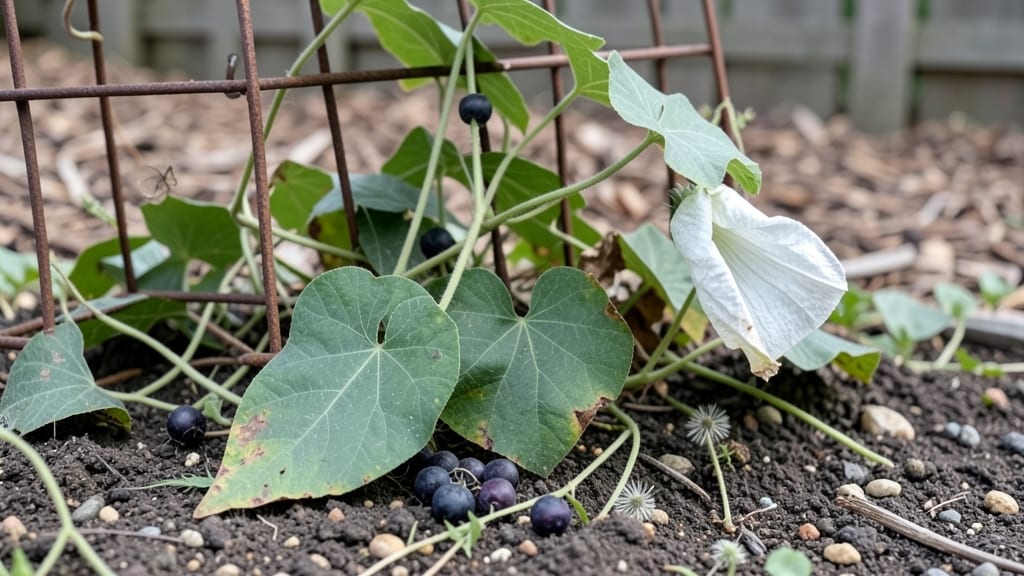
Moon flowers (Ipomoea alba) might look like a dreamy night-blooming vine, but their toxic sap can cause skin irritation and stomach upset—especially for pets and kids. 🌿 I learned the hard way when my dog sniffed the leaves and spent the night sneezing.
The milky sap contains compounds that trigger reactions in sensitive skin, and ingesting any part can lead to vomiting or diarrhea.
Identifying them is key: their white, trumpet-shaped blooms open at dusk and fade by morning, while the leaves have a distinctive heart shape with pointed tips. If you suspect moon flowers in your garden, wear gloves when handling and avoid letting pets or children near the plants.
The roots and seeds are the most concentrated sources of toxins, so removal should include the entire plant system.
Safe alternatives like morning glories (Ipomoea purpurea) or sweet peas (Lathyrus odoratus) offer similar beauty without the risks. These vines are just as vigorous but won’t leave you scrambling for first-aid supplies after a curious pet investigation.
For existing moon flowers, bag the plants before disposal to prevent accidental exposure.
If exposure occurs, wash the affected area with soap and water immediately. For ingestion, contact poison control or a vet right away—don’t wait for symptoms to appear. A little caution now keeps your garden beautiful and safe for everyone who enjoys it.
📚 In This Guide
- What you need
- Instructions
- Tips and common mistakes
- Wrapping up and next steps
What you need
- ● Heavy-duty gloves (nitrile or leather, rated for chemical/plant handling—no thin gardening gloves!)
- ● Safety goggles (ANSI-rated, to protect against sap or debris)
- ● Long-sleeved clothing (100% cotton or synthetic, tucked into gloves)
- ● Face mask (N95 or better) (avoids inhaling pollen or crushed plant particles)
- ● Sturdy trash bags (2–3 mil thickness, 30+ gallon size—double-bag for extra safety)
- ● Pruners or loppers (long-handled, sterilized with 70% isopropyl alcohol)
- ● Disposable dustpan & brush (for fine debris—do not reuse)
- ● Bleach solution (1 part bleach to 10 parts water, for cleaning tools/containers)
- ● Plastic or metal container (5+ gallon, with tight lid—for disposal)
- ● Petroleum jelly or diaper rash cream (to seal skin if accidental contact occurs)
- ● Respirator with organic vapor cartridge (for heavy exposure risk)
- ● Disposable coveralls (if dealing with large infestations)
- ● Garden hose with spray nozzle (to rinse tools/gloves post-removal)
- ● Camera or phone (to document the plant for ID verification)
- ● First-aid kit (with activated charcoal—consult poison control immediately if exposure occurs)
How to identify and remove moon flower vines safely
Here's how to spot these stunning but dangerous climbers—and handle them without risk.
🌿 Step 1: Confirm the Plant is Moon Flower
Moon flower vines (Ipomoea alba) feature large, white, trumpet-shaped blooms that open at night and close by midday. The leaves are heart-shaped with pointed tips and grow in pairs along the stem. Here's the thing—these vines are stunning but contain toxic compounds like ergot alkaloids that can cause nausea, hallucinations, or worse if ingested.
Check the stems for a milky sap when broken—a telltale sign of toxicity. The vines also twine clockwise, unlike morning glories which twine counterclockwise. If you see these blooms glowing in moonlight, you've found moon flower.
✂️ Step 2: Gather Safety Supplies First
Before touching the plant, grab thick gardening gloves, long sleeves, and a heavy-duty trash bag. Moon flower sap can irritate skin, so protect yourself. I always keep a bottle of mild soap and water nearby too—just in case any sap touches exposed skin. Wear closed-toe shoes to avoid accidental contact with broken stems.
Don't skip this step. I learned the hard way when a broken stem brushed my arm and left an itchy rash for days. The sap contains compounds that can cause allergic reactions in sensitive individuals, so treat it like handling poison ivy.
🌱 Step 3: Cut at the Base and Remove Roots
Use pruning shears to cut the vine at ground level, making sure to sever any underground runners. Moon flower spreads aggressively through rhizomes, so dig carefully around the base with a trowel. You'll often find multiple stems connected to a single root system—pull them all out.
Don't leave any root fragments behind. Even small pieces can regrow, and you'll have these toxic vines back next season. I've seen moon flower return from just a 2-inch root piece left in the soil. For stubborn roots, soak the area with vinegar first to help loosen the soil.
🪴 Step 4: Dispose of Plant Material Properly
Place all cuttings and roots in a sealed heavy-duty trash bag immediately. Double-bag if possible, especially if you have pets or children. Never compost moon flower—it can contaminate your compost pile and spread through your garden. Check your local waste regulations as some areas require special disposal for toxic plants.
I always wash my tools thoroughly with soapy water after removing moon flower. The sap can linger on blades and spread to other plants. A 10-minute soak in vinegar solution also helps neutralize any remaining toxins.
💧 Step 5: Monitor and Treat the Area
After removal, keep an eye on the area for several weeks. New shoots may appear from missed roots. Water the soil regularly to help flush out any remaining root fragments—moon flower hates soggy conditions. Consider planting in that space only after you're certain no toxic roots remain.
If you notice any unusual plant growth or your pets show signs of nausea after being in the area, test the soil with a pH kit. Moon flower prefers slightly acidic soil, so raising the pH to 7.0 or higher can help deter regrowth. For complete peace of mind, consider replacing the soil entirely in heavily infested areas.
Tips & tricks for handling moon flower vines safely
Real talk: Moon flower vines might look magical, but their beauty hides serious risks. Here's what nobody tells you about making this process foolproof.
Identification Double-Check: In Step 1, when confirming moon flower, pay special attention to the clockwise twining pattern—this is your most reliable clue. I've seen gardeners mistake morning glories for moon flower because of the similar blooms, but the twining direction is the giveaway. Also, snap a stem—if it releases a milky sap, that's your warning sign to handle with extreme caution.
Safety Gear Upgrade: Step 2's safety supplies are non-negotiable, but here's what I learned the hard way: long sleeves aren't enough if your gloves have tiny holes. Invest in heavy-duty rubber gloves that seal at the wrist, and consider adding safety goggles if you're working near your face. The sap can cause irritation even without direct skin contact, especially if it gets in your eyes.
Root Removal Strategy: For Step 3, when dealing with stubborn roots, I've found that a garden fork works better than a trowel for breaking up dense rhizomes. Work the fork in a circular motion around the base, then wiggle it gently to loosen the soil. This helps you spot any missed root fragments that might regrow. And yes, that 2-inch rule is critical—I've seen moon flower come back from even smaller pieces left behind.
Disposal Best Practices: In Step 4, when double-bagging, use two separate trash bags—one inside the other. This creates an extra barrier against any potential sap leaks. For tools, that 10-minute vinegar soak is a game-changer. I keep a bucket of vinegar solution ready for any gardening tools that come into contact with toxic plants. The acid helps break down any lingering toxins that could spread to other plants.
Pro Tips for Moon Flowers Toxic
- Real talk: Moon flower vines might look magical, but their beauty hides serious risks.
- Identification Double-Check: In Step 1, when confirming moon flower, pay special attention to the clockwise twining pattern—this is your most reliable clue.
- Safety Gear Upgrade: Step 2's safety supplies are non-negotiable, but here's what I learned the hard way: long sleeves aren't enough if your gloves have tiny holes.
Frequently asked questions
Got questions about moon flowers and their toxicity? You’re not alone!
Here are the most common concerns—and the answers you need to handle them safely.
Are moon flowers (Ipomoea alba) really poisonous?
Yes, but only if ingested.
While they’re stunning in gardens, all parts of the moon flower—leaves, stems, and seeds—contain ergosine and lysergic acid amide, which can cause hallucinations, nausea, or even seizures in large doses. Pets and kids are especially at risk!
How do I safely remove moon flowers from my yard?
Wear gloves and long sleeves!
Dig up roots completely (they spread aggressively) and dispose of them in sealed trash bags—do not compost. If seeds are present, double-bag them to prevent regrowth. For stubborn patches, use a vinegar-based herbicide (1:1 vinegar/water + dish soap) and reapply weekly.
How long does it take for moon flowers to become toxic?
Toxicity isn’t time-dependent—it’s dose-dependent.
Even fresh plants can cause reactions, but dried or wilted flowers may concentrate toxins. If ingested accidentally, seek medical help immediately, as symptoms (like vomiting or confusion) can appear within 30 minutes to 2 hours.
What’s a non-toxic alternative to moon flowers?
Try these safe, showy picks:
- Moonflower (Ipomoea alba) look-alikes: Morning glories (Ipomoea purpurea) (less toxic but still monitor kids/pets).
- Night-blooming beauties: Evening primrose (Oenothera) or Angel’s trumpet (Brugmansia)—just research their toxicity too!
- Daytime stars: Datura ( Brugmansia) is deadly—avoid entirely!
For zero risk, opt for hibiscus, roses, or jasmine.
My dog ate a moon flower leaf—what should I do?
Act fast! Contact your vet or the ASPCA Poison Control (1-888-426-4435) immediately. Bring the plant (if possible) for ID. Symptoms like drooling, dilated pupils, or lethargy mean emergency care. Keep your pet hydrated and do not induce vomiting unless instructed.
Wrapping up and next steps
While moonflowers (Ipomoea alba) may dazzle with their ethereal beauty, their toxic properties demand respect—not fear. Always prioritize safety by keeping them out of reach of pets and children, and wear gloves when handling them.
If you love their charm, admire them from afar or opt for non-toxic alternatives like morning glories (Ipomoea purpurea), which are safer for gardens.
Remember: awareness turns danger into opportunity. Now that you’re equipped with the knowledge, take action—whether that’s removing moonflowers from your space or sharing this info with fellow gardeners. 🌙✨ Stay curious, stay safe, and keep gardening with confidence!