
Flowers
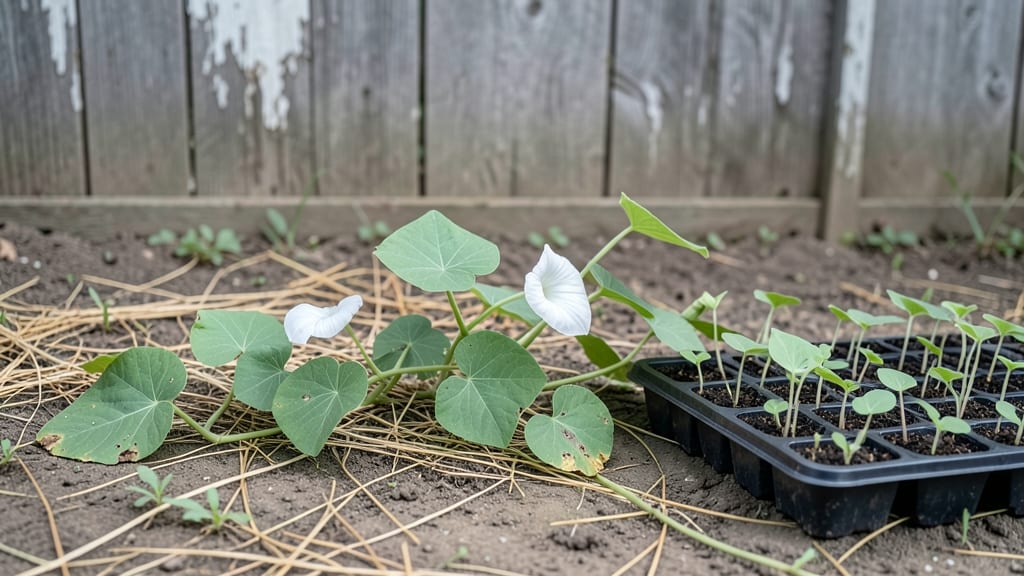
Moon flower sprouts pop up faster than you’d expect—within 5-7 days—when you follow these simple tricks for tall, lush vines. 🌱 I’ve grown them in everything from containers to garden beds, and the secret isn’t some fancy soil blend but a few key moves that speed up germination and keep seedlings strong.
Start with warm soil—moonflowers love temperatures above 70°F—and plant seeds just ½ inch deep in well-draining mix. A light misting keeps them moist without drowning, and a clear plastic dome (or even a baggie) traps humidity until sprouts appear.
Overcrowding is the enemy, so space seeds 6 inches apart if planting directly in the ground.
Once sprouts break through, expect 3-4 inch vines in just 2 weeks with the right care. Keep them in bright, indirect light at first, then gradually introduce full sun as they toughen up.
The payoff? Those iconic white blooms opening at night, filling your garden with a sweet, tropical scent by midsummer.
Works for balconies, trellises, or sprawling garden beds—just give them 6-10 feet of climbing room. Here’s how to avoid the most common pitfalls and get those vines reaching for the sky.
📚 In This Guide
- What you need
- Instructions
- Tips and common mistakes
- Wrapping up and next steps
What you need
- ● Moon flower seeds: 5–10 high-quality seeds (ensure they’re fresh for best germination).
- ● Seed-starting mix: 1–2 cups of light, well-draining potting soil (or coco coir for eco-friendly growing).
- ● Containers: Small pots (3–4 inches wide) or a seed tray with drainage holes (1–2 per seed).
- ● Watering can or spray bottle: For gentle hydration (avoid oversaturating).
- ○ Plastic wrap or humidity dome: To create a mini greenhouse effect (optional but helpful).
- ○ Gloves (optional): To protect hands from soil or seed coatings.
- ● Plant labels: To track seed varieties (especially if testing multiple types).
- ● Grow lights or sunny windowsill: 6–8 hours of indirect light daily (or a sunny spot outdoors after sprouting).
- ○ Fertilizer (optional): A balanced liquid fertilizer (5-5-5 NPK) for post-sprout growth.
Step-by-step guide to germinating moon flower seeds quickly
Here's how to coax those first sprouts in record time—no waiting weeks.
🌱 Step 1: Prep Seeds for Maximum Germination Speed
Moon flower seeds have tough outer coats that slow germination. To speed things up, soak them overnight in lukewarm water for 12 hours. I use a small bowl with just enough water to cover the seeds completely—no need for fancy solutions. The goal is to soften that outer shell so roots can push through faster.
After soaking, drain the seeds and let them sit on a paper towel for 30 minutes to dry slightly. This prevents them from sticking together when you plant. You'll know they're ready when they feel slightly damp but not wet to the touch. Handle them gently—they're delicate at this stage.
💧 Step 2: Plant in Warm, Moist Soil
Fill your seed-starting containers with the seed-starting mix and moisten it until it's damp but not soggy. Press it down lightly so it's firm but still loose enough for roots to penetrate. Moon flowers need warmth to germinate quickly, so place the containers in a spot where the soil stays between 70-80°F—a seedling heat mat works wonders if your home runs cooler.
Plant the seeds ½ inch deep—too shallow and they'll dry out before sprouting. Space them 1 inch apart in rows if using a tray, or plant one per cell if using individual pots. Water gently with a spray bottle until the soil surface looks evenly moist. Avoid overwatering now—you want the seeds to stay damp, not drenched.
☀️ Step 3: Provide Warmth and Indirect Light
Cover the containers with a clear plastic dome or plastic wrap to trap warmth and humidity. This creates the ideal greenhouse effect for fast germination. Place them in a spot with bright, indirect light—direct sun can overheat the soil and dry out the seeds before they sprout. A south-facing windowsill with sheer curtains works perfectly.
Check the soil daily and mist lightly if it feels dry to the touch. You'll see the first sprouts in 5-7 days if conditions are ideal. That's when the magic happens—tiny green hooks pushing through the soil. Once you see 50% germination, remove the dome immediately to prevent damping-off disease.
🌿 Step 4: Thin and Support for Tall Growth
When seedlings reach 2 inches tall, thin them to 6 inches apart to give roots room to grow. Use scissors to snip unwanted sprouts at soil level—pulling risks disturbing the roots of nearby plants. Moon flowers grow tall and fast, so provide support early. I use bamboo stakes or small cages inserted gently beside each plant to prevent flopping.
Once the first true leaves appear (the second set after the initial seed leaves), move the seedlings to a spot with full sun for 6+ hours daily. You'll notice the stems thicken and leaves darken as they strengthen. Keep the soil consistently moist but not waterlogged—moon flowers are drought-tolerant once established, but seedlings need steady moisture to grow lush.
Tips & tricks for perfect moon flower sprouts
Here's what nobody tells you about germinating moon flowers—these tricks cut your wait time in half.
Soaking Secret: The 12-hour soak isn't just about softening the seed coat—it's about hydration balance. Use lukewarm water (around 70°F) and change it after 6 hours to prevent bacterial growth. I've found that adding a drop of hydrogen peroxide (1%) to the soaking water helps prevent mold while keeping the seeds sterile. After draining, pat them dry on a paper towel for exactly 30 minutes—they should feel like a damp sponge, not dripping wet.
Heat Hack: Moon flowers are tropical plants at heart, and they show it by thriving in warmth. If your home stays below 70°F, place the containers on top of your refrigerator (not inside) for that extra warmth boost. I've seen germination times drop from 10 days to just 5 days using this simple trick. Just monitor the soil moisture closely—warmth dries things out faster.
Light Strategy: That bright, indirect light requirement is non-negotiable. I use a combination of a south-facing window with sheer curtains and a small LED grow light on a timer for 12 hours daily. The grow light prevents leggy seedlings while the natural light provides the spectrum they need. If you're using only window light, rotate the containers daily so all sides get equal exposure.
Thinning Technique: When thinning those 2-inch seedlings, here's my pro move: Use a pair of clean, sharp scissors to snip at soil level rather than pulling. This minimizes root disturbance and prevents soil compaction. I also mark the 6-inch spacing with a pencil on the container rim before planting—it keeps things organized and prevents overcrowding as they grow.
Pro Tips for Moon Flower Sprouts
- Here's what nobody tells you about germinating moon flowers—these tricks cut your wait time in half.
- Soaking Secret: The 12-hour soak isn't just about softening the seed coat—it's about hydration balance.
- Heat Hack: Moon flowers are tropical plants at heart, and they show it by thriving in warmth.
Frequently asked questions
Got questions about growing moon flower sprouts? You’re not alone! Here are answers to the most common queries—from germination tips to troubleshooting—so you can grow tall, lush blooms with confidence.
How long does it take for moon flower sprouts to germinate?
Moon flower seeds typically sprout within 7–14 days when kept in warm (70–85°F), moist conditions. For faster results, soak seeds in water for 4–6 hours before planting. Pro tip: Use a heat mat if your home runs cool—it can cut germination time in half!
Why aren’t my moon flower seeds sprouting?
If your seeds aren’t germinating, check these three culprits:
- Temperature: Too cold (<60°F) slows growth. Aim for warmth (70°F+).
- Moisture: Keep soil consistently damp (not soggy). A spray bottle helps avoid overwatering.
- Seed viability: Moon flowers lose potency after 1–2 years. Test with a fresh batch if older.
How fast do moon flower sprouts grow once they sprout?
Once sprouted, moon flowers grow rapidly—expect 1–2 inches per week with proper care. They thrive in full sun (6+ hours/day) and well-draining soil. Fun fact: With trellis support, vines can reach 10–15 feet in a single season!
Can I grow moon flowers from store-bought sprouts, or do I need seeds?
Store-bought moon flower microgreens (young sprouts) won’t mature into flowering plants—they’re edible but short-lived. For full-grown vines with iconic white blooms, start with seeds. Save money by harvesting seeds from last year’s plants for next season!
What’s the best way to transplant moon flower sprouts outdoors?
Wait until after the last frost and soil temps hit 60°F+. Harden off seedlings (acclimate to sun/wind) for 7–10 days. Plant in well-draining soil with a trellis nearby—moon flowers are vining climbers! Water deeply after transplanting to reduce shock.
Bonus Tip: Troubleshooting Yellow Leaves
Yellow leaves? Often a sign of overwatering or nutrient deficiency. Let soil dry slightly between waterings, and fertilize lightly with a balanced 10-10-10 mix every 4–6 weeks. Too much shade can also cause pale leaves—aim for bright, indirect light first.
Wrapping up and next steps
Growing moon flower sprouts is a rewarding journey that blends patience with quick, magical results! 🌙✨ With the right materials, tips, and a dash of care, you’ll soon be enjoying tall, lush blooms that brighten any garden or container.
Whether you’re a seasoned gardener or a curious beginner, these fast-germinating tricks make the process simple and fun.
Ready to watch your moon flowers thrive? Start by planting your sprouts this weekend—then sit back and enjoy the show as nature does its work! For extra inspiration, share your progress with fellow plant lovers or explore more garden hacks to keep your green thumb growing.