
Flowers
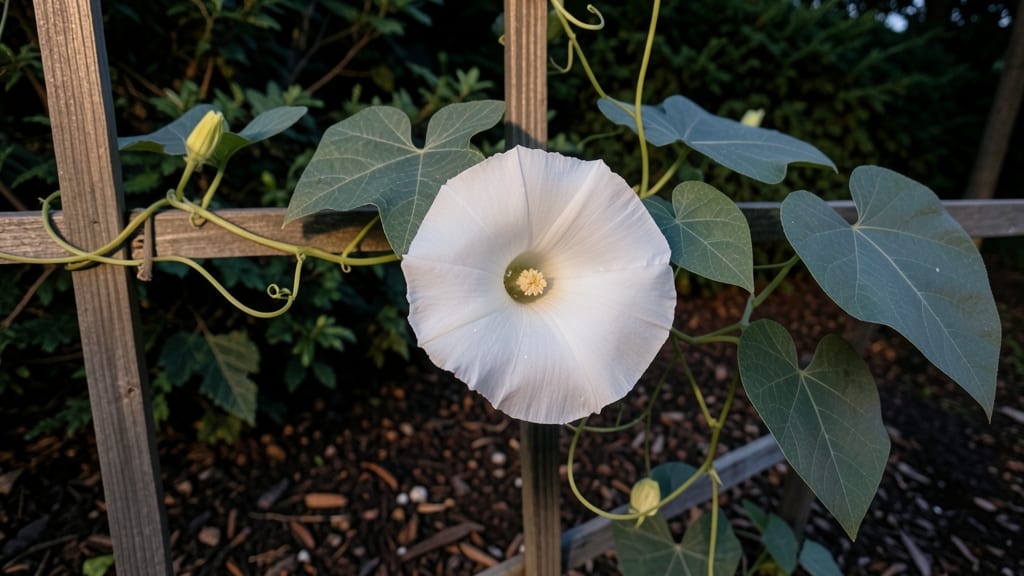
Caring for moon flowers (Ipomoea alba) in the Pacific Northwest means waking up to velvety green vines and waiting for their ghostly white blooms to unfurl after sunset. 🌙 I’ve grown these night-blooming beauties for years, and they’ve taught me that low-maintenance doesn’t mean low-impact—they’re the quiet stars of any garden, thriving even when you forget to check on them.
These vines love well-draining soil mixed with compost, and they’re happy in partial shade—perfect for the PNW’s dappled light. Water them once a week in summer, letting the top inch dry out between drinks, but cut back in winter when rain takes over.
They climb effortlessly on trellises or fences, so no staking is needed unless you’re growing them as ground covers.
What makes them magical is their nocturnal bloom cycle—you’ll rarely see flowers by day, but come evening, the garden transforms into a moonlit wonderland. Prune leggy vines in spring to encourage bushier growth, and watch for aphids, which love new shoots.
A quick spray of soapy water keeps them at bay without harsh chemicals.
In colder months, their leaves may yellow, but don’t panic—they’re tougher than they look. With the right spot and a little patience, these vines reward you with fragrant, late-summer blooms that last until frost. Ready to grow a garden that comes alive after dark?
📚 In This Guide
- What you need
- Instructions
- Tips and common mistakes
- Wrapping up and next steps
What you need
- ● Moon flower seeds: 5–10 seeds (organic, non-GMO preferred for best results).
- ● Well-draining potting mix: 1–2 gallons (look for a blend labeled for tropical or vine plants with perlite or sand).
- ● Containers: For seedlings: 3–4 small pots (4–6 inches deep) with drainage holes.
- ● For mature plants: 1 large container (12+ inches deep) or a trellis setup in the ground.
- ● Trellis or support: A 6–8 ft tall stake, obelisk, or wire trellis (moon flowers are vining!).
- ● Watering can or hose: With a gentle spray nozzle for seedlings.
- ● Fertilizer: Balanced liquid fertilizer (10-10-10 or 20-20-20, diluted to half-strength).
- ● Pruning shears: Small, sharp pair for trimming.
- ● Seed-starting heat mat (speeds up germination in cooler PNW springs).
- ● Mulch (straw or shredded bark) to retain moisture and suppress weeds.
- ● Slow-release fertilizer granules (mix into soil for steady nutrients).
- ● Grow lights (if starting seeds indoors before last frost).
- ● Compost or worm castings (boosts soil health for fragrant blooms!).
Step-by-step instructions for growing and maintaining moon flowers
Moon flowers thrive with minimal fuss—here’s how to keep them blooming effortlessly.
🌱 Step 1: Choose the Perfect Planting Spot
Moon flowers love partial shade to full sun, but in the Pacific Northwest’s cooler climate, morning sun with afternoon shade works best. Pick a spot where they’ll receive at least 4-6 hours of sunlight daily, but avoid harsh afternoon rays that can scorch delicate petals.
These vines need support to climb, whether it’s a trellis, fence, or sturdy post. I always install the support at planting time—digging holes for stakes later disrupts roots. Space plants 3-5 feet apart to allow for sprawling growth and airflow, which prevents fungal issues.
💧 Step 2: Water Consistently Without Overdoing It
Water moon flowers deeply once a week during dry spells, ensuring the top 6 inches of soil stay moist but not soggy. You’ll know it’s time to water when the soil feels dry to the touch—stick your finger in about 2 inches deep to check. Overwatering is the biggest mistake; these plants hate wet feet.
In the Pacific Northwest’s damp climate, you might only need to water every 10-14 days unless you’re in a particularly dry microclimate. Mulch around the base with 2-3 inches of organic mulch (like shredded bark) to retain moisture and keep roots cool. Avoid piling mulch against the stems—leave a 2-inch gap to prevent rot.
☀️ Step 3: Prune for Health and More Blooms
Deadhead spent blooms regularly to encourage more flowers—just pinch or snip off faded flowers with clean pruners. This simple step keeps the plant focused on producing fresh blooms instead of setting seed. I prune in the morning so any cuts have time to dry before evening dew sets in.
In late winter or early spring, trim back leggy or overgrown vines by one-third to promote bushier growth. Use sterilized pruners to avoid spreading disease, and always cut just above a leaf node. If your plant looks woody or sparse, a hard prune in early spring can rejuvenate it—just don’t overdo it, or you’ll sacrifice blooms that season.
✂️ Step 4: Protect and Prepare for Winter
Moon flowers are surprisingly hardy and can survive Pacific Northwest winters with minimal care. In colder regions, mound 4-6 inches of mulch around the base after the first frost to insulate roots. This extra layer helps prevent heaving and keeps roots from freezing.
If you’re in a milder zone, you can leave the plant be—just reduce watering in winter and avoid pruning until spring. In early spring, remove old mulch and check for any winter damage. If stems look blackened or mushy, trim them back to healthy growth. Healthy plants will bounce back quickly with new growth.
Tips & tricks for perfect moon flower care
Here's what nobody tells you about keeping these night-blooming beauties thriving in our Pacific Northwest climate.
Sunlight Strategy: Those 4-6 hours of sunlight are non-negotiable, but don't assume all sun is equal. I've seen moon flowers scorch in full afternoon sun here—watch for crispy leaf edges. If your garden gets intense afternoon rays, consider a sheer curtain for afternoon shade. Morning sun gives them just enough energy without the heat stress that comes with late-day exposure.
Support Setup: Installing support at planting time might seem like extra work, but trust me on this—waiting until later disrupts roots and stresses the plant. Use 3-5 feet spacing between plants to give them room to sprawl without competing for light. For fences, I recommend 12-gauge wire mesh—it's sturdy enough for the vines but lets air circulate, which prevents fungal issues that thrive in damp PNW summers.
Watering Wisdom: The top 6 inches of soil should stay moist but not soggy—this is where most gardeners go wrong. I check moisture by sticking my finger in about 2 inches deep—if it feels dry, that's your cue. In our region, you'll often find the soil stays damp enough that you might only need to water every 10-14 days unless we get a heatwave. The key is consistency: better to water deeply once a week than give them a quick drink daily.
Pruning Pro Tip: When you're deadheading those spent blooms, take a moment to inspect the plant for any signs of disease or pests. I always carry a small spray bottle of water and a cloth to wipe down my pruners between cuts—this simple habit prevents spreading any potential infections. And remember, morning pruning gives those cuts time to dry before evening dew settles in, which helps prevent rot.
Pro Tips for Moon Flower Care
- Here's what nobody tells you about keeping these night-blooming beauties thriving in our Pacific Northwest climate.
- Sunlight Strategy: Those 4-6 hours of sunlight are non-negotiable, but don't assume all sun is equal.
- Support Setup: Installing support at planting time might seem like extra work, but trust me on this—waiting until later disrupts roots and stresses the plant.
Frequently asked questions
Got questions about keeping your Ipomoea alba (moon flower) thriving? Here are answers to the most common ones!
How often should I water my moon flower?
Water your moon flower when the top 1-2 inches of soil feel dry—typically 2-3 times per week in the PNW’s mild climate. Overwatering can cause root rot, so ensure well-draining soil. Mulch helps retain moisture and reduces evaporation.
When is the best time to plant moon flowers?
Plant moon flowers in early spring or late summer for optimal growth. They thrive in warm soil but tolerate light frosts. In the PNW, avoid planting after the first frost in fall to prevent winter damage.
Why aren’t my moon flowers blooming?
Moon flowers need full sun (6+ hours/day) to bloom abundantly. If grown in shade, they may produce fewer flowers. Also, ensure balanced fertilizer (low nitrogen) and prune spent blooms to encourage new growth.
Are moon flowers prone to pests?
Common pests include aphids, spider mites, and slugs. Use neem oil or insecticidal soap for aphids. For slugs, set out beer traps or diatomaceous earth. Regularly inspect leaves for early signs of infestation.
Can I grow moon flowers in containers?
Yes! Use a large container (10+ gallons) with drainage holes. Choose a fast-draining potting mix and provide a trellis or support for climbing. Water more frequently than in-ground plants, as containers dry out faster.
Still curious? Drop your moon flower questions in the comments—we’re happy to help!
Wrapping up and next steps
Caring for a moon flower in the Pacific Northwest is simpler than you think—just a little sunlight, water, and patience go a long way! These delicate blooms reward you with stunning year-round beauty while thriving in your region’s mild climate.
Whether you’re a gardening newbie or a seasoned green thumb, your moon flower will flourish with minimal effort.
Now that you’re armed with the right tips, why not plant one today? Grab your gloves, pick a sunny spot, and watch your garden glow with these enchanting night-bloomers. 🌙✨