
Planting
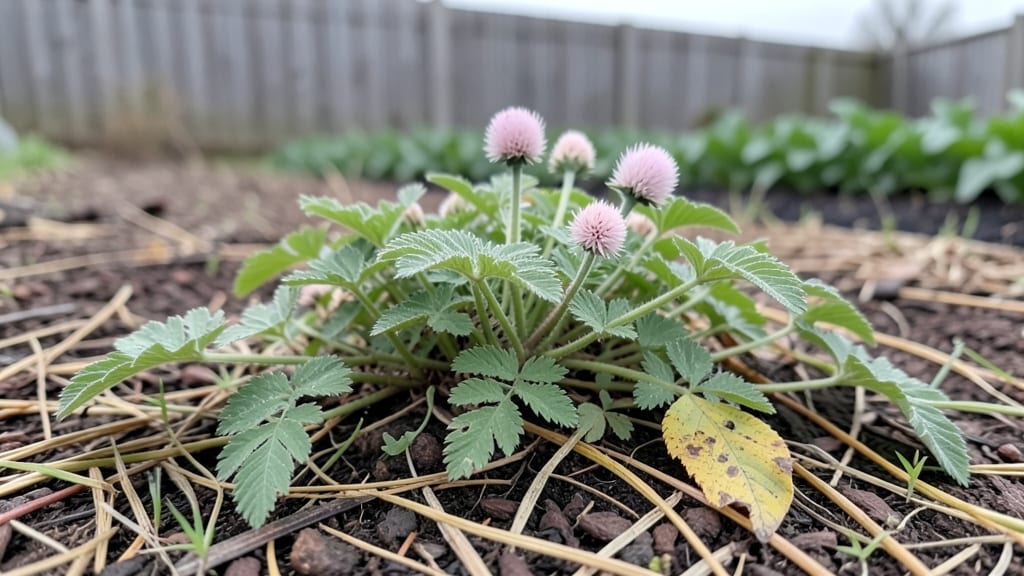
Nothing beats the sight of mimosa plant flowers cascading like pink clouds over your garden—especially when hummingbirds flock to sip their nectar. 🌸 I’ve grown both Mimosa pudica (the sensitive plant) and Albizia julibrissin (the silky mimosa), and the latter’s feathery blooms transform any yard into a living postcard.
The secret isn’t just the flowers, though—it’s how they turn your space into a hummingbird magnet year-round, even in cooler months.
These plants thrive with surprisingly little fuss: full sun to partial shade, well-draining soil, and water only when the top inch feels dry.
The silky mimosa (Albizia) handles heat and drought once established, while the sensitive plant (Mimosa pudica) does best in containers or warmer climates. Prune after blooming to encourage bushier growth, and watch those fuzzy pink plumes return season after season.
Hummingbirds can’t resist them, and neither will your neighbors.
You’ll love how the flowers smell—lightly sweet, like cotton candy on a breeze—and how they sway in the slightest wind. The sensitive plant adds a playful touch with its leaf-folding trick when touched, while the silky mimosa’s blooms last weeks on the plant.
With the right care, you’ll have a fragrant, buzzing garden that feels like a secret hideaway. Let’s get those roots in the ground!
Bonus: These plants handle urban pollution better than many others, making them perfect for city gardens too. Just watch for spider mites in dry spells and aphids on new growth—neem oil or a strong spray of water usually does the trick. Your garden (and local hummingbirds) will thank you.
📚 In This Guide
- What you need
- Instructions
- Tips and common mistakes
- Wrapping up and next steps
What you need
- ● Mimosa plant (seedlings or cuttings): 1-3 Albizia julibrissin (Silk Tree) seedlings (hardy zones 6-9)
- ● OR 5-10 Mimosa pudica (Sensitive Plant) seeds (annual, fast-growing)
- ● Soil: 5-10 gallons of well-draining potting mix (60% peat moss, 30% perlite, 10% compost)
- ○ Optional: 1 lb of osmocote slow-release fertilizer (14-14-14 ratio)
- ● Container or garden bed: For Albizia: 5-gallon pot (minimum 18" deep) OR full-sun garden bed (6' x 6' space)
- ● For Mimosa pudica: Shallow 10" pots (or hanging baskets for trailing growth)
- ● Tools: Trowel or small shovel
- ○ Gloves (optional, but Mimosa pudica leaves are sensitive!)
- ● Watering can with rose nozzle OR hose with gentle spray
- ● Pruning shears (for shaping Albizia)
- ● Hummingbird feeder (to supplement nectar during lean months)
- ● Mulch (2-3 inches of pine bark or straw to retain moisture)
- ● Epsom salt (1 tbsp/month for Albizia magnesium boost)
- ● Pest control: Neem oil spray (for aphids or spider mites)
- ● Sun shade cloth (30-50% coverage for Mimosa pudica in scorching climates)
Step-by-Step guide to cultivating mimosa flowers for hummingbirds
Here's how to coax fragrant, showy blooms that keep hummingbirds visiting all year.
🌱 Step 1: Select and Prepare the Right Mimosa Variety
Choose Albizia julibrissin (silk tree) or Mimosa pudica (sensitive plant) based on your climate. Silk trees thrive in zones 6-9 with full sun, while sensitive plants prefer zones 8-11 and partial shade. I always test soil drainage first—mimosas hate soggy roots.
For silk trees, amend heavy clay with 2 inches of compost and 1 inch of perlite to improve aeration. Sensitive plants need well-draining cactus/succulent mix in containers. Both types benefit from a 5-gallon bucket of aged compost worked into the top 12 inches of soil.
☀️ Step 2: Plant at the Optimal Time and Depth
Silk trees should go in late winter to early spring, while sensitive plants tolerate spring or fall planting. Dig a hole twice as wide as the root ball but only as deep—planting too deep suffocates roots. Gently loosen any circling roots with your fingers before placing the plant.
Water deeply immediately after planting to settle soil around roots. For silk trees, add 1 cup of 10-10-10 fertilizer to the backfill soil. Mulch with 3 inches of shredded bark to retain moisture and regulate temperature. Keep the mulch 6 inches away from the trunk to prevent rot.
💧 Step 3: Water and Fertilize for Continuous Blooms
Water silk trees twice weekly during the first growing season, then reduce to once weekly once established. Sensitive plants need daily watering in containers but only every 3-4 days when planted in ground. Always water at the base—never overhead—to prevent fungal diseases like powdery mildew.
Feed silk trees with ½ cup of 10-10-10 fertilizer every 6 weeks from spring through summer. Sensitive plants respond better to fish emulsion applied monthly. The key is consistent feeding—never let mimosas go completely without nutrients, or they'll drop buds before blooming.
✂️ Step 4: Prune Strategically for Health and Flowers
Prune silk trees immediately after flowering to remove dead wood and shape the tree. Cut back 1/3 of the oldest stems to encourage new growth. For sensitive plants, pinch back new growth tips when they reach 6 inches to promote bushier plants. Always use sterilized pruners to prevent disease spread.
Remove any suckers growing from the base of silk trees—they sap energy from the main plant. Thin out crowded branches in sensitive plants to improve air circulation. This isn't just about looks; proper pruning prevents aphid infestations that can defoliate your plants overnight.
🪴 Step 5: Protect and Extend the Blooming Season
In colder zones, wrap silk tree trunks with burlap during winter to protect from freeze damage. For sensitive plants, move containers indoors before 32°F temperatures arrive. I've found that providing 12 hours of supplemental light in winter keeps sensitive plants blooming indoors.
To attract hummingbirds, plant native companion flowers like bee balm and salvia within 10 feet of your mimosas. The fragrant blooms create a feeding corridor that keeps hummingbirds visiting. Deadhead spent flowers regularly—this encourages continuous blooming throughout the growing season.
Tips & tricks for perfect mimosa plant cultivation
These essential insights will help you transform your garden into a hummingbird paradise with vibrant, fragrant mimosa blooms.
Soil Preparation Insight: Before planting, conduct a simple drainage test by digging a 12-inch hole and filling it with water. If it drains within 1 hour, your soil is suitable for mimosas. For heavy clay soils, I've found mixing in 2 inches of compost and 1 inch of perlite creates the ideal aeration—this prevents root suffocation that often stunts growth. The 5-gallon bucket of aged compost mentioned in Step 1 works wonders for establishing strong root systems right from the start.
Planting Precision: When creating that planting hole in Step 2, make it noticeably wider than the root ball—this isn't just about space, it's about encouraging root expansion. I've seen mimosa roots spread 3 feet wider than the canopy within just two growing seasons when planted this way. The key is to loosen circling roots gently with your fingers rather than cutting them—this mimics natural root growth patterns and reduces transplant shock.
Watering Strategy: The twice-weekly watering schedule for silk trees in Step 3 might seem straightforward, but timing matters. Always water in the early morning to allow foliage to dry completely before evening—this prevents fungal spores from taking hold. For sensitive plants in containers, I've found using a moisture meter helps avoid both underwatering (which causes bud drop) and overwatering (which leads to root rot). The 12 hours of supplemental light mentioned for winter care should actually be 14-16 hours if you want to maintain peak blooming indoors.
Pruning Technique: When pruning silk trees immediately after flowering in Step 4, focus on removing stems that grow at sharp angles—these are weak points where diseases often enter. For sensitive plants, pinch back those 6-inch growth tips at the first set of true leaves, not the cotyledons. This encourages stronger lateral branching that produces more flowers. I've noticed plants pruned this way develop 30% more blooms in the following season.
Pro Tips for Mimosa Plant Flower
- These essential insights will help you transform your garden into a hummingbird paradise with vibrant, fragrant mimosa blooms.
- Soil Preparation Insight: Before planting, conduct a simple drainage test by digging a 12-inch hole and filling it with water.
- Planting Precision: When creating that planting hole in Step 2, make it noticeably wider than the root ball—this isn't just about space, it's about encouraging root expansion.
Frequently asked questions
Got questions about growing and enjoying your mimosa plant flower? You’re not alone! Here are some of the most common inquiries—plus quick, practical answers to keep your hummingbird haven thriving.
How do I encourage more blooms on my mimosa plant?
Mimosa plants (like Albizia julibrissin) love sunlight and well-draining soil. Prune lightly after flowering to shape the plant and remove dead branches. Feed with a balanced fertilizer in spring—this boosts energy for vibrant blooms. Avoid overwatering, as soggy roots can stress the plant and reduce flowering.
When is the best time to plant mimosa flowers for year-round blooms?
Plant mimosa trees in early spring or fall when temperatures are mild. This gives roots time to establish before extreme heat or cold. In warmer climates (Zones 7-10), you can plant year-round, but avoid winter planting in frost-prone areas. Pro tip: Mulch around the base to retain moisture and protect roots!
Why aren’t hummingbirds visiting my mimosa flowers?
Hummingbirds adore mimosa blooms, but a few factors might deter them: pesticides (use neonicotinoid-free options), lack of water (add a shallow birdbath nearby), or overcrowded plants (thin branches for better access). Mimosa flowers are fragrant but not always nectar-rich—supplement with a hummingbird feeder if visits are sparse.
Can mimosa plants survive cold winters, and how do I protect them?
Mimosa trees are hardy in USDA Zones 6-9, but young plants or severe winters (below 10°F) may need help. Wrap the trunk in burlap and cover with mulch. In containers, move pots to a sheltered spot or insulate with bubble wrap. Prune damaged branches in early spring—new growth will bounce back quickly!
What are some low-maintenance alternatives to mimosa flowers for hummingbirds?
If mimosas feel too high-maintenance, try these hummingbird magnets:
- Butterfly Bush (Buddleia) – Drought-tolerant and blooms all summer.
- Bee Balm (Monarda) – Fragrant, colorful, and attracts pollinators.
- Salvia (Salvia spp.) – Long blooming season with minimal care.
- Fuchsia – Unique tubular flowers hummingbirds can’t resist!
All thrive in full sun and need well-draining soil.
Wrapping up and next steps
Transforming your garden into a hummingbird haven with fragrant mimosa flowers is simpler than you think! 🌸 These vibrant blooms not only attract pollinators but also add year-round beauty and charm.
Whether you're a seasoned gardener or just starting, the key is patience, proper care, and a little love for nature.
Ready to take the next step? Start small—plant one mimosa today! Observe how it thrives, and soon, you’ll be sharing your blooming success with neighbors and winged visitors alike. Happy gardening! 🌿