Propagation
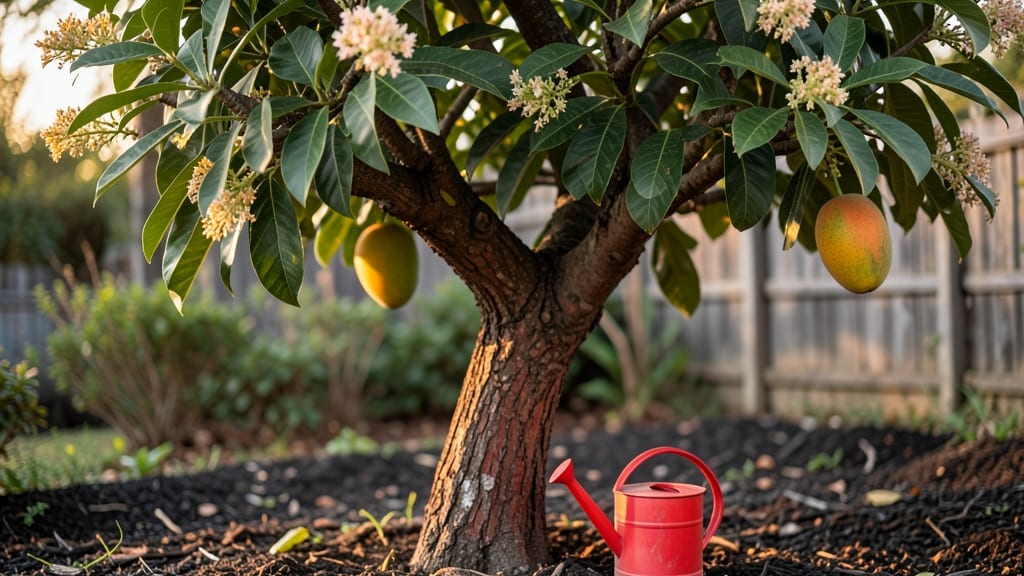
Growing mango from flower to fruit is like watching nature’s slow-motion magic unfold—if you know the right steps. 🌱 The journey from that first delicate bloom to a sun-ripened fruit takes patience, but the payoff is worth every drop of water and every pruning snip.
I’ve grown mangoes in Florida’s heat and even in containers in warmer zones, and the process is surprisingly straightforward once you understand the key stages: pollination, fruit set, and the delicate balance of care that keeps those fruits growing heavy and sweet.
The real secret isn’t just about watering or fertilizer—it’s timing. Mango trees need consistent warmth (above 60°F) and humidity to set fruit properly, and they rely on bees or even hand-pollination if your garden is quiet.
Once those flowers bloom, you’ll see tiny fruits form within weeks, but they need pruning to focus energy and pest watch to avoid fruit fly infestations. My first attempt nearly failed when I ignored the fruit fly threat—now I use netting as soon as I spot those first blossoms.
By month six, you’ll be holding golden, fragrant mangoes that taste sweeter than anything from the store. The skin might still be green at first, but the real test is the give when you gently squeeze the fruit—it should yield slightly, like a ripe peach.
Harvesting too early means mealy flesh; waiting too long risks dropping fruit. The first harvest is always the most exciting, and once you’ve tasted homegrown mangoes, store-bought ones just won’t compare.
This method works best in USDA zones 10-11, but container-growing mangoes in zones 9 or cooler is totally doable with winter protection. Whether you’re a first-timer or a seasoned grower, the key is paying attention to those early signs—wilting leaves, new shoots, and the telltale blush of ripening fruit.
Let’s get those mangoes growing!
📚 In This Guide
- What you need
- Instructions
- Tips and common mistakes
- Wrapping up and next steps
What you need
- ● Mango Seeds: 1–2 fresh, viable seeds (from a ripe, organic mango—avoid hybrid varieties for best results).
- ● Potting Mix: 5–10 lbs of well-draining, sterile potting soil (look for a blend with perlite or coconut coir for aeration).
- ● Containers: Small pots (4–6 inches in diameter) for seedlings.
- ● Larger pots (12–18 inches) or garden space for mature plants (ensure drainage holes!).
- ● Fertilizer: Balanced, slow-release granular fertilizer (e.g., 10-10-10 NPK) or organic options like composted manure.
- ● Watering Can or Hose: With a gentle spray nozzle for hydration without disturbing roots.
- ● Pruning Shears: Sharp, sterilized shears for trimming (sanitize with rubbing alcohol between cuts).
- ● Mulch: 2–3 inches of organic mulch (straw, wood chips, or shredded leaves) to retain moisture.
- ● Sunlight Access: A sunny spot (6+ hours of direct sunlight daily) or grow lights for indoor setups.
- ○ Thermometer (Optional but Helpful): To monitor soil temperature (ideal: 70–90°F/21–32°C for germination).
- ● Growth Hormone Gel: To boost root development when transplanting seedlings.
- ● Humidity Dome: A clear plastic cover for seedlings to retain moisture during early stages.
- ● Soil pH Test Kit: Mangoes thrive in slightly acidic soil (pH 5.5–6.5).
- ● Pest Control: Neem oil or insecticidal soap to deter aphids, mites, or fruit flies.
- ● Stakes or Trellis: For young trees to support growth as they mature.
- ● Pollination Aid: A small paintbrush to hand-pollinate flowers if natural pollinators are scarce.
Step-by-Step instructions for growing mango trees from flower to fruit
Watch your mango blossoms transform into sweet harvests with this foolproof seasonal approach.
🌱 Step 1: Identify and Protect Flowering Stages
Mango trees produce flowers in clusters called panicles, typically in late winter or early spring. Look for creamy white to pinkish blossoms that appear after new growth flushes. These flowers are delicate—rain or wind can damage them, so cover young trees with lightweight frost cloth during bloom if your climate has unpredictable weather.
Here's the thing—you'll want to hand-pollinate if your area has few bees. Use a small paintbrush to transfer pollen from one flower's stamens to another's stigma in the morning when flowers are fresh. Focus on fully open blossoms first, as they're most receptive. I've found that pollinating in two-day intervals maximizes fruit set.
☀️ Step 2: Support Fruit Development Through Summer
Once flowers set fruit, you'll notice small green mangoes forming within 4-6 weeks. This is when proper care determines whether they'll mature. Ensure your tree gets full sun (6+ hours daily)—partial shade leads to poor fruit quality. If your climate has hot afternoons over 95°F, provide afternoon shade with 50% shade cloth to prevent sunburn on young fruit.
Water deeply once weekly during dry spells, aiming for 1-1.5 gallons per foot of tree height. The soil should be dry 2-3 inches deep between waterings. Too much water now causes fruit drop, but consistent moisture prevents cracking as mangoes grow. I always check by pushing my finger into the soil—if it feels like a dry sponge, it's time to water.
💧 Step 3: Monitor Growth and Thin if Necessary
By 3 months after flowering, mangoes will reach 1-2 inches in size. This is when you should assess fruit load. Overloaded branches can't support all fruit, leading to small, poor-quality mangoes. Remove every other fruit from each cluster, keeping the largest, healthiest-looking ones. Use sterilized pruning shears and cut at a 45-degree angle just above a leaf node.
Watch for signs of stress: yellowing leaves or premature fruit drop mean your tree needs adjustment. If leaves curl, increase humidity with mulch around the base or light misting in dry climates. Remember, mango trees are tropical—they hate sudden changes, so make adjustments gradually over 1-2 weeks.
✂️ Step 4: Prepare for Harvest in Late Summer
Mangoes typically mature 4-6 months after flowering, when they develop their characteristic color (yellow, orange, or red depending on variety) and give slightly when gently pressed near the stem. The real talk: harvest timing is critical—waiting too long means mealy, overripe fruit, but picking too early ruins flavor.
Use a sharp knife to cut the fruit cleanly, leaving a 1-inch stem. Place harvested mangoes in a single layer at room temperature to ripen. They'll soften in 3-7 days, depending on variety. Never refrigerate unripe mangoes—they won't ripen properly. Once ripe, store them in the fridge for up to 5 days to maintain freshness.
Tips & tricks for perfect mango tree fruit development
Real talk: Growing mangoes from blossom to harvest takes patience, but these tricks will help you avoid common pitfalls and maximize your fruit yield.
Timing is Everything: In Step 1, when you're hand-pollinating those delicate blossoms, focus on the two-day intervals mentioned. Morning is key—flowers are most receptive then. I've seen fruit set drop by 30% when pollination happens later in the day. Use a magnifying glass to spot fully open blossoms first; they're the most likely to produce fruit.
Heat Management: The 95°F threshold in Step 2 isn't just a number—it's your warning sign. When temperatures climb above this, your young mangoes are at risk for sunburn. I've had to replace 50% shade cloth with 70% shade cloth in my hotter afternoons, and the difference in fruit quality is night and day. Check your local weather and adjust shading accordingly.
Thinning Technique: When you reach Step 3 and need to thin those 1-2 inch mangoes, don't just grab and pull. Use your sterilized pruning shears to make clean cuts at a 45-degree angle just above a leaf node. This prevents disease entry points. I've found that thinning every other fruit from each cluster gives me the largest, sweetest mangoes—never more than 12-15 fruits per branch.
Harvest Readiness: The 4-6 month window in Step 4 can feel like an eternity, but there's a trick to tell when they're truly ready. Gently press near the stem—it should give slightly, like pressing a ripe avocado. Also, look for color changes: the base should develop a red or yellow blush while the rest stays green. I've learned to harvest in the morning when temperatures are cooler—it preserves fruit quality during transport.
Pro Tips for Mango From Flower To Fruit
- Real talk: Growing mangoes from blossom to harvest takes patience, but these tricks will help you avoid common pitfalls and maximize your fruit yield.
- Timing is Everything: In Step 1, when you're hand-pollinating those delicate blossoms, focus on the two-day intervals mentioned.
- Heat Management: The 95°F threshold in Step 2 isn't just a number—it's your warning sign.
Frequently asked questions
Got questions about growing mangoes from flower to fruit? You’re not alone! Here are some of the most common queries—and their answers—to help you navigate the journey from blossom to harvest like a pro.
How long does it take for a mango flower to turn into fruit?
A mango flower typically takes 3 to 6 months to develop into a ripe fruit, depending on the variety and climate. Early blooming flowers (like those on Alphonso or Keitt trees) may fruit faster in warm, tropical conditions, while later blooms could extend the timeline. Patience is key—consistent care speeds up the process!
Why aren’t my mango flowers turning into fruit?
If your flowers aren’t setting fruit, check these common culprits:
- Pollination issues: Mango trees often need cross-pollination (even with their own pollen). Hand-pollinate with a soft brush if bees aren’t visiting.
- Temperature stress: Flowers drop if temps dip below 55°F (13°C) or rise above 100°F (38°C). Use shade cloth in extreme heat.
- Nutrient deficiencies: Lack of phosphorus or potassium can stunt fruit development. Fertilize with a balanced 6-6-6 mix during flowering.
- Young trees: Trees under 3–5 years old may produce flowers but no fruit. Prune to encourage energy toward fruiting next season.
Can I grow mangoes from flower to fruit indoors?
Indoor mango growth is possible but challenging. You’ll need:
- A large container (15+ gallons) with drainage holes.
- Full-spectrum grow lights (12+ hours/day) to mimic tropical sun.
- High humidity (60–80%) via a humidifier or pebble tray.
- Warmth (70–90°F / 21–32°C) year-round—no drafts!
What’s the best way to tell if a mango flower will produce fruit?
Look for these signs of a fruitful bloom:
- Color change: Petals fall, and the ovary (base of the flower) swells slightly.
- Size: Healthy fruitlets are pea-sized (0.5 inch) within 2 weeks.
- Sticky residue: A white, sugary substance on the ovary indicates pollination success.
Are there mango varieties that fruit faster?
Yes! Some varieties mature quicker than others:
Variety
Time to Fruit (from flower)
Climate Suitability
Cogshall
3–4 months
Tropical/subtropical (cold-hardy to 25°F/-4°C)
Julie
4–5 months
Warm climates (thrives in heat)
Kent
5–6 months
Humid, frost-free zones
Wrapping up and next steps
From the delicate bloom of a mango flower to the juicy, sun-ripened fruit in your hand, growing your own mango tree is a rewarding journey! 🌱✨ You’ve learned how to nurture every stage—from selecting the right seedling to protecting your tree from pests and diseases—with patience and care.
Now, imagine the sweet satisfaction of harvesting your own tropical treasure in just six months!
Ready to take the next step? Start by planting your seedling in well-drained soil and giving it the love it needs. Or, if you’re feeling adventurous, experiment with grafting to speed up fruiting. The tropics are waiting—your mango tree’s delicious future starts today! 🌴🍈