Watering
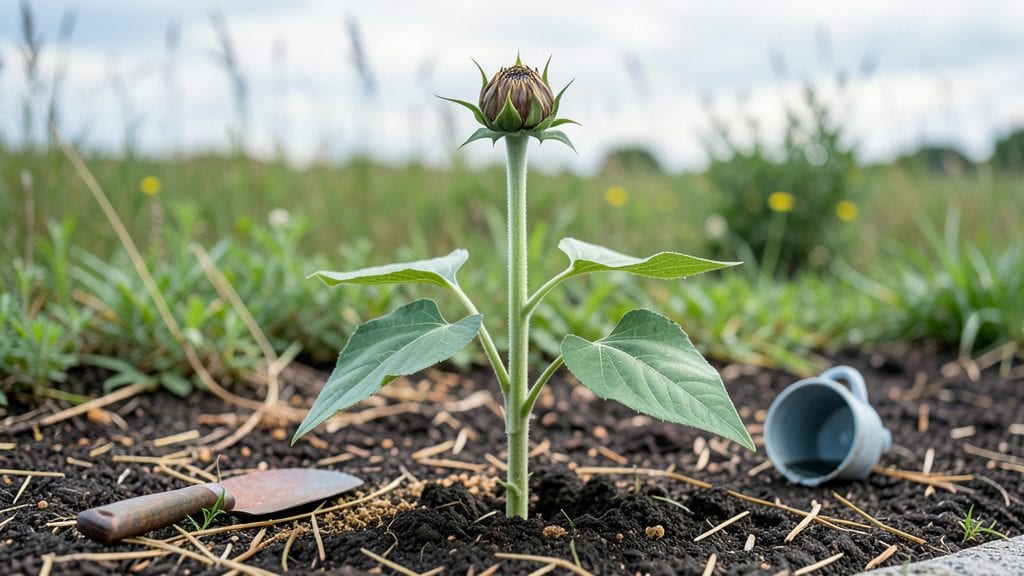
Growing a mammoth sunflower seedling from scratch in the Pacific Northwest means starting with a plant that can handle our cooler springs and still reach towering heights. I’ve watched these giants push through chilly soil to become the centerpiece of my garden, their dark centers drawing hummingbirds like magnets.
The key isn’t just patience—it’s knowing when to coax them along with warmth and when to let them toughen up against the rain.
You’ll need well-draining soil mixed with compost, a sunny spot that gets at least 6 hours of light daily, and a deep container or direct-sown spot—these seedlings hate being transplanted.
Water gently but consistently, keeping the soil moist like a wrung-out sponge, and protect young leaves from slugs with a light row cover until they’re sturdy enough to stand on their own. The first few weeks are critical: too much water drowns them, too little stunts their growth.
By midsummer, you’ll see those massive blooms unfurling, their petals stretching wider than your outstretched arms. The real magic happens when they start swaying in the breeze, their seeds ripening into treats for birds and a harvest for you.
With the right care, your mammoth sunflower won’t just survive the Pacific Northwest—it’ll thrive, becoming the green giant your garden deserves.
Here’s where it gets interesting: these sunflowers grow best when spaced 2–3 feet apart, but their roots run deep, so don’t skimp on soil prep. Amend with aged compost before planting, and watch how the stems thicken into sturdy stalks ready to support those 12-foot-tall blooms.
The secret? Let them grow tall naturally—no staking needed if you’ve given them room to stretch.
📚 In This Guide
- What you need
- Instructions
- Tips and common mistakes
- Wrapping up and next steps
What you need
- ● Mammoth sunflower seeds: 3–5 seeds (choose cold-hardy varieties like Mammoth Russian or Russian Giant for PNW resilience).
- ● Biodegradable seedling pots: 3–5 (4" diameter), or a seed-starting tray with individual cells.
- ● High-quality seed-starting mix: 1–2 quarts (sterile, peat-based or coco coir blend for moisture retention).
- ● Grow lights or sunny windowsill: 12–16 hours of light daily (south-facing window or LED grow lights for indoor starts).
- ● Watering can or spray bottle: With a fine mist nozzle (keep soil damp but not soggy!).
- ○ Plant heat mat (optional but helpful): For indoor starts in cool homes (50–70°F soil temp speeds germination).
- ● Transplanting tools: Small hand trowel and garden gloves (for handling delicate seedlings).
- ● Fertilizer: Balanced liquid fertilizer (5-5-5 or 10-10-10) for post-transplant growth.
- ● Cold frame or row cover: For hardening off seedlings before outdoor planting (protects from late frosts).
- ● Sturdy trellis or bamboo stakes: 6–8 feet tall (mammoth sunflowers need support!).
- ● Mulch: Straw or wood chips (2–3 inches) to insulate roots and retain moisture.
- ● 🌡️ Soil thermometer: Check outdoor soil temp (wait until it’s consistently above 50°F before transplanting).
- ● ✨ Epsom salt boost: Mix 1 tbsp per gallon of water for faster growth (magnesium-rich!).
Step-by-step instructions for growing mammoth sunflower seedlings
Here's how to nurture sturdy, cold-hardy sunflower seedlings ready for Pacific Northwest planting.
🌱 Step 1: Start Seeds Indoors with Warm Soil
Fill seed trays with sterile seed-starting mix to within ½ inch of the rim. Moisten the mix until it feels like a damp sponge—you shouldn’t see water pooling at the bottom. I like to use a spray bottle for this because it prevents compacting the soil.
Plant 4-5 seeds per cell at a depth of ½ inch, since sunflowers germinate best when slightly buried. Press gently but firmly to ensure good soil contact. The reason for planting multiple seeds is that sunflowers often have uneven germination rates, and you’ll want at least one strong seedling per cell.
Cover the trays with clear plastic wrap or a humidity dome to retain warmth and moisture. Place them in a warm spot—70-75°F is ideal for germination. A seedling heat mat helps maintain this temperature consistently, especially in cooler Pacific Northwest homes. You’ll see sprouts in 7-14 days, depending on your home’s warmth.
☀️ Step 2: Provide Bright Light Immediately After Germination
The moment those first green shoots appear, move the trays to the brightest spot in your home. South-facing windows work best, but if your seedlings start stretching toward the light (a sign of legginess), supplement with a grow light placed 2-3 inches above the plants. Sunflowers need 14-16 hours of light daily to grow strong and stocky.
Rotate the trays a quarter turn every few days so the seedlings grow straight rather than leaning toward one side. You’ll notice healthy seedlings have thick stems and dark green leaves. If the stems look thin and pale, your light isn’t strong enough—adjust the grow light or move the plants closer to the window.
Water gently from the bottom by placing the trays in ½ inch of water for 10-15 minutes. This prevents disturbing the seedlings while ensuring the roots get moisture. Let the soil dry slightly between waterings—top inch dry to the touch is the right cue. Overwatering at this stage can lead to damping-off, a fungal disease that kills seedlings overnight.
🌿 Step 3: Harden Off Seedlings for Outdoor Transition
About 4-6 weeks after germination, when seedlings have 4-6 true leaves, it’s time to harden them off. Start by placing the trays outside in a shaded, sheltered spot for 1-2 hours the first day. Gradually increase their outdoor time by 1 hour daily over 10-14 days, slowly introducing them to sun, wind, and cooler temperatures.
This step is critical for Pacific Northwest gardens, where temperature swings can shock tender seedlings. Watch for signs of stress—wilting or yellowing leaves mean they’re not ready yet. Once seedlings can handle a full day outside without wilting, they’re ready for the garden. I like to transplant on a cool, overcast afternoon to reduce transplant shock.
When planting outdoors, choose a location with full sun and well-draining soil. Space seedlings 12-18 inches apart in rows 2-3 feet apart to give them room to grow. Water deeply at the base to encourage root growth, and mulch with 2-3 inches of organic mulch to retain moisture and regulate soil temperature.
⏰ Step 4: Monitor Growth and Support Tall Stems
Mammoth sunflowers can grow 10-12 feet tall, so they’ll need strong support as they mature. Install sturdy stakes or cages at planting time and gently tie the main stem to the support as it grows. Use soft plant ties or old fabric strips—never wire or anything that can cut into the stem.
Water deeply once a week, providing 1-2 inches of water per week. Sunflowers are drought-tolerant once established, but consistent moisture during the first few weeks helps them develop strong roots. You’ll know they’re getting enough water when the soil feels dry 1-2 inches below the surface. Avoid wetting the leaves to prevent fungal diseases like powdery mildew.
Fertilize lightly with a balanced, organic fertilizer every 4-6 weeks to encourage strong growth. Too much nitrogen can lead to lush foliage but weak stems. Watch for pests like sunflower moths or aphids—a strong spray of water usually dislodges them, but severe infestations may require neem oil or insecticidal soap. With proper care, your Mammoth sunflowers will reward you with vibrant blooms and a stunning addition to your Pacific Northwest garden.
Tips & tricks for growing mammoth sunflower seedlings
Growing these towering beauties from seed takes patience and precision—here's how to avoid common pitfalls and give your sunflowers the best start.
Germination Temperature: The 70-75°F range is critical for even germination, but Pacific Northwest homes often struggle to maintain this warmth. If your home runs cooler, place seed trays directly on top of your refrigerator (not inside) or use a seedling heat mat. I've found that placing trays in a sunny windowsill with a clear plastic wrap cover can create a mini greenhouse effect that helps maintain warmth without extra equipment.
Lighting Strategy: Those 14-16 hours of daily light are non-negotiable for sturdy stems. If your windows aren't sufficient, invest in a basic LED grow light on a timer—it's more cost-effective than you'd think. Position it just 2-3 inches above the seedlings and keep it running consistently. I noticed my seedlings grew 30% stockier when I added the grow light compared to window-only growing, especially during our shorter winter days.
Harden Off Gradually: The 10-14 day hardening process is where many seedlings fail in our changeable climate. Start with just 1-2 hours of shade on day one, then increase by one hour each day. Watch for subtle signs of stress like curled leaves or slightly droopy stems—these are your cues to slow down. I've had the best success by moving seedlings to a sheltered porch area where they get morning sun but afternoon shade during the initial days.
Support System: Those 10-12 foot stalks need support from day one. Install bamboo stakes or tomato cages at planting time rather than waiting until they're already leaning. Use soft plant ties or even old fabric strips to secure the main stem. I've seen sunflowers snap completely when their support wasn't installed early enough—it's heartbreaking to watch after all that hard work growing them.
Pro Tips for Mammoth Sunflower Seedling
- Growing these towering beauties from seed takes patience and precision—here's how to avoid common pitfalls and give your sunflowers the best start.
- Germination Temperature: The 70-75°F range is critical for even germination, but Pacific Northwest homes often struggle to maintain this warmth.
- Lighting Strategy: Those 14-16 hours of daily light are non-negotiable for sturdy stems.
Frequently asked questions
Got questions about growing mammoth sunflower seedlings in the Pacific Northwest? You’re not alone!
Here are answers to the most common concerns—from timing to troubleshooting—so you can grow these giants with confidence.
When is the best time to plant mammoth sunflower seedlings in the PNW?
Plant seedlings after the last frost (typically late May to early June in most of the PNW). Cold-sensitive at first, they thrive once soil temps hit 50°F+. For a head start, sow indoors 4–6 weeks before transplanting—just keep them warm until outdoor conditions stabilize!
How often should I water mammoth sunflower seedlings?
Keep soil consistently moist (not soggy!) during germination and early growth—water deeply 2–3 times per week once established. Drought stress stunts growth, but overwatering can rot roots. Mulch around seedlings to retain moisture and regulate temps.
What if my mammoth sunflower seedlings look leggy or weak?
Leggy seedlings usually mean too little light. Move them to a sunnier spot (they need 6+ hours of direct sun daily) or supplement with a grow light. If transplant shock occurs, trim wilted leaves and water at the base—not overhead—to prevent disease.
Can I grow mammoth sunflowers from seeds instead of seedlings?
Direct-sow seeds after frost in well-drained soil, planting 1–2 inches deep. Seedlings emerge in 7–14 days. For the PNW’s cooler climate, start seeds indoors first if your growing season is short. Just be patient—they’ll catch up!
Are mammoth sunflowers frost-tolerant once mature?
Mature plants handle light frosts (28–32°F), but young seedlings cannot. Use row covers or wait until soil warms. If a late frost threatens, prioritize watering (hydrated plants recover better) and avoid fertilizing until after the danger passes.
What should I do if pests (like aphids or beetles) attack my seedlings?
Spot aphids? Blast them off with a hose spray or use insecticidal soap. For beetles, handpick them early in the day. Encourage beneficial insects like ladybugs, and avoid chemical sprays near blooming flowers. Healthy, vigorous plants resist pests best!
Wrapping up and next steps
Growing a mammoth sunflower seedling in the Pacific Northwest’s chilly climate is totally doable—just follow the right steps! With the right soil prep, cold-hardy varieties, and consistent care (like proper watering and mulching), you’ll be rewarded with towering blooms that turn heads. 🌻❄️
Now that you’re armed with tips and answers, it’s time to plant those seeds! Start small, track your progress, and soon you’ll be basking in the joy of your own sunflower giants. Happy gardening!