
Tools
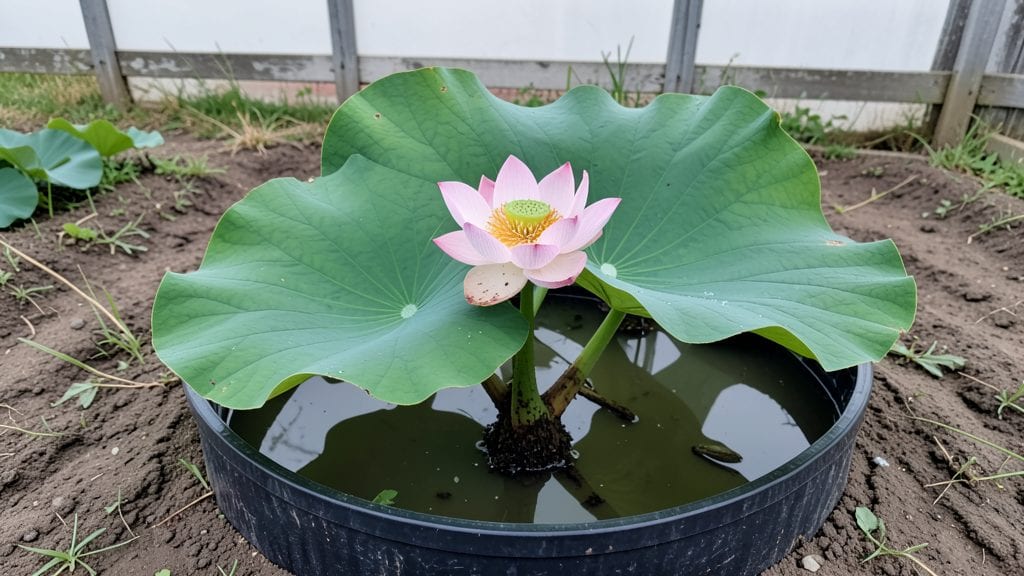
A lotus flower in garden transforms any space into a serene sanctuary where tropical beauty meets timeless grace. 🌿 I first spotted these majestic blooms in a quiet Japanese garden, and their velvety petals immediately made me dream of bringing that same magic home—even in my modest backyard.
The key lies in mimicking their natural habitat: calm water, gentle sunlight, and just enough space to stretch their roots.
You don’t need a sprawling pond—containers, small water features, or even a repurposed bathtub can work wonders. Pair them with water lilies for layered texture or add irises and cattails for a wild, natural look.
The blooms arrive in summer, unfolding like clockwork every morning, and their fragrance lingers in the warm air long after the petals close.
What you’ll love most is how effortlessly they anchor your garden’s aesthetic. A single lotus becomes a focal point, while clusters create a lush, almost secretive atmosphere.
With minimal maintenance—just occasional fertilizer and debris removal—they reward you with drama that lasts for weeks. The petals even dry beautifully for winter arrangements.
Perfect for Zen-inspired gardens, tropical retreats, or even a simple patio corner. Whether you’re designing a full water garden or just adding one striking plant, lotuses bring a sense of calm and luxury that no other flower can match. Let’s make your garden their new home.
📚 In This Guide
- What you need
- Instructions
- Tips and common mistakes
- Wrapping up and next steps
What you need
- ● Lotus plants: Seeds (1–2 packets, ~50–100 seeds per packet)
- ● OR potted tubers (3–5 tubers, 2–3 inches in diameter)
- ● OR mature plants (1–3, depending on desired coverage)
- ● Container or pond: For pond lotus: A water feature with 12–18 inches of water depth (minimum 3 ft. diameter for one plant).
- ● For terrestrial lotus: Large, shallow containers (12–18 inches deep) with drainage holes OR garden beds in full sun with moist, well-draining soil.
- ● Soil: Pond lotus: Gravel or sand (to anchor tubers) + aquatic plant fertilizer (e.g., Osmocote Plus).
- ● Terrestrial lotus: Loamy, nutrient-rich soil with 50% organic matter (compost or peat moss).
- ● Water source: Dechlorinated water (if using tap water; let sit 24–48 hours OR use a water conditioner like Seachem Prime).
- ● Garden hose with adjustable nozzle (for watering terrestrial lotus).
- ● Tools: Garden trowel or transplant spade
- ● Gloves (for handling tubers/seeds)
- ● Measuring tape (to mark planting depth)
- ● Decorative stones or pebbles (for pond edges or terrestrial beds).
- ● Floating plant fertilizer (e.g., Miracle-Gro Shake ’n Feed for aquatic plants).
- ● Water feature pump (for oxygenation and movement in ponds).
- ● Mulch (e.g., cypress mulch) to retain moisture in terrestrial beds.
- ● Lotus-specific food (e.g., Aquascape Fertilizer Tabs for pond varieties).
Step-by-Step guide to planting lotus flowers in your garden
Here's how to create a serene, water-loving haven where these iconic blooms will flourish.
🪴 Step 1: Prepare the Perfect Water Garden Space
Lotus flowers need at least 18-24 inches of water depth to thrive, so choose a pond, large container, or natural water feature that meets this requirement. I like to use a pre-formed pond liner (like those made from EPDM rubber) for clean edges and easy installation. Clear any existing vegetation from the planting area—lotuses spread aggressively and will outcompete other aquatic plants.
For containers, select a wide, shallow basin (at least 3 feet in diameter) with a drainage plug or overflow system. Place it in a spot that gets full sun for 6-8 hours daily—lotuses are sun-worshippers and won't bloom without it. If your pond has fish, add a protective barrier (like a mesh cage) around the rhizomes to prevent nibbling, as fish love to snack on young shoots.
🌱 Step 2: Plant Rhizomes at the Right Depth and Time
Plant hardy lotus rhizomes in early spring, just as new shoots begin to emerge. The rhizomes should be placed 6-12 inches below the water's surface, depending on the variety—dwarf lotuses need 6 inches, while standard types prefer 10-12 inches. I like to bury them in 2-3 inches of aquatic soil (like pond mud or a mix of clay and sand) to anchor them securely.
Space rhizomes 12-18 inches apart—this gives them room to spread their roots without crowding. If planting in containers, use one rhizome per 3-4 gallons of water to prevent overcrowding. Press the soil gently around the rhizome to remove air pockets, then let the water level rise naturally. Avoid submerging the rhizome completely until new growth appears—this helps prevent rot.
☀️ Step 3: Provide Sun, Nutrients, and Seasonal Care
Lotus flowers are heavy feeders, so add a slow-release aquatic plant fertilizer (like tabulated fish emulsion or pond plant tablets) in early spring and again in mid-summer. I like to use granular fertilizer placed in mesh bags near the rhizomes to prevent it from floating away. Avoid liquid fertilizers—they can cloud the water and harm delicate blooms.
During the growing season, maintain water temperatures between 65-85°F—lotuses struggle in colder water. If your pond freezes in winter, drain it slightly to prevent ice damage to rhizomes. In zones 8 and below, dig up rhizomes in fall, store them in a cool, moist container (like a bucket of sand), and replant in spring when temperatures rise above 50°F. This prevents winterkill and ensures a stronger bloom cycle.
✂️ Step 4: Prune and Maintain for Healthy Blooms
After the first frost date, cut back dead foliage to 2 inches above the water line to keep the pond tidy and reduce overwintering pests. I like to use clean, sharp pruners to avoid tearing the stems. Remove any yellowed or diseased leaves immediately—lotuses are prone to powdery mildew in humid climates, so good airflow is key.
Divide crowded rhizomes every 3-4 years in early spring to maintain vigor. Simply dig up the clumps, separate them into 3-5 inch sections (each with at least one bud eye), and replant. This prevents overcrowding and ensures larger, more abundant blooms. Watch for beetle damage (like lotus leaf miners)—if you spot holes in leaves, treat with neem oil to protect your plants naturally.
Tips & tricks for perfect lotus flower planting
Here's what I've learned after years of growing these stunning aquatic beauties—simple secrets that make all the difference.
Sunlight Secret: Those 6-8 hours of daily sun are non-negotiable for blooms, but morning sun (before 10am) is even better. Lotus leaves burn easily in intense afternoon sun, especially in hot climates. I've noticed my plants produce more blooms when they get bright morning light and gentle afternoon shade—try positioning your container slightly under a tree for natural protection.
Rhizome Placement: In Step 2, when burying your rhizomes, press the aquatic soil firmly around them to eliminate air pockets—this prevents rot. I've found that adding a thin layer of pond mud on top helps weigh down the rhizome naturally. For containers, place a small rock on top of each rhizome until new shoots appear; this keeps them from floating up during water level changes.
Winter Protection: The 50°F threshold for replanting in spring is your best guide, but don't wait until the last minute. I've had rhizomes survive winter in containers when I moved them to an unheated garage at 40°F—just keep them in a shallow tray of moist sand. For in-ground ponds, consider adding a floating pond heater (set to 50°F) during hard freezes to protect your investment.
Fertilizer Timing: The early spring and mid-summer feeding schedule works perfectly, but I've found lotuses respond even better to a third feeding in late summer. Use half-strength fertilizer at this time to avoid shocking the plants as they prepare for winter. Place fertilizer bags near the edges where new shoots emerge—they'll spread the nutrients naturally as they grow.
Pro Tips for Lotus Flower In Garden
- Here's what I've learned after years of growing these stunning aquatic beauties—simple secrets that make all the difference.
- Sunlight Secret: Those 6-8 hours of daily sun are non-negotiable for blooms, but morning sun (before 10am) is even better.
- Rhizome Placement: In Step 2, when burying your rhizomes, press the aquatic soil firmly around them to eliminate air pockets—this prevents rot.
Frequently asked questions
Got questions about growing lotus flowers in your garden? You’re not alone—these stunning blooms require a little extra care! Here are some of the most common queries, answered for you.
Can lotus flowers grow in a regular garden pond, or do they need a special setup?
Lotus flowers thrive in shallow water (1–3 feet deep) but don’t need a fancy pond. A simple container (like a large pot with drainage holes) or a preformed pond liner works perfectly. Just ensure the roots stay submerged while the leaves and blooms rise above the water’s surface. Pro tip: Add aquatic soil or a mix of sand and compost for best results!
How long does it take for a lotus flower to bloom after planting?
Patience is key! Hardy lotus tubers may take 1–2 years to bloom, while tropical varieties can sprout flowers in 6–12 months under ideal conditions. Factors like sunlight (6+ hours daily), water temperature (70–85°F), and nutrient-rich soil speed up the process. Check your lotus type—some even reward you with blooms in their first season!
What’s the best way to overwinter lotus flowers in cold climates?
Lotus flowers aren’t frost-tolerant, so in zones below 7, dig up tubers before the first freeze. Store them in damp peat moss or sand in a cool, dark place (40–50°F). In warmer climates, mulch the pond edges to insulate roots. Skip this step if you’re growing tropical lotuses—they’ll die back but regrow in spring!
Are there low-maintenance alternatives to lotus flowers for small ponds?
Try water lilies (easier to grow), blue flag iris (tolerates shallower water), or canna lilies (dramatic foliage, less fussy). For floating options, water hyacinth or water lettuce add texture with minimal effort. Just ensure they fit your pond’s size and sunlight conditions!
Why are my lotus leaves turning yellow, and how do I fix it?
Yellowing leaves often signal nutrient deficiency (add aquatic fertilizer) or root rot (from stagnant water). Check water depth—roots need oxygen! Overcrowding can also cause stress. Trim damaged leaves, adjust water flow, and avoid over-fertilizing. Quick fix: A gentle pond aerator can work wonders!
Can I grow lotus flowers in a container indoors?
Indoor lotuses are possible but tricky! You’ll need a deep container (12+ inches), a grow light (12+ hours/day), and a water pump to mimic pond conditions. Keep humidity high and maintain warm water temps (75–85°F). Tropical varieties like ‘Mauritius’ adapt better than hardy types. Expect slower growth—outdoor ponds are ideal!
Wrapping up and next steps
Incorporating a lotus flower in your garden isn’t just about adding beauty—it’s about creating a serene, symbolic space that thrives with minimal fuss. 🌸 Whether you’re drawn to their spiritual significance, striking blooms, or low-maintenance charm, these aquatic gems bring a touch of tropical elegance to any setting.
Start small, experiment with varieties, and let your garden reflect the peace and grace of the lotus.
Ready to dive in? Pick your spot, gather your supplies, and watch your garden transform! 🌱