Blooming
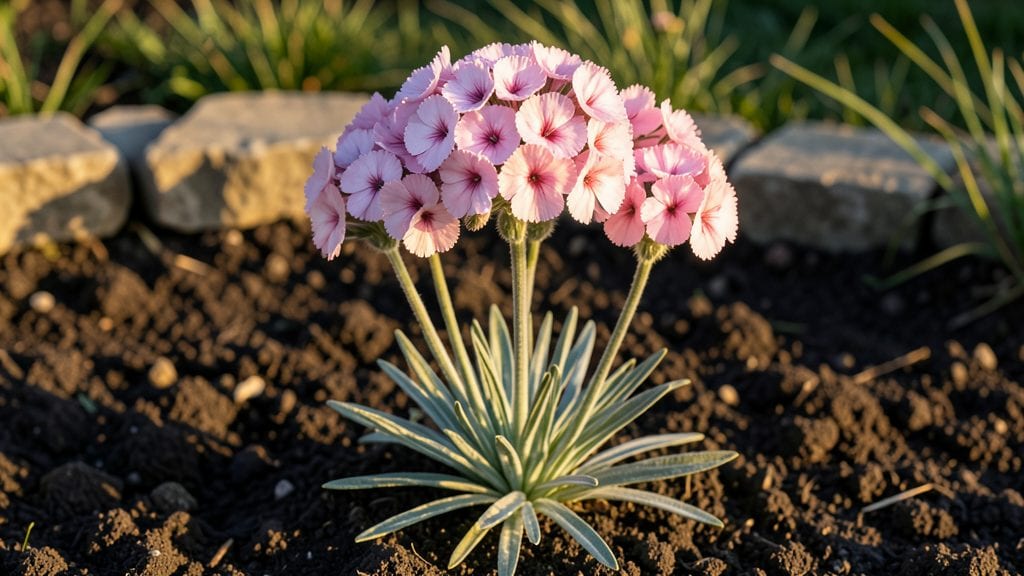
Long-stem pink flowers transform any garden into a romantic retreat—imagine cutting stems that last two weeks in a vase, their petals still velvety fresh. 🌸 I’ve grown peonies, dahlias, and snapdragons for years, and the secret to those long, sturdy stems isn’t luck—it’s a mix of sun, support, and the right pruning timing.
These blooms aren’t just pretty; they’re the backbone of summer bouquets and garden borders that neighbors will envy.
The best varieties for long stems—like ‘Sarah Bernhardt’ peonies or ‘Café au Lait’ dahlias—thrive in full sun and well-draining soil. A simple tomato cage or bamboo stakes keeps stems upright, and deadheading spent blooms encourages more flowers.
Even in small spaces, these plants deliver drama: plant snapdragons in containers for porch displays or let peonies spill over garden edges for a lush, pink cascade.
By mid-summer, you’ll be snipping stems at their peak—6 inches of sturdy stem per bloom—with petals unfurling in the vase like a slow-motion show. Pair them with greenery like eucalyptus or deep purple salvia for contrast, or let them shine solo in a single-stem arrangement.
The fragrance lingers too, especially in the evening when bees have retired and the garden feels like yours alone.
Works year-round with proper planning: dahlias and ranunculus bloom summer through fall, while snapdragons stretch from spring to frost. For winter interest, force branches indoors or dry the petals for handmade confetti. The key is starting early—soil prep in early spring sets the stage for stems that’ll make florists jealous.
📚 In This Guide
- What you need
- Instructions
- Tips and common mistakes
- Wrapping up and next steps
What you need
- ● Seeds or bulbs: Choose dahlias, peonies, or ranunculus (popular long-stem pink varieties). Start with 5–10 seeds/bulbs for a small garden patch or 20+ for a full border.
- ● Well-draining soil: Mix 1 part compost with 2 parts garden soil (or use pre-mixed potting soil for containers). Aim for a pH of 6.0–7.0.
- ● Sunlight: 6+ hours of direct sun daily (morning sun is ideal to prevent wilting).
- ● Watering can or hose: With a gentle spray nozzle to avoid damaging stems.
- ● Fertilizer: Balanced 10-10-10 or rose/flower-specific granules (apply every 4–6 weeks during growing season).
- ● Stakes or trellis: 3–5 ft tall (e.g., bamboo or metal) to support tall stems (e.g., dahlias).
- ● Pruning shears: Sharp, bypass-style for clean cuts (avoid dull blades that crush stems).
- ● Mulch: 2–3 inches of shredded bark or straw to retain moisture and suppress weeds.
- ● Freshly cut stems: 10–20 stems (depending on vase size), harvested in the early morning.
- ● Floral knife: Serrated edge for precise cuts (or use clean scissors in a pinch).
- ● Vase: Tall and narrow (e.g., 12–18 inches) to showcase long stems. Glass or ceramic with a wide mouth for easy access.
- ○ Floral preservative: Commercial mix (e.g., Floralife) OR DIY: 1 tsp sugar + 1 tsp bleach (optional) per quart of lukewarm water.
- ○ Floral foam (optional): Size to fit vase for extra support in loose arrangements.
- ○ Decorative elements: Ribbon, moss, or pebbles for a polished look (optional).
- ● 🌡️ Temperature: Keep stems in cool water (60–65°F) to extend vase life.
- ● ✂️ Cutting technique: Trim stems at a 45-degree angle and remove lower leaves to prevent bacterial growth.
- ● 🌱 Pest control: Use neem oil spray if aphids or slugs appear (especially for peonies).
- ● 🎯 Storage: Store bulbs (e.g., ranunculus) in a cool, dry place over winter.
How to grow long-stemmed pink flowers for stunning bouquets
Here's how to cultivate fragrant pink blooms that stay fresh for weeks in vases.
🌱 Step 1: Select the Right Pink Varieties for Long Stems
Choose disease-resistant pink flowers known for their height and vase life. Sweet Almond peonies, 'Pink Perfume' roses, and 'Pink Star' dahlias all produce 18-36 inch stems with strong fragrance. I always pick varieties labeled "cutting garden" or "long-stemmed" on seed packets—these are bred specifically for bouquets.
For immediate impact, start with bare-root plants in early spring or potted seedlings from nurseries. If growing from seed, begin indoors 8-10 weeks before last frost—pink flowers like dahlias and roses need time to establish strong stems. Plant seeds ¼ inch deep in well-draining soil and keep them warm (70-75°F) until germination, which takes 7-14 days depending on the variety.
☀️ Step 2: Position for Maximum Stem Strength
Pink flowers need full sun (6+ hours daily) to develop sturdy stems and vibrant color. Place them where they'll receive morning sun and afternoon shade in hot climates—this prevents wilting. I stake tall varieties like roses immediately at planting with 5-foot stakes buried half their length in the ground.
For dahlias and peonies, use cage supports instead of individual stakes—they distribute weight better. Mulch heavily (3 inches of shredded bark) to keep roots cool and retain moisture. Watch for leggy growth (thin, weak stems reaching for light)—this means your plants need more sun or support.
💧 Step 3: Water and Feed for Extended Vase Life
Deep water 2-3 times weekly during active growth, aiming for 1-1.5 gallons per plant. Water at the base in the morning to prevent fungal diseases like black spot on roses. I always check soil moisture by sticking my finger 2 inches deep—if it's dry, water thoroughly until moisture reaches 6 inches down.
Feed with a balanced liquid fertilizer (10-10-10) every 2 weeks during bloom season, then switch to low-nitrogen (5-10-10) to encourage flowering over leafy growth. Deadhead spent blooms immediately—this redirects energy to new stems. For maximum vase life, harvest stems early morning when they're fully hydrated.
✂️ Step 4: Harvest for Long-Lasting Bouquets
Cut stems at a 45-degree angle just above a leaf node with sharp pruners—this increases water uptake. Remove all foliage below the waterline to prevent bacterial growth. Place immediately in lukewarm water (cooler than room temperature) with a commercial flower food packet or homemade solution (1 tsp sugar + 1 tsp bleach per quart of water).
Recut stems every 2 days to maintain freshness. Store unused blooms in the fridge (35-40°F) in a sealed container with 1 inch of water—they'll last 5-7 days longer this way. Watch for wilting within 24 hours—this usually means stems weren't cut properly or water wasn't changed frequently enough.
Tips & tricks for perfect long-stem pink blooms
These insider secrets will help you cultivate pink flowers with stems so sturdy and fragrant they'll make any bouquet the star of the room.
Variety Selection Insight: When choosing your 'Pink Perfume' roses or 'Pink Star' dahlias, look for seedlings labeled "cutting garden" or "long-stemmed"—these are specifically bred for vase life. I've found that peonies with double blooms often produce slightly shorter stems (18-24 inches) compared to single varieties (24-36 inches), so adjust your bouquet design accordingly. The key is selecting plants with thick, sturdy stems that can support their own weight without bending.
Sunlight Strategy: The 6+ hours of full sun in Step 2 is non-negotiable for stem strength, but here's the pro move: position your tallest varieties like roses on the northern side of your garden to prevent them from shading shorter plants. For afternoon shade in hot climates, use lightweight shade cloth (30% coverage) rather than dense fabric—it allows light penetration while reducing heat stress. I've seen stems grow 20% stronger when given this balanced light treatment.
Watering Wisdom: That 2-3 times weekly watering in Step 3 works best when you water deeply at the base rather than lightly overhead. I use a simple trick: place a moisture meter 2 inches deep—if it reads dry, water until moisture reaches 6 inches down. For container-grown pink flowers, use self-watering pots with reservoirs to maintain consistent moisture without overwatering.
Harvest Timing: The early morning harvest in Step 4 is critical, but here's what nobody tells you—wait until buds are just starting to open, not fully bloomed. This gives you 3-5 days of vase life before opening fully. For maximum fragrance, harvest on cool mornings after a light dew has dried—this concentrates the essential oils in the petals. And always use sharp pruners to avoid crushing stems, which blocks water uptake.
Pro Tips for Long Stem Pink Flowers
- These insider secrets will help you cultivate pink flowers with stems so sturdy and fragrant they'll make any bouquet the star of the room.
- Variety Selection Insight: When choosing your 'Pink Perfume' roses or 'Pink Star' dahlias, look for seedlings labeled "cutting garden" or "long-stemmed"—these are specifically bred for vase life.
- For afternoon shade in hot climates, use lightweight shade cloth (30% coverage) rather than dense fabric—it allows light penetration while reducing heat stress.
Frequently asked questions
Got questions about long-stem pink flowers? You’re not alone! Here are some of the most common queries—plus straightforward answers to help you pick, grow, or enjoy these stunning blooms with confidence.
What are the best long-stem pink flowers for cutting?
Top picks for long-lasting stems include peony (romantic and fragrant), dahlia (bold and dramatic), carnation (sweet-scented), and spray roses (versatile and classic). For fragrance, peony and stock are unbeatable!
How long do long-stem pink flowers stay fresh in a vase?
With proper care—like trimming stems at an angle and changing water every 2 days—most long-stem pink flowers last 7–14 days. Peonies and carnations often exceed 2 weeks, while dahlias may wilt faster (5–7 days). Keep them cool and away from direct sunlight!
Can I grow long-stem pink flowers from seed?
Some varieties, like dahlias and stock, grow well from seed, but others (e.g., peonies or hybrid roses) are better bought as tubers or bare-root plants. For fastest results, opt for tubers or nursery-grown starts. Patience pays off—seed-grown blooms may take 1–2 years to reach full potential!
Why are my long-stem pink flowers wilting so quickly?
Wilting often signals thirst, bacterial buildup, or blocked stems. Try these fixes:
- Recut stems at a 45° angle under water to reopen blocked vessels.
- Use lukewarm water (cooler than room temp) to slow bacterial growth.
- Remove lower leaves submerged in water to prevent rot.
- Avoid direct sunlight—heat accelerates wilting.
What’s a good alternative to pink if I want long-stem flowers?
If pink isn’t your color, try these long-stem fragrant or vibrant alternatives:
Color
Best Picks
Fragrance?
White
Lily of the Valley, Ranunculus
(Lightly sweet)
Red
Gladiolus, Alstroemeria
(Mostly scentless)
Purple
Lavender, Snapdragons
(Strong herbal scent)
Wrapping up and next steps
Long-stem pink flowers aren’t just a treat for the eyes—they’re a versatile, long-lasting way to bring romance, freshness, and effortless charm to any space. Whether you’re arranging a bouquet, brightening a table, or gifting a hand-tied bouquet, these beauties prove that elegance doesn’t have to be complicated.
Ready to dive in? Start by picking your favorite pink blooms, grab your tools, and let your creativity bloom! 🌸✨
- Next step: Experiment with different stems—try peonies, roses, or ranunculus—and see which ones become your signature!