
Planting
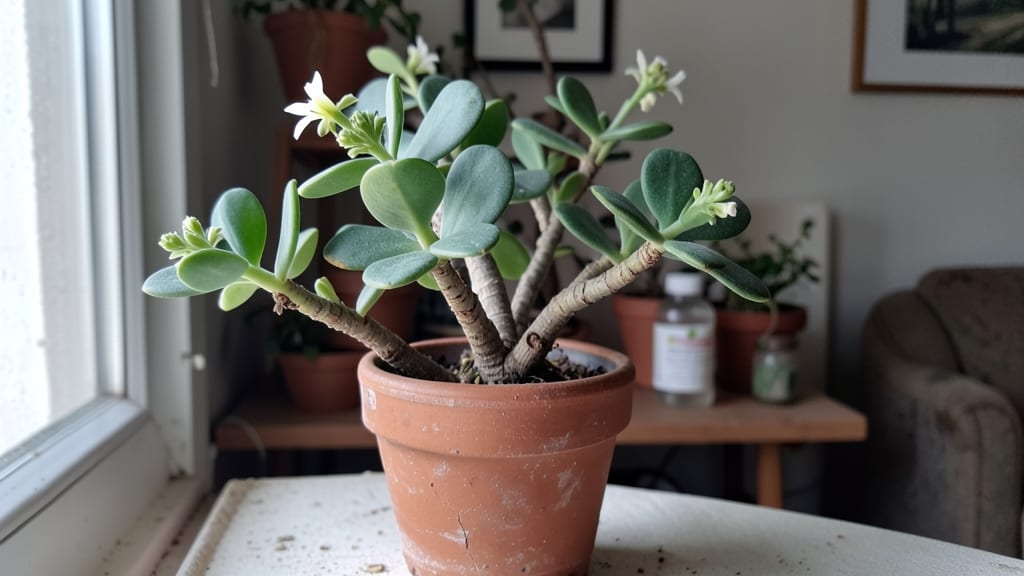
Jade plant care for flowering starts with a single, game-changing secret: bright, indirect light for at least 6 hours daily—that’s what triggers those stunning star-shaped blooms. I’ve watched my own jade go from stubbornly leafy to covered in delicate pink flowers after adjusting its spot near the east-facing window.
The key isn’t just light, though—it’s the kind of light that mimics its desert roots without scorching those thick, plump leaves.
Most people overwater or fertilize too much, both of which sabotage blooms. Your jade needs fast-draining soil (cactus mix works) and water only when the top 2 inches feel bone-dry—think drought, not moisture.
A balanced 10-10-10 fertilizer in spring and summer, diluted to half-strength, gives it just enough nutrients without shocking it. And here’s the kicker: cool nights (below 65°F) in late summer signal the plant to set flower buds—so if your home stays toasty, a brief outdoor stint helps.
When you nail these basics, you’ll see tiny flower spikes emerge in late winter, followed by clusters of pink or white blooms that last for weeks. The scent is subtle but sweet, like a desert breeze at dawn.
Prune leggy stems after flowering to encourage bushier growth, and watch for pests—mealybugs love stressed jades, so wipe leaves with neem oil if you spot cottony white bits.
This works for both potted jades and those growing in sunny windowsills—just adjust light with sheer curtains if leaves start yellowing. The first year might take patience, but once you unlock flowering, your plant becomes a low-maintenance showstopper that outshines most houseplants.
Ready to transform that leafy lump into a blooming beauty?
📚 In This Guide
- What you need
- Instructions
- Tips and common mistakes
- Wrapping up and next steps
What you need
- ● Jade Plant (Crassula ovata) – A healthy, mature plant (3+ years old for best flowering potential).
- ● Well-draining soil mix – 60% cactus/succulent soil + 30% perlite/pumice + 10% coarse sand (or pre-mixed succulent blend).
- ● Pot with drainage holes – Terracotta or ceramic (6–12 inches in diameter, depending on plant size).
- ● Watering can with a narrow spout – For precise hydration (avoid overhead watering!).
- ● Balanced liquid fertilizer – 10-10-10 or 20-20-20 (diluted to half-strength).
- ○ Grow lights (optional but helpful) – Full-spectrum LED (5000K–6500K color temp) for indoor setups.
- ● Thermometer/hygrometer – To monitor temps (ideal: 60–75°F) and humidity (30–50%).
- ● Slow-release fertilizer pellets – For steady nutrient release during dormancy.
- ● Rooting hormone – If propagating cuttings to expand your collection.
- ● Plant support/stakes – For heavy blooms (though jade plants rarely need them!).
- ● Humidifier or pebble tray – If your home is very dry (jade plants tolerate dry air but may bloom better with slight humidity).
- ● Pruning shears – For trimming leggy growth or dead blooms post-flowering.
Step-by-Step guide to encouraging jade plant flowering
Master these light and care techniques to transform your jade plant into a blooming beauty.
Provide the Right Light Exposure
Jade plants (Crassula ovata) need bright, indirect sunlight for at least 6-8 hours daily to trigger flowering. Place yours near an east-facing window where morning light is gentle but intense enough to stimulate growth. If you're using artificial light, position a full-spectrum LED grow light about 12-18 inches away for 14-16 hours per day.
Watch for signs of insufficient light—leggy stems and pale leaves mean your plant is stretching toward the light. If this happens, move it closer to the window or increase light exposure gradually over 7-10 days to avoid shocking the plant. The goal is to mimic the strong, consistent light of its native South African habitat, where jade plants thrive in arid, sun-drenched conditions.
Maintain Consistent Temperature and Humidity
Flowering jade plants thrive in temperatures between 65-75°F during the day and 55-60°F at night. Avoid placing them near drafts, heaters, or air conditioning vents, as sudden temperature swings can stress the plant and delay blooming. If your home runs cooler, supplement with a small space heater during winter months to keep the roots warm.
Humidity isn’t critical for jade plants, but 30-40% relative humidity helps prevent stress. If your home is very dry, mist the leaves lightly once a week or place the pot on a tray filled with pebbles and water to create a slight humidity barrier. The key is to keep the plant stable and comfortable—just like it would be in its natural desert environment.
Water Strategically to Promote Flowering
Overwatering is the #1 killer of jade plants, and it directly impacts flowering. Water only when the top 2-3 inches of soil feel completely dry—this usually means every 3-4 weeks in winter and every 2 weeks in spring/summer. Stick your finger into the soil; if it’s damp, wait another day or two. Jade plants store water in their thick leaves, so they’re drought-tolerant once established.
When you do water, soak the soil thoroughly until water drains from the bottom of the pot. Empty the saucer afterward to prevent root rot. The goal is to create a drought-like cycle that mimics the plant’s natural conditions. If the leaves start to pucker or wrinkle, it’s a sign you’ve underwatered—adjust your schedule accordingly.
Fertilize at the Right Time for Blooms
Start fertilizing in early spring with a balanced, water-soluble fertilizer (like 10-10-10) diluted to half-strength. Apply it every 4-6 weeks until late summer. The extra nutrients encourage strong, healthy growth, which is essential for flowering. Avoid fertilizing in winter or fall, as the plant enters a dormant phase and doesn’t need extra food.
Watch for signs of over-fertilizing—yellowing leaves, brown tips, or a white crust on the soil surface mean you’re overdoing it. If this happens, flush the soil with plain water to rinse out excess salts. The key is moderation: jade plants prefer lean soil, and too much fertilizer can actually prevent blooming by encouraging excessive leaf growth at the expense of flowers.
Encourage Flowering with Proper Rest Periods
Jade plants need a cool, dry "rest period" in late fall and winter to trigger flowering. Reduce watering to once every 4-6 weeks and stop fertilizing entirely. Place the plant in a cooler spot (around 55-60°F) for 8-12 weeks, mimicking the dry season in its native habitat. This dormancy period is critical—without it, your jade plant may never bloom.
After the rest period, gradually reintroduce warmer temperatures and brighter light in early spring. You’ll often see tiny pink or white flower buds forming at the tips of the stems within 4-6 weeks of breaking dormancy. If no buds appear after a full cycle, try adjusting the light or temperature slightly—sometimes a 5°F cooler nighttime temperature is all it takes to prompt flowering.
Tips & tricks for perfect jade plant flowering
Here's what nobody tells you about coaxing those stunning blooms from your jade plant—these subtle adjustments make all the difference.
Light Transition Strategy: When increasing light exposure over 7-10 days as mentioned in Step 1, do it incrementally by moving the plant closer to the window by just 2-3 inches every 2-3 days. This gradual adaptation prevents sunburn on leaves and maintains the plant's stability during this critical flowering trigger period. Sudden exposure changes can shock the plant and delay blooming by weeks.
Temperature Fine-Tuning: The 55-60°F nighttime temperature range in Step 2 is your secret weapon for flowering. If your home consistently stays warmer than 65°F at night, place the plant near an open window with a gentle breeze or use a small fan on low setting to create that cooler nighttime environment. This mimics the plant's natural desert cooling cycle, signaling it's time to bloom.
Watering Technique: The "drought-like cycle" in Step 3 requires more than just waiting for dry soil—water only when the soil is completely dry through the full 2-3 inches, then soak until water runs freely from the bottom. Let the plant sit in the saucer for 10 minutes before emptying it completely. This ensures thorough hydration without waterlogging, which is crucial for developing strong stems capable of supporting flower clusters.
Fertilizer Timing: When applying that half-strength 10-10-10 fertilizer every 4-6 weeks in Step 4, always do it in the morning when the plant has had several hours of light. The nutrients need time to absorb before nightfall. This morning application prevents fertilizer burn and ensures the plant uses the nutrients efficiently for flower development rather than just leaf growth.
Pro Tips for Jade Plant Care For Flowering
- Here's what nobody tells you about coaxing those stunning blooms from your jade plant—these subtle adjustments make all the difference.
- Light Transition Strategy: When increasing light exposure over 7-10 days as mentioned in Step 1, do it incrementally by moving the plant closer to the window by just 2-3 inches every 2-3 days.
- Temperature Fine-Tuning: The 55-60°F nighttime temperature range in Step 2 is your secret weapon for flowering.
Frequently asked questions
Got questions about coaxing those stunning blooms from your jade plant? You’re not alone! Here are the answers to the most common queries about jade plant care for flowering, from light tricks to troubleshooting.
How do I know if my jade plant is getting enough light for flowering?
Jade plants need bright, indirect light (like an east or south-facing window) for 4–6 hours daily. If leaves turn pale or stretch (etiolation), it’s not enough light. For blooms, aim for 6+ hours of sunlight—even direct morning sun works. In winter, supplement with a grow light if needed.
When should I expect my jade plant to flower?
With ideal care, most jade plants flower in spring or early summer, though some bloom in winter. Younger plants (under 5 years) may take longer. Patience is key—consistent light, cool nights (60°F/15°C), and well-draining soil set the stage for blooms within 1–2 years.
Why isn’t my jade plant flowering, even with good light?
Flowering is tricky! Beyond light, check these:
- Age: Mature plants (3+ years) bloom easier.
- Temperature shifts: Cool nights (50–60°F/10–15°C) trigger buds.
- Stress: Light drought stress (let soil dry completely) can help, but overwatering kills blooms.
- Nutrients: A balanced fertilizer (low nitrogen) in spring boosts blooms.
Can I force my jade plant to flower indoors?
Yes! Mimic outdoor conditions:
- Place near a south-facing window or use a grow light 12–14 hours/day.
- Move it outside in spring/summer for fresh air and sunlight.
- Reduce watering in winter to simulate dry seasons.
- Use a cooling trick: Place near a fan or AC vent for 2–3 weeks to mimic seasonal changes.
What should I do if my jade plant’s buds drop before opening?
Dropping buds usually mean environmental stress. Try this:
- Check for overwatering—soak-and-dry soil is key.
- Avoid drafts (AC, heaters) or sudden temperature swings.
- Ensure humidity isn’t too low (use a pebble tray if needed).
- Skip fertilizer during budding—too much nitrogen can cause drop-off.
Once buds form, don’t move the plant—consistency is critical!
Wrapping up and next steps
Caring for your jade plant to encourage flowering is all about patience, light, and consistency—but the rewards are oh-so-sweet! 🌸 By mastering the right conditions, you’ll unlock those stunning blooms and keep your plant thriving for years.
Now that you’re armed with the best light triggers, soil tips, and troubleshooting tricks, it’s time to watch, adjust, and celebrate every little growth spurt.
Ready to take the next step? Snap a photo of your jade plant’s progress and share it with fellow plant parents—or treat yourself to a new variety to expand your collection! 🌱