
Flowers
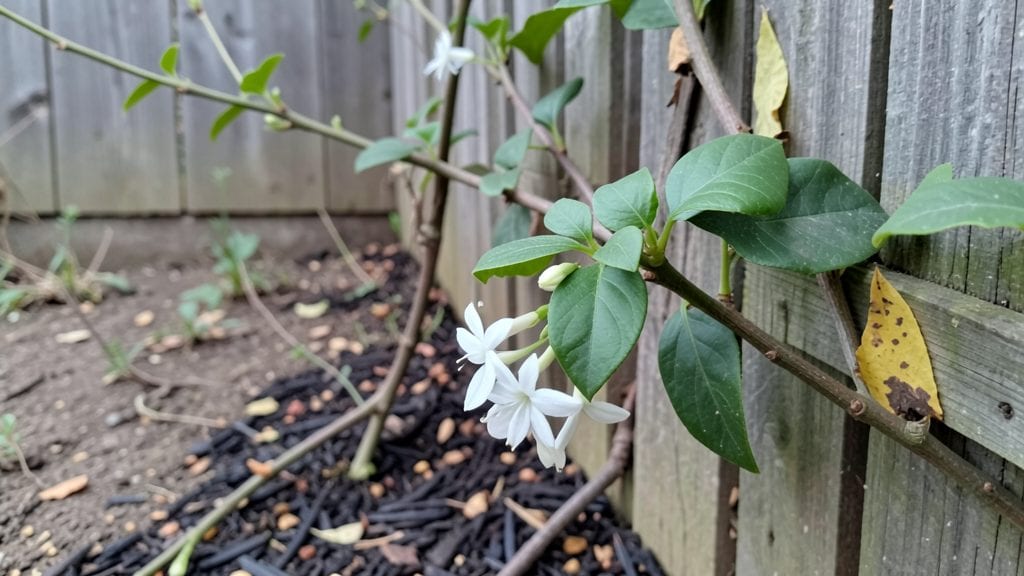
Imagine waking up to the intoxicating scent of the delicate Indian jasmine flower drifting through your garden like a tropical breeze. 🌿 This fragrant vine—whether you're working with Polyalthia longifolia (true Indian jasmine) or the more common Trachelospermum jasminoides—thrives on neglect once established, making it perfect for busy gardeners.
The glossy evergreen leaves alone make it a standout, but those intoxicating white flowers? They’ll have your neighbors asking where you bought it.
The secret to success starts with the right conditions: bright, indirect light (think morning sun with afternoon shade) and well-draining soil that mimics its native tropical forests.
In warmer climates (zones 9-11), it grows as an evergreen shrub, while colder zones treat it as a tender perennial that needs winter protection.
My first batch took off when I planted it in a raised bed with a mix of compost and sand—just like the soil it craves in its natural habitat.
By late spring, you’ll see those first fragrant blooms, and with proper care, they’ll keep coming all year. Prune lightly after flowering to encourage bushier growth, and fertilize sparingly—too much nitrogen means fewer flowers.
The payoff? A vine that climbs fences, trellises, or even sprawls as a ground cover, all while filling the air with its signature perfume. Even my black thumb couldn’t kill this one.
Ready to transform your garden into a fragrant escape? We’ll cover everything from planting to troubleshooting common issues like aphids or fungal spots—so you can enjoy those blooms without the stress. Let’s get those vines growing!
📚 In This Guide
- What you need
- Instructions
- Tips and common mistakes
- Wrapping up and next steps
What you need
- ● Indian jasmine plants: 1–3 healthy nursery-grown vines (choose disease-resistant varieties like Mogra or Grand Duke)
- ● OR seeds (soaked in water for 24 hours to speed germination)
- ● Growing medium: Well-draining potting mix (e.g., 60% coco coir, 30% perlite, 10% compost) (for containers)
- ● Loamy, slightly acidic soil (pH 6.0–6.5) (for in-ground planting)
- ● Containers (if applicable): 1–2 gallon pots (minimum 12" deep) with drainage holes (1 plant per pot)
- ○ Optional: Trellis, arbor, or fence (for climbing support)
- ● Basic tools: Trowel or small shovel
- ● Pruning shears (sterilized with rubbing alcohol)
- ● Gloves (to protect from thorns)
- ○ Optional (but helpful): Soil pH test kit (to check acidity levels)
- ● Organic fertilizer (e.g., 10-10-10 NPK blend, diluted to half-strength)
- ● Mulch (e.g., shredded bark or straw to retain moisture)
- ● Prerequisites: Full sun to partial shade (6+ hours of sunlight daily)
- ● Warm climate (USDA zones 9–11; colder zones need winter protection)
- ● Patience! Indian jasmine grows slowly but rewards with year-round blooms.
How to grow Indian jasmine vines for continuous blooms
Here's my foolproof approach to growing these fragrant climbers—no dead zones, just lush growth.
🌱 Step 1: Choose the Right Location and Prepare Support
Indian jasmine thrives in partial shade to full sun (at least 4-6 hours daily), but too much direct afternoon sun can scorch the delicate blooms. I always pick a spot near a trellis, fence, or pergola where the vine can climb—these plants grow 10-15 feet in a single season if given support. Install your structure before planting; vines hate being retrofitted later.
If you're planting in containers, use a large pot (at least 15-gallon capacity) with drainage holes. The roots spread aggressively, so cramped spaces lead to root-bound plants that bloom poorly. Fill the bottom third with gravel or broken pottery for drainage—Indian jasmine despises soggy roots.
☀️ Step 2: Plant at the Correct Time and Depth
Spring is ideal, but you can plant Indian jasmine anytime the soil stays above 60°F. Dig a hole twice as wide as the root ball but only as deep—planting too deep suffocates the roots. Loosen the soil around the edges to encourage root spread. Here's the thing: I always add a handful of well-rotted compost to the planting hole, mixing it with native soil. This gives the vine a nutrient boost without overwhelming it.
Water deeply right after planting to settle the soil, then let it dry slightly before watering again. Overwatering now causes root rot, and you'll know it's right when the top inch of soil feels dry to the touch. Mulch with 2-3 inches of organic mulch (like shredded bark) to retain moisture and regulate soil temperature—this keeps roots happy without extra watering.
💧 Step 3: Water and Feed for Maximum Blooms
Indian jasmine loves moisture but hates soggy feet. Water once a week during dry spells, aiming for 1-2 inches of water per week. You'll see the leaves perk up after watering—that's your cue it's working. In containers, water when the top 2 inches of soil feel dry, but never let the plant sit in saucers of standing water.
Feed every 4-6 weeks with a balanced liquid fertilizer (10-10-10) during the growing season. I cut back to half-strength fertilizer in late summer to avoid encouraging new growth that won't harden off before winter. The key is consistency—skip a feeding, and you'll notice fewer blooms by mid-summer.
✂️ Step 4: Prune to Encourage Lush, Flowering Growth
Prune right after the first flush of blooms in spring to shape the vine and encourage more flowers. Cut back one-third of the previous year's growth to stimulate new shoots. I always use clean, sharp pruners to avoid tearing the bark—this prevents disease from entering the plant. Remove any dead, diseased, or crossing branches first; they compete with healthy growth for nutrients.
In late winter, do a light pruning to tidy up the vine before new growth starts. Never prune into old wood—Indian jasmine blooms on new growth, so aggressive cuts back to bare wood mean fewer flowers. Watch for leggy growth (long, bare stems with few leaves)—this happens when the vine isn't getting enough light or nutrients. Trim those stems back by half to rebalance the plant.
🪴 Step 5: Overwinter for Year-Round Blooms
If you're in a cold climate (below 20°F), protect your Indian jasmine by mulching heavily around the base with 4-6 inches of straw or leaves. In containers, move the pot to a sheltered spot like a garage or under an eave, but keep it above freezing. I always wrap the pot in bubble wrap for extra insulation—this prevents temperature swings that stress the plant.
In warmer zones, Indian jasmine often blooms year-round with minimal care. Just keep watering lightly during dry spells and fertilize every 8-10 weeks to maintain growth. The goal is to keep the roots active but not pushing new growth in winter. You'll know it's working when you see fresh blooms appearing even in cooler months.
Tips & tricks for perfect Indian jasmine growth
These little tricks will help you coax those fragrant blooms all season long—no gardening degree required.
Location is Everything: That 4-6 hours of sunlight is your sweet spot for blooms, but watch the afternoon sun—it can burn those delicate leaves. I always plant mine near a lattice where it gets morning sun and afternoon shade. If you're in a hot climate, a sheer curtain can save your vines from scorching while still letting them climb happily.
Root Room Matters: When planting in containers, don't skimp on size—those roots spread like crazy! A 15-gallon pot gives you room to grow, but if you're ambitious, go bigger. I've seen these vines thrive in 20-gallon containers with proper drainage. The key is to avoid root-bound stress, which directly affects your bloom count.
Timing Your Water: That "top inch dry" test is your golden rule. I use my finger to check moisture daily in summer—if it's dry by mid-morning, water deeply. The secret is consistency: Indian jasmine hates drought stress but despises soggy roots. A drip irrigation system set to 1-2 inches per week solves this perfectly without babysitting.
Pruning Payoff: When you cut back that one-third of last year's growth in Step 4, you're not just tidying up—you're telling the plant to focus energy on new blooms. I always prune right after the first spring flush because the plant is already growing strong. Use clean pruners and make cuts at a 45-degree angle just above a leaf node to encourage healthy regrowth.
Pro Tips for Indian Jasmine Flower
- These little tricks will help you coax those fragrant blooms all season long—no gardening degree required.
- Location is Everything: That 4-6 hours of sunlight is your sweet spot for blooms, but watch the afternoon sun—it can burn those delicate leaves.
- Root Room Matters: When planting in containers, don't skimp on size—those roots spread like crazy!
Frequently asked questions
How long does it take for Indian jasmine to bloom after planting?
With patience, you’ll see flowers in 6–12 months if grown from seeds, but faster if you start with a cutting or young plant. Indian jasmine thrives in warm climates (USDA Zones 9–11) and may bloom year-round in ideal conditions. Pro tip: Prune lightly after blooming to encourage more flowers!
Why isn’t my Indian jasmine flowering? What could be wrong?
No blooms? Check these common issues:
- Not enough sunlight: Needs 6+ hours of direct sun daily—partial shade may delay flowers.
- Over-fertilizing: Too much nitrogen = leafy growth, fewer blooms. Use a balanced 10-10-10 fertilizer lightly.
- Cold stress: Below 50°F (10°C) can shock the plant. Mulch roots in winter if in cooler zones.
- Lack of pruning: Trim leggy vines in early spring to encourage bushier growth and blooms.
Still stuck? Try pinching back new growth to redirect energy to flowers.
Can I grow Indian jasmine indoors? What’s the best setup?
Yes! Place it near a south- or west-facing window for bright light. Use a large pot (12"+ diameter) with drainage holes and a well-draining mix (cactus/succulent soil works). Grow lights (12–14 hours/day) help in low-light spots. Keep humidity high (mist leaves or use a pebble tray) and fertilize lightly every 4–6 weeks in spring/summer. Watch for pests like spider mites—isolate new plants!
What’s the best alternative to Indian jasmine for fragrant flowers?
If you love the scent but need a hardier option, try these:
- Arabian jasmine (Jasminum sambac ‘Grand Duke of Tuscany’) – More cold-tolerant (to 20°F/-7°C) but still fragrant.
- Star jasmine (Trachelospermum jasminoides) – Drought-resistant, blooms in summer, and thrives in Zones 7–10.
- Cestrum (Cestrum nocturnum) – Night-blooming, highly fragrant, and heat-loving (but toxic to pets!).
- Confederate jasmine (Trachelospermum asiaticum) – Evergreen, drought-tolerant, and Zone 7–11 friendly.
Need a pet-safe option? Star jasmine or mock orange (Philadelphus) are great picks.
When is the best time to prune Indian jasmine for maximum blooms?
Prune twice a year for best results:
- Early spring (Feb–March): Trim back 1/3 of the plant to shape it and remove dead/diseased wood. This encourages new growth and flowers.
- After blooming (late summer/early fall): Lightly prune to remove spent flowers and leggy stems. Avoid heavy cuts—this can reduce winter hardiness.
Bonus: If your plant gets woody, a renewal prune (cutting back to 6–12" from the ground) in early spring can rejuvenate it!
Wrapping up and next steps
Growing Indian jasmine (Jasminum sambac) is a rewarding journey that brings year-round fragrance and beauty to your garden or home. With the right care—sunlight, well-draining soil, and patience—you’ll enjoy its delicate white blooms and intoxicating scent for seasons to come.
Whether you’re a beginner or a seasoned gardener, this fragrant vine is a worthwhile addition to any space.
Ready to transform your outdoor (or indoor!) area? Start with a cutting or seed today and watch your garden flourish with nature’s sweetest perfume! 🌸✨