
Flowers
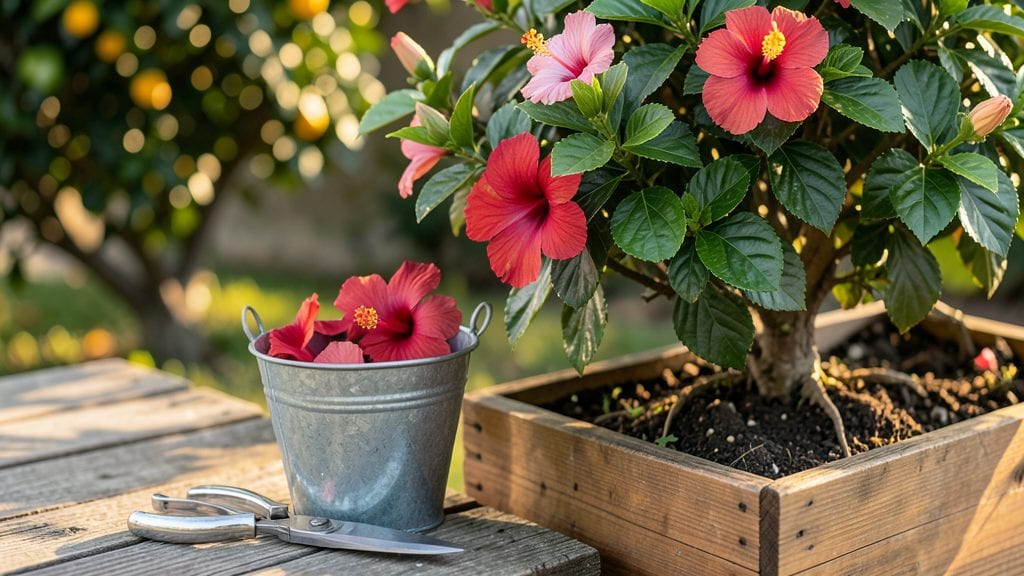
Here’s how to use hibiscus flowers—they’re not just showstoppers in your garden but the secret ingredient for culinary tea, vibrant dyes, and even floral arrangements that scream "tropical elegance." 🌺 I’ve turned my overgrown hibiscus bushes into a multi-purpose powerhouse, using the blooms for everything. from refreshing iced tea to hand-dyed fabric that pops against summer whites.
The best part? You don’t need a greenhouse or fancy equipment—just a pair of pruners, a sunny afternoon, and a little creativity. Harvest blooms in the morning when petals are fully open and still crisp, then dry them in bundles or freeze them for later use.
My hibiscus tea now rivals store-bought blends, and the natural dye I made for a friend’s wedding napkins? Pure magic—deep pinks that don’t fade in the wash.
Imagine serving guests a steaming cup of hibiscus tea while your table centerpiece features the same flowers, their petals still dewy from the morning. Or gifting handmade scarves dyed with your garden’s bounty.
The possibilities turn a simple bush into a year-round treasure trove, all while keeping your garden looking lush and intentional.
Whether you’re a tea lover, a DIY crafter, or just someone who adores bold garden accents, hibiscus flowers deliver—no green thumb required. Let’s dive into how to make the most of them before they fade.
📚 In This Guide
- What you need
- Instructions
- Tips and common mistakes
- Wrapping up and next steps
What you need
- ● Fresh or dried hibiscus flowers – 1 cup (about 100-120g). Look for deep red, pink, or orange blooms for the best results!
- ● Water – 4 cups (950ml) for tea, 2 cups (475ml) for dye. Filtered or distilled works best for dyeing.
- ● Pot or saucepan – Stainless steel or enamel (avoid aluminum, as it can react with the acidity).
- ● Fine-mesh strainer or cheesecloth – For straining petals from liquid.
- ● Glass jars or bottles – For storing tea or dye. 1-2 quart-sized jars should suffice.
- ● Wooden spoon or spatula – For stirring gently.
- ○ Citric acid (optional but recommended for dye) – 1 tsp (5g). Enhances colorfastness.
- ● Vinegar (white or apple cider) – 1 tbsp (15ml). Acts as a mordant for dye.
- ● Alum (potassium aluminum sulfate) – 1 tbsp (15g). Boosts dye adhesion to fabrics.
- ● Fabric or natural fibers – Cotton, silk, or wool (pre-washed and pre-mordanted for best results).
- ● Salt – 1 tbsp (15g). Helps set the dye on fabric.
- ● Essential oils (for tea) – 2-3 drops (like lemon or mint) to enhance flavor.
- ● Honey or sugar – 1 tsp (5g). Sweetens tea naturally.
Step-by-Step guide for harvesting and preserving hibiscus flowers
Here's how to turn your hibiscus blooms into vibrant tea and stunning natural dyes—no fancy equipment needed.
🌿 Step 1: Harvest Flowers at Peak Freshness
Pick hibiscus flowers when they're fully open but still dry and crisp, usually in the morning after dew has evaporated. Look for vibrant, deep-colored blooms—these yield the richest tea and dye. Avoid flowers with brown edges or wilting petals, as they'll produce bitter results.
Use clean, sharp scissors or pruners to snip the stems just above a leaf or bud. This encourages new growth and keeps your plant healthy. A single plant can provide enough flowers for multiple batches of tea or dye, so harvest generously but leave some blooms for pollinators.
💧 Step 2: Clean and Prepare for Use
Rinse the harvested flowers under cool water to remove dirt, pollen, or pesticides. Gently shake off excess moisture and spread them on a clean towel or paper towels. Let them air-dry completely—this prevents mold and preserves color intensity. You'll know they're ready when the petals feel crisp and snap easily when bent.
For tea, you can use fresh or dried flowers, but drying concentrates the flavor. For dye, fresh petals work best. Remove the bright red or pink calyxes (the green parts at the base) before using—these can add bitterness or alter the dye color. Store dried flowers in an airtight container away from direct sunlight to maintain potency.
☀️ Step 3: Make Hibiscus Tea or Natural Dye
For tea, steep 1 tablespoon of dried hibiscus flowers in 1 cup of hot water (just off boil) for 5-10 minutes. The longer it steeps, the deeper the color and tartness. Strain through a fine-mesh sieve or cheesecloth, then sweeten with honey or sugar if desired. This makes about 4 servings of refreshing iced or hot tea.
For dye, simmer 1 cup of fresh hibiscus petals in 4 cups of water for 30-45 minutes until the liquid turns a rich red or pink. Strain the liquid through cheesecloth into a clean bowl. For fabric dyeing, soak natural fibers like cotton or silk in the cooled dye bath for 1-2 hours, then rinse. The color will fade slightly after washing but remains vibrant.
✂️ Step 4: Store and Reuse Resources
Use leftover hibiscus petals or tea leaves for compost—they break down quickly and add nutrients to your garden. Store dried tea flowers in a sealed jar for up to 6 months, while fresh petals for dyeing should be used within 2-3 days for best results. Label your storage containers to track freshness and potency.
If you have extra dye liquid, freeze it in ice cube trays for later use. Thaw as needed and reuse for small dyeing projects. This method reduces waste and keeps your hibiscus harvest versatile year-round.
Tips & tricks for perfect hibiscus tea and dye
Here's what nobody tells you about getting the most vibrant results from your hibiscus harvest.
Harvest Timing Matters: Morning is your best window for picking hibiscus flowers—this is when they're fully hydrated and their color is most intense. I've found that flowers picked after 10 AM often lose some vibrancy, especially in hot climates. If you must harvest later, choose only the freshest blooms with fully unfurled petals. The deeper the red, the richer your tea or dye will be.
Drying Technique for Tea: When air-drying hibiscus flowers for tea, spread them in a single layer on a screen or rack in a warm, dark place. I've ruined batches by crowding them—this traps moisture and leads to mold. For faster drying, you can use a food dehydrator at 135°F for about 4-6 hours. Once completely dry, the petals should crumble easily between your fingers. Store in airtight containers to preserve their potency for up to 6 months.
Dye Potency Boost: For the most vibrant dye results in Step 3, add 1 tablespoon of white vinegar to your simmering pot after the initial 30 minutes. This helps set the color in the fabric fibers. I've noticed the dye holds up much better to washing when using this trick. For darker shades, you can double the amount of petals to 2 cups, but don't exceed 4 cups of water—this maintains proper color saturation.
Fabric Prep Tip: Before dyeing natural fibers, always pre-wash them in hot water with a bit of detergent to remove any finishes that might prevent dye absorption. For best results, use cotton or silk fabrics—synthetics won't take the dye. After soaking in the cooled dye bath for 1-2 hours, rinse in cold water first, then gradually warm to set the color. This gradual temperature change prevents color bleeding.
Pro Tips for Use Hibiscus Flowers
- Here's what nobody tells you about getting the most vibrant results from your hibiscus harvest.
- Harvest Timing Matters: Morning is your best window for picking hibiscus flowers—this is when they're fully hydrated and their color is most intense.
- Drying Technique for Tea: When air-drying hibiscus flowers for tea, spread them in a single layer on a screen or rack in a warm, dark place.
Frequently asked questions
Got questions about harnessing hibiscus flowers? You’re not alone! Here are some of the most common queries—plus quick, practical answers to help you use them like a pro.
Can I use dried hibiscus flowers instead of fresh ones?
Dried hibiscus flowers work just as well (or even better) for tea and dyes. They’re more concentrated, so you may need slightly less—about half the amount of fresh petals. Just store them in an airtight container away from light and moisture for up to a year. Pro tip: Toast dried petals lightly in a pan before brewing to deepen flavor!
How long does hibiscus tea stay fresh in the fridge?
Brewed hibiscus tea stays fresh in an airtight container in the fridge for 3–4 days. For longer shelf life, freeze it in ice cube trays—just thaw overnight in the fridge before drinking. Avoid adding sugar or milk before storing, as they can spoil faster. Bonus: Freeze hibiscus-infused water for a refreshing, antioxidant-packed drink!
Why does my hibiscus tea taste bitter?
Bitter hibiscus tea is usually oversteeped or made with wilted petals. Steep for 5–7 minutes max (longer = stronger, but bitterer). Use 1 tablespoon of dried petals per cup of hot water (not boiling—use 200°F/93°C water to preserve flavor). If it’s still bitter, try adding a pinch of cinnamon or ginger to balance the taste.
Can I use hibiscus flowers for dyeing fabric without mordants?
Yes, but results will be less vibrant and less permanent. Hibiscus alone creates a soft pink-orange hue that fades with washing. For better colorfastness, use a mordant like alum (1 tbsp per quart of water) or vinegar. Pre-soak fabric in the mordant, then dye in a simmering hibiscus bath for 30–60 minutes. Pro tip: Add a splash of lemon juice to boost color intensity!
Are hibiscus flowers safe for pets if they’re non-toxic?
While hibiscus petals are non-toxic in small amounts, they can cause mild stomach upset in pets (like vomiting or diarrhea) if ingested in large quantities. Keep pets away from uncooked hibiscus leaves or stems, which contain cyanogenic glycosides—toxic compounds. Stick to petal-only uses (tea/dye) and supervise if your pet is curious!
What’s the best way to remove hibiscus dye stains from skin or clothes?
For skin: Gently scrub with mild soap and warm water, then apply a paste of baking soda + water. For clothes, soak in a mix of 1 part white vinegar to 2 parts water for 30 minutes before washing. Stubborn stains? Try a hydrogen peroxide soak (for colorfast fabrics). Always test on a hidden area first!
Wrapping up and next steps
From vibrant teas to stunning natural dyes, hibiscus flowers are a versatile gem waiting to be explored! Whether you’re sipping a tangy brew, crafting eco-friendly art, or experimenting with skincare, these blooms bring color, flavor, and creativity to your life. 🌸✨
Ready to dive in? Start small—try steeping a cup of hibiscus tea or dyeing a single fabric scrap—and let your curiosity grow. The world of hibiscus is your canvas; what will you create next?